nitinol wire price
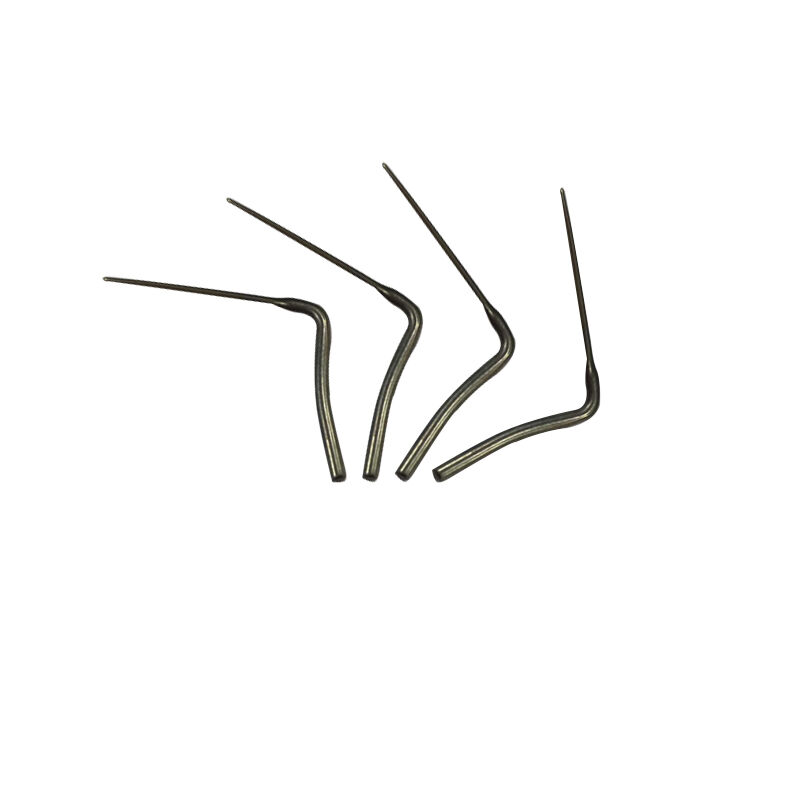
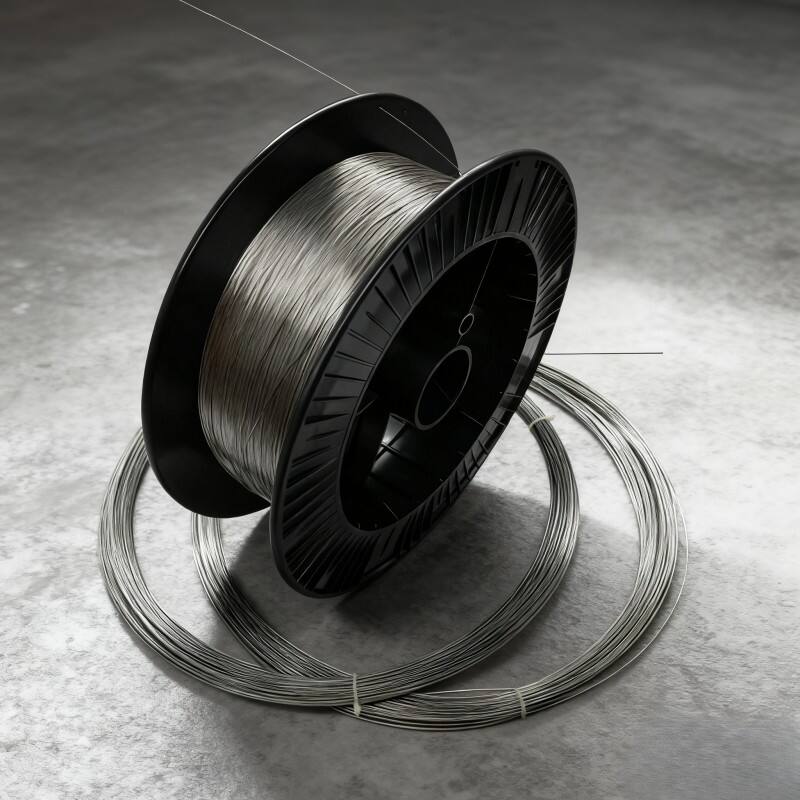
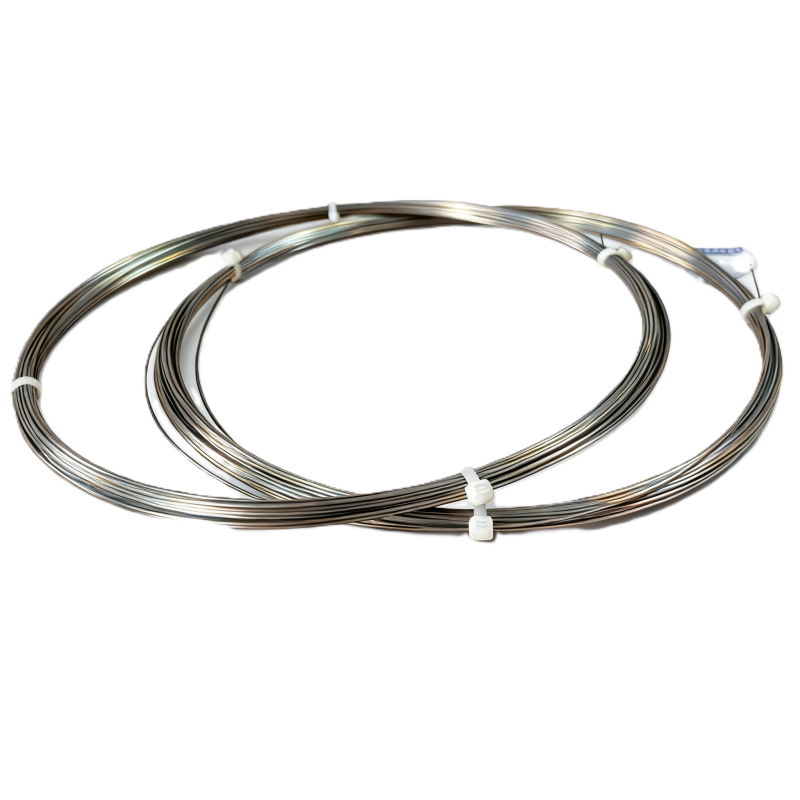
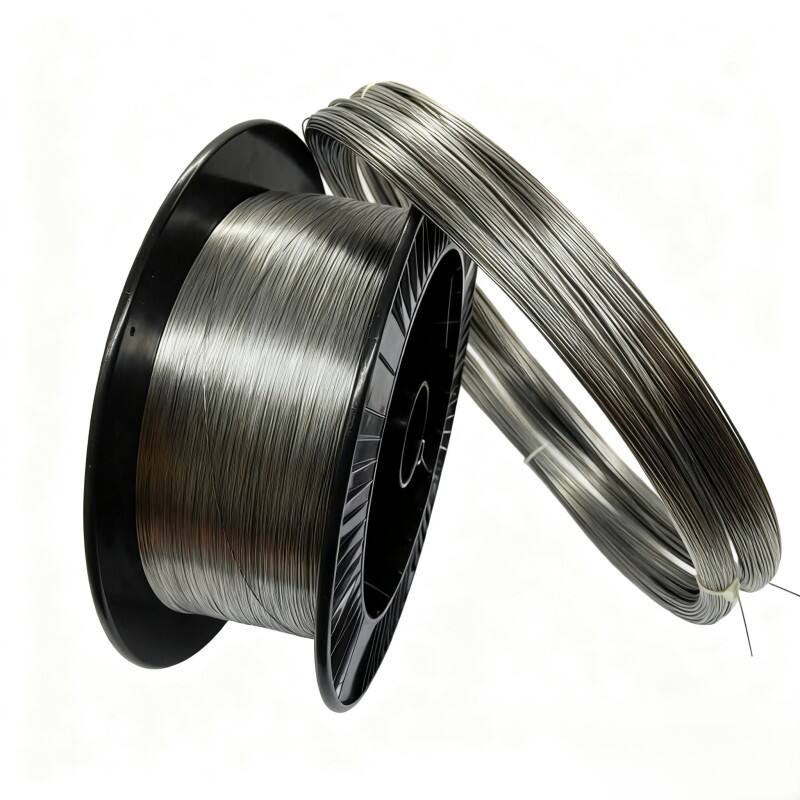
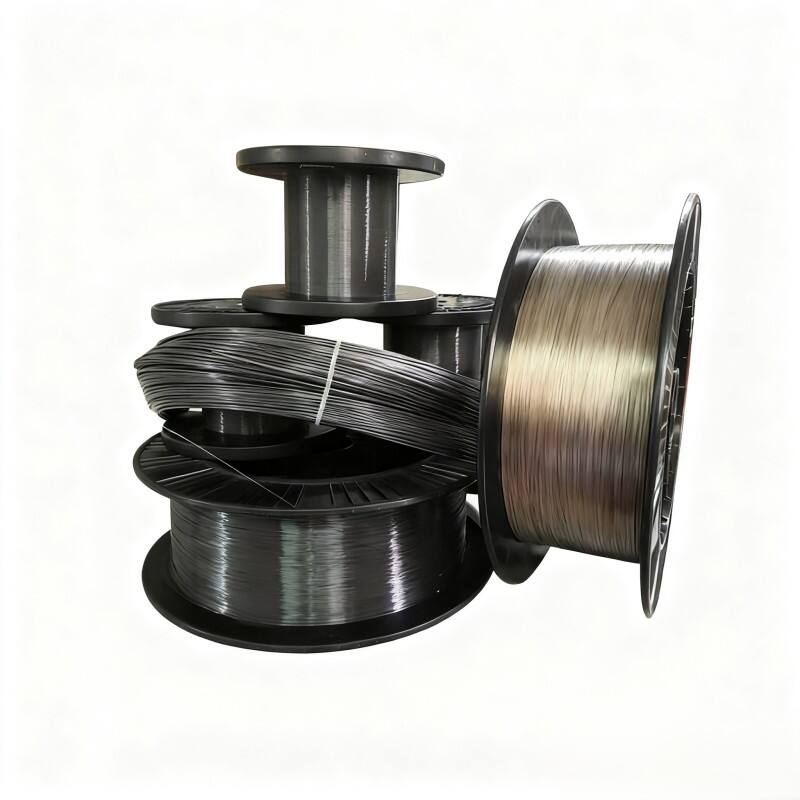
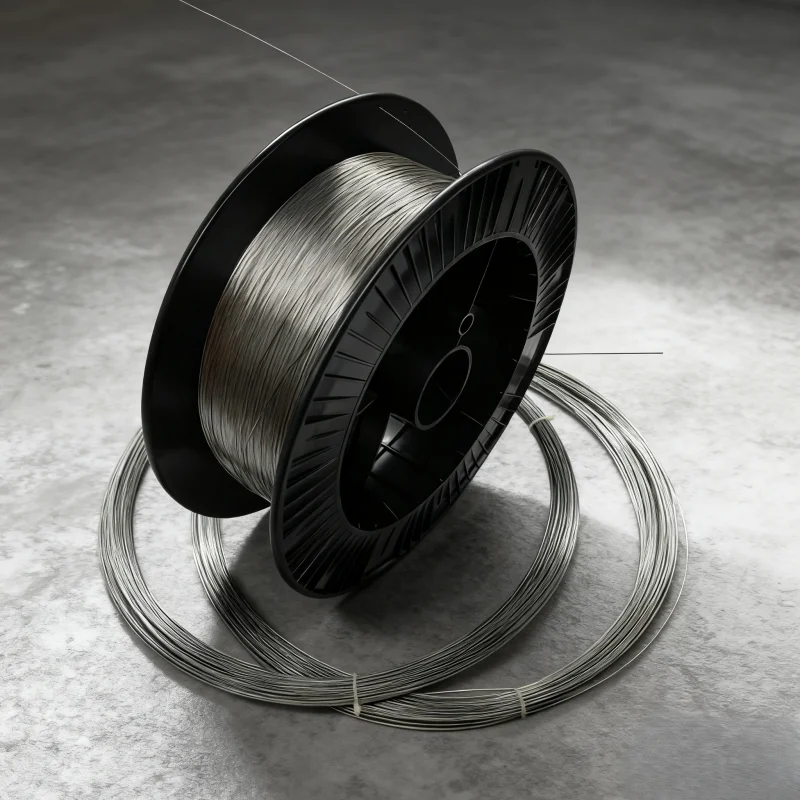
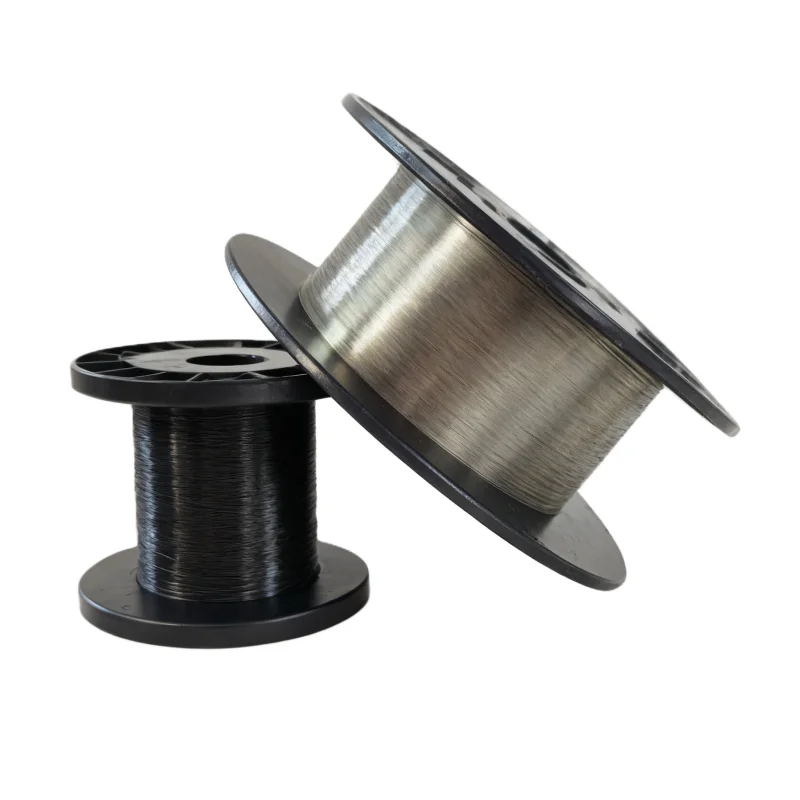
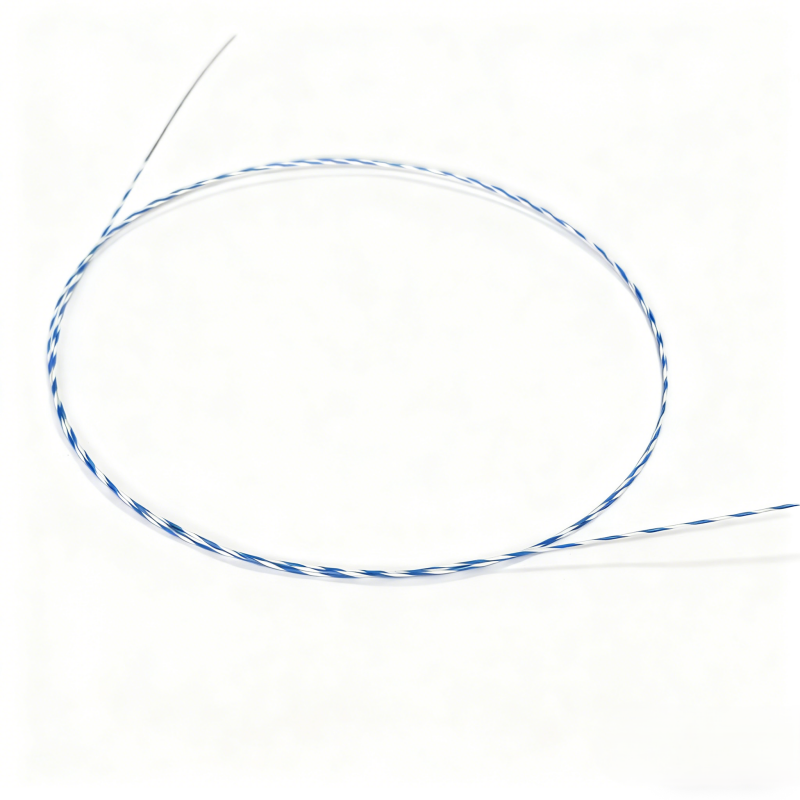
Understanding nitinol wire price requires examining the unique properties and market factors that influence this specialized material. Nitinol, a nickel-titanium alloy, represents one of the most fascinating shape memory materials available in modern manufacturing. The nitinol wire price reflects its exceptional technological characteristics, including superelasticity and shape memory effects that make it invaluable across multiple industries. When evaluating nitinol wire price, buyers should consider several critical factors that distinguish this material from conventional metal wires. The manufacturing process involves precise control of composition ratios, typically combining approximately fifty-five percent nickel with forty-five percent titanium, though slight variations exist depending on specific application requirements. This precision manufacturing directly impacts the nitinol wire price structure. The material exhibits remarkable functionality, returning to predetermined shapes when heated above transformation temperatures or demonstrating superelastic behavior at specific temperature ranges. These properties enable nitinol wire to bend significantly without permanent deformation, making it superior to traditional spring materials. Technological features influencing nitinol wire price include wire diameter specifications, surface finish quality, transformation temperature ranges, and mechanical property certifications. Applications span medical devices like stents, guidewires, and orthodontic arch wires, where biocompatibility combines with functional performance. Industrial applications include actuators, robotics, aerospace components, and consumer electronics, where compact, reliable motion control proves essential. The eyewear industry utilizes nitinol for flexible, durable frame construction. Automotive sectors employ it in advanced climate control systems. When assessing nitinol wire price, procurement professionals must balance initial investment against long-term performance benefits, reduced maintenance requirements, and enhanced product reliability that this advanced material delivers across diverse operational environments.