EN
EN




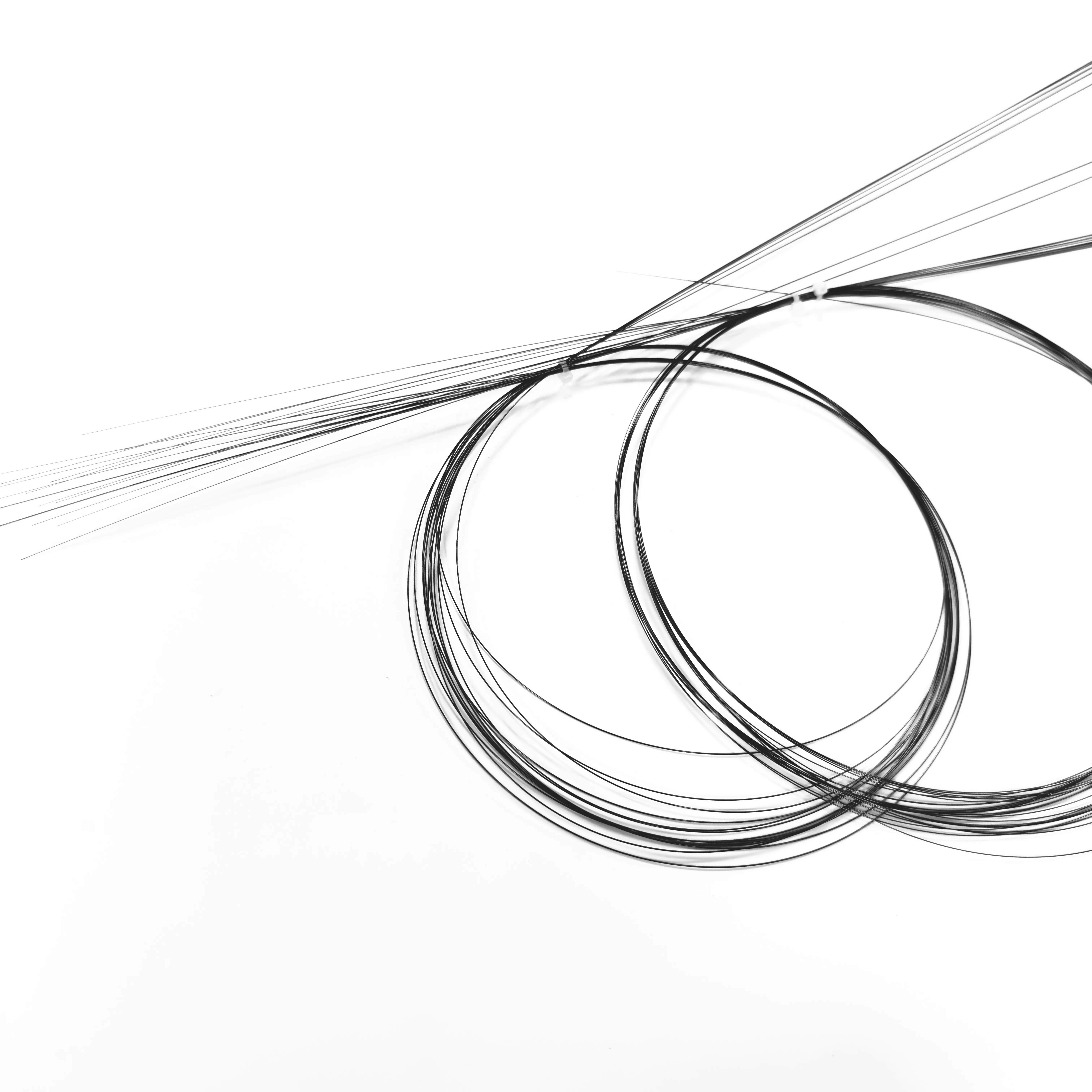
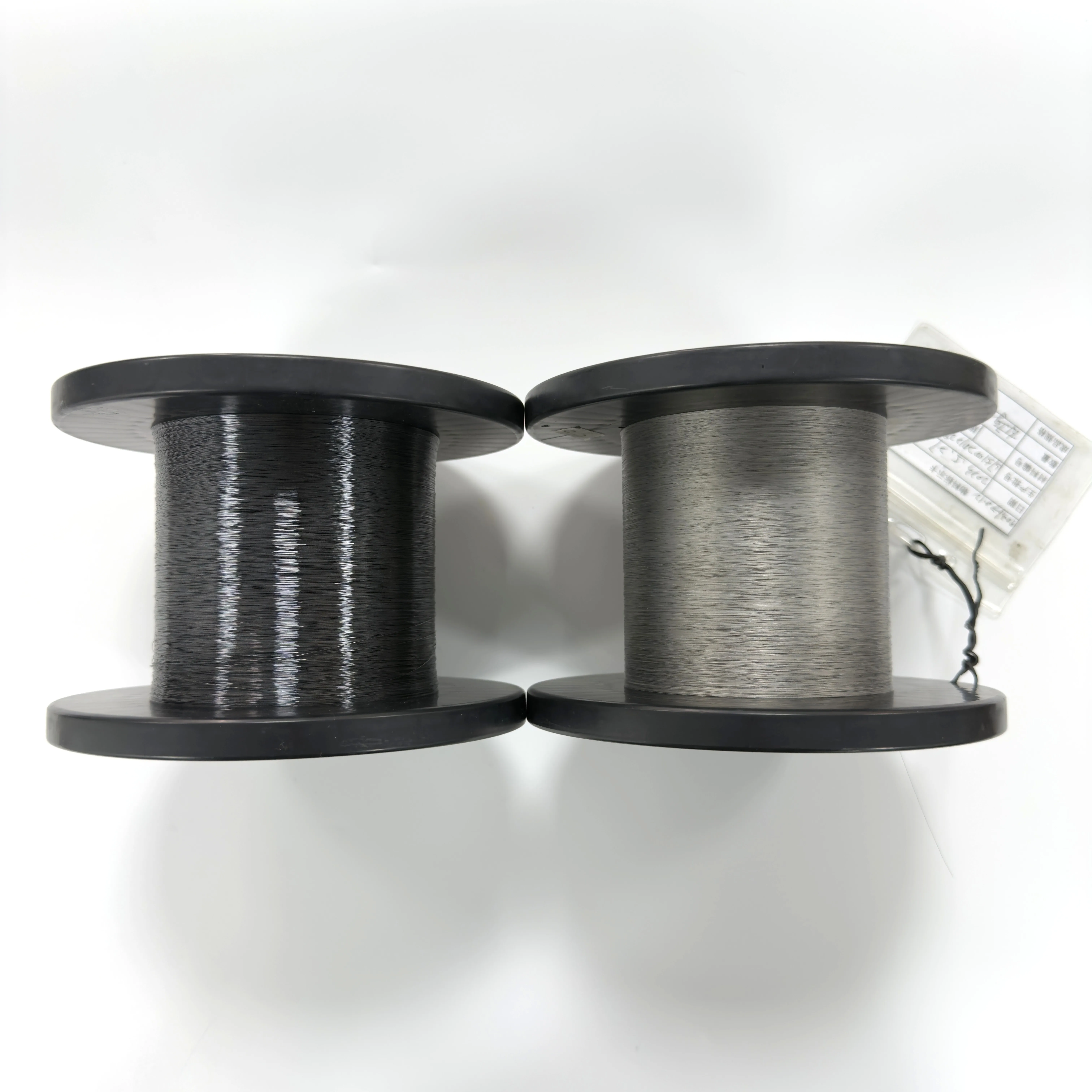
Introduction to Advanced Medical Wire Technology
In the rapidly evolving landscape of medical device manufacturing, superelastic nitinol wire has emerged as a transformative material that addresses critical challenges in minimally invasive procedures and interventional applications. The Superelastic Guide Wire Nitinol Wire Medical Grade ASTM F2063 represents the pinnacle of precision engineering, combining exceptional mechanical properties with biocompatibility requirements essential for modern healthcare applications. As global demand for sophisticated medical instruments continues to rise, manufacturers and distributors increasingly rely on medical grade nitinol to deliver products that meet stringent quality standards while ensuring patient safety and procedural success. The ASTM F2063 wire specification establishes comprehensive guidelines for composition, processing, and performance characteristics, making it the preferred choice for medical device manufacturers worldwide who demand consistency, reliability, and regulatory compliance in their supply chain.
This comprehensive product overview explores the unique characteristics of superelastic nitinol wire and demonstrates why medical grade nitinol manufactured to ASTM F2063 wire standards has become indispensable across cardiovascular, neurological, orthopedic, and numerous other medical specialties. Understanding the technical advantages and application versatility of this remarkable material enables informed sourcing decisions that directly impact product performance, regulatory approval processes, and ultimately, clinical outcomes.
Product Overview: Superelastic Guide Wire Nitinol Wire Medical Grade ASTM F2063
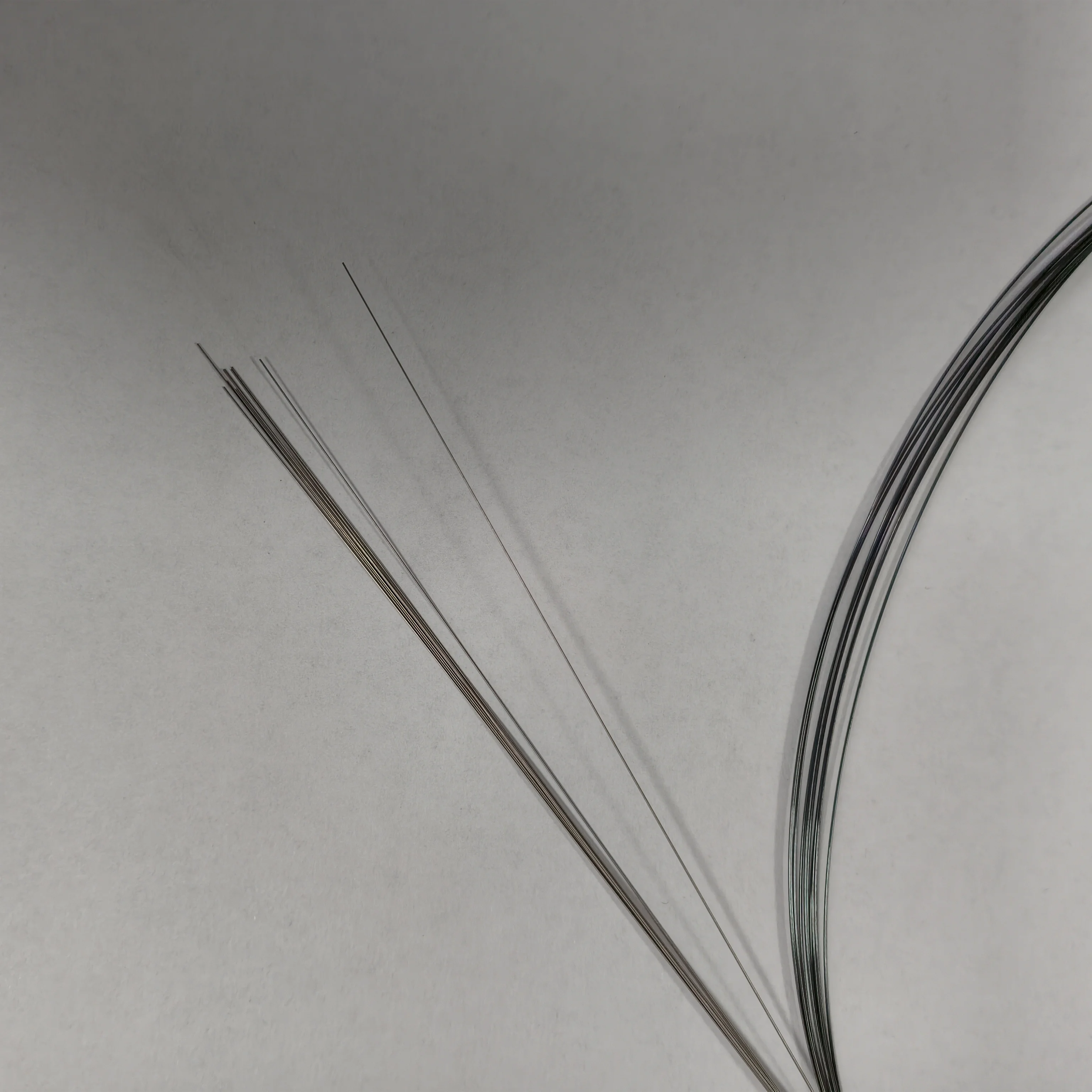
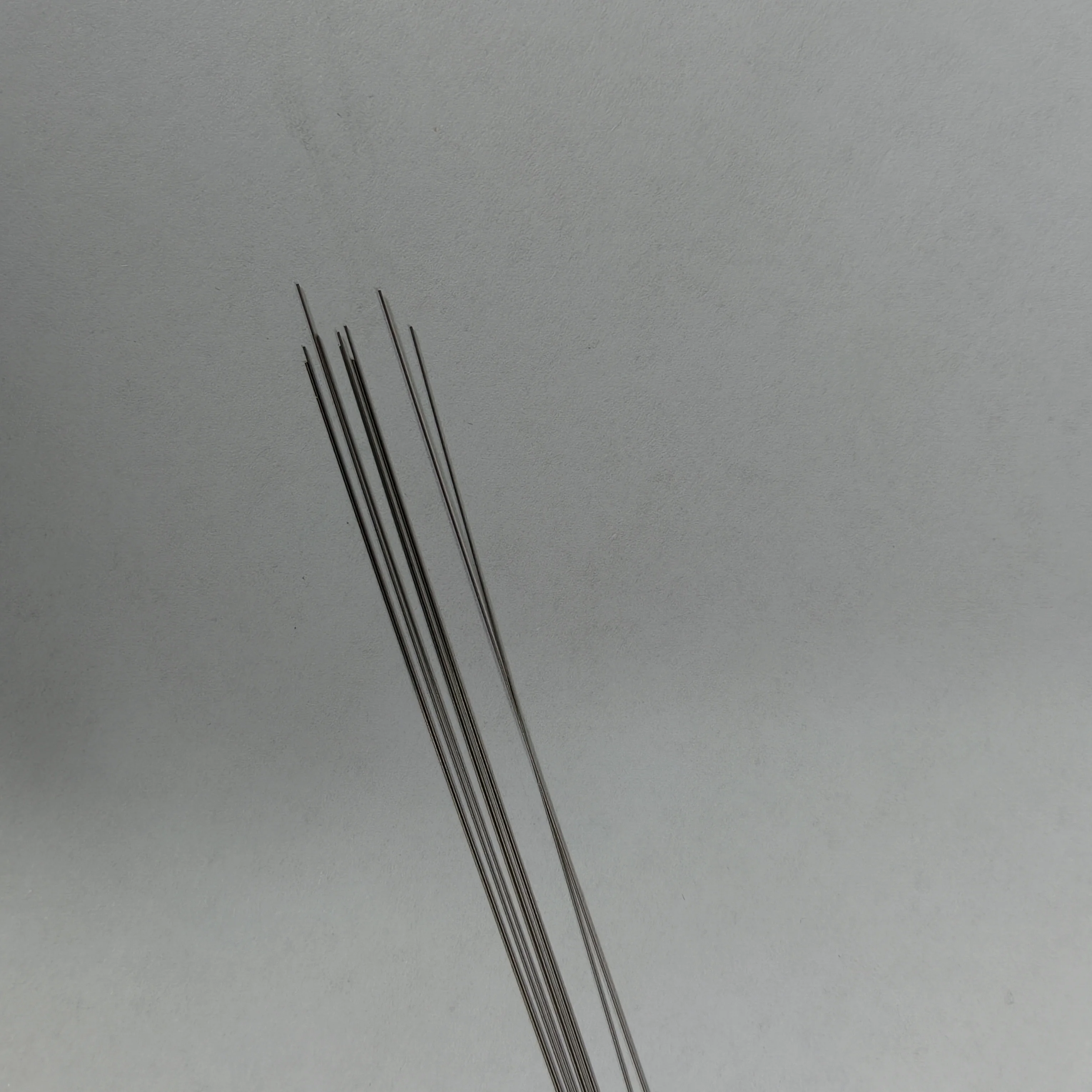
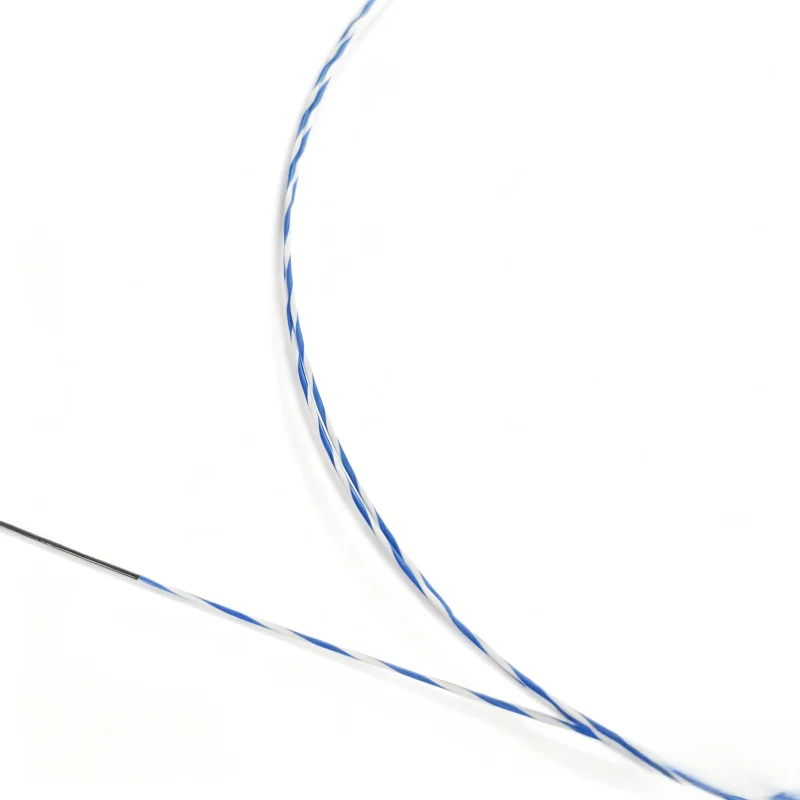
The Superelastic Guide Wire Nitinol Wire Medical Grade ASTM F2063 is engineered specifically for medical applications requiring exceptional flexibility, kink resistance, and shape memory characteristics. This superelastic nitinol wire exhibits remarkable properties that distinguish it from conventional metallic materials, particularly its ability to undergo significant elastic deformation and return to its original configuration without permanent distortion. The unique crystallographic transformation that occurs within medical grade nitinol enables the material to bend, flex, and navigate complex anatomical pathways while maintaining structural integrity throughout demanding procedural environments.
Manufacturing processes for ASTM F2063 wire incorporate precise thermal treatments and quality control protocols that ensure consistent microstructure and mechanical behavior across production batches. The resulting superelastic nitinol wire demonstrates superior fatigue resistance compared to stainless steel alternatives, making it ideally suited for devices subjected to repetitive loading cycles or prolonged deployment within the human body. Surface finishing techniques applied to medical grade nitinol products enhance biocompatibility while minimizing friction during insertion and manipulation procedures, contributing to improved procedural efficiency and reduced risk of vessel trauma.
The ASTM F2063 wire standard encompasses detailed requirements for chemical composition, including nickel-titanium ratios that optimize superelastic performance while addressing biocompatibility considerations. Adherence to this specification ensures that superelastic nitinol wire products deliver predictable transformation temperatures and mechanical responses essential for reliable device function across varying physiological conditions. Manufacturers utilizing medical grade nitinol conforming to ASTM F2063 wire standards benefit from established testing protocols and acceptance criteria that streamline regulatory submissions and facilitate market access across multiple jurisdictions.
Distinctive Features and Performance Benefits
Superelastic Properties and Mechanical Advantages
The defining characteristic of superelastic nitinol wire is its ability to accommodate substantial strain without permanent deformation, a property fundamentally different from conventional elastic behavior observed in traditional metallic materials. This medical grade nitinol can typically sustain deformations several times greater than stainless steel before reaching its elastic limit, enabling guide wires and other interventional devices to navigate tortuous anatomical structures that would cause competing materials to kink or buckle. The stress-induced martensitic transformation underlying this behavior in ASTM F2063 wire allows the material to temporarily accommodate complex geometries while maintaining sufficient column strength for device advancement and manipulation.
Kink resistance represents a critical advantage of superelastic nitinol wire in clinical applications where device failure could compromise procedural success or patient safety. Unlike conventional materials that develop permanent deformations when bent beyond their elastic limit, medical grade nitinol recovers its original shape even after severe flexural loading. This resilience translates directly to enhanced device reliability and reduced risk of complications associated with guide wire fracture or fragmentation. The consistent mechanical performance of ASTM F2063 wire across temperature ranges encountered in medical environments ensures predictable device behavior regardless of procedural duration or physiological conditions.
Biocompatibility and Surface Characteristics
The medical grade nitinol designation reflects comprehensive biocompatibility evaluation demonstrating that superelastic nitinol wire products meet rigorous safety standards for direct and prolonged contact with human tissue and blood. Surface oxide layers naturally forming on ASTM F2063 wire provide inherent corrosion resistance while minimizing metal ion release, addressing concerns about nickel sensitivity through stable passivation chemistry. Advanced surface treatments applied to superelastic nitinol wire further enhance hemocompatibility, reducing thrombogenicity and inflammatory responses that could compromise device performance or patient outcomes.
The smooth surface finish achievable with properly processed medical grade nitinol reduces friction coefficients compared to alternative materials, facilitating easier device tracking through catheters and anatomical passages. This characteristic of ASTM F2063 wire contributes to improved procedural ergonomics and reduced force requirements during device manipulation, potentially decreasing procedure times and operator fatigue. The combination of mechanical flexibility and surface properties inherent to superelastic nitinol wire creates an optimal balance between deliverability and tactile feedback essential for precise device positioning.
Medical Applications and Clinical Use Cases
Cardiovascular and Interventional Procedures
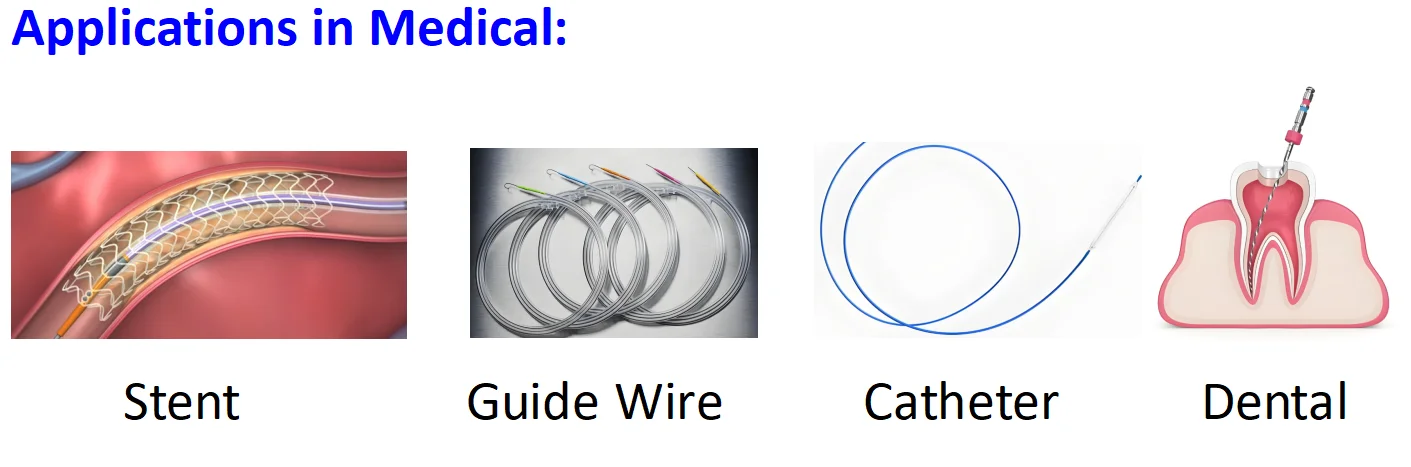
Cardiovascular applications represent the largest market segment for superelastic nitinol wire products, where guide wires manufactured from medical grade nitinol enable access to coronary arteries, peripheral vessels, and complex neurovascular anatomy. The exceptional flexibility of ASTM F2063 wire allows interventional cardiologists and radiologists to navigate challenging vascular territories while maintaining sufficient pushability for device advancement and exchange procedures. Guidewires fabricated from superelastic nitinol wire demonstrate superior torque transmission compared to conventional materials, providing operators with enhanced control during selective catheterization and lesion crossing maneuvers.
Structural heart interventions increasingly rely on medical grade nitinol components for device frames, anchoring mechanisms, and delivery system elements that must undergo significant deformation during transcatheter deployment yet achieve precise final geometries. The shape-setting capabilities of ASTM F2063 wire enable manufacturers to create self-expanding devices that conform to variable anatomical dimensions while exerting controlled radial forces. These applications of superelastic nitinol wire have revolutionized treatment options for patients previously considered unsuitable for conventional surgical approaches, expanding the addressable patient population for numerous cardiovascular conditions.
Neurological and Minimally Invasive Surgery
Neurovascular interventions demand exceptionally atraumatic device characteristics due to the delicate nature of cerebral vessels and the catastrophic consequences of vessel perforation or dissection. The superelastic nitinol wire used in neurovascular guide wires and microcatheters provides the flexibility necessary to navigate the carotid siphon and intracranial circulation while maintaining sufficient support for distal device delivery. The consistent mechanical performance of medical grade nitinol across small diameter formats enables miniaturization essential for accessing distal vascular territories without compromising device functionality.
Beyond vascular applications, ASTM F2063 wire finds utility in various minimally invasive surgical specialties including urology, gastroenterology, and pulmonology where flexible instrumentation must traverse natural orifices and luminal structures. Biopsy forceps, stone retrieval baskets, and snare devices fabricated from superelastic nitinol wire benefit from fatigue resistance that extends device service life while maintaining consistent mechanical performance throughout multiple use cycles. The versatility of medical grade nitinol continues to inspire novel device concepts addressing unmet clinical needs across diverse therapeutic areas.
Quality Assurance and Regulatory Compliance
Manufacturing superelastic nitinol wire to ASTM F2063 wire specifications requires sophisticated quality management systems addressing every aspect of production from raw material sourcing through final inspection. Chemical composition verification ensures that medical grade nitinol meets precise nickel-titanium ratios essential for achieving target transformation temperatures and mechanical properties. Advanced analytical techniques confirm the absence of harmful impurities and validate alloy homogeneity throughout wire cross-sections, ensuring consistent performance characteristics critical for medical device applications.
Mechanical testing protocols for ASTM F2063 wire evaluate tensile properties, fatigue resistance, and superelastic recovery behavior under conditions representative of clinical use environments. These comprehensive assessments verify that superelastic nitinol wire products deliver predictable performance throughout their intended service life. Dimensional inspection procedures ensure that medical grade nitinol wire diameter tolerances meet stringent requirements essential for compatibility with catheter lumens, coil winding operations, and other downstream manufacturing processes.
Traceability systems implemented throughout superelastic nitinol wire production enable complete documentation of processing history, thermal treatment parameters, and quality verification results for each production lot. This documentation supports regulatory submissions demonstrating compliance with ASTM F2063 wire requirements and facilitates investigation of any quality concerns that may arise during device manufacturing or clinical use. The rigorous quality framework surrounding medical grade nitinol production provides medical device manufacturers with confidence that incoming materials will perform consistently and support regulatory approval processes.
Customization Capabilities and Engineering Support
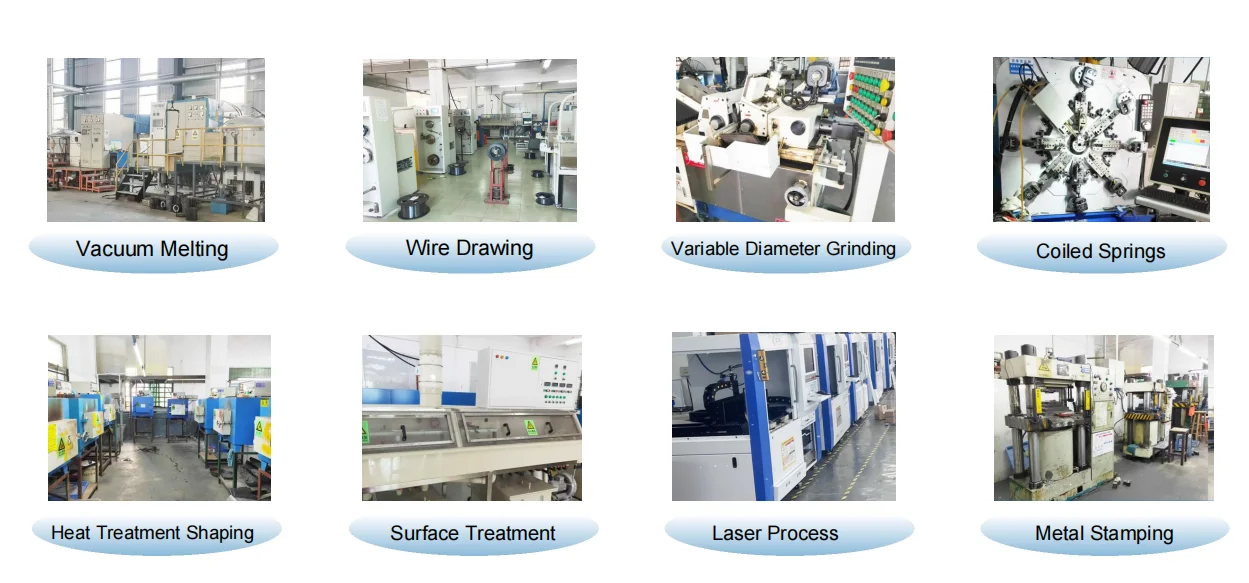
Recognizing that medical device applications demand precise material specifications, manufacturers of superelastic nitinol wire offer extensive customization options addressing diameter requirements, mechanical property targets, and surface finish preferences. Custom thermal treatments can tailor the transformation temperature characteristics of medical grade nitinol to optimize performance for specific procedural environments or device designs. These engineering capabilities enable device developers to fine-tune ASTM F2063 wire properties during product development phases, accelerating time-to-market while ensuring optimal clinical performance.
Surface modification services applied to superelastic nitinol wire range from specialized cleaning protocols through advanced coating technologies that enhance radiopacity, reduce friction, or impart antimicrobial properties. Such customization of medical grade nitinol surfaces addresses specific device requirements without compromising the underlying mechanical advantages inherent to the material. Shape-setting services allow manufacturers to receive ASTM F2063 wire pre-formed into coils, curves, or complex geometries tailored to particular device designs, reducing downstream processing requirements and improving manufacturing efficiency.
Technical support provided by experienced superelastic nitinol wire suppliers includes material selection guidance, processing parameter recommendations, and troubleshooting assistance addressing challenges encountered during device development or production scaling. This collaborative approach ensures that medical grade nitinol components integrate seamlessly into device assemblies while meeting performance specifications and regulatory requirements. The expertise accumulated through supplying ASTM F2063 wire across diverse medical applications enables suppliers to anticipate potential issues and propose solutions that accelerate product development timelines.
Packaging Solutions and Supply Chain Reliability
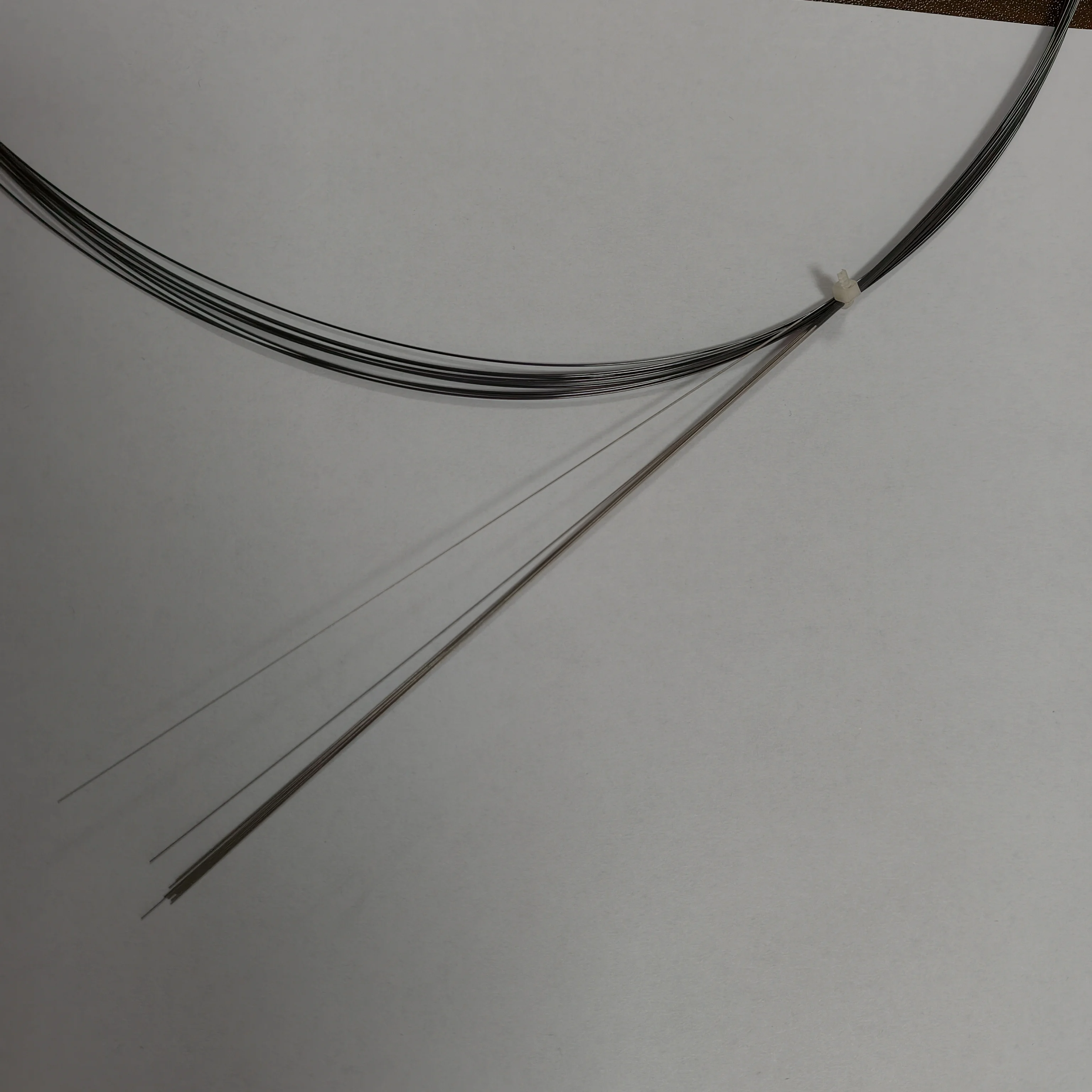
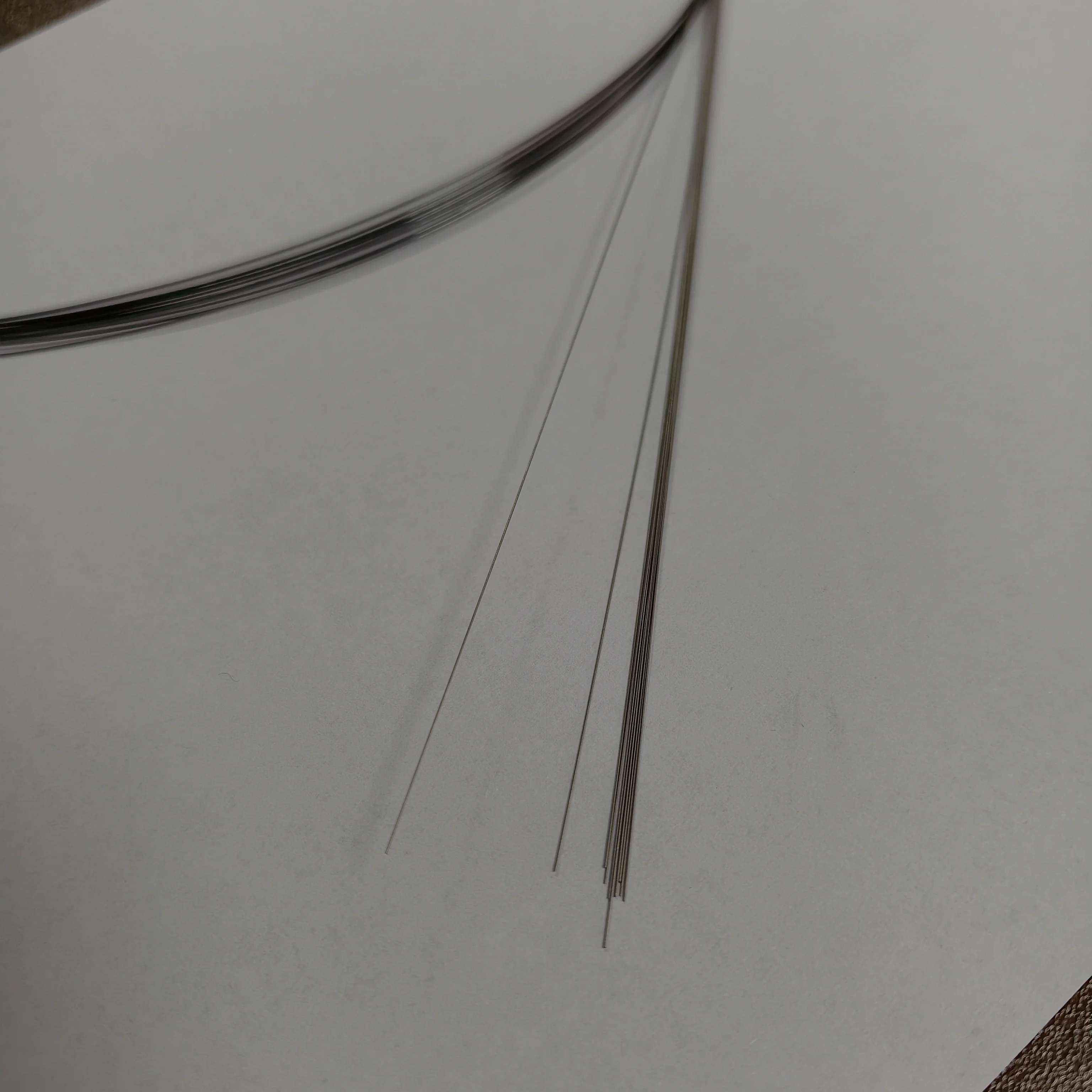
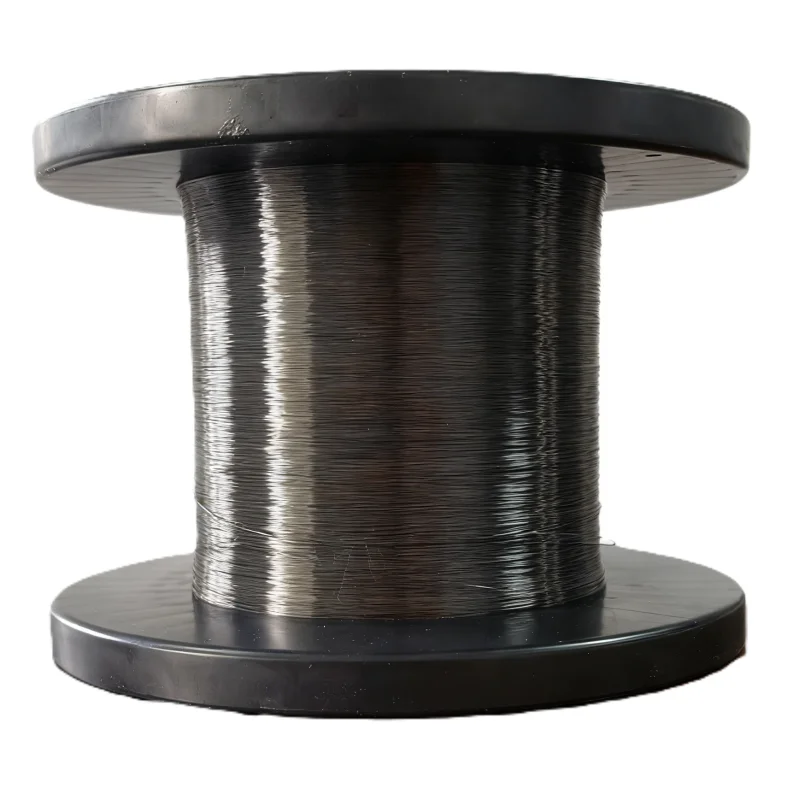
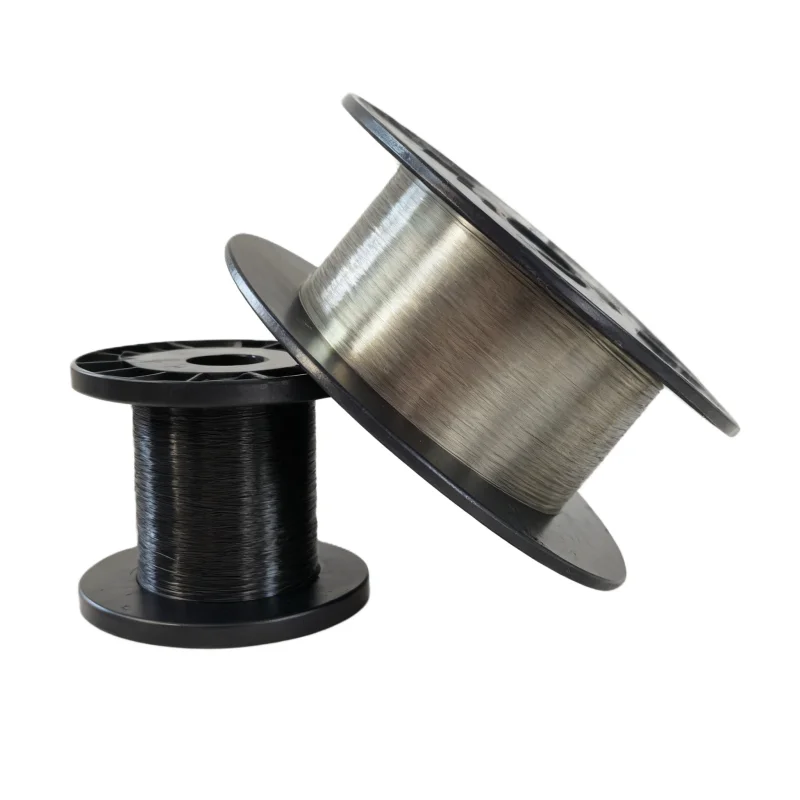
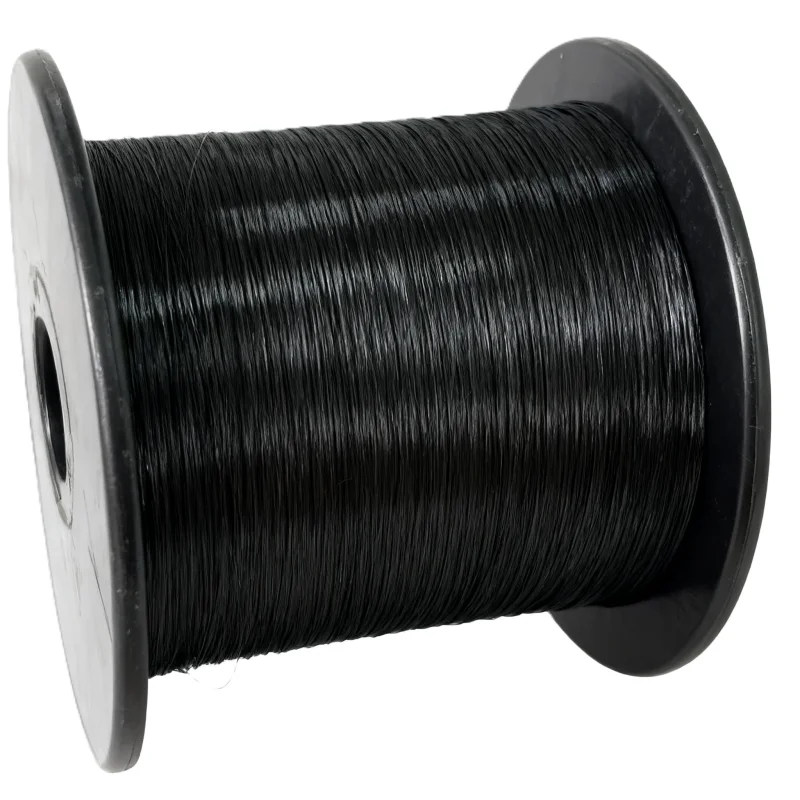
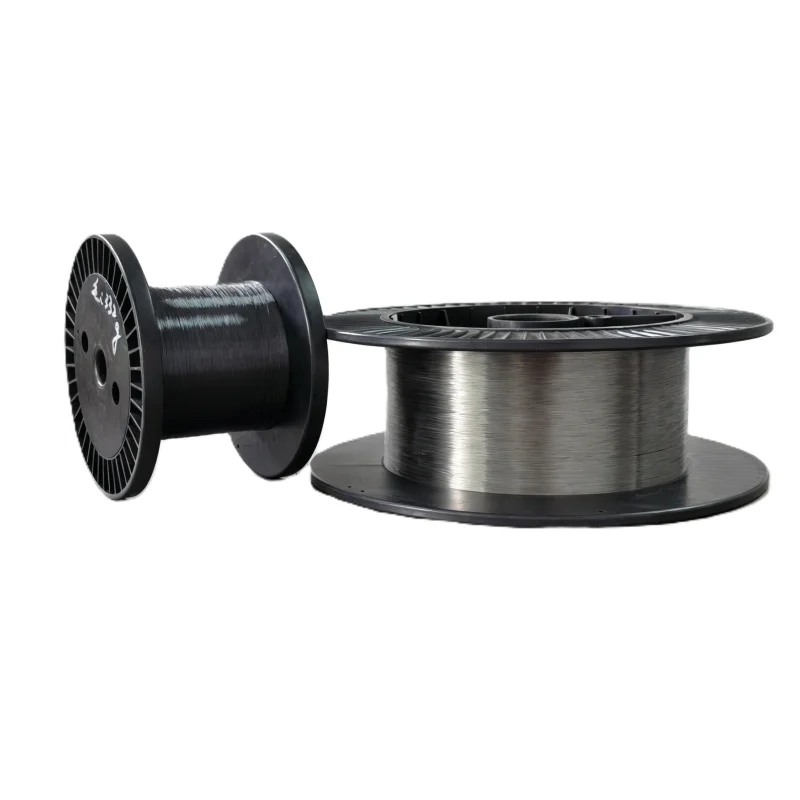
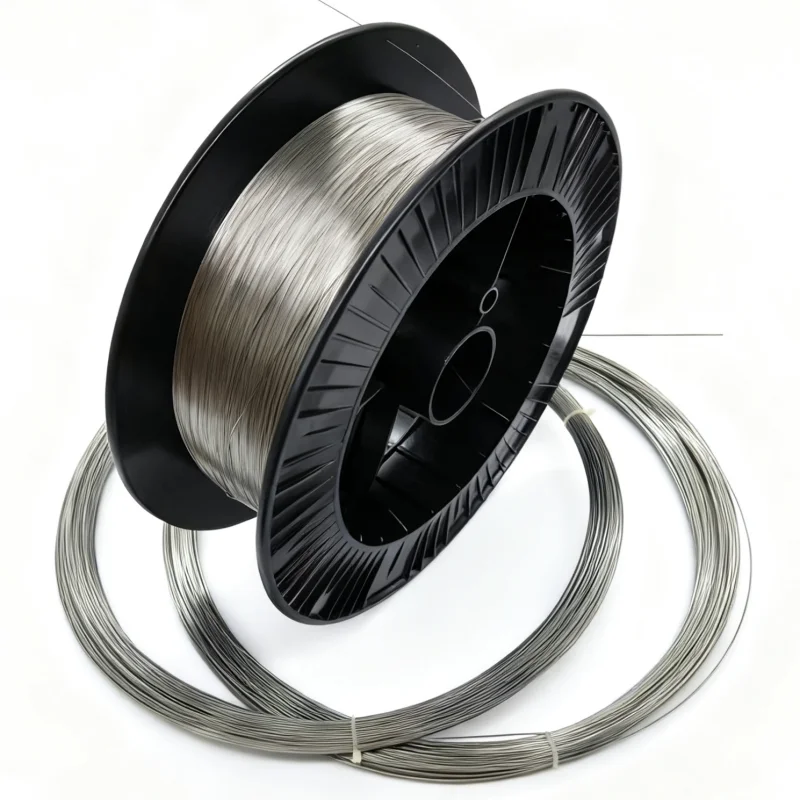
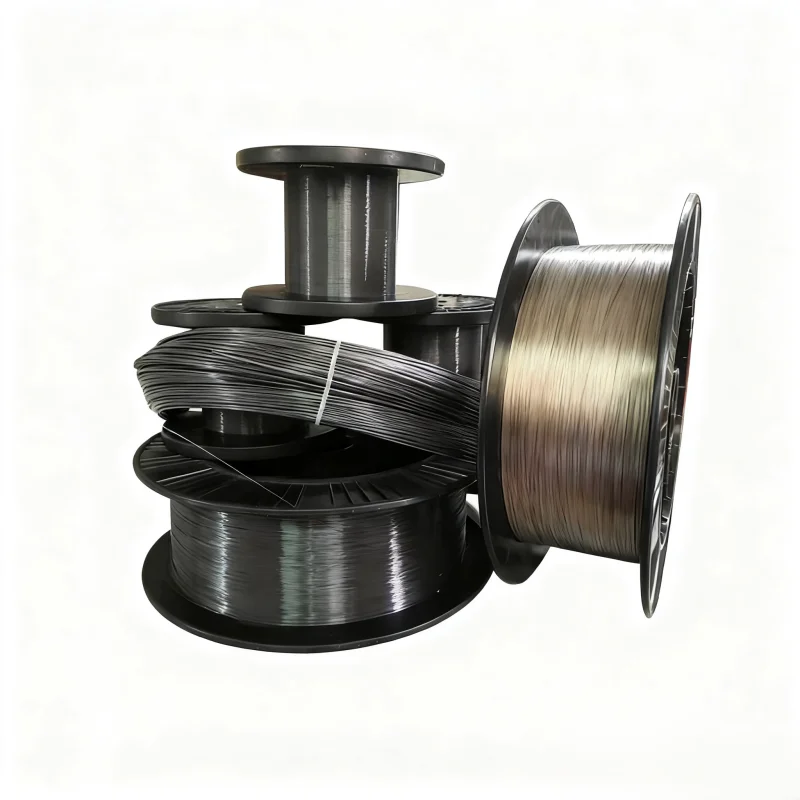
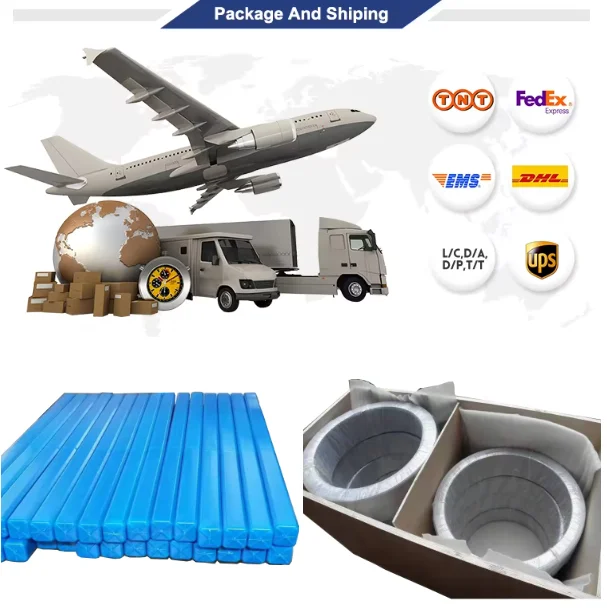
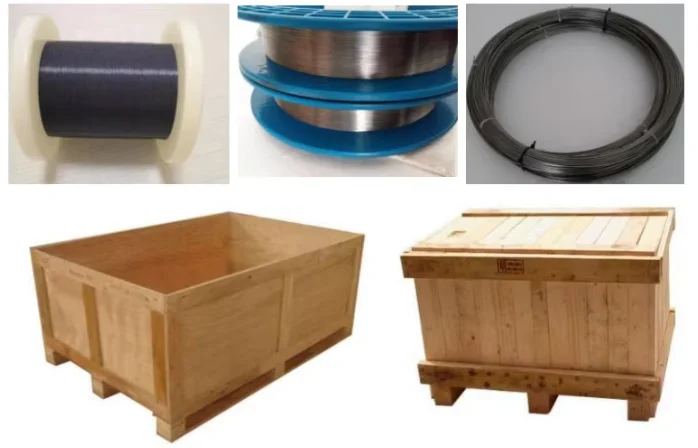
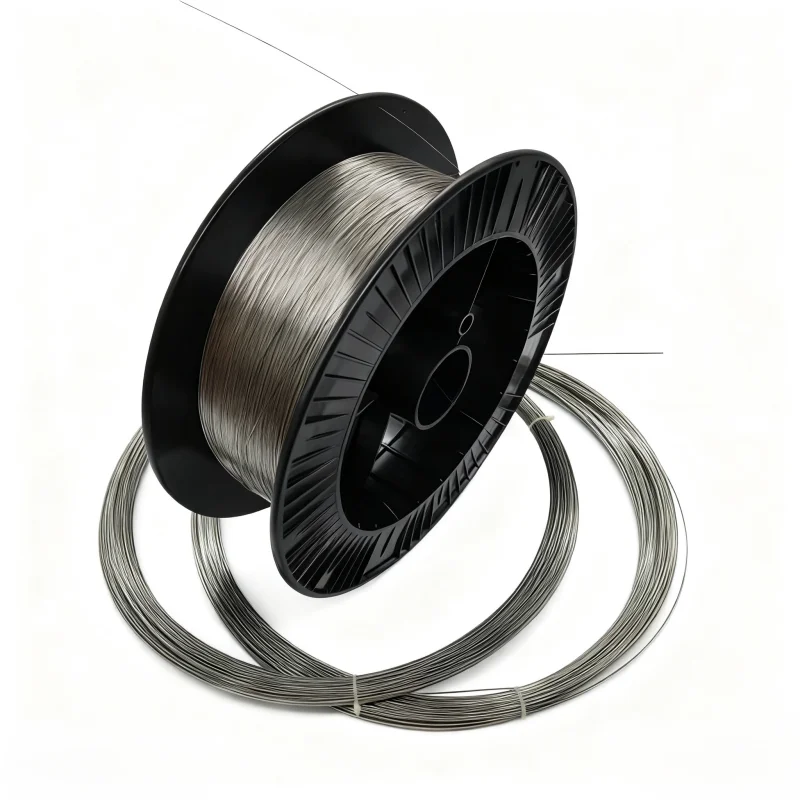
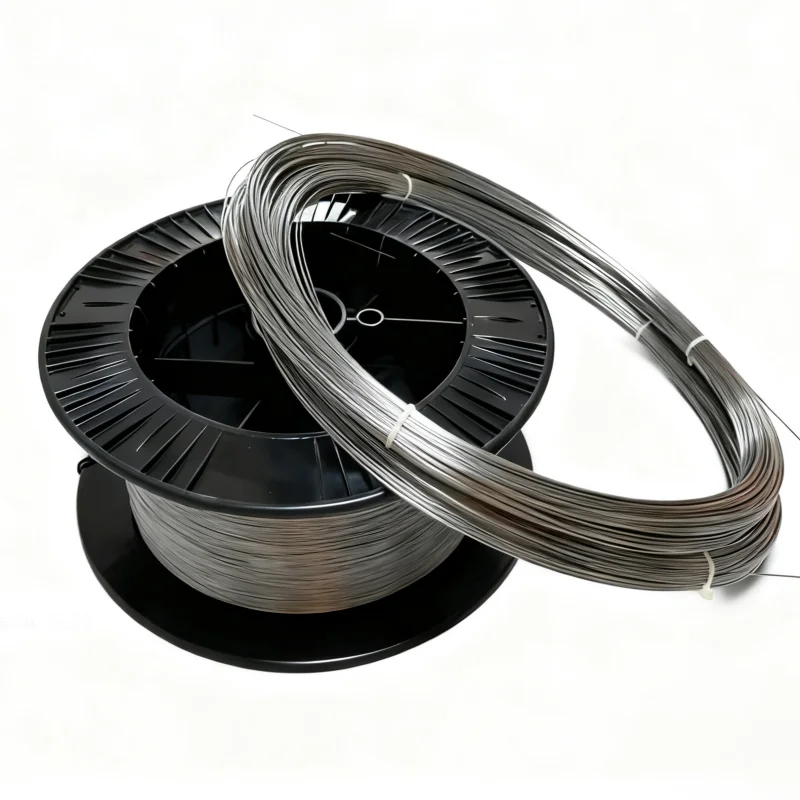
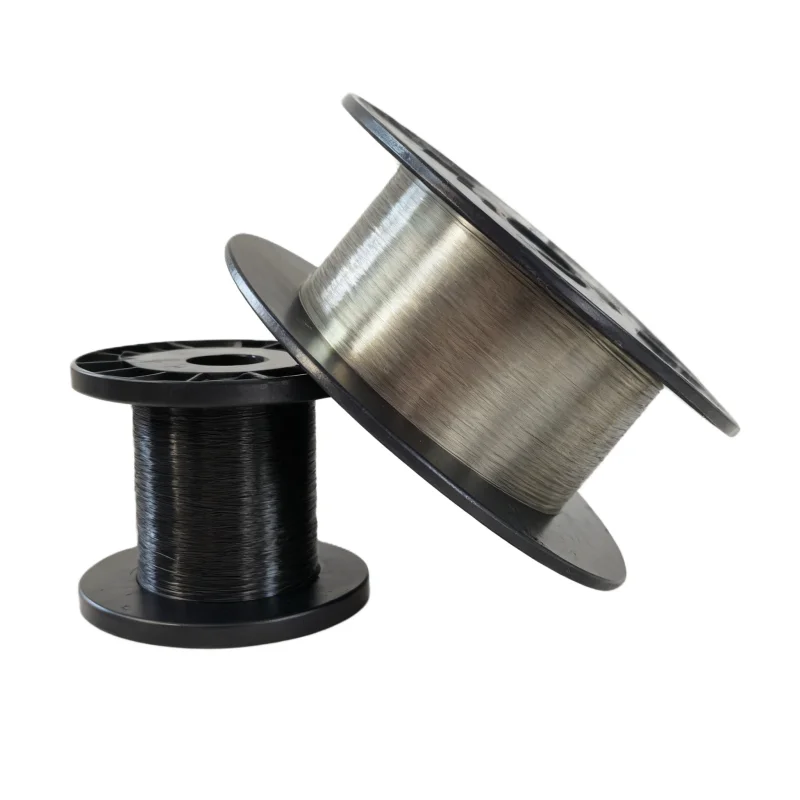
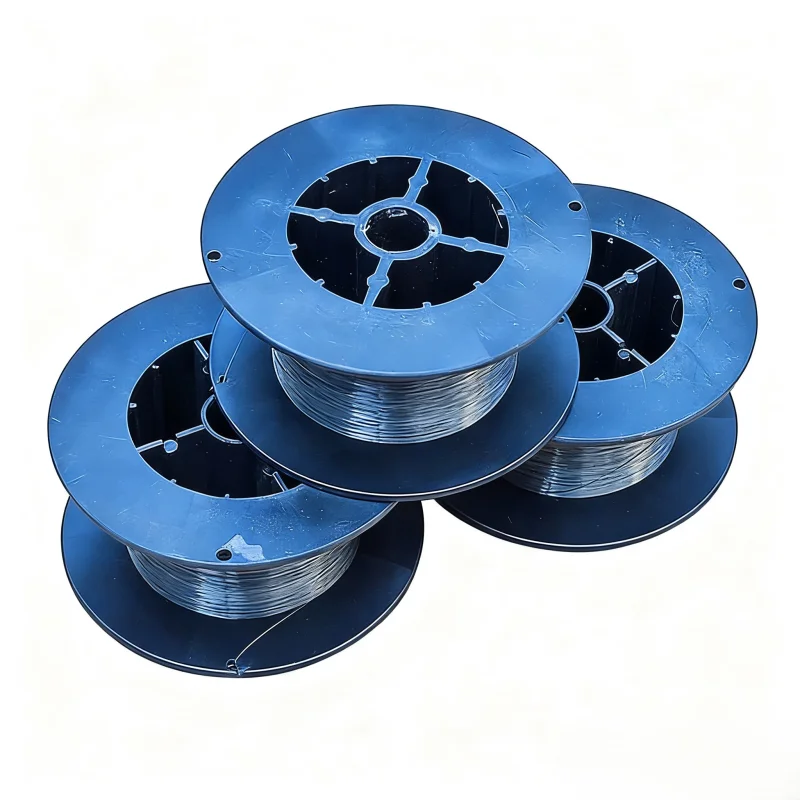
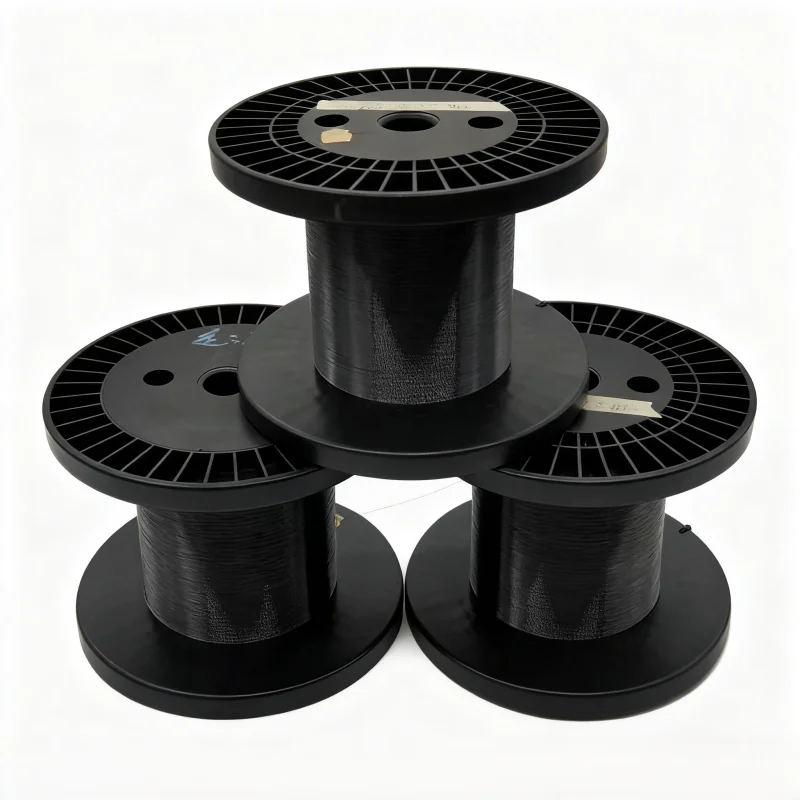
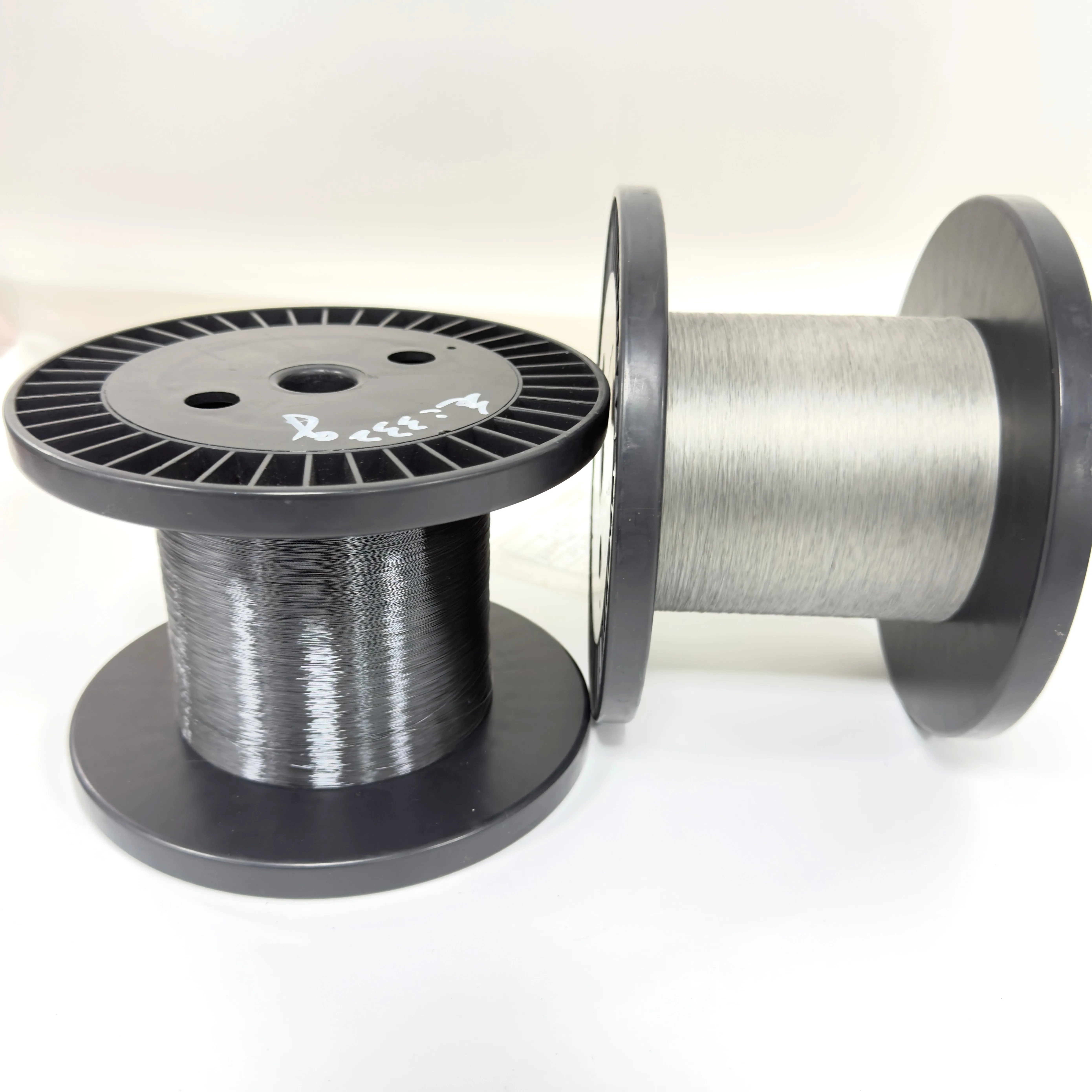
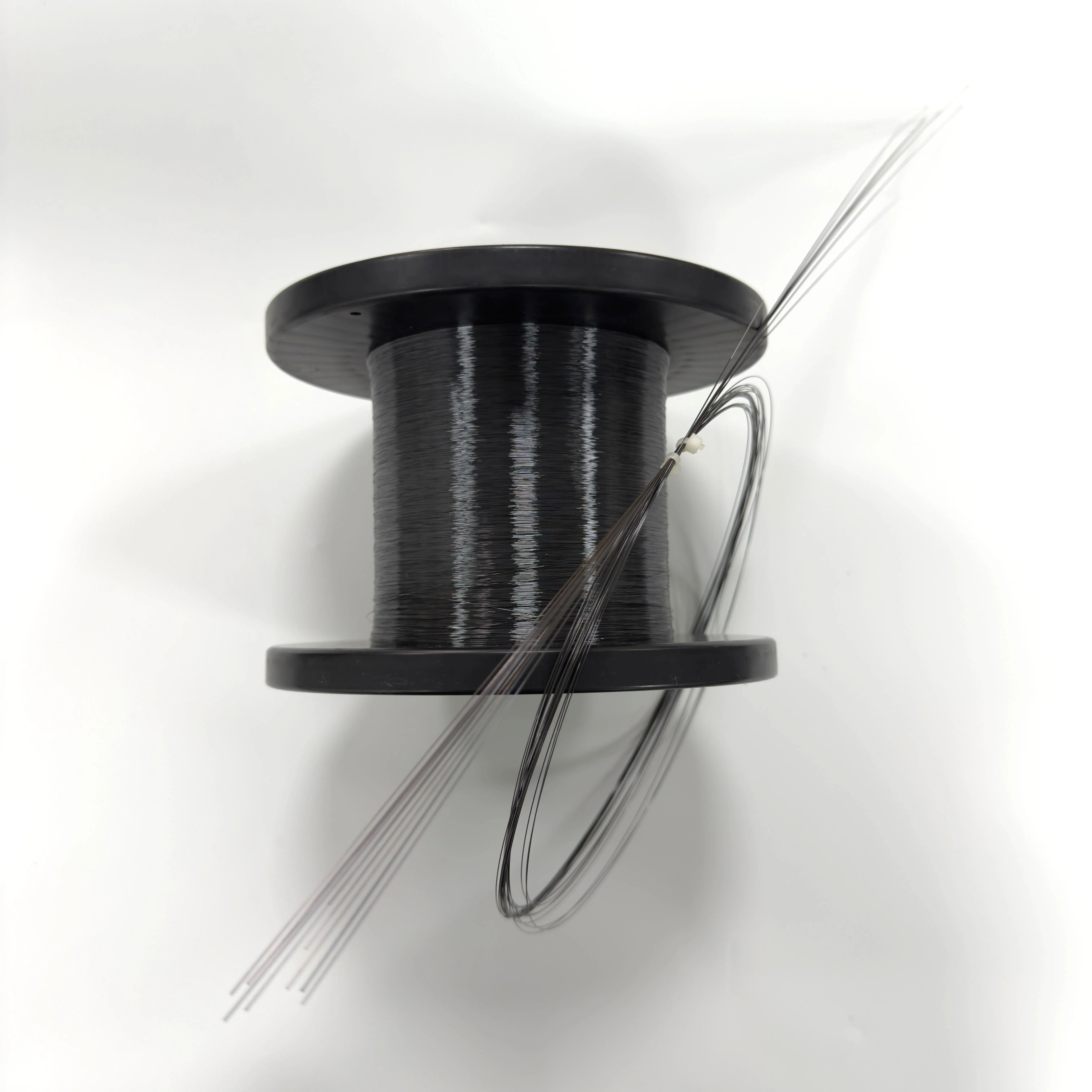
Proper packaging of superelastic nitinol wire protects material integrity during transportation and storage while facilitating efficient handling in manufacturing environments. Spools, coils, and straight lengths of medical grade nitinol are packaged using methods that prevent mechanical damage, contamination, and oxidation that could compromise material properties or device performance. Protective atmospheres and barrier materials employed in ASTM F2063 wire packaging maintain surface cleanliness essential for medical device manufacturing cleanroom requirements.
Global distribution networks supporting superelastic nitinol wire supply ensure reliable material availability for medical device manufacturers regardless of geographic location. Strategic inventory positioning and responsive logistics capabilities minimize lead times while maintaining the quality standards expected of medical grade nitinol products. Documentation accompanying ASTM F2063 wire shipments includes certificates of conformance, material test reports, and traceability information supporting quality system requirements and regulatory compliance verification.
Established relationships with international freight carriers experienced in handling sensitive materials ensure that superelastic nitinol wire shipments arrive in optimal condition. Temperature and humidity controls implemented throughout the distribution chain protect medical grade nitinol from environmental conditions that could affect surface characteristics or mechanical properties. The reliable supply chain supporting ASTM F2063 wire delivery enables medical device manufacturers to maintain production schedules and fulfill commitments to healthcare providers worldwide.
Why Our Superelastic Guide Wire Nitinol Wire Medical Grade ASTM F2063 Stands Apart
Our company has established a distinguished reputation in international markets through consistent delivery of premium superelastic nitinol wire products that meet the exacting standards of leading medical device manufacturers worldwide. Extensive experience collaborating with innovative companies across cardiovascular, neurological, and orthopedic specialties has refined our understanding of how medical grade nitinol properties translate into clinical performance advantages. This accumulated expertise enables us to provide not merely wire products, but comprehensive materials solutions that address the complex challenges inherent in modern medical device development.
Investment in advanced manufacturing technologies ensures that our ASTM F2063 wire production maintains industry-leading consistency and quality standards. Rigorous process controls at every production stage guarantee that superelastic nitinol wire leaving our facilities exhibits the mechanical properties, surface characteristics, and dimensional precision essential for demanding medical applications. Our quality management system encompasses comprehensive traceability protocols and validation procedures that provide customers with confidence in material performance and regulatory compliance.
Technical support services distinguish our medical grade nitinol offerings from commodity wire suppliers, providing customers with access to materials science expertise and application engineering guidance throughout product development and commercialization phases. Whether optimizing ASTM F2063 wire specifications for novel device concepts or troubleshooting manufacturing challenges, our team collaborates closely with customers to achieve their technical and commercial objectives. This partnership approach has made us a trusted supplier of superelastic nitinol wire for medical device innovators pursuing regulatory approval and market success across global healthcare markets.
Conclusion: Advancing Medical Device Innovation
The Superelastic Guide Wire Nitinol Wire Medical Grade ASTM F2063 represents a critical enabling technology for the minimally invasive medical procedures that define modern healthcare practice. As clinical demands evolve and patient populations require increasingly sophisticated treatment options, the unique properties of superelastic nitinol wire continue to inspire device innovations addressing previously intractable medical challenges. Manufacturers selecting medical grade nitinol conforming to ASTM F2063 wire specifications gain access to material performance characteristics unattainable with conventional metallic alternatives, creating competitive advantages in crowded medical device markets.
The comprehensive quality framework surrounding superelastic nitinol wire production, combined with extensive customization capabilities and responsive technical support, positions medical grade nitinol as the material of choice for device developers pursuing regulatory approval and commercial success. From initial concept exploration through high-volume manufacturing, ASTM F2063 wire suppliers provide the materials expertise and supply chain reliability essential for bringing innovative medical devices to market efficiently. As healthcare systems worldwide increasingly adopt minimally invasive approaches, demand for premium superelastic nitinol wire products will continue expanding, making material selection and supplier partnerships crucial strategic decisions for medical device companies. The unique combination of mechanical performance, biocompatibility, and manufacturing consistency embodied in medical grade nitinol ensures its continued prominence as a foundational material enabling the next generation of life-saving and life-enhancing medical technologies.
Item |
Superelastic Shape Memory Alloy Nitinol Wires for Medical |
Surface |
Black, Light Oxide, Gloss, Ground |
Standard |
ASTM F2063-2018 or GB 24627-2009 |
Shape |
Round, Square,Flat,Rope |
Material |
Nickel, Titanium |
Size |
0.01mm - 7.0mm |
AF |
-25℃ - 110℃ |
Processing Service |
Bending, Welding, Decoiling, Cutting, Punching |