
 EN



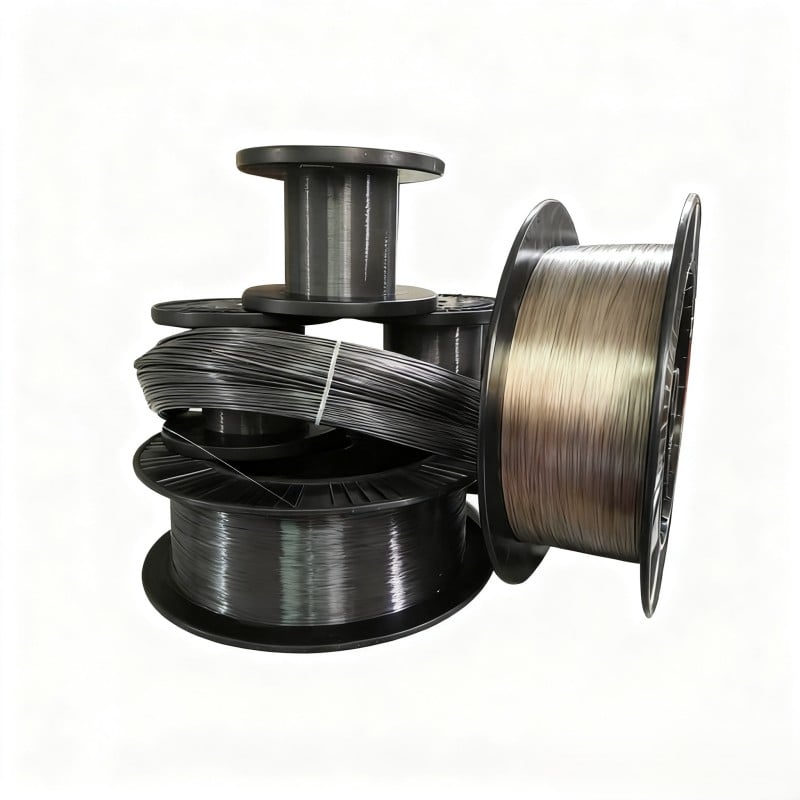
When engineers and product designers evaluate actuation technologies, the choice between sma wire and traditional electromagnets fundamentally shapes system performance, cost, and reliability. sma wire represents a paradigm shift in how mechanical motion is generated, offering distinct technical and operational advantages that electromagnets cannot match across multiple critical dimensions. Understanding these differences is essential for making informed decisions in automation, robotics, aerospace, and industrial control applications where precision, efficiency, and durability directly impact competitive advantage.
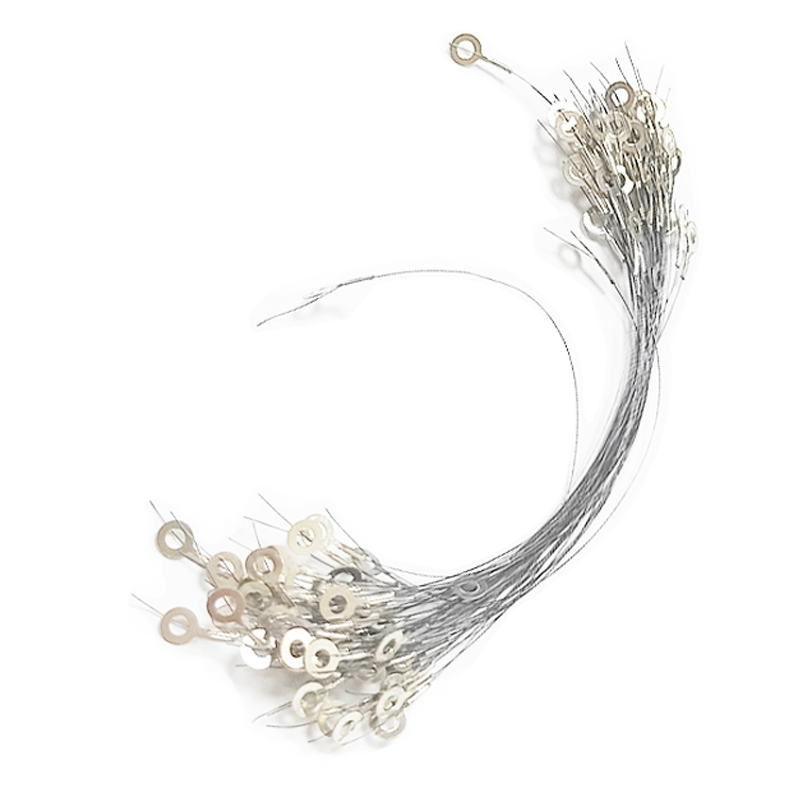
sma wire operates through a fundamentally different mechanism than electromagnets, converting thermal energy into mechanical motion via crystalline phase transformation. This inherent difference creates performance characteristics that electromagnets struggle to replicate, including silent operation, compact form factors, and exceptional energy efficiency. Industries from medical device manufacturing to aerospace propulsion systems have begun standardizing on sma wire technologies specifically because the competitive advantages compound across cost, lifecycle, and system integration metrics.
Energy Efficiency and Power Consumption Advantages
How SMA Wire Reduces Operating Costs
One of the most compelling advantages of sma wire over electromagnets lies in energy consumption profiles. Electromagnets require continuous current flow to maintain magnetic force, generating substantial heat dissipation and electrical losses throughout operation. In contrast, sma wire consumes power only during the phase transformation process—the heating cycle that triggers contraction. Once the desired position is achieved, sma wire maintains that position passively without drawing additional current, fundamentally reducing system power demand. For applications running continuous duty cycles or demanding rapid actuation events, this efficiency gap translates directly into lower electricity costs, reduced thermal management requirements, and extended battery life in portable systems.
Thermal Management and System Cooling
Electromagnets dissipate significant heat during operation, requiring dedicated cooling systems, heat sinks, and sometimes forced-air circulation to prevent thermal damage. sma wire technology eliminates most of this thermal overhead. Because sma wire requires power only during transition phases and cooling occurs naturally through ambient exposure or passive radiators, system designs can omit expensive cooling infrastructure. This advantage becomes particularly pronounced in enclosed environments, miniaturized devices, or applications where thermal load would otherwise compromise nearby components. The reduced cooling burden also improves reliability by lowering junction temperatures and extending component lifespan across the entire system architecture.
Mechanical Design and Compactness Benefits
Superior Space Efficiency in Compact Applications
Electromagnets require bulky coils, ferrous cores, and substantial current delivery infrastructure to generate meaningful force. sma wire achieves comparable actuation forces in dramatically smaller physical envelopes. A single strand of sma wire measuring just a few millimeters in diameter can generate forces equivalent to electromagnets occupying ten to fifty times the volume. This geometric advantage makes sma wire the enabling technology for miniaturized robotics, precision surgical instruments, aerospace actuators, and portable devices where space constraints are uncompromisable. Engineers using sma wire gain the freedom to design more ergonomic, lighter-weight, and more densely integrated systems without sacrificing actuation capability.
Weight Reduction and Material Efficiency
Because sma wire generates force through material property transformation rather than electromagnetic fields, the technology eliminates entire classes of heavy components—ferrous cores, copper windings, support structures, and heat dissipation apparatus. The weight savings from adopting sma wire over electromagnets can exceed 70% for equivalent force output in aerospace and vehicle applications. Lighter actuation systems improve fuel efficiency, increase payload capacity, and reduce structural stress on supporting frames. In applications where weight directly impacts performance metrics—aircraft, drones, mobile robotics—sma wire provides a decisive competitive advantage by enabling mass reduction without compromising functional requirements.
Operational Characteristics and System Integration
Silent Operation and Vibration Elimination
Electromagnets generate audible noise and vibration through magnetic coil harmonics, relay clicking, and mechanical switching events. sma wire operates in complete silence because no electromagnetic pulses, coil oscillations, or switching transients occur during actuation. This acoustic advantage makes sma wire invaluable for medical devices, consumer electronics, hearing protection systems, and any application where silent operation enhances user experience or system stealth. The absence of vibration also eliminates mechanical stress on mounting points, improves measurement accuracy in sensitive instruments, and allows integration into noise-sensitive environments like precision laboratories or residential settings where electromagnetic actuators would be prohibitively disruptive.
Reliability and Environmental Durability
Electromagnets suffer from reliability challenges including coil insulation degradation, contact wear and erosion, corrosion of ferrous components, and susceptibility to electromagnetic interference. sma wire exhibits exceptional environmental durability because the material itself performs the actuation function—there are no moving electrical contacts, brush assemblies, or vulnerable coil insulation to degrade. sma wire operates reliably across extreme temperature ranges, survives repeated cycling with minimal fatigue, and requires no maintenance or replacement until true material fatigue occurs after millions of cycles. In harsh industrial environments, chemical exposures, or radiation-intensive applications, sma wire delivers superior uptime because the actuation mechanism is inherently simpler and more robust than electromagnetically-dependent systems.
Application-Specific Performance Advantages
Medical and Precision Device Applications
Medical devices demand silent, biocompatible, and highly reliable actuation. sma wire meets these requirements because the technology generates no electromagnetic fields, produces no acoustic noise, and the material demonstrates exceptional biocompatibility when properly alloyed. Surgical robots, prosthetic actuators, drug delivery systems, and diagnostic instruments increasingly rely on sma wire because electromagnets create electromagnetic interference, generate unacceptable noise in sterile environments, and present regulatory certification challenges. The compact form factor of sma wire also enables minimally-invasive device designs that reduce patient trauma and recovery time.
Aerospace and Space-Constrained Systems
Aerospace applications exemplify why engineers prefer sma wire over electromagnets. Aircraft and spacecraft require actuation systems with minimal weight, maximum reliability, silent operation, and the ability to function across extreme temperature variations. sma wire satisfies all these demands simultaneously. Spacecraft de-orbit mechanisms, aircraft control surface actuators, and satellite deployment systems increasingly use sma wire because electromagnets would require excessive power generation capacity, multiple thermal control systems, and create unacceptable mass penalties. The single-fault tolerance and passive position-holding capability of sma wire also simplifies fault-management architecture in mission-critical aerospace systems where failure is unacceptable.
FAQ
Does SMA wire require less maintenance than electromagnets?
Yes, sma wire requires substantially less maintenance. Electromagnets demand regular inspection of coil insulation, contact cleaning, brush replacement, and thermal management system servicing. sma wire requires minimal maintenance because the actuation mechanism involves no moving electrical contacts, wear surfaces, or components prone to degradation from use. Once properly installed, sma wire systems operate reliably for years without intervention, reducing operational costs and unplanned downtime.
Can SMA wire handle the same force outputs as electromagnets?
Absolutely. sma wire can generate force outputs equivalent to or exceeding electromagnets, but in a much smaller package. A thin strand of sma wire can produce thousands of newtons of contraction force, comparable to large electromagnets. The difference is that sma wire achieves this performance with minimal volume, weight, and power consumption, making it superior for most modern applications where space and efficiency matter.
What are the cost differences between SMA wire and electromagnets?
Initial material costs for sma wire may be higher than copper windings, but total cost-of-ownership strongly favors sma wire due to reduced power consumption, eliminated cooling infrastructure, minimal maintenance, and longer operational lifespan. In high-volume production, sma wire systems also simplify assembly and reduce overall system complexity, offsetting material cost premiums and delivering better financial returns across the product lifecycle.