
 EN



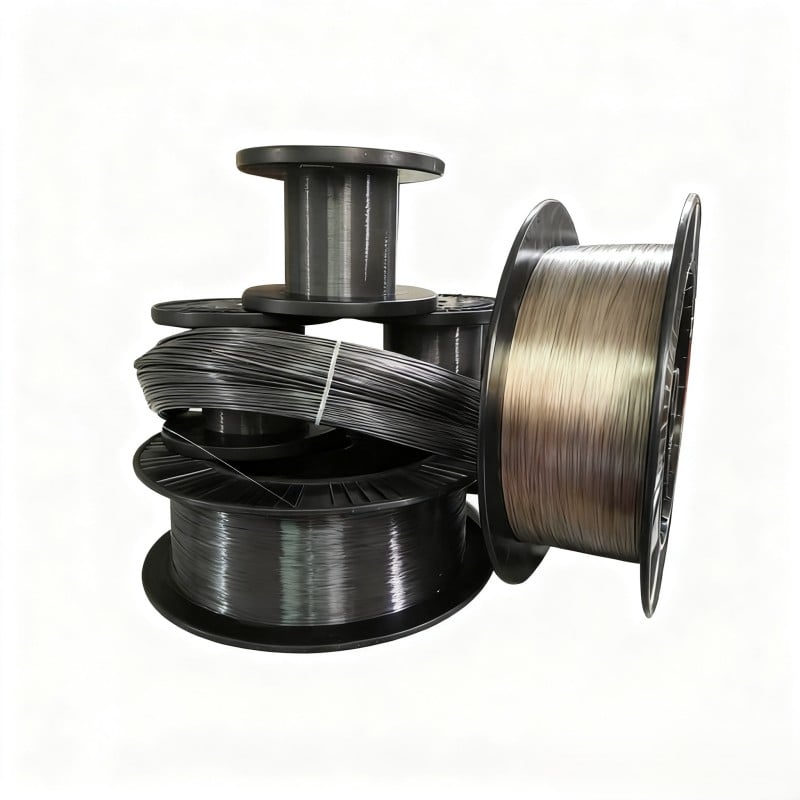
Orthodontic treatment for crowded teeth demands precise force delivery over extended periods, and the choice of arch wire directly impacts treatment efficiency and patient comfort. Traditional stainless steel arch wires have dominated the field for decades, but modern Nitinol superelastic arch wire technology offers distinct advantages that have transformed how clinicians approach complex cases. The unique properties of Nitinol arch wire make it particularly valuable when managing severe crowding, where consistent, gentle pressure is essential for successful tooth movement and long-term stability.
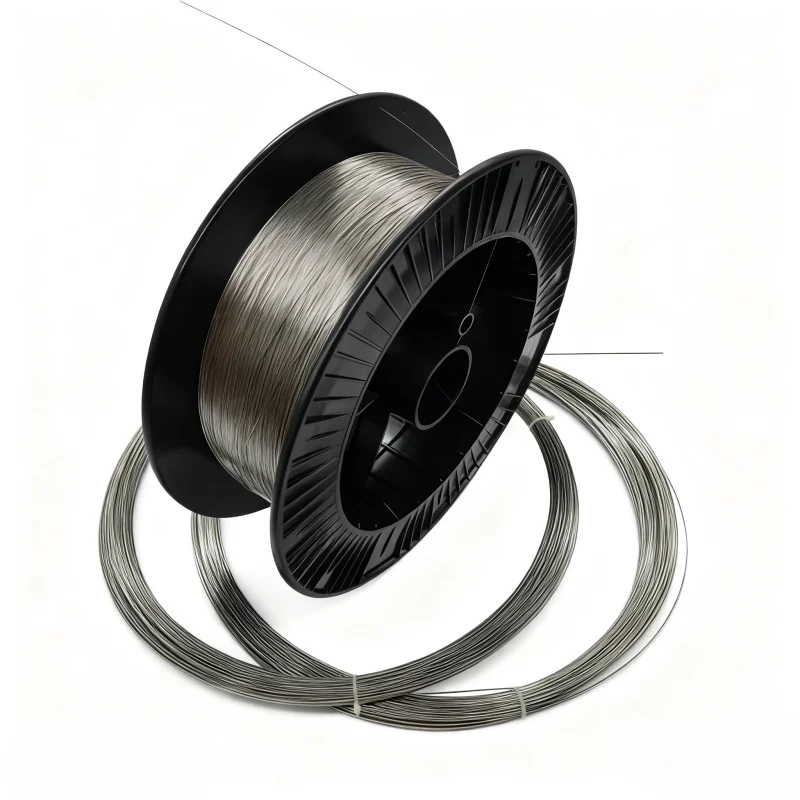
The superelastic nature of Nitinol arch wire distinguishes it fundamentally from conventional materials by maintaining near-constant force levels throughout the activation range. This characteristic transforms clinical practice by reducing the number of adjustment appointments required and improving predictability in tooth movement sequences. For patients with crowded teeth, a reliable arch wire that delivers consistent force without shocking loads creates the ideal biological environment for steady, efficient correction while minimizing discomfort and root resorption risks.
Understanding Nitinol Arch Wire Superelasticity
The Physics of Superelastic Behavior
Superelasticity in Nitinol arch wire occurs through a unique phase transformation mechanism called stress-induced martensitic transformation. When an arch wire is activated during placement or adjustment, the material shifts from its austenitic state to a martensitic phase, absorbing the mechanical stress without permanent deformation. This transformation allows the arch wire to return to its original shape when the deflecting force is removed, rather than remaining permanently bent as stainless steel does. The result is that Nitinol arch wire maintains remarkably consistent force delivery across a much wider range of tooth positions than conventional arch wires.
Comparison with Traditional Arch Wire Materials
Traditional stainless steel arch wire behaves elastically within a limited range, beyond which it permanently deforms and loses effectiveness. A Nitinol arch wire, by contrast, can be activated to much greater deflections while still maintaining its original geometry and force characteristics. This means a single Nitinol arch wire can manage more severe crowding without requiring replacement, whereas clinicians using stainless steel arch wire must sequence through multiple wire sizes. For crowded teeth cases, the extended range of a superelastic arch wire reduces the overall number of appointments and wire changes needed throughout treatment.
Clinical Advantages for Crowded Teeth Treatment
Consistent Force Delivery Throughout Alignment
The hallmark advantage of Nitinol arch wire in crowded cases is its ability to deliver nearly constant force as teeth move into alignment. In crowded teeth scenarios, the initial misalignment often exceeds what a stainless steel arch wire can accommodate without permanent deformation. A superelastic arch wire can be inserted at a large activation, yet it continues to exert predictable pressure as the teeth gradually move into better positions. This consistency eliminates the force degradation that occurs with traditional arch wires, where force drops significantly between appointments. Clinical studies demonstrate that patients treated with Nitinol arch wire experience more uniform tooth movement and faster overall alignment of crowded teeth.
Reduced Treatment Time and Patient Visits
Because Nitinol arch wire maintains its force characteristics across a broader activation range, fewer wire changes are necessary to complete the alignment phase. Patients with crowded teeth can benefit from extended intervals between adjustments, reducing the total number of orthodontic visits required. This efficiency translates directly into shorter overall treatment duration and decreased financial burden on patients. Additionally, fewer adjustments mean less chairside time spent on mechanical manipulation of the dentition, allowing clinicians to focus on other aspects of treatment planning and refinement.
Improved Patient Comfort and Biological Response
The near-constant force profile of superelastic arch wire creates a more physiologically favorable environment for tooth movement. Crowded teeth require gradual, gentle pressure to move through bone tissue without triggering excessive inflammation or root resorption. A Nitinol arch wire delivers this ideal force pattern, preventing the force spikes that occur when conventional arch wires are first placed or as they activate beyond their elastic limit. Patients report less discomfort with Nitinol arch wire, particularly during the initial alignment phase when teeth are most severely crowded. This improved biological response helps preserve root structure and periodontal health during the demanding process of uncrowding teeth.
Practical Implementation and Performance Considerations
Wire Selection and Activation Protocols
Selecting the appropriate arch wire size and activation level is essential to maximize the benefits of Nitinol technology. An arch wire must be sized to fit the bracket slots without creating excessive friction while still engaging crowded teeth effectively. For severely crowded teeth, clinicians often begin with a smaller diameter arch wire and progress to larger sizes as teeth move into alignment. The superelastic properties of Nitinol arch wire mean that activation can be more aggressive than with stainless steel arch wire because the material will not permanently deform. Understanding the temperature-dependent behavior of arch wire in the mouth ensures that the chosen activation remains effective across varying patient conditions.
Bracket Slot Compatibility and Wire Engagement
The effectiveness of any arch wire depends on proper engagement within bracket slots and consistent contact with teeth throughout the alignment sequence. Nitinol arch wire must be compatible with the bracket system in use, typically 0.022-inch or 0.018-inch slots. The flexibility of a superelastic arch wire allows it to adapt to severe crowding while maintaining contact with all teeth in the arch, even when initial malpositions are extreme. This adaptability is a significant advantage over rigid stainless steel arch wire, which may lose contact with severely displaced teeth and fail to create the necessary corrective forces. Proper ligation technique ensures that the arch wire remains engaged throughout the treatment phase.
Long-Term Durability and Hygiene Considerations
Nitinol arch wire exhibits excellent corrosion resistance due to the protective oxide layer that forms on its surface. This durability means the wire maintains its superelastic properties throughout extended treatment periods without degradation. However, patients must maintain excellent oral hygiene because food debris and bacterial accumulation can compromise the wire-bracket interface. The smooth surface of a quality arch wire facilitates plaque control and reduces the harboring sites for periodontal pathogens. Regular cleaning around the arch wire during treatment prevents complications that could extend the overall duration of orthodontic therapy.
FAQ
Why is Nitinol arch wire preferred over stainless steel for severe crowding?
Nitinol arch wire offers superelastic properties that maintain consistent force delivery across a much wider activation range than stainless steel. For severe crowding, this means a single arch wire can manage greater tooth misalignments without permanent deformation or force degradation. Stainless steel arch wire becomes permanently bent when over-activated, requiring frequent replacements to achieve the same level of correction. The superior force consistency of Nitinol arch wire also creates a more physiologically favorable environment for teeth to move through bone, reducing patient discomfort and minimizing root resorption during the demanding alignment phase.
How does superelasticity in arch wire improve treatment outcomes?
Superelasticity allows an arch wire to return to its original shape after deflection, maintaining force consistency as teeth gradually move into alignment. This characteristic eliminates the force fluctuations that occur with conventional materials and extends the interval between appointments. For crowded teeth treatment, consistent force delivery accelerates tooth movement, improves treatment predictability, and reduces the total number of appointments required. The biological response to steady, appropriate force is superior to intermittent or excessive force patterns, resulting in faster bone remodeling and more stable tooth positions after treatment completion.
Can a single Nitinol arch wire complete alignment of severely crowded teeth?
In many cases, a single superelastic arch wire can manage more severe crowding than would be possible with traditional materials, significantly reducing the number of wire changes needed. However, most treatment plans still progress through a sequence of arch wires as teeth gradually move and the arch dimensions change. The advantage of Nitinol arch wire is that fewer progressions are necessary because each wire can accommodate a broader range of tooth positions. Starting with a smaller diameter arch wire and progressing to larger sizes as crowding resolves remains the standard approach, but the superelastic properties of Nitinol mean that each wire performs effectively across a wider activation range than stainless steel alternatives.