
 EN



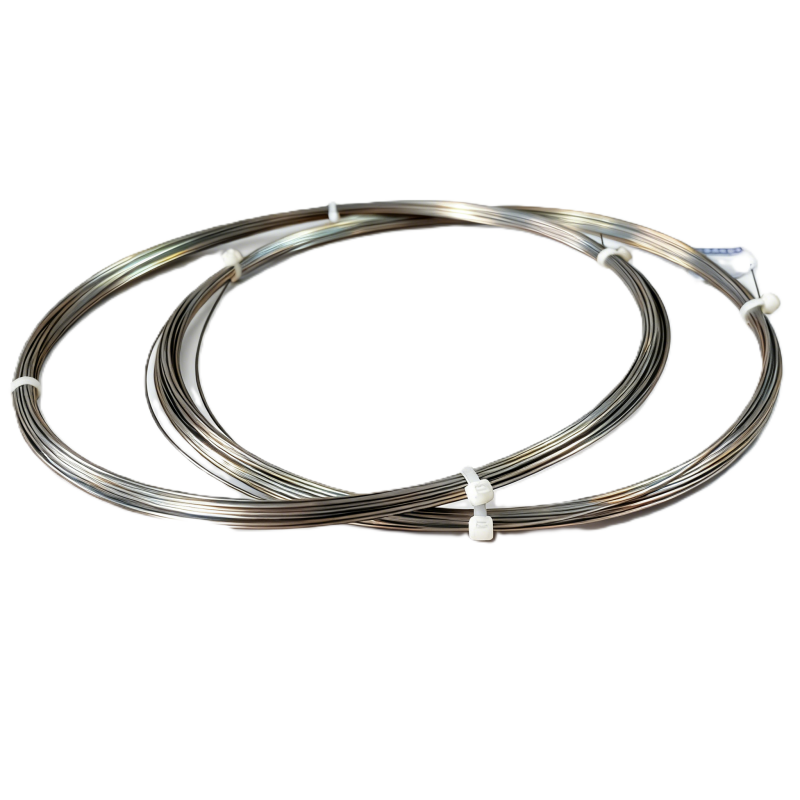
Selecting the right arch wire is one of the most critical decisions in early orthodontic treatment. An arch wire serves as the primary tool for guiding tooth movement, and its ability to deliver consistent force directly impacts treatment efficiency, patient comfort, and clinical outcomes. Traditional stainless steel arch wires have dominated orthodontics for decades, but modern arch wire materials, particularly nitinol, have revolutionized how orthodontists approach tooth alignment. Understanding why an arch wire made from nitinol provides more consistent force in early orthodontics requires examining the material science, mechanical behavior, and practical clinical implications that distinguish this arch wire from conventional alternatives.
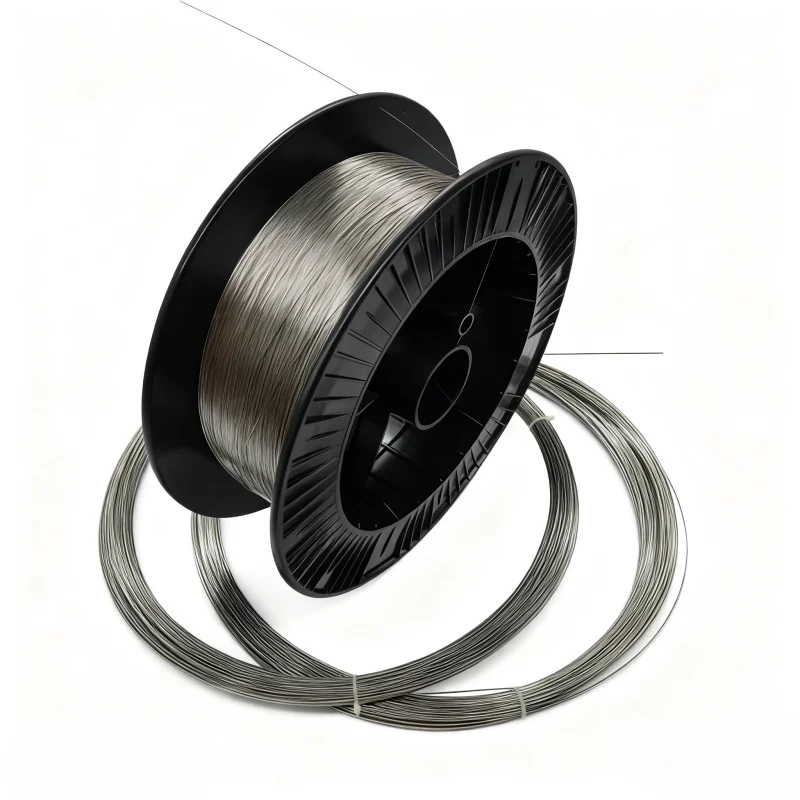
In early orthodontic treatment, consistency in force delivery is paramount. An arch wire must maintain predictable force levels as teeth move and the wire activates within the bracket slot. Nitinol-based arch wires excel in this regard due to their superelastic properties, which allow them to return to their original shape even after significant deflection. This characteristic means that a nitinol arch wire can deliver nearly constant force over a wider range of tooth movement compared to stainless steel, reducing the need for frequent adjustments and wire changes during initial alignment phases.
The Material Science Behind Nitinol Arch Wire Performance
Understanding Superelasticity in Arch Wire Design
Nitinol, a nickel-titanium alloy, possesses a unique crystalline structure that undergoes stress-induced phase transformation. When an arch wire made from nitinol is bent or deflected, the material transforms from its austenitic phase to its martensitic phase without permanent deformation. This transformation is the foundation of superelasticity. Unlike conventional materials, an arch wire engineered from nitinol can be repeatedly flexed and still return to its original configuration, making it ideal for the dynamic environment of early orthodontics where teeth are gradually repositioning.
The plateau-like force delivery of a superelastic arch wire represents a major advantage over linear force materials. As an arch wire deflects, the force it exerts remains nearly constant across a broad activation range. This means a single arch wire can maintain therapeutic force levels throughout multiple millimeters of tooth movement without the dramatic drop-off seen in stainless steel. For practitioners, this translates to fewer emergency visits, reduced wire failures, and more predictable treatment timelines. The arch wire's ability to sustain force consistency is particularly valuable during the initial alignment phase when teeth require gentle, sustained guidance.
Comparing Mechanical Properties Across Arch Wire Materials
Stainless steel arch wires have been the industry standard because they offer high stiffness and adequate strength, but they exhibit linear force-deflection curves. As stainless steel arch wires engage teeth and activate, force levels drop sharply once deflection reaches certain thresholds. This necessitates frequent adjustments and arch wire replacements to maintain therapeutic force. Conversely, a nitinol arch wire demonstrates a fundamentally different mechanical signature. The plateau region in force delivery means that despite significant wire deflection, the arch wire maintains relatively constant force output, reducing the frequency of clinical interventions required.
Beta-titanium and other alternative arch wire materials offer compromises between stainless steel and nitinol characteristics. However, these materials do not match the consistent force profile that a well-formulated arch wire made from nickel-titanium alloy provides. The phase transformation mechanism unique to nitinol is simply not present in other commonly used arch wire alloys, making it the gold standard for early treatment phases where consistency matters most.
Clinical Advantages of Consistent Force from Arch Wire Technology
Reduced Treatment Duration and Patient Compliance
When an arch wire delivers consistent force, orthodontists can extend appointment intervals without sacrificing treatment progression. A traditional arch wire may require adjustment every four weeks; however, a nitinol arch wire can maintain therapeutic force over six to eight weeks, allowing patients to schedule appointments less frequently. This reduced appointment frequency directly improves patient compliance, particularly among younger patients in early orthodontics who may struggle with frequent clinic visits. The arch wire that maintains force consistency becomes a strategic tool for improving the overall patient experience while advancing treatment efficacy.
Reduced appointment frequency also decreases the total treatment time in many cases. Because a superelastic arch wire does not lose force effectiveness as quickly, the cumulative tooth movement per unit time increases. Patients complete their early orthodontic phase faster, leading to higher satisfaction and reduced long-term cost burdens. The arch wire's consistent performance reduces the need for interim adjustments and emergency visits caused by wire breakage or force loss.
Enhanced Biological Response and Tissue Compatibility
The constant force plateau provided by a properly designed arch wire aligns better with optimal biological responses in periodontal tissues. Research in orthodontic biomechanics demonstrates that teeth move most efficiently when subjected to consistent, moderate forces that fall within the 'optimal force range.' Stainless steel arch wires, with their declining force curves, often deliver excessive force initially, potentially causing tissue damage or discomfort. A nitinol arch wire, maintaining force within therapeutic windows, reduces tissue trauma and patient discomfort during early alignment.
This biological advantage extends to root resorption prevention. Excessive or erratic force delivery accelerates destructive root resorption in susceptible patients. By providing steady, predictable force, a superelastic arch wire minimizes the risk of iatrogenic complications. Early orthodontics, by definition, involves younger patients whose tissues are more responsive to force but also more vulnerable to damage. An arch wire formulated to deliver consistent force is therefore not merely convenient for clinicians but is fundamentally protective for patient biology.
Practical Implementation of Arch Wire Selection in Early Orthodontics
Wire Sequencing Protocols and Arch Wire Transitions
Modern early orthodontic protocols typically employ a stepped wire sequence, beginning with the smallest caliber superelastic arch wire in the initial phase. The smallest arch wire provides gentler force, optimal for first-stage tooth alignment. As teeth align, clinicians progress to larger caliber arch wires while maintaining the superelastic properties that make nitinol arch wire technology so valuable. This sequencing strategy leverages the consistent force characteristics of each arch wire to create a controlled, predictable treatment progression.
The decision to transition from a superelastic arch wire to a more rigid material comes only after initial alignment is substantially complete. Many clinicians delay this transition longer than traditional protocols suggested, recognizing that the consistent force delivery of a well-selected arch wire minimizes complications and improves overall outcomes. Understanding when and how to deploy different arch wire materials is central to contemporary early orthodontic practice, and the consistent force profile of nitinol arch wire technology forms the foundation of these decisions.
Clinical Troubleshooting and Arch Wire Optimization
Occasionally, clinicians encounter patients who do not respond optimally to standard arch wire sequences. Understanding the mechanical properties of different arch wire formulations helps practitioners adjust their strategy. Some patients require gentler initial force, suggesting a thinner superelastic arch wire in the first phase. Others may benefit from extended wear time on a particular arch wire before progression. The knowledge that a nitinol arch wire maintains force consistency across broader activation ranges empowers clinicians to make these nuanced decisions with confidence.
Temperature sensitivity is one consideration with superelastic arch wires; some formulations transition between austenite and martensite at temperatures near oral temperature, which can slightly alter force delivery. Modern arch wire manufacturers have optimized nitinol compositions to minimize this effect, creating arch wires that deliver remarkably stable force across the normal oral temperature range. This refinement demonstrates how the science of arch wire design continues to evolve, further improving the consistency benefits that make nickel-titanium alloys the preferred choice for early treatment phases.
FAQ
Why is consistent force delivery more important in early orthodontics than in later stages?
Early orthodontics involves younger patients whose teeth are more mobile and whose tissues respond more dramatically to force variations. An arch wire that delivers consistent force protects these developing tissues from trauma and ensures predictable, efficient tooth movement. In later treatment phases, teeth have already moved substantially and tissues have adapted; the arch wire mechanics become less critical. Early-stage treatment demands precision, making consistent force delivery a clinical priority.
Can stainless steel arch wires ever match the force consistency of nitinol arch wire products?
No, stainless steel and nitinol arch wire materials have fundamentally different mechanical signatures. Stainless steel exhibits linear force-deflection curves, meaning force drops as deflection increases. Nitinol's superelastic phase transformation creates a plateau effect that stainless steel cannot replicate. While stainless steel remains valuable for certain later-stage applications requiring high stiffness, it cannot provide the consistent force plateau that makes a nitinol arch wire superior for initial alignment phases.
How often should an arch wire be replaced during early orthodontic treatment?
With superelastic arch wire formulations, replacement intervals typically extend to six to eight weeks, compared to four weeks for traditional materials. However, the exact interval depends on the specific arch wire being used, the complexity of tooth movement required, and individual patient response. Clinicians monitor tooth alignment and force effectiveness at each appointment, adjusting the arch wire replacement schedule as needed. The consistent force profile of a quality arch wire allows orthodontists to optimize these intervals without compromising treatment outcomes.