
 EN




Choosing a mass-production source can lower more than the quoted price per length. For buyers evaluating nickel titanium wire, savings may come from production scale, purchasing efficiency, fewer changeovers, and more predictable replenishment. The value depends on matching specifications and order patterns to the supplier’s production process, rather than assuming that larger volume automatically means a lower total cost.
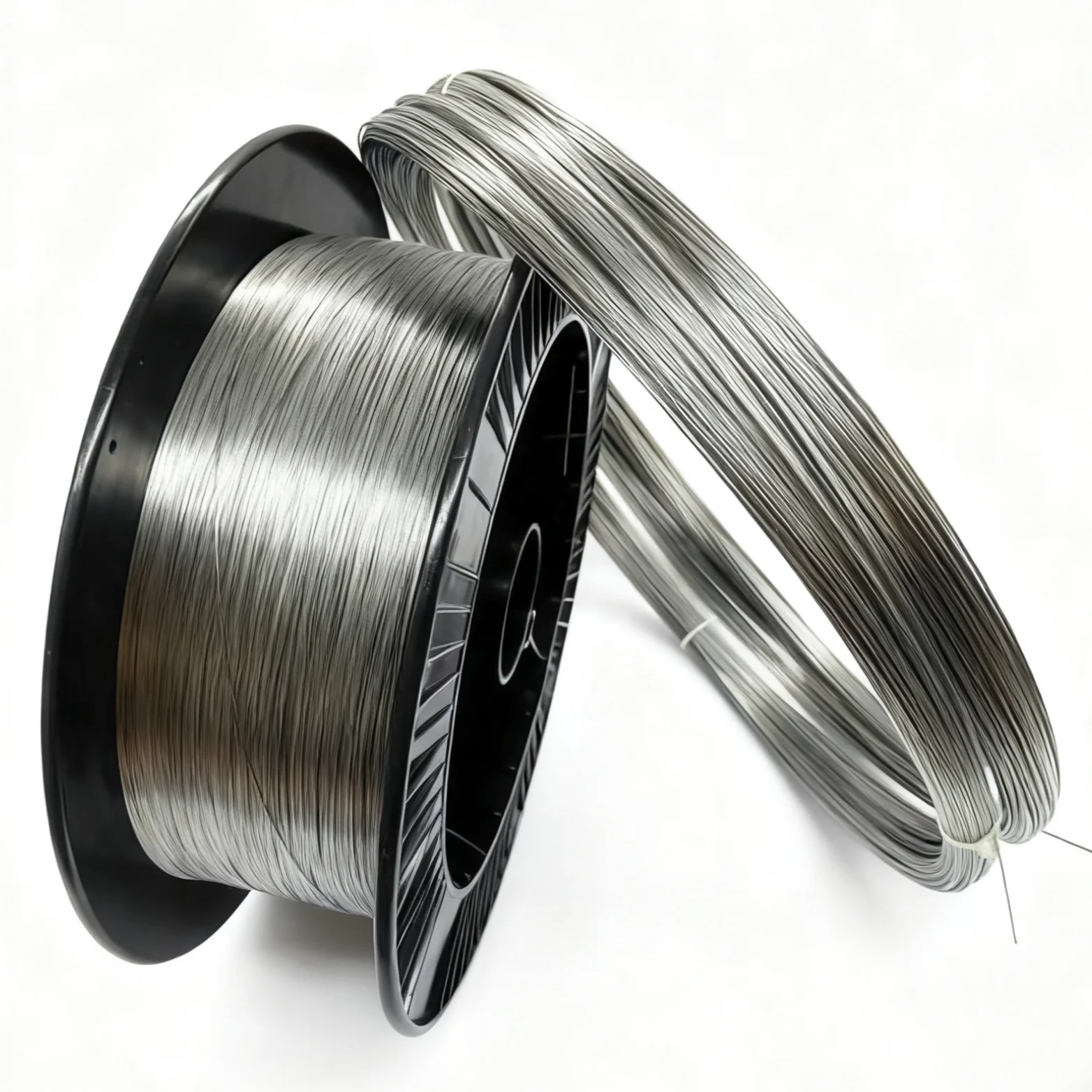
A sound cost review compares the full delivered and usable cost of nickel titanium wire. That means considering material price alongside inspection, scrap, handling, lead time, and administrative effort. A mass-production arrangement can reduce several of these costs when the producer can repeat a stable specification and the buyer can plan demand with reasonable accuracy.
Where production scale changes unit economics
Lower conversion and setup costs per unit
Producing nickel titanium wire in repeatable runs can spread setup, equipment preparation, and process monitoring across more usable output. If a buyer needs a recurring specification, longer production runs may reduce the setup burden allocated to each kilogram or coil. The potential saving is strongest when dimensions, alloy requirements, and delivery planning remain consistent over time.
This is not simply a matter of ordering the largest possible quantity. Buyers should compare the proposed run size with actual consumption, shelf life, and storage capacity. A well-planned volume commitment can lower the cost of nickel titanium wire, while over-ordering can tie up cash and create excess inventory that offsets the production saving.
More efficient purchasing and order administration
Frequent small purchases often require repeated quotation reviews, purchase orders, receiving checks, and invoice processing. Consolidating demand for nickel titanium wire into scheduled releases can reduce this administrative workload. Procurement teams can also spend less time expediting routine orders and more time managing specification control, supplier performance, and forward demand.
A blanket order or agreed delivery schedule may preserve planned volume pricing without requiring the buyer to receive every coil at once. Confirm how price, quantities, and release dates are handled, including any minimum order terms. These details determine whether a nickel titanium wire purchasing plan reduces transactional costs without creating avoidable stock or cash-flow pressure.
How repeatability can reduce downstream costs
Lower inspection, scrap, and rework exposure
Consistent production can make incoming quality checks more predictable. When documented requirements and inspection methods remain aligned, a buyer may reduce repeated clarification and sorting work for nickel titanium wire. The important measure is not a promise of zero defects, but whether the supplied material consistently meets agreed dimensions, condition, and documentation requirements.
Material that fails to meet process needs can add costs through inspection holds, rejected lots, line interruptions, or rework. Buyers can control this exposure by defining acceptance criteria, reviewing traceability records, and agreeing on a response process for nonconforming nickel titanium wire. Clear specifications at the outset can prevent expensive ambiguity after material reaches production.
Reduced production disruption and process adjustment
A stable incoming material specification can help manufacturers maintain established forming, cutting, or assembly settings. If each shipment of nickel titanium wire behaves differently, operators may need extra trials or adjustments, consuming labor and machine time. Repeatability can therefore create operational savings even when it does not change the material’s invoice price.
The size of this benefit depends on the application and the buyer’s process controls. Review the relevant mechanical and dimensional requirements with engineering, then assess actual production records rather than relying on assumptions. Documenting how nickel titanium wire performs across received lots helps teams distinguish genuine process savings from normal variation or unrelated production changes.
Cost conditions buyers should verify
Balance bulk pricing against inventory costs
A lower quoted rate may come with a larger minimum order, longer commitment, or less flexible delivery schedule. Calculate the total cost of nickel titanium wire by including warehouse space, inventory financing, handling, and the risk of specification changes. Compare that figure with the savings from consolidated production before approving a volume purchase.
Demand forecasts should reflect realistic use, not an optimistic production plan. Staged releases can make a larger planned run practical when storage and order terms permit. Buyers should also verify packaging and preservation requirements so that stored nickel titanium wire remains suitable for its intended processing and does not incur avoidable inspection or handling costs later.
Compare total landed cost and supplier terms
Evaluate the delivered cost, including freight, duties where applicable, packaging, testing documentation, and receiving requirements. A mass-production quote for nickel titanium wire can appear economical while separate charges or delivery conditions change the final calculation. Ask for a clear breakdown and compare offers using the same specification, quantity basis, and delivery point.
Before committing, confirm production capacity, lead-time assumptions, change-control expectations, and the handling of forecast revisions. A dependable plan makes cost outcomes easier to manage, but buyers should not treat scale as a substitute for qualification. For a product overview, review nickel titanium wire alongside the technical requirements that govern the intended application.
FAQ
Which costs can mass production reduce most directly?
The clearest opportunities are lower setup cost per unit, fewer purchase transactions, and potentially more efficient production planning. Buyers may also reduce inspection or handling effort when requirements and supplied nickel titanium wire remain consistent. The actual result depends on order size, specification stability, and the costs included in the quote.
Does a larger order always lower total cost?
No. A larger order can reduce the unit price of nickel titanium wire but increase inventory financing, storage, and obsolescence exposure. Compare the net delivered cost with likely consumption and consider scheduled releases. Bulk purchasing makes sense only when its price advantage exceeds the costs and risks of holding additional stock.
What should buyers confirm before committing to volume?
Confirm the full specification, acceptance criteria, traceability documents, order minimums, delivery schedule, and price basis. Review whether forecast changes or quality issues have defined procedures. These checks help ensure that projected savings for nickel titanium wire reflect usable material and reliable supply, rather than a low unit price alone.