
 EN



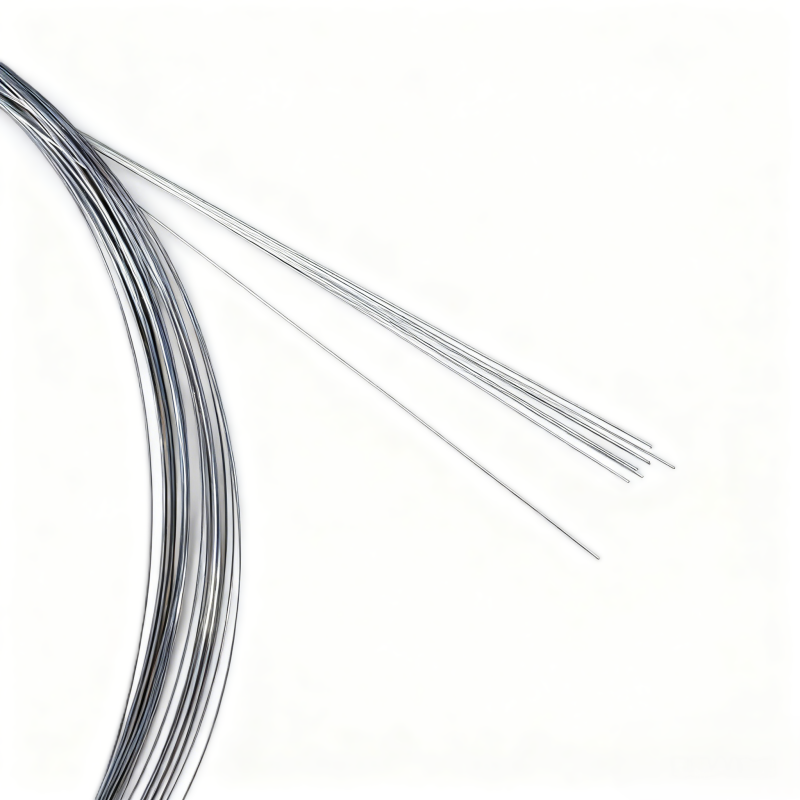
Choosing a nitinol guide wire diameter by vessel size is not a matter of matching two measurements alone. Vessel caliber helps define the available space, but the right nitinol guide wire must also suit the access route, target anatomy, procedure, and devices used with it. There is no universal diameter formula for every case.

A practical choice begins with reliable vessel information, then checks whether the nitinol guide wire can be used within the intended system and clinical protocol. Diameter is one part of this decision, not a substitute for assessing flexibility, support needs, compatibility, and the instructions for use. This approach helps teams avoid choosing by a single number.
Assess vessel size in procedural context
Use vessel caliber as a starting point
Begin with the vessel segment the wire must traverse, rather than relying on a general estimate for the whole route. A nitinol guide wire should be considered alongside the narrowest relevant passage, changes in vessel caliber, and the anatomy around the target. These details frame the available working space and help identify whether a proposed diameter needs closer review.
Imaging and procedural assessment can provide different kinds of information, so interpret measurements using the methods and standards established for the case. The nitinol guide wire diameter should not be selected from vessel size alone; a measured lumen does not automatically define a safe or suitable wire size. Confirm the measurement’s location, quality, and clinical relevance before using it.
Account for access route and anatomy
The path to the target may include bends, branches, stenotic regions, or transitions between vessel sizes. For a nitinol guide wire, these features matter because the wire must negotiate the route while remaining appropriate for the intended maneuver. A larger proximal segment does not necessarily mean the narrowest passage can accommodate every diameter being considered.
Consider the full route and the point where the wire will provide support, not just the target vessel’s stated size. A nitinol guide wire chosen for one segment may face different clearance and handling requirements elsewhere. When anatomy is uncertain or changes during a procedure, clinicians should reassess the plan under applicable protocols rather than assuming the original diameter remains suitable.
Match diameter to system and procedure
Check compatibility across connected devices
Diameter selection must work with the catheter, introducer, or other devices planned for the procedure. Verify each component’s stated compatibility and instructions before choosing a nitinol guide wire. The usable system is defined by its combined specifications, not by vessel caliber in isolation, and an apparently appropriate wire may still be unsuitable if it does not fit the intended equipment.
Review the wire’s labeled diameter and units carefully, especially when comparing specifications from different documents. A nitinol guide wire should match the device requirements exactly as stated by the relevant instructions. Avoid estimating from product images or assuming that similar names indicate interchangeable dimensions. If a specification is unclear, resolve it with the responsible clinical or technical team before use.
Relate diameter to the planned task
The procedure determines what the wire needs to accomplish, including navigation, positioning, or support for another device. A nitinol guide wire diameter that is considered for one task may not suit another, even in a vessel of similar size. Evaluate diameter together with the wire’s design, flexibility, length, and intended use, using the product labeling and professional judgment.
Avoid treating diameter as a shortcut for predicting handling or support. Those characteristics depend on more than one specification, and the response in a tortuous or delicate vessel may differ from expectations based on size alone. When a nitinol guide wire is under consideration, weigh the procedural objective against the anatomy and equipment, then verify that the selected configuration is permitted for that use.
Verify the choice before use
Apply a practical selection review
A clear review connects the vessel information to the procedure and the complete device setup. Document the relevant segment and measurement, identify the narrowest passage, and check that the proposed nitinol guide wire diameter fits the device specifications. Then confirm the intended wire function and applicable instructions for use. This sequence makes the reasoning traceable without reducing the decision to a single measurement.
If measurements conflict, anatomy is difficult to characterize, or system compatibility cannot be confirmed, pause and seek appropriate review. A nitinol guide wire should not be chosen by guesswork to resolve missing information. The clinical team can determine whether further assessment or a different configuration is warranted under local practice and the product’s labeling.
Confirm details with product documentation
Before use, compare the selected diameter with the current product documentation and verify the precise model and intended application. For example, a nitinol guide wire specification should be read as a product detail, not as a recommendation for a particular vessel or procedure. Check relevant dimensions and compatibility statements directly.
Keep the final decision within professional scope and applicable clinical protocols. The nitinol guide wire diameter is appropriate only when vessel assessment, intended task, and system compatibility align. If any of those elements remain unresolved, do not infer suitability from a nearby size or a general rule. This disciplined verification supports safer, more consistent decision-making without implying a one-size-fits-all answer.
FAQ
Does vessel size alone determine nitinol guide wire diameter?
No. Vessel size is an important input, but a nitinol guide wire choice also depends on anatomy, access route, intended task, and compatible devices. Confirm the applicable labeling and clinical protocol rather than applying a universal vessel-to-wire formula.
Should the narrowest vessel segment guide the decision?
The narrowest relevant segment deserves careful consideration because it can constrain passage. However, a nitinol guide wire diameter should be assessed across the full route and in relation to the planned procedure. Measurements and clinical judgment both matter.
What should be checked before selecting a wire?
Verify vessel information, the precise wire specification, connected-device compatibility, intended use, and current instructions. A nitinol guide wire should be selected only after these factors are reviewed together by the qualified team. If compatibility or anatomy is uncertain, seek clarification before use.