
 EN
EN



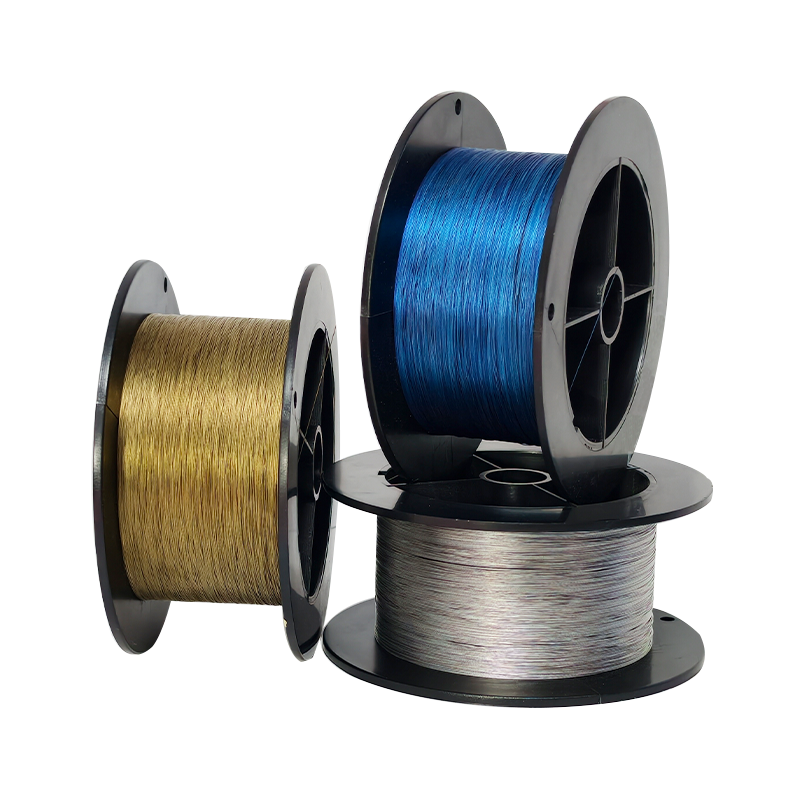
Nitinol aerospace engineering represents a transformative approach to modern aircraft design and manufacturing. This specialized nickel-titanium alloy delivers exceptional performance characteristics that traditional materials simply cannot match, making Nitinol aerospace engineering increasingly essential for next-generation aviation systems. Engineers and designers across the aerospace industry recognize that Nitinol aerospace engineering enables solutions previously constrained by material limitations, creating opportunities for lighter, more reliable, and more efficient aircraft components.
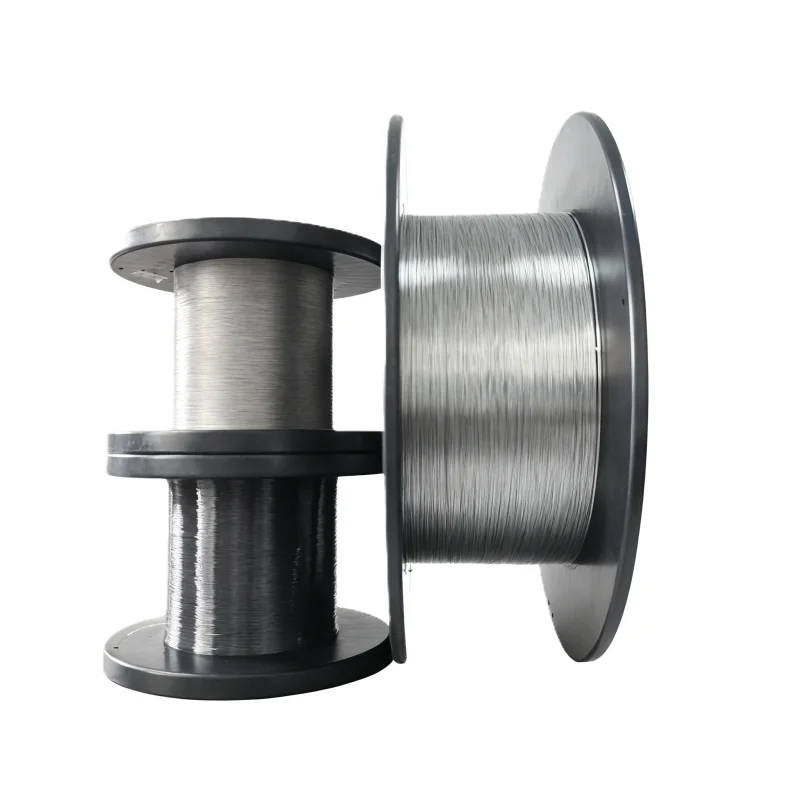
The integration of Nitinol aerospace engineering into aircraft systems has fundamentally changed how engineers approach structural design, actuation mechanisms, and thermal management. As aerospace demands intensify for improved fuel efficiency and enhanced reliability, Nitinol aerospace engineering offers proven advantages that reduce weight while increasing performance durability. Understanding these unique benefits of Nitinol aerospace engineering is critical for organizations seeking to maintain competitive advantage in modern aviation markets.
Superior Shape Memory and Superelasticity Properties
Exceptional Shape Recovery Capabilities
Nitinol aerospace engineering leverages shape memory alloy properties that enable components to return to predetermined configurations after deformation. This capability fundamentally transforms how aerospace engineers design landing gear systems, fastening mechanisms, and structural joints. When temperature conditions trigger the transformation, Nitinol aerospace engineering components can exert controlled forces to restore original geometries without mechanical intervention. This characteristic eliminates the need for complex mechanical actuation systems, reducing system weight and improving operational reliability in Nitinol aerospace engineering applications.
Reversible Elastic Deformation
The superelastic properties inherent to Nitinol aerospace engineering allow components to endure substantial deformations and return to their original state without permanent damage. Aircraft structures frequently encounter stress cycles from takeoff, flight, and landing operations where Nitinol aerospace engineering materials absorb and dissipate energy efficiently. This superelastic behavior in Nitinol aerospace engineering eliminates fatigue failures common in traditional alloys, significantly extending component service life. Engineers increasingly specify Nitinol aerospace engineering for applications requiring repeated loading cycles where conventional materials would develop micro-cracks and eventual failure.
Weight Reduction and Fuel Efficiency Benefits
Lightweight Structural Solutions
Nitinol aerospace engineering delivers critical advantages in weight reduction, directly improving aircraft fuel efficiency and operational economics. Because Nitinol aerospace engineering materials exhibit higher strength-to-weight ratios than traditional aerospace alloys, engineers can design thinner components that maintain structural integrity. Aircraft manufacturers recognize that implementing Nitinol aerospace engineering in secondary structures, actuators, and fastening systems cumulatively reduces aircraft weight by significant percentages. These weight savings translate directly into reduced fuel consumption, lower operational costs, and extended flight range—core performance metrics driving modern aerospace development.
Component Consolidation and Integration
Advanced Nitinol aerospace engineering enables engineers to consolidate multiple traditional components into single integrated assemblies. Control surface actuation systems exemplify this consolidation opportunity, where Nitinol aerospace engineering actuators replace conventional hydraulic or pneumatic systems requiring extensive plumbing, seals, and maintenance access. By reducing component count and system complexity, Nitinol aerospace engineering naturally decreases aircraft weight while improving reliability and maintainability. This strategic advantage of Nitinol aerospace engineering translates into reduced manufacturing costs, simplified assembly processes, and improved aircraft performance metrics throughout the operational lifecycle.
Enhanced Reliability and Reduced Maintenance Requirements
Superior Fatigue Resistance
Nitinol aerospace engineering materials demonstrate exceptional resistance to fatigue failures that compromise traditional aerospace alloys under cyclic loading. Aircraft experience continuous stress variations during normal operations, creating conditions where conventional materials develop progressive damage and eventual failure. Nitinol aerospace engineering components resist these fatigue mechanisms through their unique atomic structure and deformation recovery properties. Airlines and aerospace maintenance organizations benefit significantly from Nitinol aerospace engineering's reliability advantages, as extended component service intervals reduce scheduled maintenance events and associated aircraft downtime costs.
Damping and Vibration Control
The exceptional damping characteristics of Nitinol aerospace engineering provide natural vibration attenuation throughout aircraft structures. During flight operations, aircraft experience vibrations from engine operation, aerodynamic forces, and turbulence that can stress traditional structural materials. Nitinol aerospace engineering integrates damping functionality directly into components, eliminating the need for separate vibration control systems. This inherent capability of Nitinol aerospace engineering reduces structural stress concentrations, enhances passenger comfort, and extends component lifespan by minimizing the destructive effects of continuous vibration exposure. Engineers deploying Nitinol aerospace engineering report measurable reductions in maintenance interventions specifically related to vibration-induced damage.
Temperature Performance and Thermal Stability
Consistent Performance Across Temperature Ranges
Nitinol aerospace engineering materials maintain predictable performance across the extreme temperature variations encountered in aerospace environments. Commercial aircraft fuselage temperatures range from extremely cold conditions at altitude to warm conditions during ground operations and supersonic flight scenarios. Nitinol aerospace engineering components preserve their shape memory and superelastic properties throughout these temperature extremes, whereas traditional alloys experience significant property degradation. This thermal stability advantage of Nitinol aerospace engineering enables reliable performance in aerospace applications where temperature consistency is critical for safety and operational performance.
Active Thermal Management Applications
The temperature-responsive properties of Nitinol aerospace engineering enable active thermal management systems that automatically adjust to environmental conditions without external control signals. Aircraft thermal protection systems can leverage Nitinol aerospace engineering to intelligently respond to aerodynamic heating during high-speed flight, automatically adjusting airflow, insulation, or configuration as required. This capability makes Nitinol aerospace engineering particularly valuable for hypersonic aircraft development and advanced aerospace systems requiring autonomous thermal regulation. Engineers are increasingly exploring Nitinol aerospace engineering's potential for next-generation aerospace thermal management where active response to dynamic conditions provides significant performance advantages.
Practical Implementation in Modern Aircraft Systems
Control Surface Actuation
Nitinol aerospace engineering actuators are revolutionizing aircraft control systems by replacing traditional hydraulic mechanisms with lighter, more reliable shape memory alloy solutions. Flight control surfaces require rapid, precise positioning during all flight phases, where Nitinol aerospace engineering provides the response speed and repeatability required for safety-critical applications. Airlines report that Nitinol aerospace engineering actuation systems reduce maintenance requirements, improve system reliability, and decrease overall system weight compared to conventional hydraulic alternatives. The commercial aviation industry continues expanding Nitinol aerospace engineering implementation in both primary and secondary flight control systems.
Landing Gear and Fastening Systems
Landing gear assemblies benefit substantially from Nitinol aerospace engineering's combination of strength and weight reduction. Fastening systems implemented with Nitinol aerospace engineering components provide self-locking functionality and vibration resistance that improves structural reliability throughout aircraft service life. Engineers specify Nitinol aerospace engineering fasteners and mechanical components because they eliminate fastener loosening problems common with traditional materials while reducing installation complexity. The combination of reliability improvements and weight savings makes Nitinol aerospace engineering economically attractive for these critical structural applications.
FAQ
What makes Nitinol aerospace engineering superior to traditional aluminum alloys in aircraft applications?
Nitinol aerospace engineering offers shape memory and superelastic properties that traditional aluminum alloys cannot match, enabling component weight reduction while improving fatigue resistance and reliability. Nitinol aerospace engineering components can recover from substantial deformations without permanent damage, extending service intervals and reducing maintenance costs. These advantages make Nitinol aerospace engineering increasingly preferred for modern aircraft design where weight reduction and system reliability drive operational performance.
How does Nitinol aerospace engineering contribute to aircraft fuel efficiency and operational economics?
Weight reduction represents the primary mechanism through which Nitinol aerospace engineering improves fuel efficiency, as lighter aircraft require less fuel for equivalent flight distances. Component consolidation enabled by Nitinol aerospace engineering further reduces aircraft weight by replacing complex mechanical systems with integrated shape memory alloy solutions. Airlines benefit from Nitinol aerospace engineering through improved operational range, lower fuel costs, and reduced maintenance expenses, making the material investment economically justified across commercial aircraft fleets.
Are Nitinol aerospace engineering materials suitable for hypersonic and advanced military aircraft applications?
Nitinol aerospace engineering's temperature stability and unique performance characteristics make it particularly valuable for advanced aerospace applications including hypersonic vehicles and specialized military systems. Nitinol aerospace engineering materials maintain consistent properties across extreme temperature ranges encountered in high-speed flight, enabling reliable performance in environments where traditional materials degrade. Research and development programs actively explore Nitinol aerospace engineering applications for next-generation aerospace platforms where its unique advantages address design challenges impossible to solve with conventional materials.
Table of Contents
- Superior Shape Memory and Superelasticity Properties
- Weight Reduction and Fuel Efficiency Benefits
- Enhanced Reliability and Reduced Maintenance Requirements
- Temperature Performance and Thermal Stability
- Practical Implementation in Modern Aircraft Systems
-
FAQ
- What makes Nitinol aerospace engineering superior to traditional aluminum alloys in aircraft applications?
- How does Nitinol aerospace engineering contribute to aircraft fuel efficiency and operational economics?
- Are Nitinol aerospace engineering materials suitable for hypersonic and advanced military aircraft applications?