
 EN
EN



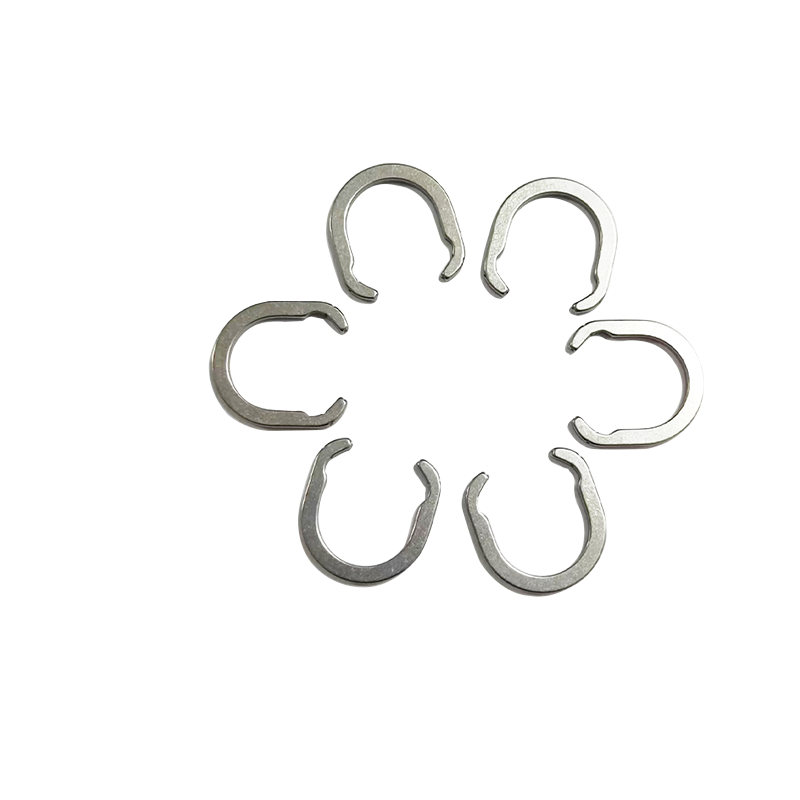
Modern restorative dentistry demands precision tools that deliver consistent, predictable results across every procedure. Matrix rings have become indispensable in composite restoration workflows, yet not all matrix rings perform equally. Leading dental experts increasingly recommend memory alloy matrix rings because they combine superior contact pressure control, reduced chair time, and enhanced patient comfort. Understanding why these advanced matrix rings dominate clinical practice reveals the fundamental shift toward materials science innovation in contemporary prosthodontics and restorative techniques.
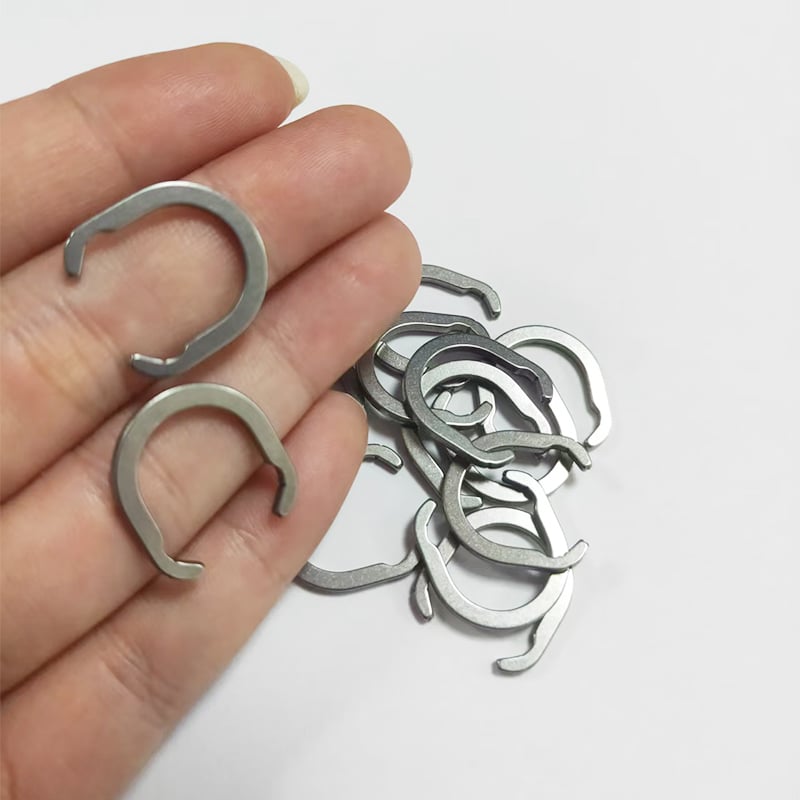
The transition toward memory alloy matrix rings reflects a broader clinical recognition that contact pressure, ring stability, and material resilience directly impact restoration longevity and marginal adaptation. Traditional stainless steel matrix rings, while functional, cannot replicate the elastic recovery and consistent pressure maintenance that memory alloy matrix rings provide throughout the restoration cycle. This technological advancement has reshaped how dentists approach class II and class III restorations, influencing purchasing decisions at practices of all sizes.
Superior Contact Pressure and Marginal Adaptation
Consistent Force Distribution in Memory Alloy Matrix Rings
Memory alloy matrix rings maintain uniform contact pressure regardless of tooth anatomy variation or wedge insertion depth. Unlike conventional matrix rings that experience pressure loss over time, memory alloy matrix rings return to their original configured shape, ensuring stable matrix positioning throughout the entire restoration process. This consistency directly reduces marginal gaps, voids, and subgingival overhangs that compromise restoration longevity and clinical outcomes.
The elastic memory characteristic of these matrix rings eliminates the frustration of ring slippage during matrix band placement and wedging. Clinicians report fewer repositioning adjustments when using memory alloy matrix rings, translating into reduced procedural time and improved restoration quality. Dentists working with memory alloy matrix rings achieve superior interproximal contact tightness compared to traditional alternatives, a critical factor in preventing food impaction and secondary caries.
Impact on Restoration Longevity
Research demonstrates that memory alloy matrix rings produce restorations with significantly better marginal integrity at one, three, and five-year recalls. The predictable contact pressure provided by memory alloy matrix rings reduces the incidence of marginal fractures and discoloration. Dental teams that standardize their practice around memory alloy matrix rings report fewer replacement restorations, improving patient satisfaction and practice profitability while reducing repeat appointments.
Reduced Chair Time and Procedural Efficiency
Streamlined Workflow With Memory Alloy Matrix Rings
Memory alloy matrix rings accelerate the restorative workflow by eliminating repeated adjustment cycles common with traditional matrix rings. Once positioned, memory alloy matrix rings maintain their setting without requiring constant reseating or pressure verification. This reliability allows clinicians to focus on composite layering, curing, and finishing rather than troubleshooting matrix stability issues, creating measurable time savings across a full treatment day.
Practices utilizing memory alloy matrix rings consistently report 8-12 minute time reductions per restoration compared to conventional systems. For high-volume practices, this efficiency gain translates into additional patient appointments or increased revenue per operatory. The predictability of memory alloy matrix rings also reduces operator stress and decision fatigue, supporting better ergonomic positioning and reduced fatigue during complex restorative sequences.
Patient Comfort and Experience
The stable engagement provided by memory alloy matrix rings means fewer wedge adjustments and matrix band reseating procedures, directly reducing patient discomfort during restoration placement. Patients experience shorter total appointment times and fewer intrusive repositioning movements when clinicians work with memory alloy matrix rings. This improved experience strengthens patient loyalty and reduces procedural anxiety for patients undergoing multiple restorations.
Material Science Advantages and Clinical Reliability
Why Memory Alloy Technology Outperforms Conventional Materials
Memory alloy matrix rings employ nickel-titanium compositions engineered to return to their pre-configured shape after deformation, a property entirely absent in stainless steel matrix rings. This material behavior eliminates permanent deformation that accumulates with repeated sterilization cycles. Dental teams adopting memory alloy matrix rings experience consistent performance across multiple patient cases without the performance degradation characteristic of traditional matrix rings.
The superior corrosion resistance of memory alloy matrix rings extends instrument lifespan significantly beyond stainless steel alternatives. Clinicians report that memory alloy matrix rings maintain their specified dimensions and performance characteristics for 3-5 years of regular use, compared to 12-18 months for conventional matrix rings. This longevity reduces replacement frequency and total cost of ownership despite higher per-unit acquisition costs associated with memory alloy matrix rings.
Evidence-Based Clinical Adoption
Leading dental schools and training programs increasingly teach matrix ring selection around the advantages of memory alloy matrix rings, recognizing that new graduates expect advanced instrumentation supporting evidence-based restorative protocols. Professional organizations emphasize matrix ring performance characteristics, and continuing education curricula highlight how memory alloy matrix rings improve clinical outcomes. This institutional shift accelerates adoption among established practices seeking competitive advantages in complex restorative cases.
Dental experts recommend transitioning toward memory alloy matrix rings as part of comprehensive practice upgrades that enhance clinical quality and patient outcomes. Experienced clinicians who have adopted matrix rings with memory alloy technology report improved confidence in achieving predictable marginal contacts, reduced complications during composite curing, and enhanced restoration esthetics. These concrete benefits drive the professional recommendation patterns observed across general and specialty practices today.
FAQ
What makes memory alloy matrix rings superior to stainless steel matrix rings?
Memory alloy matrix rings maintain consistent contact pressure throughout use and recover their original shape after deformation, whereas stainless steel matrix rings experience permanent deformation and pressure loss over time. The elastic memory property of advanced matrix rings ensures stable positioning without repeated adjustments, directly improving restoration marginal quality and reducing chair time significantly.
How long do memory alloy matrix rings typically last compared to traditional matrix rings?
Memory alloy matrix rings typically maintain performance for 3-5 years of regular clinical use, whereas traditional stainless steel matrix rings require replacement after 12-18 months. The superior corrosion resistance and material stability of memory alloy matrix rings eliminate the performance degradation that accumulates through repeated sterilization cycles, making them a more economical long-term investment despite higher initial costs.
Do memory alloy matrix rings improve patient outcomes and satisfaction?
Yes, memory alloy matrix rings improve patient outcomes by enabling dentists to achieve superior marginal adaptation and restoration longevity while reducing appointment time and procedural discomfort. Patients experience fewer matrix adjustments and shorter total treatment time, strengthening satisfaction and reducing anxiety. The improved restoration quality from using memory alloy matrix rings also reduces future replacement needs, benefiting patient oral health over extended timeframes.