
 EN
EN



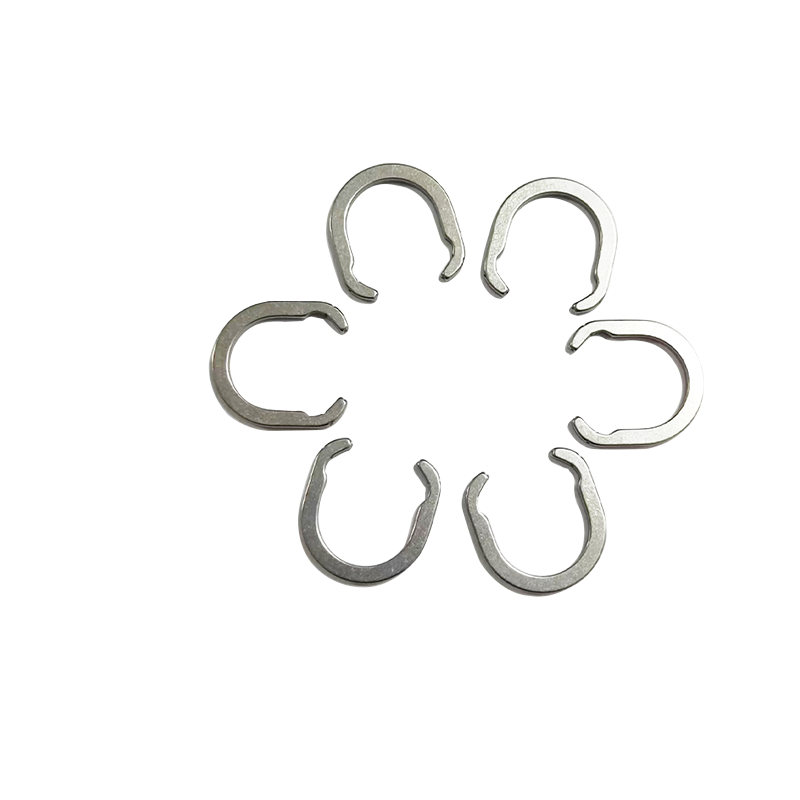
Patient discomfort remains a significant concern in modern medical treatment, whether in orthodontics, orthopedic applications, or minimally invasive procedures. The development of advanced materials like Nitinol has transformed how healthcare providers approach this challenge, particularly through the design of matrix rings that leverage superelasticity to enhance patient experience. Understanding how matrix rings function within Nitinol-based systems reveals why many practitioners now prioritize these technologies for their superior comfort profile and clinical efficacy.
Matrix rings represent a crucial innovation in biomechanical design, engineered to distribute force more evenly across treatment zones while maintaining the superelastic properties that Nitinol is renowned for. These specialized rings form the structural foundation of many modern medical devices, allowing practitioners to deliver consistent, gentle forces that minimize tissue trauma and patient anxiety throughout treatment periods.
Understanding Nitinol Superelasticity in Matrix Rings
The Mechanism of Superelastic Behavior
Nitinol superelasticity operates through a reversible phase transformation at the atomic level, enabling the material to return to its original shape after significant deformation without permanent distortion. This remarkable property makes matrix rings ideal for applications requiring repeated loading cycles, as they maintain consistent force delivery without the material fatigue that affects traditional metal alloys. When patients experience forces from matrix rings, the underlying Nitinol structure absorbs strain energy during compression or extension, then releases that energy as the force is removed, creating a responsive but gentle treatment environment.
Why Matrix Rings Leverage Superelasticity Effectively
The geometric design of matrix rings optimizes superelastic performance by distributing loads across a wider surface area than conventional alternatives. This design principle means that matrix rings can apply necessary therapeutic forces while generating substantially lower peak stress at any single point. Patients wearing matrix rings report markedly reduced soreness compared to rigid alternatives, as the material's ability to flex and recover prevents the sharp, localized pressure points that trigger inflammatory responses and discomfort.
Clinical Benefits of Matrix Rings for Patient Comfort
Reducing Inflammatory Response and Pain
The consistent, moderate force profile delivered by matrix rings directly correlates with reduced inflammatory reactions in surrounding tissues. When matrix rings maintain steady pressure through their superelastic properties, the body's pain response remains lower because tissues experience predictable stimulus rather than sudden pressure spikes. This biocompatibility advantage means fewer patients require additional pain management strategies, and treatment compliance improves significantly when patients experience minimal discomfort during routine activities.
Extended Wear Periods and Improved Quality of Life
Unlike materials that create pressure-related soreness requiring frequent adjustments, matrix rings enable longer comfortable wear periods by maintaining their force characteristics throughout the treatment cycle. Patients can participate in normal daily activities, sports, and social events without the distraction or anxiety associated with traditional rigid alternatives. The superelastic nature of matrix rings means practitioners can space adjustment appointments further apart while maintaining consistent therapeutic progress, reducing the treatment burden on patients and improving overall satisfaction metrics.
Comparative Advantages of Matrix Rings in Modern Practice
Performance Against Traditional Alternatives
Traditional stainless steel and conventional materials lack the superelastic recovery capability that defines matrix rings, leading to permanent deformation, force decay, and the need for frequent replacements. Practitioners who transition to matrix rings immediately notice that patients report lower pain scores during treatment phases and experience fewer complications related to excessive force application. The superior biocompatibility of Nitinol-based matrix rings also reduces adverse tissue reactions, meaning fewer cases of inflammation, ulceration, or sensitivity that commonly accompany conventional materials.
Durability and Cost-Effectiveness Over Time
While matrix rings require higher initial investment than basic alternatives, their extended lifespan and consistent performance reduce total treatment costs by minimizing adjustments, replacements, and complications. The matrix rings engineered from medical-grade Nitinol maintain force delivery for substantially longer periods, meaning fewer interventions and shorter overall treatment timelines. Healthcare providers recognize that this efficiency translates directly into improved patient outcomes and reduced clinic scheduling pressures, making the investment in matrix rings economically rational beyond the obvious comfort benefits.
FAQ
How long do Nitinol matrix rings maintain their superelastic properties?
Medical-grade Nitinol matrix rings typically maintain consistent superelastic performance for several years of clinical use, depending on the specific application and loading intensity. The material's atomic structure remains stable through hundreds of thousands of loading cycles, far exceeding the lifespan of conventional metal alternatives that experience progressive fatigue and force decay over much shorter timeframes.
Can matrix rings be adjusted during treatment without losing effectiveness?
Yes, matrix rings can be adjusted by experienced practitioners while retaining their superelastic characteristics, as the phase transformation that enables superelasticity is reversible and doesn't depend on permanent material changes. However, adjustments should follow manufacturer guidelines to ensure the rings remain within their optimal performance parameters and continue delivering the consistent forces that minimize patient discomfort.
Are matrix rings suitable for all types of patient discomfort conditions?
Matrix rings are particularly effective for conditions where gentle, consistent force application is clinically indicated, but specific suitability depends on individual patient anatomy, the treatment objective, and clinical protocols established by the healthcare provider. Practitioners evaluate each patient case individually to determine whether matrix rings are the optimal solution or whether alternative approaches better serve the patient's specific therapeutic needs and comfort requirements.