
 EN
EN



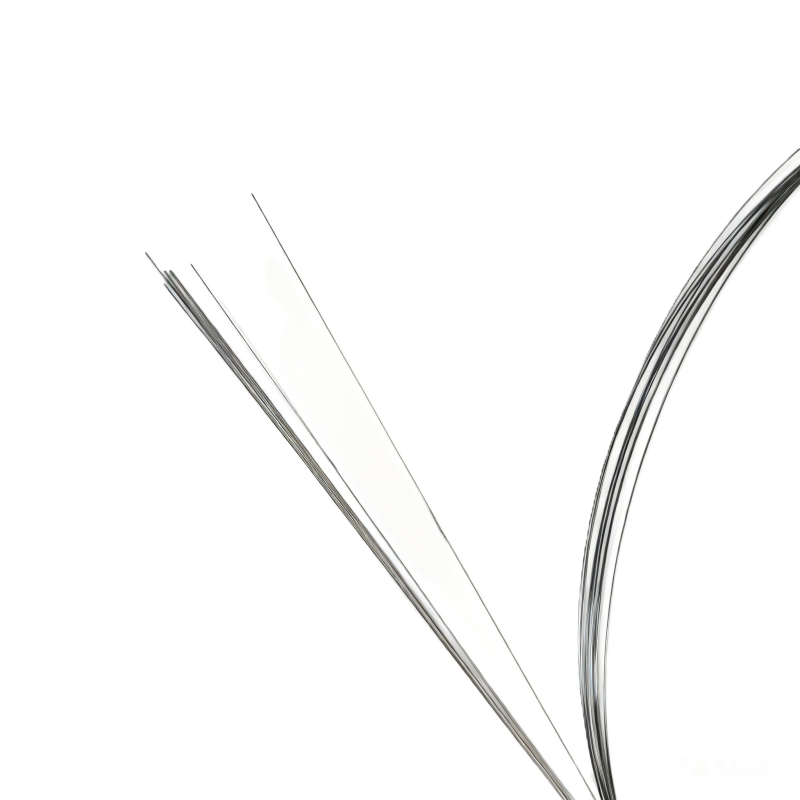
When engineers and clinicians first developed Nitinol stents, the primary focus was cardiovascular intervention. However, the unique shape memory behavior that defines Nitinol stents has opened a much broader horizon. Today, Nitinol stents are being studied and deployed across a growing range of non-vascular anatomical sites, from the airway to the gastrointestinal tract, urinary system, and beyond. Understanding why shape memory makes Nitinol stents so well suited to these applications requires a closer look at the material science behind them.
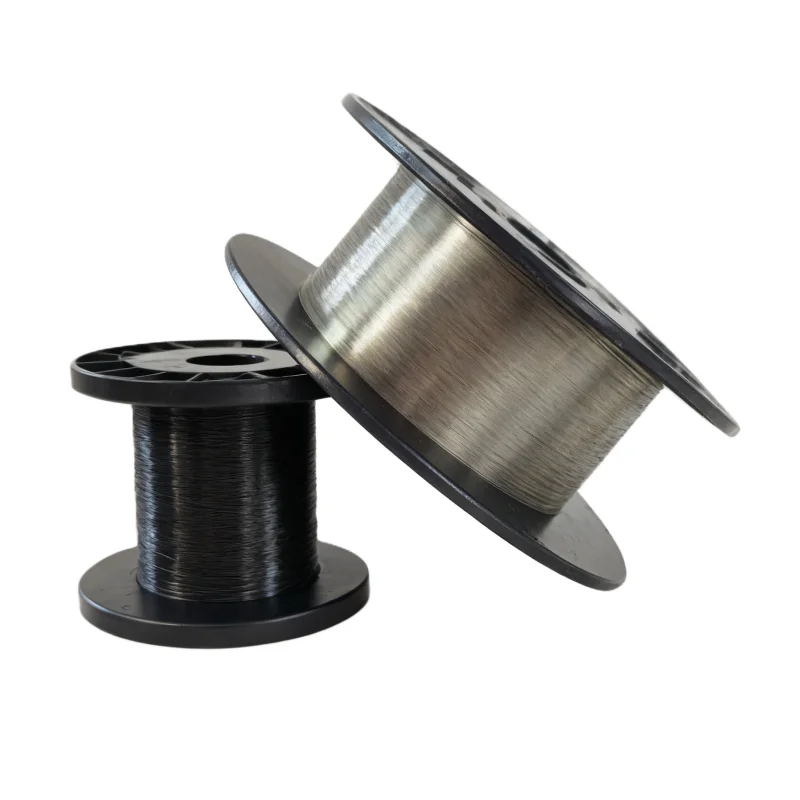
Nitinol stents are fabricated from a nickel-titanium alloy that transitions between two crystalline phases depending on temperature. This transition is the foundation of shape memory. When Nitinol stents are cooled, they become highly flexible and can be compressed into a small delivery profile. Once deployed inside the body, they respond to body temperature by reverting to their pre-programmed expanded shape. This self-expanding mechanism is precisely what makes Nitinol stents so attractive for non-vascular anatomy, where rigid metallic implants would cause tissue damage or mechanical failure.
The Science of Shape Memory in Nitinol Stents
How the Martensite-Austenite Transition Works
The shape memory effect in Nitinol stents originates from a reversible phase transformation between martensite and austenite. At lower temperatures, Nitinol stents exist in the martensite phase, which is soft, deformable, and easily compressed for delivery catheter loading. When Nitinol stents reach body temperature, they transform into the stiffer austenite phase, recovering the expanded geometry set during manufacturing. This thermally driven recovery is highly repeatable and predictable, allowing device designers to engineer Nitinol stents with precise radial force characteristics tailored to specific anatomical requirements.
Superelasticity as a Complementary Property
Beyond shape memory, Nitinol stents also exhibit superelasticity at body temperature. This means Nitinol stents can undergo significant deformation under applied load and recover fully once the load is removed. In non-vascular anatomy such as the esophagus, trachea, or biliary duct, tissues move, contract, and expand continuously. Nitinol stents accommodate these cyclic mechanical stresses without permanent deformation or fracture, which is a performance level that stainless steel or cobalt-chromium stents cannot reliably match. The combination of shape memory and superelasticity makes Nitinol stents uniquely resilient in dynamic body environments.
Why Non-Vascular Anatomy Demands Shape Memory Stents
Anatomical Complexity and Access Challenges
Non-vascular anatomy presents unique delivery and deployment challenges that conventional rigid stents struggle to address. Structures such as the biliary duct, trachea, esophagus, colon, and ureter are often tortuous, narrow, or surrounded by delicate tissues. Nitinol stents can be loaded into small-diameter catheters in their compressed martensite state, navigated through complex anatomy with minimal trauma, and then released to expand precisely at the target site. This minimally invasive delivery workflow is only possible because Nitinol stents change shape in response to body temperature, removing the need for balloon inflation forces that could injure fragile ductal or luminal walls.
Tissue Interaction and Chronic Radial Force
In non-vascular applications, Nitinol stents must maintain consistent outward radial force over extended periods to keep lumens patent without over-expanding and eroding the surrounding tissue. The tunable radial force profile of Nitinol stents is a direct result of shape memory engineering. Manufacturers can adjust the transition temperature and the degree of shape recovery to program Nitinol stents with a gentle yet sustained outward force appropriate for soft tissue lumens. This chronic low-trauma force is especially important in applications such as biliary and esophageal stenting, where mucosal integrity must be preserved to prevent ulceration or perforation.
Expanding Non-Vascular Applications of Nitinol Stents
Gastrointestinal and Biliary Stenting
In gastroenterology and hepatobiliary medicine, Nitinol stents have transformed how clinicians manage malignant and benign obstructions. In the esophagus, self-expanding Nitinol stents restore swallowing function in patients with strictures or tumors. In the biliary system, Nitinol stents maintain ductal patency following obstruction from pancreatic cancer or biliary strictures. The shape memory property ensures that Nitinol stents conform to the irregular contours of the bile duct or intestinal lumen without migration. Covered and uncovered Nitinol stents are now standard tools in therapeutic endoscopy, with design variants optimized for each anatomical site.
Airway and Urological Stenting
The respiratory and urological systems represent two additional frontiers where Nitinol stents are proving their value. In the trachea and bronchi, Nitinol stents maintain airway patency in patients with tracheal stenosis, malignant obstruction, or tracheobronchomalacia. The superelastic nature of Nitinol stents means they flex with respiration without collapsing or fracturing. In urology, Nitinol stents are used to manage ureteral obstructions, renal pelvis strictures, and post-surgical anastomosis narrowing. The biocompatibility of Nitinol stents, combined with their shape memory behavior, reduces foreign body reaction and encrustation compared to conventional polymer or stainless steel devices. As clinical evidence accumulates, Nitinol stents are expected to serve an even wider range of non-vascular indications.
FAQ
What makes Nitinol stents different from stainless steel stents in non-vascular use?
Nitinol stents offer shape memory and superelasticity that stainless steel stents cannot replicate. Nitinol stents self-expand upon reaching body temperature, conform to irregular anatomy, and withstand cyclic mechanical loading without permanent deformation. Stainless steel stents require balloon expansion and are prone to fatigue fractures in dynamic non-vascular environments.
How do Nitinol stents maintain patency in soft tissue lumens over time?
Nitinol stents are engineered with a chronic outward radial force calibrated to keep soft tissue lumens open without causing tissue erosion. The shape memory property of Nitinol stents ensures that even if partially compressed by peristalsis or external pressure, they return to their designed diameter. This sustained gentle force is what differentiates Nitinol stents from rigid implants in gastrointestinal or urological applications.
Are Nitinol stents biocompatible enough for long-term non-vascular implantation?
Yes. Medical-grade Nitinol stents are manufactured with tightly controlled nickel content and surface oxide layers that significantly reduce ion release. Clinical studies confirm that Nitinol stents produce low inflammatory responses in soft tissue environments. The biocompatibility of Nitinol stents, supported by ISO 10993 testing, makes them suitable for chronic non-vascular implantation in the gastrointestinal, biliary, airway, and urological systems.