
 EN
EN



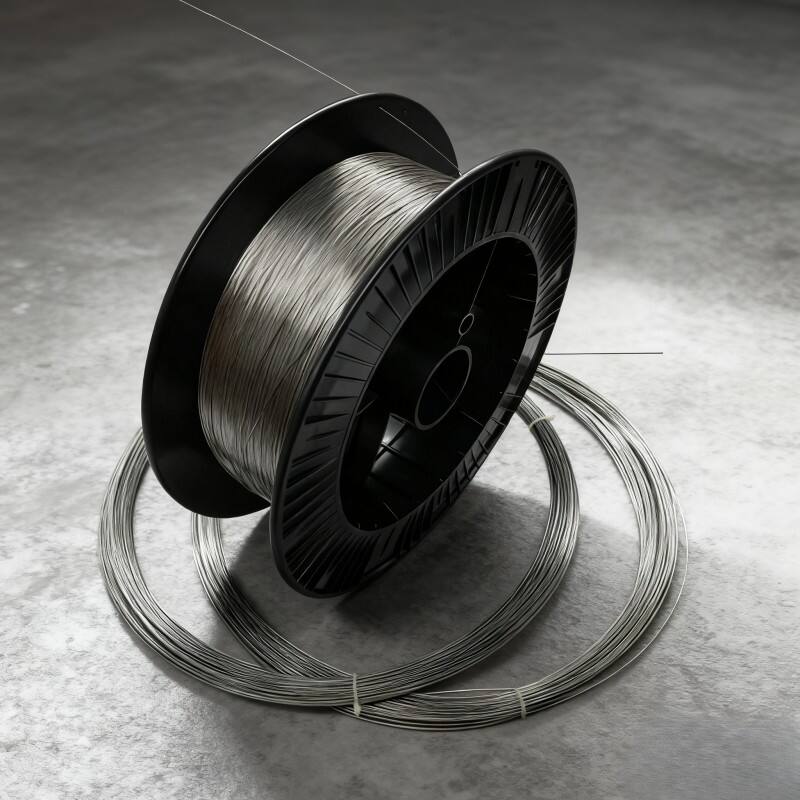
In the demanding world of micro-injection valve engineering, material performance is not a secondary consideration — it is the foundation of every reliable design. Nitinol SMA has become one of the most critical materials chosen by engineers for these applications, and the reason centers on one defining attribute: stability. When a micro-injection valve cycles through thousands of actuation events under fluctuating pressures and temperatures, the material governing its response must perform identically every single time. Nitinol SMA delivers that consistency in ways that conventional alloys simply cannot match.
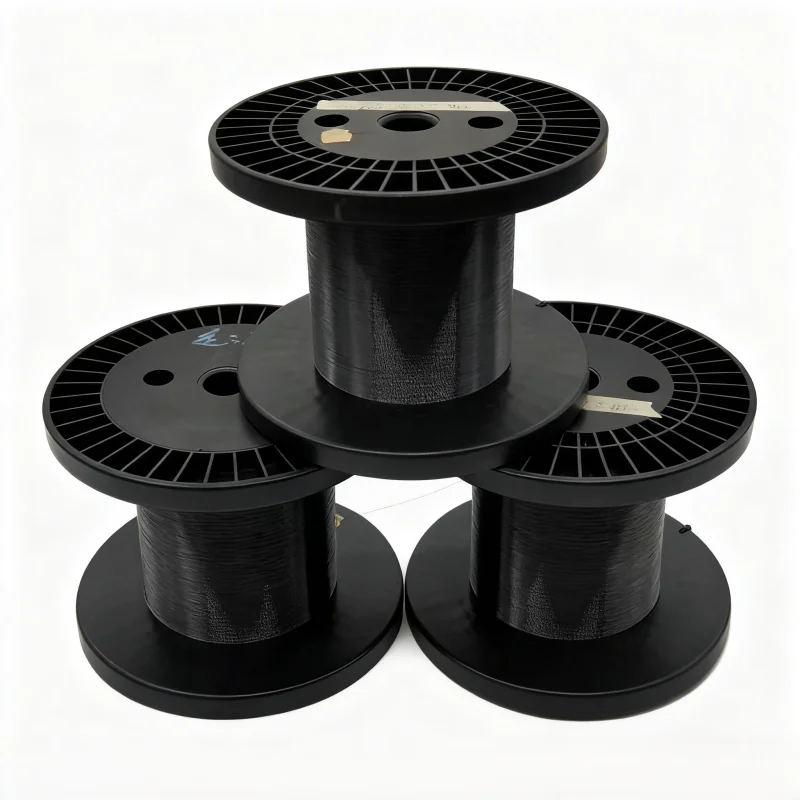
Understanding why Nitinol SMA stability is so crucial requires looking beyond surface-level material comparisons. Micro-injection valves operate within extremely tight tolerances, often in medical, pharmaceutical, or precision industrial environments where even a marginal deviation in valve response can compromise the entire system. Nitinol SMA brings both superelastic behavior and shape memory properties to the table, and the stability of these properties under real operating conditions is what separates it from alternatives. This article examines exactly why that stability matters, how it manifests across different performance dimensions, and what engineers must consider when integrating Nitinol SMA into micro-injection valve designs.
The Role of Nitinol SMA in Micro-Injection Valve Function
Superelastic Behavior Under Cyclic Loading
Micro-injection valves experience continuous mechanical cycling as part of their core function. Each open-and-close cycle subjects the valve actuator material to stress, and over thousands of cycles, most metals begin to fatigue. Nitinol SMA resists this degradation because of its superelastic plateau — the material can undergo large recoverable strains without permanent deformation. This means that every time a Nitinol SMA component is stressed during valve actuation, it returns to its original geometry with near-perfect fidelity. That geometric recovery is the mechanical expression of Nitinol SMA stability in practice.
What makes Nitinol SMA especially valuable here is that this behavior remains consistent across a defined temperature range. Engineers designing micro-injection valves can rely on Nitinol SMA to deliver predictable force-displacement curves cycle after cycle. In contrast, conventional spring steels or polymer-based actuator elements tend to show gradual drift in their mechanical response, making calibration increasingly difficult over the product's service life. Nitinol SMA eliminates much of this drift, reducing the need for frequent recalibration and improving overall valve reliability.
Shape Memory Recovery and Valve Reset Precision
Beyond superelasticity, Nitinol SMA also offers thermal shape memory, which is particularly useful in micro-injection valves designed for thermally triggered operation. When the valve actuator is made from Nitinol SMA wire or strip, a small temperature shift causes the material to recover its pre-programmed shape, driving the valve to its set position with high repeatability. This reset precision is another dimension of Nitinol SMA stability that engineers cannot overlook. The phase transformation that underlies shape memory behavior in Nitinol SMA occurs within a defined, controllable temperature window, allowing designers to engineer predictable actuation thresholds.
Why Stability Directly Impacts Micro-Valve System Performance
Tolerance Maintenance Over Service Life
Micro-injection valves are frequently used in applications where flow rates must remain within extremely narrow bands. Any drift in the valve element's dimensional response translates directly into flow rate error, which in medical drug delivery or precision chemical dosing contexts can have serious consequences. Nitinol SMA stability ensures that the dimensional response of the valve actuator does not shift meaningfully over thousands of cycles. The material's crystallographic phase transformation reverts fully under the correct conditions, preserving the mechanical geometry that the valve relies on for accurate flow control.
This tolerance maintenance capability sets Nitinol SMA apart from competing actuator materials. Bimetallic strips, for example, can show creep over extended thermal cycling. Polymeric actuators may absorb moisture or chemicals and swell unpredictably. Nitinol SMA, when properly processed and heat-set, maintains its trained shape and force response with exceptional consistency. For micro-injection valve designers, this means fewer failure modes related to actuator drift and more confidence in long-term system performance.
Fatigue Resistance and Longevity
Fatigue resistance is inseparable from the concept of Nitinol SMA stability in cyclic applications. Research into superelastic Nitinol SMA has shown that properly processed wire can sustain millions of low-strain cycles without crack initiation or significant changes in transformation stress. In a micro-injection valve that opens and closes hundreds of times per day, this fatigue resistance directly translates into product longevity. Replacing actuator components in miniaturized valve assemblies is costly and technically complex, so building in the inherent fatigue resistance of Nitinol SMA reduces total lifecycle cost significantly.
The fatigue behavior of Nitinol SMA is closely tied to material purity, processing history, and surface finish. Medical-grade Nitinol SMA wire conforming to standards such as ASTM F2063 is produced under tight compositional controls that minimize inclusion content and optimize transformation temperatures. These controls are essential for achieving the stable fatigue performance that micro-injection valve applications demand. When sourcing Nitinol SMA for valve components, specifying the appropriate grade and verifying heat treatment parameters is a non-negotiable step in the design process.
Design Considerations for Nitinol SMA Integration in Micro-Valves
Temperature Window Alignment and Environmental Stability
One of the most important design considerations when using Nitinol SMA in micro-injection valves is aligning the material's transformation temperature window with the actual operating environment. Nitinol SMA transformation temperatures are tunable through compositional adjustments — primarily nickel-titanium ratio — and through post-processing heat treatment. If the valve operates at body temperature for implantable medical devices, the Nitinol SMA must be formulated to transform reliably within that narrow range. If the valve operates in industrial settings with wider temperature swings, the Nitinol SMA composition and training must account for that variability.
Environmental chemical stability is equally important. In micro-injection valves handling aggressive fluids or sterilization cycles, the Nitinol SMA actuator surface must resist corrosion to maintain dimensional and mechanical stability. The native titanium oxide layer on Nitinol SMA provides a degree of corrosion resistance, but additional surface treatments such as electropolishing or passivation may be required depending on fluid chemistry. Selecting Nitinol SMA with verified corrosion resistance data relevant to the specific media contact scenario ensures that material stability is maintained throughout the valve's service life.
Wire Geometry and Customization for Valve Actuator Fit
Micro-injection valves often require Nitinol SMA in very fine diameters, down to 0.02 mm or smaller, to fit within compact actuator assemblies. The ability to source Nitinol SMA wire in tightly controlled diameters with verified mechanical properties is critical for ensuring that the actuator force and displacement match design specifications. Custom cutting and bending services for Nitinol SMA allow designers to specify exact actuator geometries, reducing assembly complexity and improving component-to-component consistency. This manufacturing precision is a direct enabler of the system-level stability that micro-injection valves require.
FAQ
What makes Nitinol SMA more stable than stainless steel in micro-injection valves?
Nitinol SMA offers superelastic recovery and shape memory behavior that stainless steel cannot replicate. Stainless steel yields permanently under strains that Nitinol SMA recovers from fully, making Nitinol SMA far more dimensionally stable over cyclic operation in micro-injection valve actuators.
How does temperature affect Nitinol SMA stability in valve operation?
Nitinol SMA transformation temperatures must be tuned to the valve's operating environment. If temperatures remain within the designed superelastic window, Nitinol SMA stability is maintained. Exceeding the upper transformation boundary changes the material's phase and can alter its mechanical response, which is why precise temperature window design is essential.
Can Nitinol SMA wire be customized for specific micro-injection valve geometries?
Yes. Nitinol SMA wire is available in diameters ranging from approximately 0.02 mm upward and can be custom-cut and bent to match specific actuator geometries. Verified processing parameters and heat treatment ensure that the trained shape and mechanical properties of the Nitinol SMA component align precisely with the valve design requirements.