Nitinol Stent Material: Advanced Superelastic Alloy for Medical Devices | Superior Flexibility and Biocompatibility

Get a Free Quote

Our representative will contact you soon.
Email
Name
Company Name
Message
0/1000

nitinol stent material

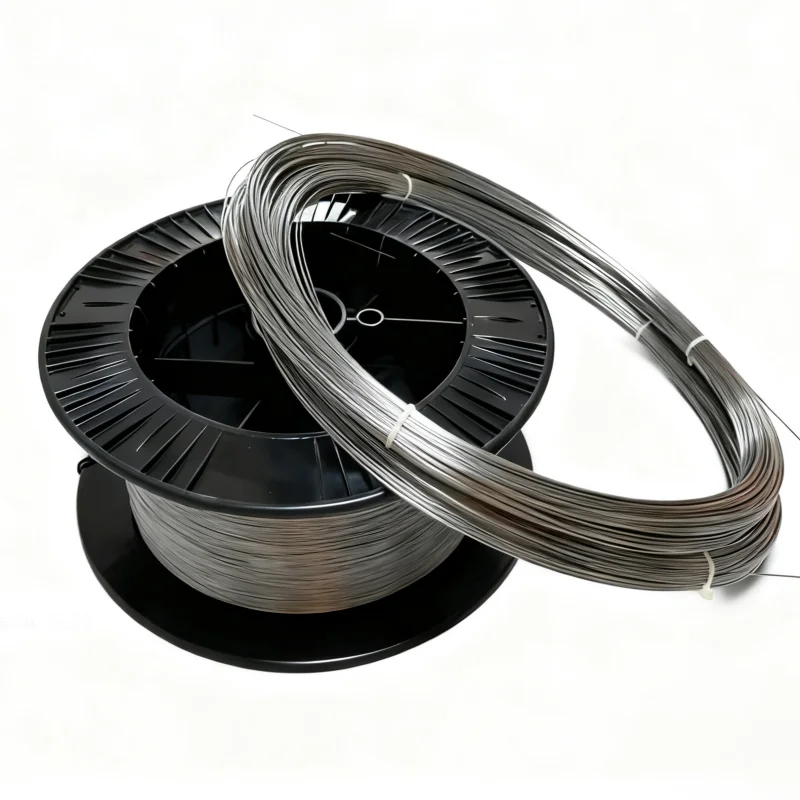
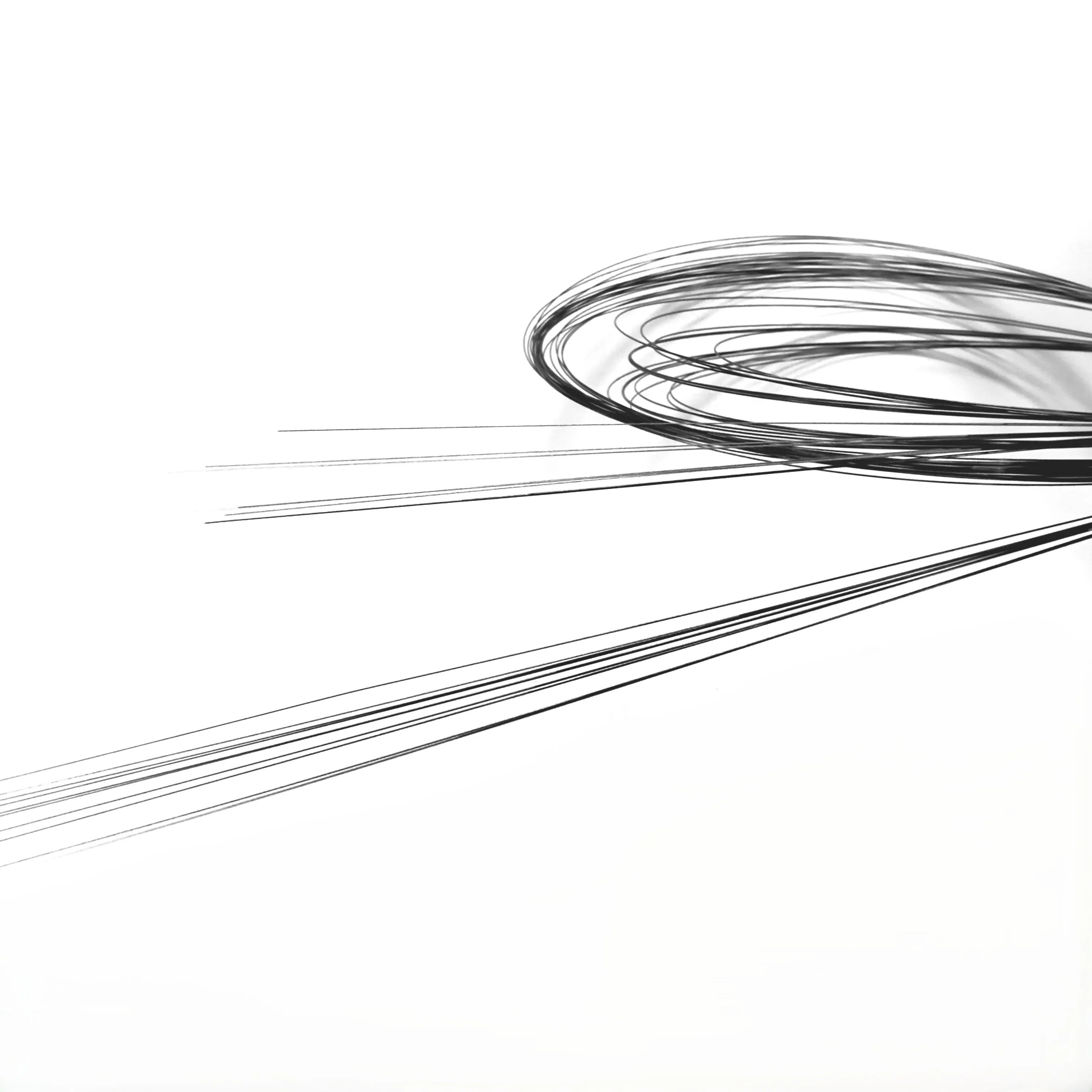
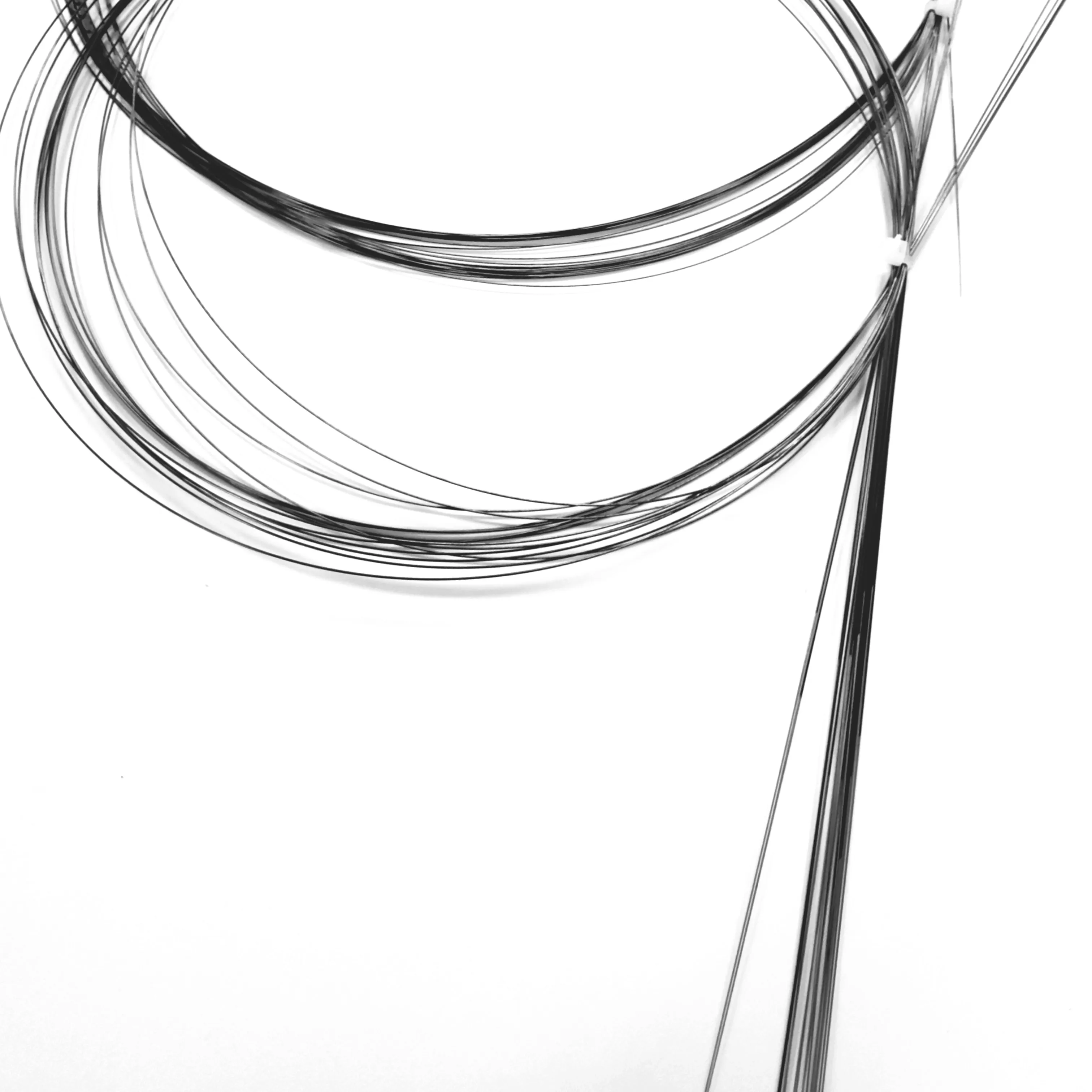
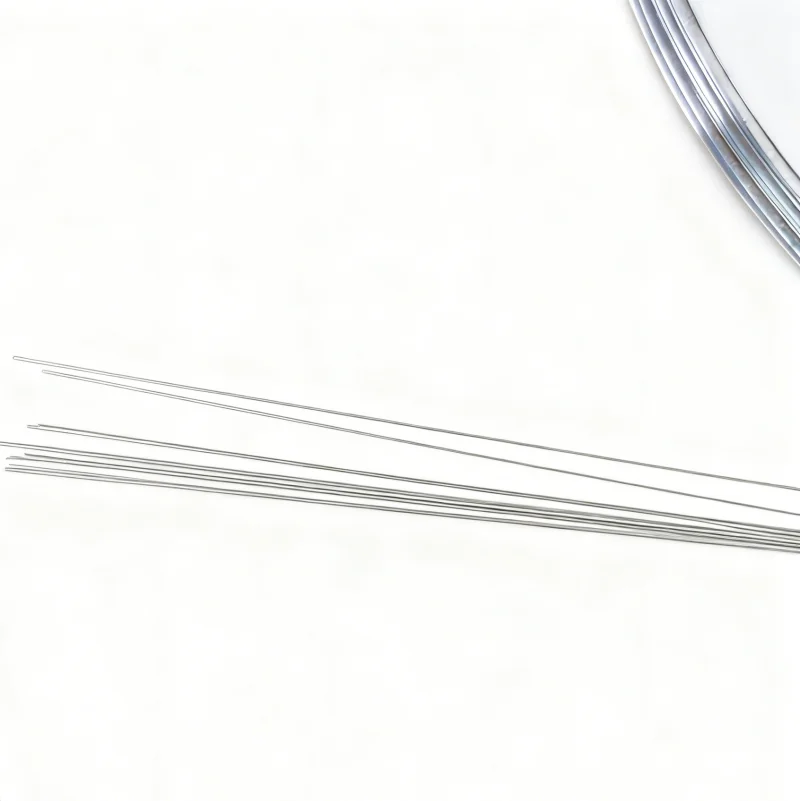
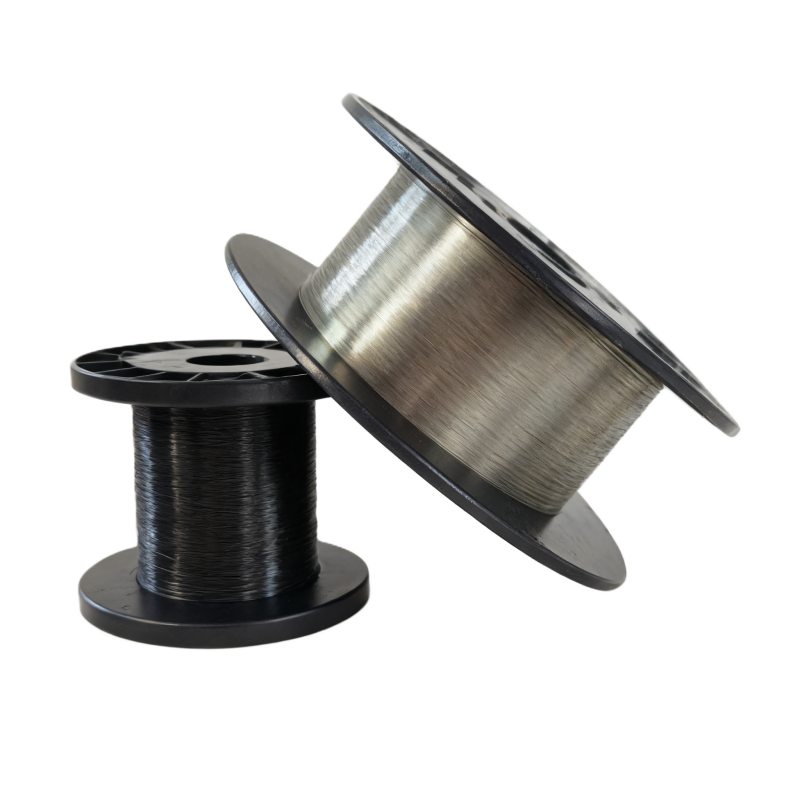
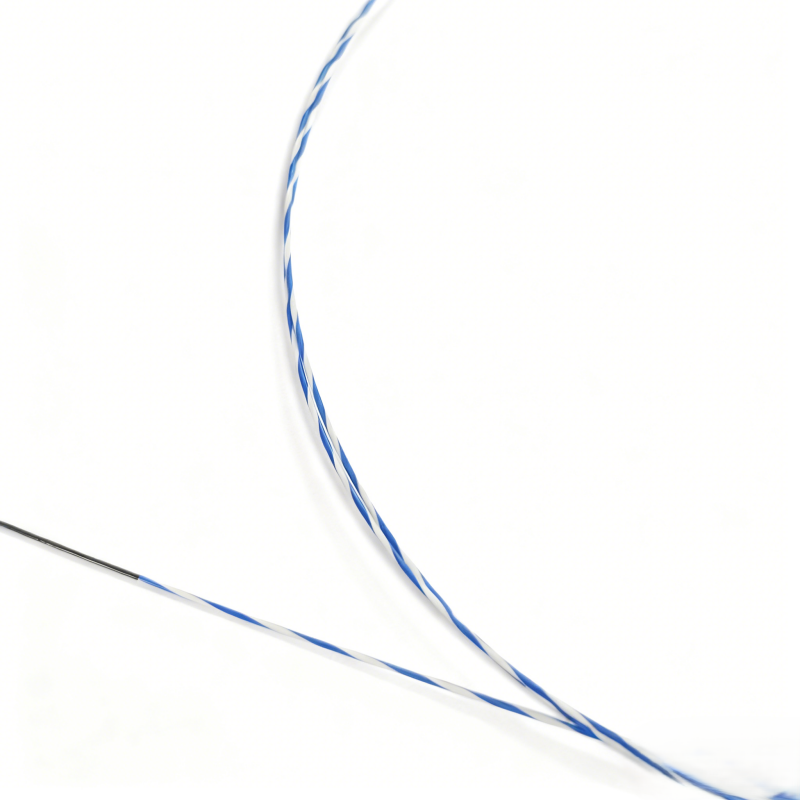
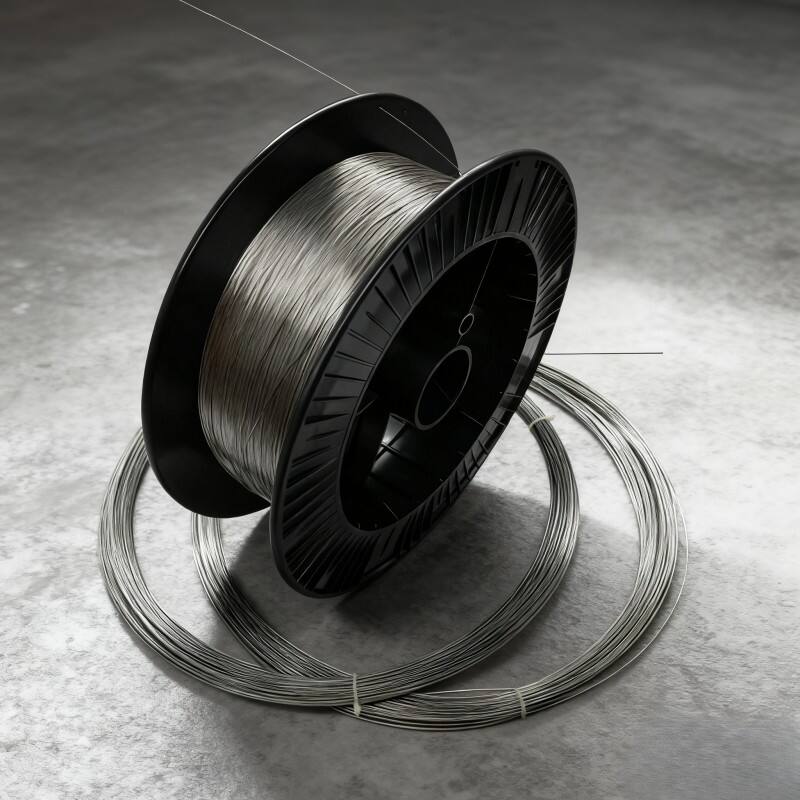
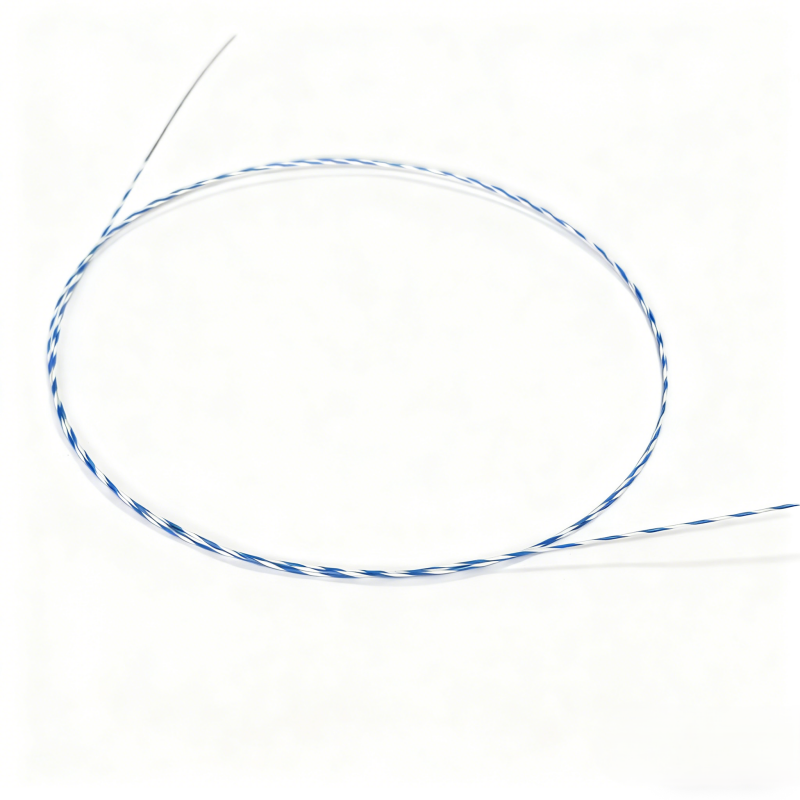
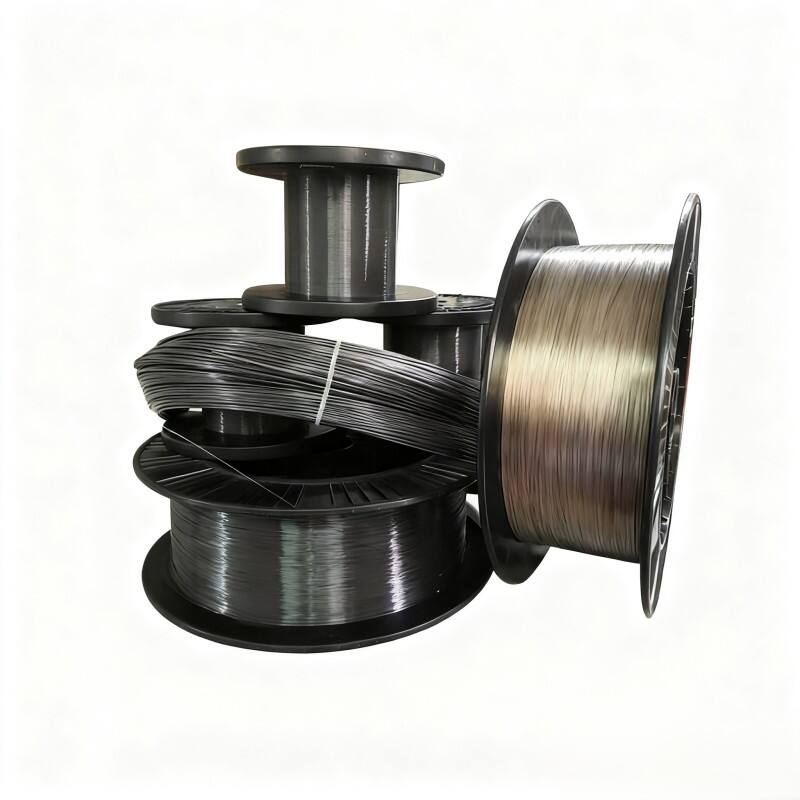
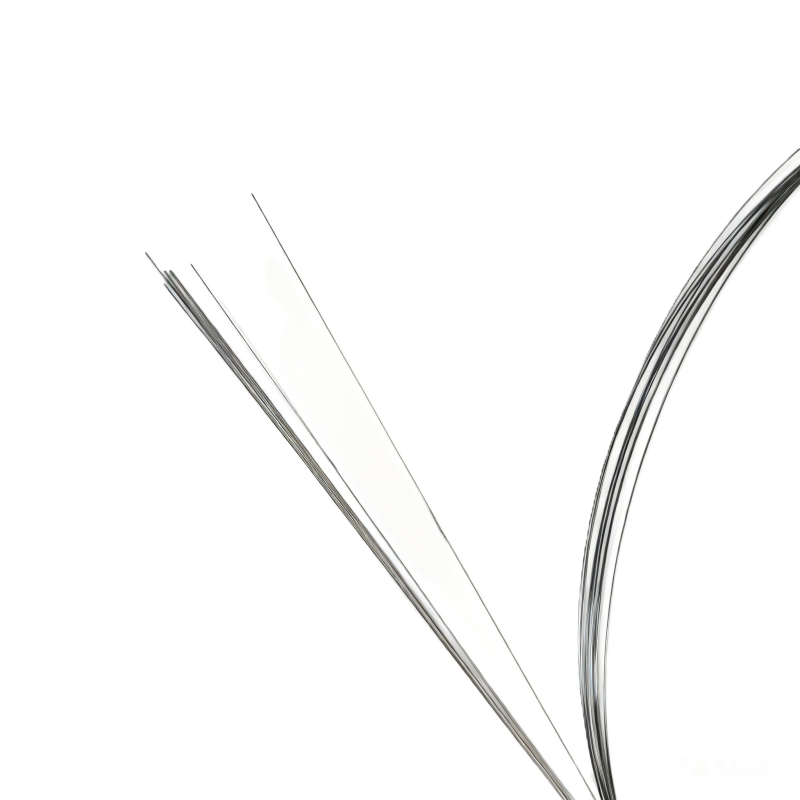
Nitinol stent material represents a revolutionary advancement in medical device technology, combining unique physical properties with exceptional biocompatibility to address critical challenges in minimally invasive procedures. This remarkable alloy, composed of nearly equal parts nickel and titanium, has transformed the landscape of interventional medicine through its distinctive characteristics. The nitinol stent material exhibits two fundamental properties that set it apart from conventional materials: superelasticity and shape memory effect. Superelasticity allows the material to undergo significant deformation and return to its original shape upon stress removal, while the shape memory effect enables the stent to recover its predetermined configuration when exposed to specific temperature changes. These properties make nitinol stent material ideally suited for deployment in complex anatomical structures where flexibility and adaptability are paramount. In cardiovascular applications, nitinol stent material provides crucial support to blood vessels, maintaining patency and ensuring proper blood flow after angioplasty procedures. The material's ability to conform to vessel geometry reduces trauma during insertion and promotes better long-term outcomes. Beyond vascular interventions, nitinol stent material serves diverse medical fields including gastroenterology, urology, and pulmonology. The technological features of this material include exceptional fatigue resistance, allowing stents to withstand millions of compression and expansion cycles without structural failure. This durability proves essential in dynamic anatomical locations subject to constant movement and physiological stress. The biocompatibility of nitinol stent material minimizes adverse tissue reactions, promoting healing and reducing complications. Surface treatments and manufacturing processes enhance these characteristics, optimizing the material for specific clinical applications. The radiopacity of nitinol stent material facilitates accurate placement under fluoroscopic guidance, ensuring precise positioning during interventional procedures. Manufacturing techniques have evolved to produce nitinol stent material with highly controlled microstructures, enabling customization of mechanical properties to match specific clinical requirements and anatomical considerations.

New Products

The nitinol stent material offers compelling practical benefits that directly impact patient outcomes and procedural success rates. First and foremost, the flexibility of this material allows doctors to navigate through tortuous blood vessels and complex anatomical pathways with remarkable ease. Unlike rigid alternatives, nitinol stent material bends and flexes during insertion, reducing the risk of vessel injury and making procedures safer for patients. This flexibility translates to shorter procedure times and less radiation exposure during image-guided interventions. The self-expanding nature of nitinol stent material eliminates the need for high-pressure balloon inflation in many cases, reducing procedural complexity and potential complications. When the delivery system releases the stent, the nitinol stent material automatically expands to its predetermined size, gently conforming to the vessel walls and providing uniform support. This characteristic proves particularly valuable in treating vessels with irregular shapes or varying diameters. Patients benefit from the exceptional durability of nitinol stent material, which withstands the constant mechanical stress imposed by bodily movements and physiological functions. The material resists fracture and maintains structural integrity over extended periods, reducing the likelihood of stent failure and the need for repeat interventions. The biocompatible properties of nitinol stent material promote natural healing processes, allowing tissue to integrate smoothly with the device while minimizing inflammation and rejection risks. This compatibility leads to better long-term results and improved quality of life for patients. The temperature-responsive behavior of nitinol stent material enables innovative deployment strategies, where the device remains compact during insertion and expands upon reaching body temperature, simplifying the placement process. Medical professionals appreciate the consistent performance of nitinol stent material across diverse patient populations and anatomical variations. The material maintains its mechanical properties within physiological temperature ranges, ensuring reliable function regardless of environmental conditions. For healthcare facilities, nitinol stent material offers economic advantages through reduced complication rates and lower rates of reintervention. The combination of safety, effectiveness, and durability makes this material a cost-effective choice for long-term patient management. The versatility of nitinol stent material allows manufacturers to create devices for multiple medical specialties, from cardiovascular interventions to airway management, providing healthcare providers with comprehensive treatment options. Patients experience faster recovery times compared to traditional surgical approaches, with minimal scarring and reduced post-procedure discomfort. The nitinol stent material enables outpatient procedures in many cases, allowing patients to return home the same day and resume normal activities more quickly than conventional treatments would permit.

Tips And Tricks

Why is high-stability Nitinol the first choice for equipment in extreme conditions?

12

May

Why is high-stability Nitinol the first choice for equipment in extreme conditions?

When equipment must perform reliably under mechanical stress, thermal cycling, and repeated deformation, material selection becomes a critical engineering decision. Nitinol, the nickel-titanium shape memory alloy, has earned a dominant position in de...
View More
Why is phase transition stability of nickel titanium wire key to actuator success?

13

May

Why is phase transition stability of nickel titanium wire key to actuator success?

In the world of precision actuators, the materials used to generate motion are not merely components — they are the foundation of reliability. nickel titanium wire has emerged as one of the most compelling active materials in modern actuator engineer...
View More
Why do orthodontists prefer using orthodontic wire with shape memory?

15

May

Why do orthodontists prefer using orthodontic wire with shape memory?

In modern orthodontic practice, the materials used to move teeth are just as important as the clinical techniques applied. Among the many innovations that have transformed the field, orthodontic wire with shape memory stands out as one of the most cl...
View More
Why is Starspring's Nitinol metal at the forefront of the smart drive industry?

19

May

Why is Starspring's Nitinol metal at the forefront of the smart drive industry?

The smart drive industry is defined by its relentless demand for materials that can do more with less — components that respond intelligently to their environment, endure repeated mechanical cycles, and perform with precision in applications ranging ...
View More

Get a Free Quote

Our representative will contact you soon.
Email
Name
Company Name
Message
0/1000

nitinol stent material

Revolutionary Superelasticity for Optimal Vessel Adaptation

Revolutionary Superelasticity for Optimal Vessel Adaptation

The superelastic property of nitinol stent material stands as one of its most significant advantages, fundamentally changing how medical devices interact with living tissue. This remarkable characteristic allows the material to undergo deformations up to eight percent strain and spontaneously return to its original shape without permanent damage or structural compromise. For patients, this means the nitinol stent material can navigate through challenging anatomical curves and bends during insertion, then perfectly conform to the unique geometry of their blood vessels once deployed. The superelasticity ensures that the stent maintains consistent radial force against vessel walls, preventing migration and maintaining proper positioning over time. Unlike traditional materials that might lose their shape or structural integrity under repeated stress, nitinol stent material continuously adapts to natural body movements, breathing cycles, and cardiovascular pulsations without degradation. This dynamic responsiveness proves particularly crucial in coronary arteries and peripheral vessels that experience constant motion and pressure changes. The material's ability to accommodate vessel remodeling over time represents another significant benefit, as it adjusts to physiological changes without causing excessive stress on surrounding tissues. Medical professionals value how superelasticity simplifies deployment procedures, as the nitinol stent material naturally seeks its predetermined configuration, reducing the technical difficulty of accurate placement. The consistent mechanical behavior of this property across different sizes and configurations allows for standardized procedural protocols, improving safety and predictability. Patients with challenging anatomies, including tortuous vessels or multiple lesions, particularly benefit from the conformability that superelasticity provides. The nitinol stent material's ability to distribute forces evenly along its length minimizes point stresses that could lead to tissue damage or device failure. Research has demonstrated that the superelastic nature of nitinol stent material contributes to improved patency rates and reduced restenosis compared to alternative materials. This property enables thinner strut designs without compromising structural strength, resulting in lower profiles that facilitate easier delivery and potentially reduced thrombogenicity.
Exceptional Fatigue Resistance for Long-Term Reliability

Exceptional Fatigue Resistance for Long-Term Reliability

The outstanding fatigue resistance of nitinol stent material provides patients and healthcare providers with confidence in long-term device performance, a critical consideration for implantable medical devices expected to function throughout a patient's lifetime. Laboratory testing has demonstrated that nitinol stent material can endure tens of millions of loading cycles without structural failure, far exceeding the performance of conventional stainless steel or cobalt-chromium alloys. This extraordinary durability stems from the unique crystallographic structure of the nickel-titanium alloy, which allows atomic-level deformations to occur reversibly without accumulating permanent damage. For patients, this translates to reduced risk of stent fracture, a complication that can lead to serious medical consequences including vessel re-narrowing, migration, or embolization of broken fragments. The fatigue resistance of nitinol stent material proves especially valuable in dynamic anatomical locations such as the superficial femoral artery, which experiences significant compression and flexion with each step a patient takes. Clinical studies have shown that nitinol stent material maintains structural integrity in these demanding applications where other materials have demonstrated unacceptably high fracture rates. The material's resistance to cyclic loading also ensures that the therapeutic benefits of the stent persist over time, maintaining vessel patency and preventing the return of symptoms that necessitated intervention. Healthcare providers benefit from reduced rates of device-related complications and fewer reintervention procedures, improving patient outcomes while controlling healthcare costs. The reliability of nitinol stent material allows for its use in younger patients who will require decades of device performance, expanding treatment options for populations previously considered challenging to manage with permanent implants. Manufacturing advances have further optimized the fatigue characteristics of nitinol stent material through precise control of composition, thermomechanical processing, and surface finishing. These refinements have resulted in devices that can withstand the complex, multiaxial stress states encountered in actual physiological conditions. The predictable failure modes of nitinol stent material, when they do occur, typically involve gradual performance changes rather than catastrophic fractures, providing additional safety margins for patients.
Superior Biocompatibility Promoting Natural Healing

Superior Biocompatibility Promoting Natural Healing

The exceptional biocompatibility of nitinol stent material represents a cornerstone of its clinical success, enabling the body to accept and integrate these devices with minimal adverse reactions. This compatibility arises from the formation of a stable titanium oxide layer on the surface of nitinol stent material, which acts as a protective barrier preventing the release of nickel ions into surrounding tissues while presenting a biologically inert interface to cells and proteins. For patients, superior biocompatibility means reduced risk of allergic reactions, decreased inflammation at the implant site, and lower likelihood of excessive tissue growth that could compromise stent function. The nitinol stent material promotes a balanced healing response, allowing endothelial cells to cover the device surface naturally while avoiding the aggressive neointimal hyperplasia that can lead to restenosis. Research has demonstrated that the surface characteristics of nitinol stent material support proper cell adhesion and proliferation patterns that mirror normal vessel healing processes. This biological harmony reduces the need for prolonged anti-platelet therapy in some applications, potentially decreasing bleeding risks and simplifying long-term medication management for patients. Healthcare providers appreciate how the biocompatibility of nitinol stent material contributes to more predictable clinical outcomes across diverse patient populations, including those with complex medical histories or multiple comorbidities. The material's resistance to corrosion ensures that its biocompatible properties remain stable throughout the device's functional lifetime, maintaining tissue compatibility indefinitely. Advanced surface modification techniques can further enhance the biocompatibility of nitinol stent material, incorporating drug-eluting coatings or bioactive molecules that promote specific cellular behaviors. These modifications leverage the inherently favorable biological properties of the base material while adding targeted therapeutic capabilities. The low thrombogenicity of nitinol stent material reduces the risk of clot formation on device surfaces, a critical safety consideration for devices placed in blood-contacting environments. Clinical experience has shown that nitinol stent material rarely triggers hypersensitivity reactions, even in patients with known metal sensitivities, due to the protective oxide layer that isolates reactive components. The compatibility extends beyond immediate tissue responses to include long-term physiological integration, where the nitinol stent material becomes incorporated into the natural structure of vessels without causing chronic inflammation or progressive tissue damage.
Nitinol Stent Material: Advanced Superelastic Alloy for Medical Devices | Superior Flexibility and Biocompatibility

Get a Free Quote

Our representative will contact you soon.
Email
Name
Company Name
Message
0/1000
Newsletter
Please Leave A Message With Us