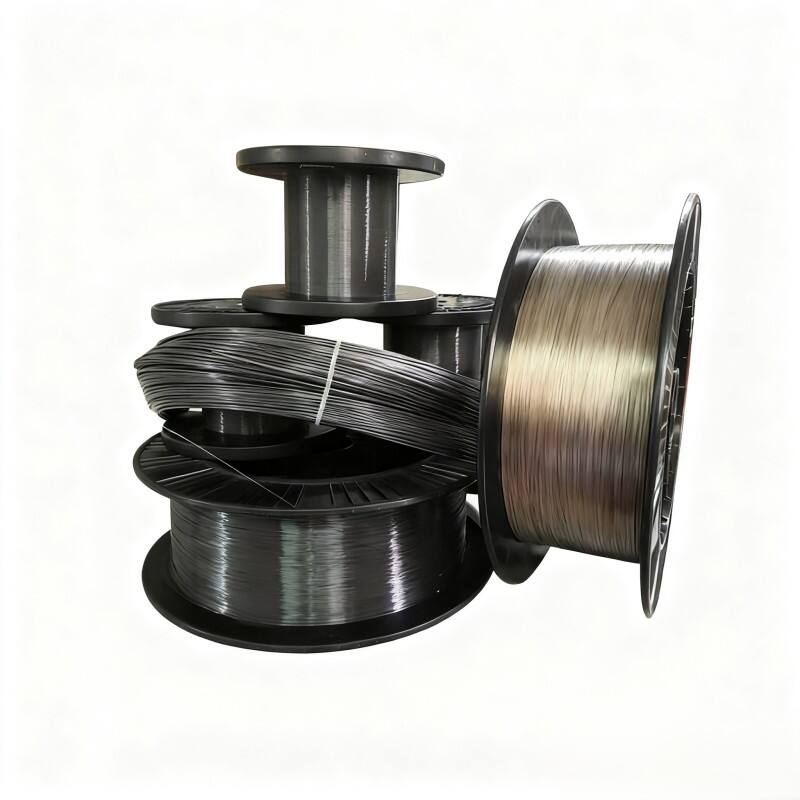
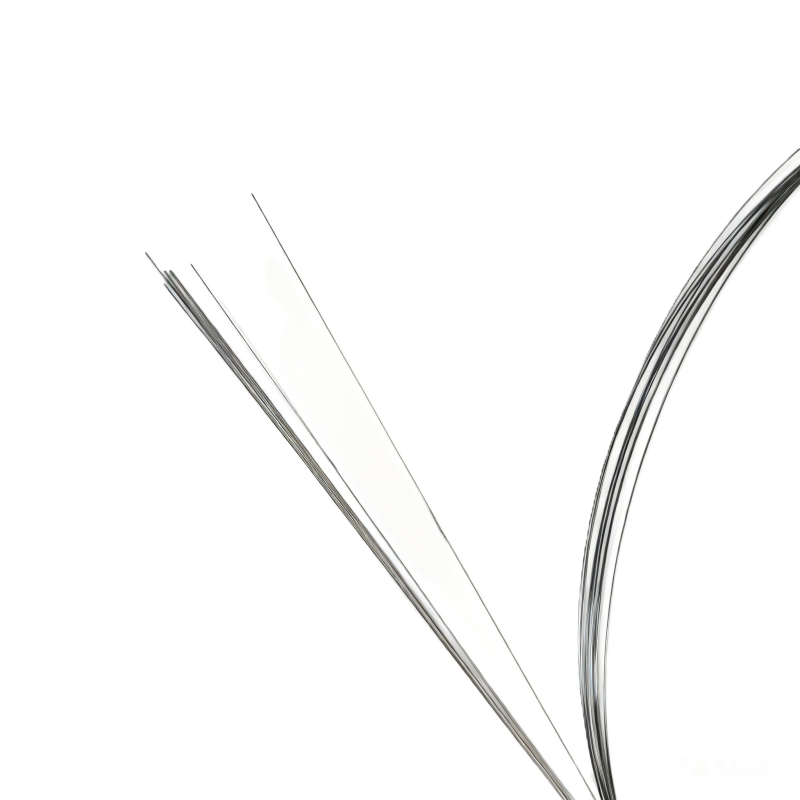
Exceptional Fatigue Resistance for Long-Term Reliability
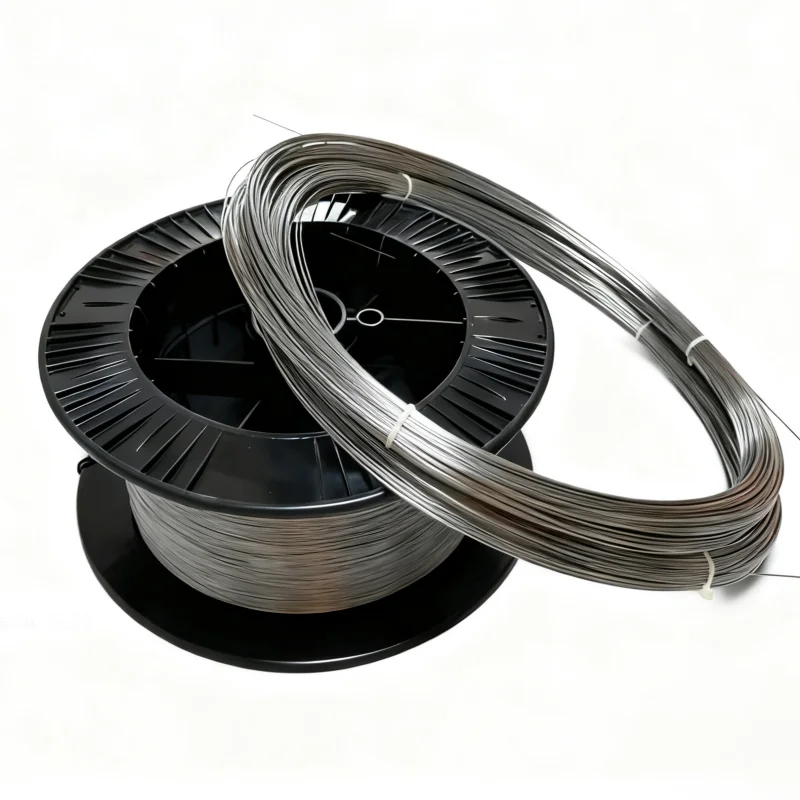
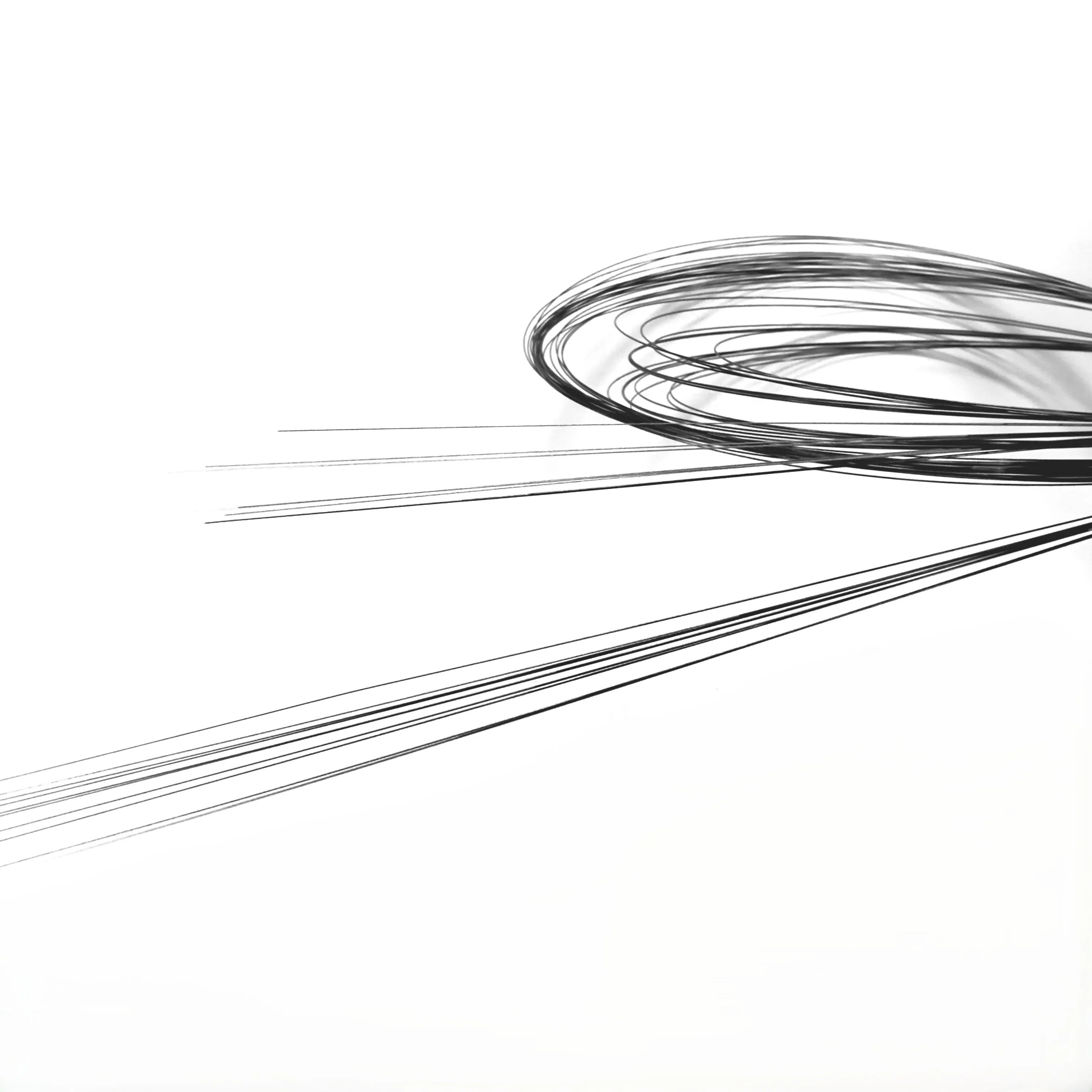
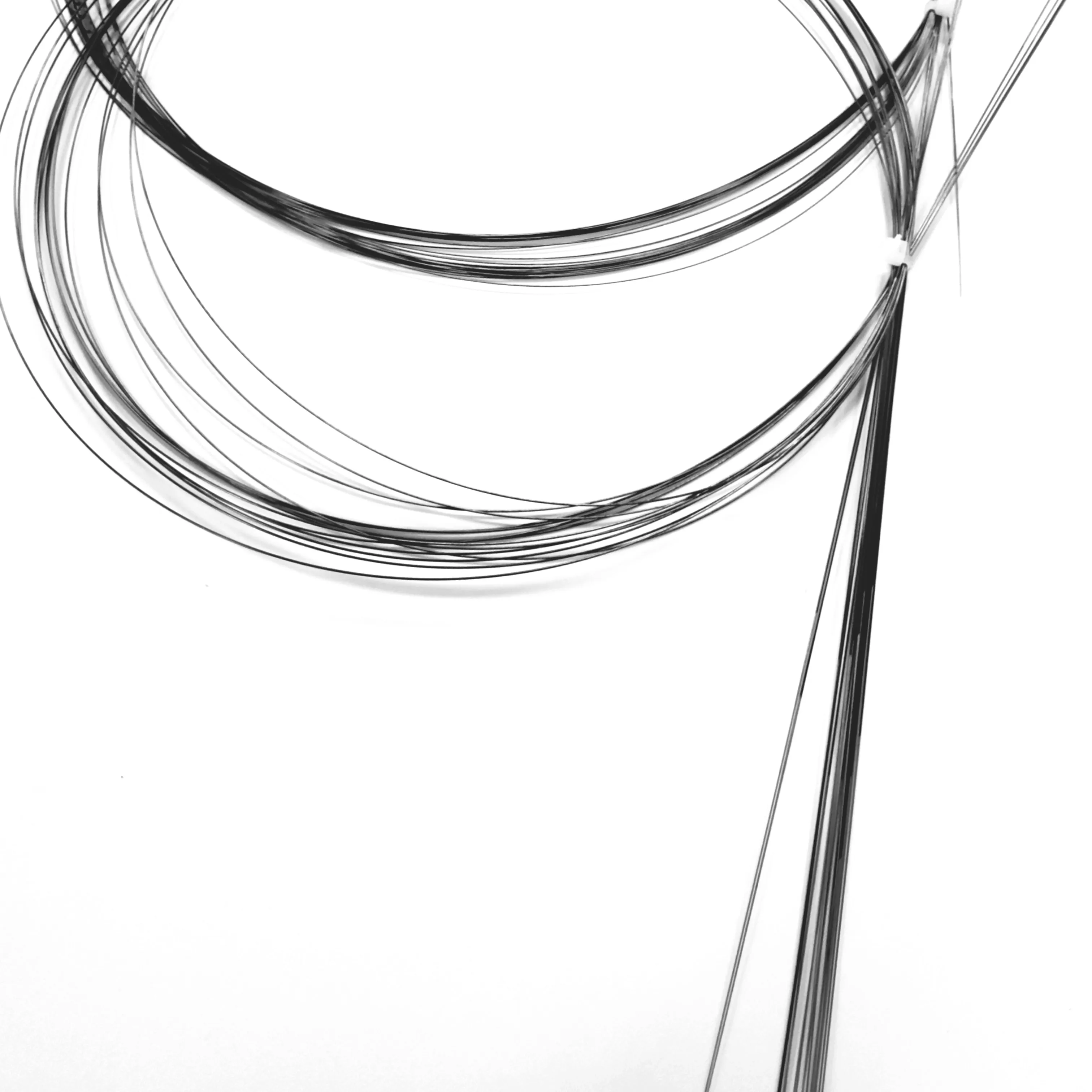
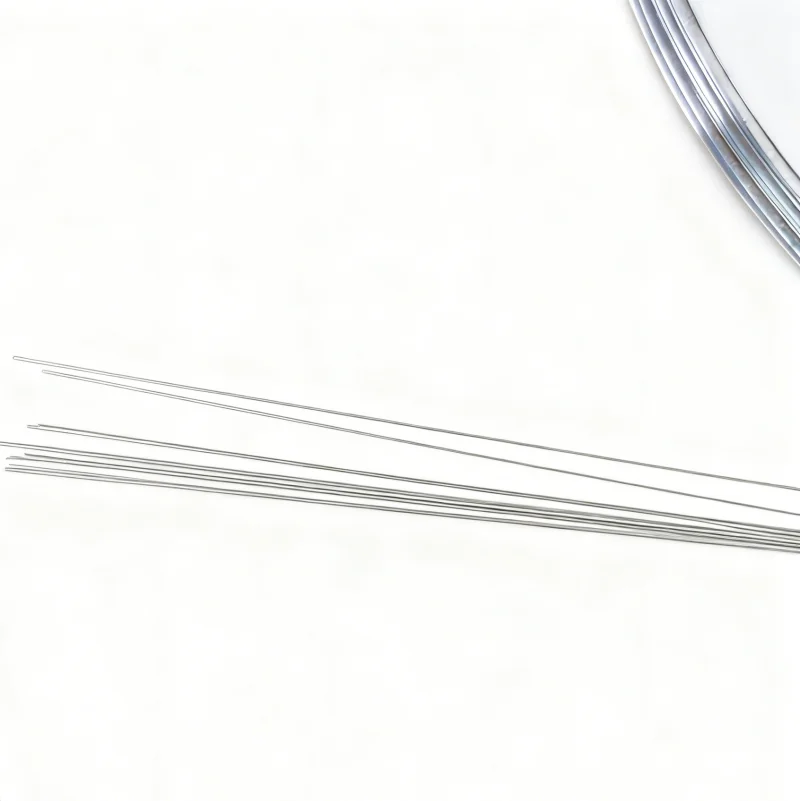
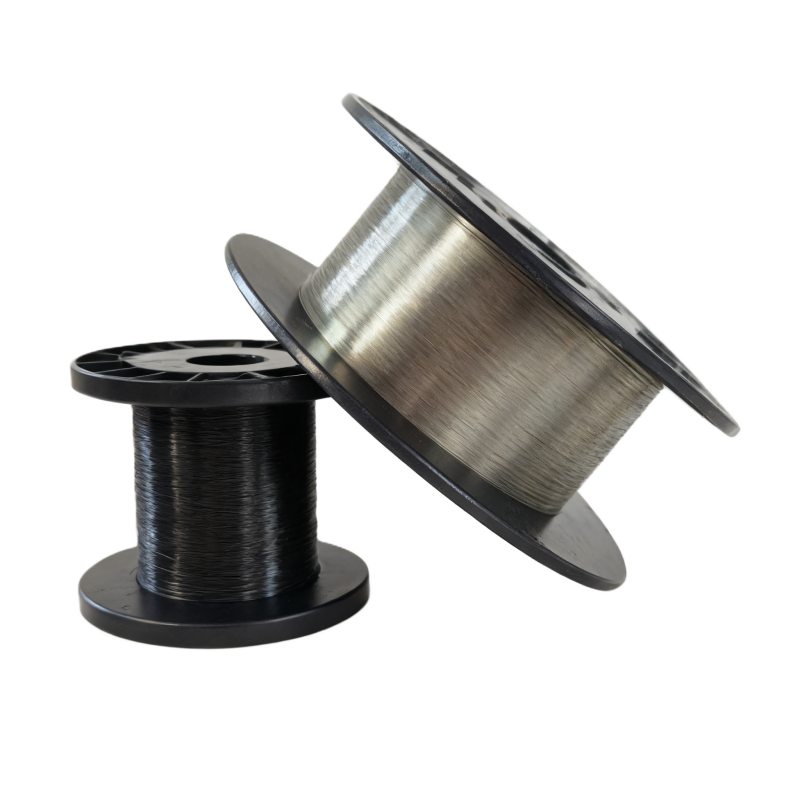
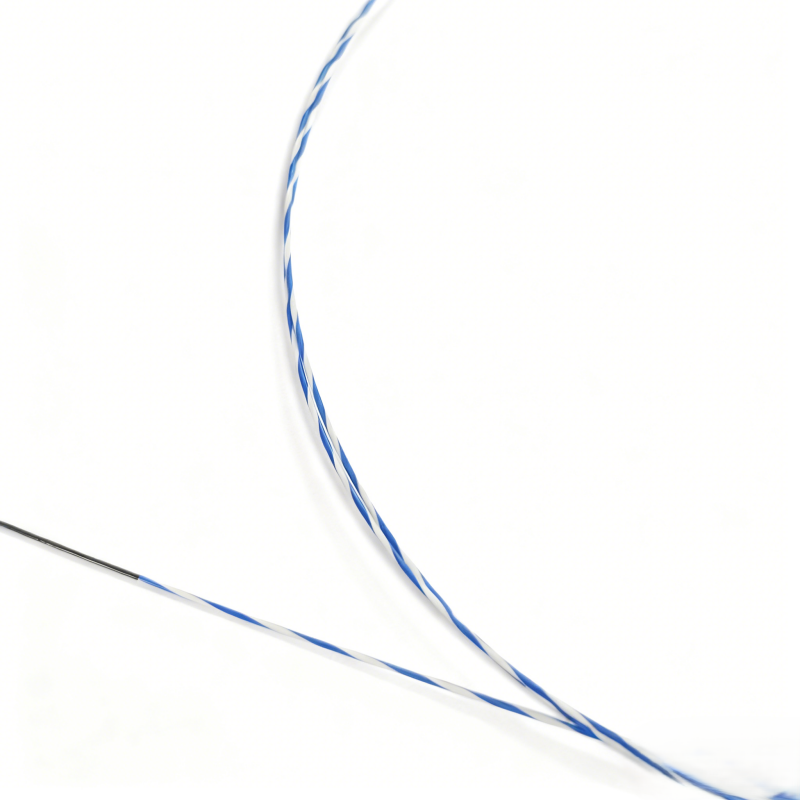
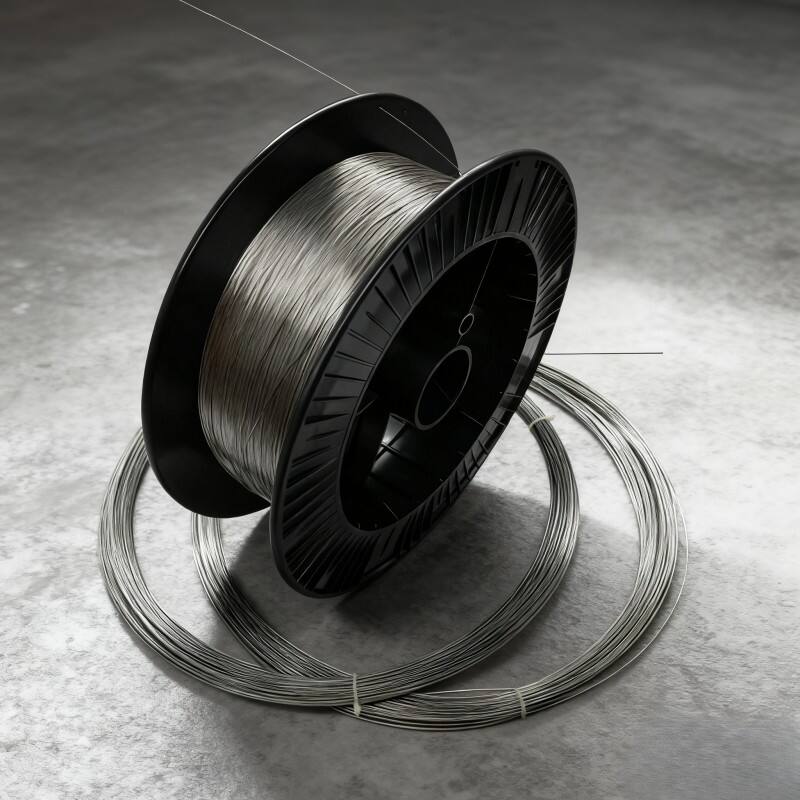
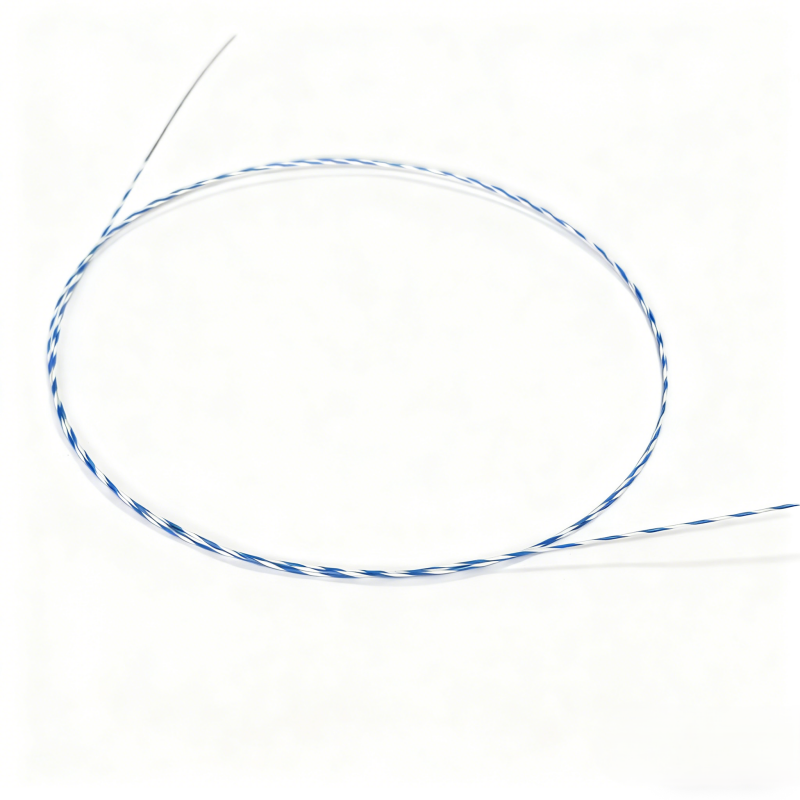
The outstanding fatigue resistance of nitinol stent material provides patients and healthcare providers with confidence in long-term device performance, a critical consideration for implantable medical devices expected to function throughout a patient's lifetime. Laboratory testing has demonstrated that nitinol stent material can endure tens of millions of loading cycles without structural failure, far exceeding the performance of conventional stainless steel or cobalt-chromium alloys. This extraordinary durability stems from the unique crystallographic structure of the nickel-titanium alloy, which allows atomic-level deformations to occur reversibly without accumulating permanent damage. For patients, this translates to reduced risk of stent fracture, a complication that can lead to serious medical consequences including vessel re-narrowing, migration, or embolization of broken fragments. The fatigue resistance of nitinol stent material proves especially valuable in dynamic anatomical locations such as the superficial femoral artery, which experiences significant compression and flexion with each step a patient takes. Clinical studies have shown that nitinol stent material maintains structural integrity in these demanding applications where other materials have demonstrated unacceptably high fracture rates. The material's resistance to cyclic loading also ensures that the therapeutic benefits of the stent persist over time, maintaining vessel patency and preventing the return of symptoms that necessitated intervention. Healthcare providers benefit from reduced rates of device-related complications and fewer reintervention procedures, improving patient outcomes while controlling healthcare costs. The reliability of nitinol stent material allows for its use in younger patients who will require decades of device performance, expanding treatment options for populations previously considered challenging to manage with permanent implants. Manufacturing advances have further optimized the fatigue characteristics of nitinol stent material through precise control of composition, thermomechanical processing, and surface finishing. These refinements have resulted in devices that can withstand the complex, multiaxial stress states encountered in actual physiological conditions. The predictable failure modes of nitinol stent material, when they do occur, typically involve gradual performance changes rather than catastrophic fractures, providing additional safety margins for patients.

 EN
EN