
 EN
EN



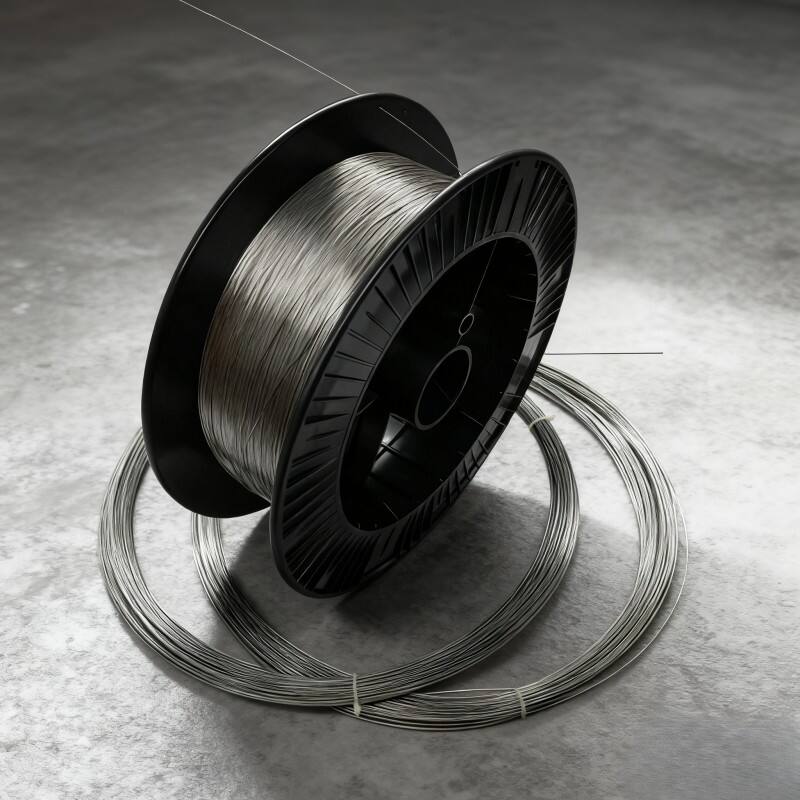
In modern orthodontic practice, the materials used to move teeth are just as important as the clinical techniques applied. Among the many innovations that have transformed the field, orthodontic wire with shape memory stands out as one of the most clinically significant. This type of wire, typically manufactured from nickel-titanium alloy, has fundamentally changed how orthodontists approach tooth alignment, arch development, and long-term treatment planning. Its adoption across practices worldwide is not a trend — it reflects a deep, evidence-based preference rooted in measurable clinical outcomes.
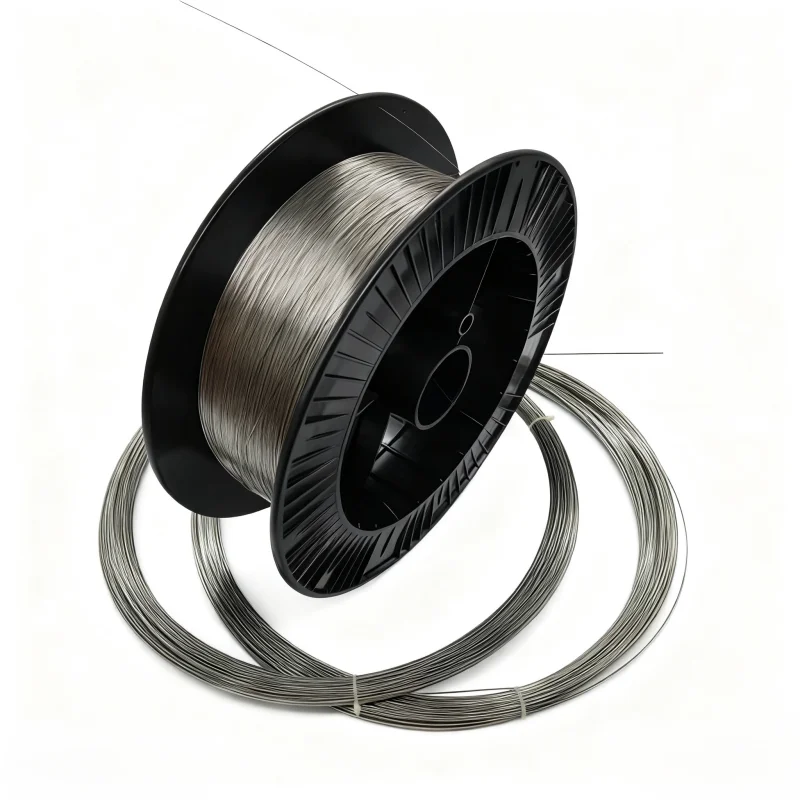
Understanding why orthodontists consistently choose orthodontic wire with shape memory requires looking at both the material science behind it and the practical realities of patient care. From reducing chair time to improving patient comfort during the early stages of treatment, the advantages are concrete and well-documented. This article explores the core reasons behind this professional preference, examining the biomechanical, clinical, and patient-centered factors that make shape memory wire the go-to choice for orthodontic professionals.
The Science Behind Shape Memory in Orthodontic Wire
What Shape Memory Actually Means in a Clinical Context
Shape memory refers to the ability of a material to return to a pre-defined shape after being deformed. In the context of orthodontic wire with shape memory, this property is derived from the unique crystalline structure of nickel-titanium alloys, commonly known as Nitinol. When the wire is deflected during placement into a bracket slot, it stores elastic energy and continuously exerts a gentle, consistent force as it attempts to return to its original arch form.
This behavior is fundamentally different from stainless steel wire, which deforms plastically and delivers a force that diminishes rapidly after initial placement. The shape memory effect in nickel-titanium wire means that the force delivery remains relatively constant over a longer period, which is precisely what orthodontic tooth movement requires. Teeth respond best to light, continuous forces rather than heavy, intermittent ones.
The thermally activated variant of orthodontic wire with shape memory adds another dimension: the wire becomes more active at body temperature. When placed in the mouth, the warmth of the oral environment triggers the wire to exert its corrective force, making it both responsive and clinically predictable.
Superelasticity and Its Role in Tooth Movement
Closely related to shape memory is the property of superelasticity, which allows the wire to undergo large elastic deformations without permanent distortion. A superelastic orthodontic wire with shape memory can be bent significantly to engage severely misaligned teeth and still return to its original form, delivering a controlled force throughout the process.
This is particularly valuable in the initial stages of orthodontic treatment, where teeth may be significantly rotated, tipped, or displaced. Traditional wires would either fail to engage these teeth or would deliver excessive force that could damage the periodontal ligament. Superelastic shape memory wire navigates this challenge by accommodating large deflections while maintaining a biologically appropriate force level.
The combination of shape memory and superelasticity in a single wire material gives orthodontists a tool that is both forgiving during placement and effective during treatment. This dual property is a primary reason why orthodontic wire with shape memory has become the standard choice for the leveling and aligning phase of treatment.
Clinical Advantages That Drive Orthodontist Preference
Consistent and Biologically Appropriate Force Delivery
One of the most compelling clinical reasons orthodontists prefer orthodontic wire with shape memory is its ability to deliver consistent, low-level forces over extended periods. Biological tooth movement depends on a cascade of cellular responses within the periodontal ligament and alveolar bone. These responses are optimized when forces are light and continuous, not heavy and intermittent.
Stainless steel and other conventional wires tend to deliver high initial forces that drop off quickly as the wire deforms. This force decay means the wire becomes clinically ineffective between appointments, requiring more frequent adjustments. In contrast, orthodontic wire with shape memory maintains its force output across a wider range of deflection, keeping the biological process of tooth movement active throughout the appointment interval.
For the orthodontist, this translates into more predictable treatment progression. Teeth move more consistently, arch development proceeds as planned, and the overall treatment timeline becomes easier to manage. The reliability of force delivery is not a minor convenience — it is a core clinical advantage that directly affects treatment quality.
Reduced Need for Wire Changes and Chair Time Efficiency
Because orthodontic wire with shape memory remains effective over longer periods, orthodontists can extend the intervals between wire changes without compromising treatment progress. This has a direct impact on practice efficiency. Fewer wire changes mean fewer appointments dedicated to archwire replacement, freeing up chair time for more complex clinical tasks.
In a busy orthodontic practice, this efficiency is significant. Each appointment saved represents both a cost reduction and an improvement in patient scheduling flexibility. Patients appreciate fewer visits, and the practice benefits from a more streamlined workflow. The wire's durability and sustained performance make it a practical choice from an operational standpoint as well as a clinical one.
Additionally, the ease of placement associated with superelastic orthodontic wire with shape memory reduces the physical effort required during appointments. The wire can be ligated into brackets even when teeth are severely displaced, without the need for excessive force or auxiliary mechanics. This simplifies the clinical procedure and reduces the risk of bracket debonding during wire placement.
Patient-Centered Benefits That Reinforce Clinical Choice
Improved Comfort During the Early Treatment Phase
Patient comfort is a significant factor in orthodontic treatment compliance, and orthodontic wire with shape memory offers a meaningful advantage here. Because the wire delivers lighter, more graduated forces, patients typically experience less soreness and discomfort following appointments compared to treatment with heavier conventional wires.
The early stages of orthodontic treatment are often the most uncomfortable, as teeth begin to move and the surrounding tissues respond. Using a shape memory wire during this phase helps manage the intensity of that discomfort. Patients who experience less pain are more likely to maintain good oral hygiene, comply with treatment instructions, and attend appointments consistently — all of which contribute to better outcomes.
Orthodontists who prioritize patient experience recognize that the choice of wire material is not purely a technical decision. It is also a patient management decision. Selecting orthodontic wire with shape memory for the initial leveling phase is a deliberate strategy to make the treatment journey more tolerable, particularly for younger patients or those with low pain tolerance.
Biocompatibility and Safety in Long-Term Use
Nickel-titanium alloys used in orthodontic wire with shape memory have a well-established safety profile in medical and dental applications. The titanium oxide layer that forms on the surface of the wire acts as a passive barrier, significantly reducing nickel ion release compared to other nickel-containing alloys. This makes the wire suitable for long-term intraoral use in the vast majority of patients.
For patients with documented nickel sensitivity, orthodontists can evaluate the risk-benefit profile carefully, but for the general patient population, the biocompatibility of shape memory wire is not a clinical concern. Its corrosion resistance in the oral environment also means that the wire maintains its mechanical properties throughout the treatment period without degradation.
The combination of biocompatibility, corrosion resistance, and sustained mechanical performance makes orthodontic wire with shape memory a material that orthodontists can rely on without concern for adverse tissue reactions or premature material failure. This reliability is a foundational reason for its widespread adoption in clinical practice.
Treatment Planning Advantages Across Different Case Types
Versatility Across Mild to Severe Malocclusions
One of the reasons orthodontic wire with shape memory is so widely used is its versatility across a broad spectrum of case complexity. In mild cases with minor crowding or spacing, the wire's gentle force delivery allows for efficient alignment without overpowering the periodontal support structures. In more severe cases involving significant crowding, rotations, or arch constriction, the superelastic properties allow the wire to engage teeth that would be impossible to ligate with a stiffer wire.
This versatility means that orthodontists do not need to maintain an extensive inventory of specialty wires for different case types during the initial treatment phase. A well-selected orthodontic wire with shape memory can serve as the primary archwire across a wide range of presentations, simplifying inventory management and clinical decision-making.
As treatment progresses and teeth become more aligned, orthodontists typically transition to stiffer wires for torque control and finishing. But the foundation laid by shape memory wire during the leveling phase is critical to the efficiency and quality of those later stages. The wire essentially prepares the arch for the more precise mechanics that follow.
Integration with Modern Bracket Systems and Aligner Protocols
Contemporary orthodontic bracket systems, including self-ligating brackets and low-friction ceramic brackets, are designed with the properties of orthodontic wire with shape memory in mind. The low-force, continuous delivery of shape memory wire pairs particularly well with self-ligating brackets, which reduce friction and allow the wire's force to be transmitted more efficiently to the tooth.
In practices that offer both fixed appliance therapy and clear aligner treatment, shape memory wire plays a role in hybrid protocols where fixed appliances are used to address specific tooth movements that aligners cannot efficiently achieve. The predictability and gentleness of orthodontic wire with shape memory make it a compatible component in these integrated treatment approaches.
The material's adaptability to evolving clinical protocols is another reason orthodontists continue to prefer it. As bracket technology and treatment philosophies advance, shape memory wire remains relevant and effective, demonstrating a longevity of clinical utility that few other materials can match.
Why Shape Memory Wire Represents a Long-Term Professional Standard
Evidence-Based Adoption Across the Profession
The preference for orthodontic wire with shape memory among orthodontists is not based on marketing or novelty. It is grounded in decades of clinical research, peer-reviewed literature, and real-world treatment outcomes. Studies consistently demonstrate that nickel-titanium shape memory wires produce more efficient tooth movement during the leveling phase compared to conventional alternatives, with lower patient-reported discomfort and fewer adverse events.
This evidence base has made shape memory wire a standard component of orthodontic education. Dental students and orthodontic residents are trained to use it as part of the foundational treatment sequence, ensuring that the next generation of practitioners enters the profession with a thorough understanding of its properties and applications. The wire is not a specialty item — it is a core clinical tool.
For practicing orthodontists, the decision to use orthodontic wire with shape memory is reinforced by continuing education, professional society guidelines, and the accumulated experience of treating thousands of patients. The wire has earned its place in the standard of care through consistent, reproducible performance across diverse clinical settings.
Material Quality and Sourcing Considerations
Not all orthodontic wire with shape memory products perform identically. The quality of the nickel-titanium alloy, the precision of the manufacturing process, and the consistency of the wire's cross-sectional dimensions all influence clinical performance. Orthodontists who understand these variables are selective about the sources from which they procure their wire materials.
Medical-grade nickel-titanium wire produced under rigorous quality control standards delivers the consistent force profiles and dimensional accuracy that clinical use demands. Variations in alloy composition or manufacturing tolerances can result in unpredictable force delivery, which undermines the very advantages that make shape memory wire clinically valuable.
For this reason, sourcing orthodontic wire with shape memory from suppliers with documented quality management systems and medical device compliance is a professional responsibility. The wire's performance in the mouth is only as reliable as the quality of the material from which it is made, making procurement decisions an integral part of clinical quality assurance.
FAQ
What makes orthodontic wire with shape memory different from stainless steel wire?
Orthodontic wire with shape memory is made from nickel-titanium alloy and delivers light, continuous forces over a wide range of deflection, while stainless steel wire is stiffer, delivers higher initial forces that decay quickly, and deforms permanently under large deflections. Shape memory wire is preferred for the initial leveling phase because its force profile is more compatible with biological tooth movement.
Is orthodontic wire with shape memory safe for patients with nickel sensitivity?
For most patients, orthodontic wire with shape memory is biocompatible and safe for long-term intraoral use. The titanium oxide surface layer significantly limits nickel ion release. However, patients with confirmed nickel hypersensitivity should be evaluated individually, and alternative materials may be considered in those specific cases.
At what stage of orthodontic treatment is shape memory wire typically used?
Orthodontic wire with shape memory is most commonly used during the initial leveling and aligning phase of treatment, when teeth are most displaced and require gentle, sustained forces to begin moving into alignment. As treatment progresses, orthodontists typically transition to stiffer wires for torque control and detailed finishing mechanics.
Does using orthodontic wire with shape memory reduce the number of appointments needed?
Yes, in many cases. Because orthodontic wire with shape memory maintains its force delivery over longer periods without significant decay, orthodontists can often extend the intervals between wire changes. This reduces the total number of appointments required for the leveling phase, improving practice efficiency and patient convenience without compromising treatment outcomes.
Table of Contents
- The Science Behind Shape Memory in Orthodontic Wire
- Clinical Advantages That Drive Orthodontist Preference
- Patient-Centered Benefits That Reinforce Clinical Choice
- Treatment Planning Advantages Across Different Case Types
- Why Shape Memory Wire Represents a Long-Term Professional Standard
-
FAQ
- What makes orthodontic wire with shape memory different from stainless steel wire?
- Is orthodontic wire with shape memory safe for patients with nickel sensitivity?
- At what stage of orthodontic treatment is shape memory wire typically used?
- Does using orthodontic wire with shape memory reduce the number of appointments needed?