 ×
×
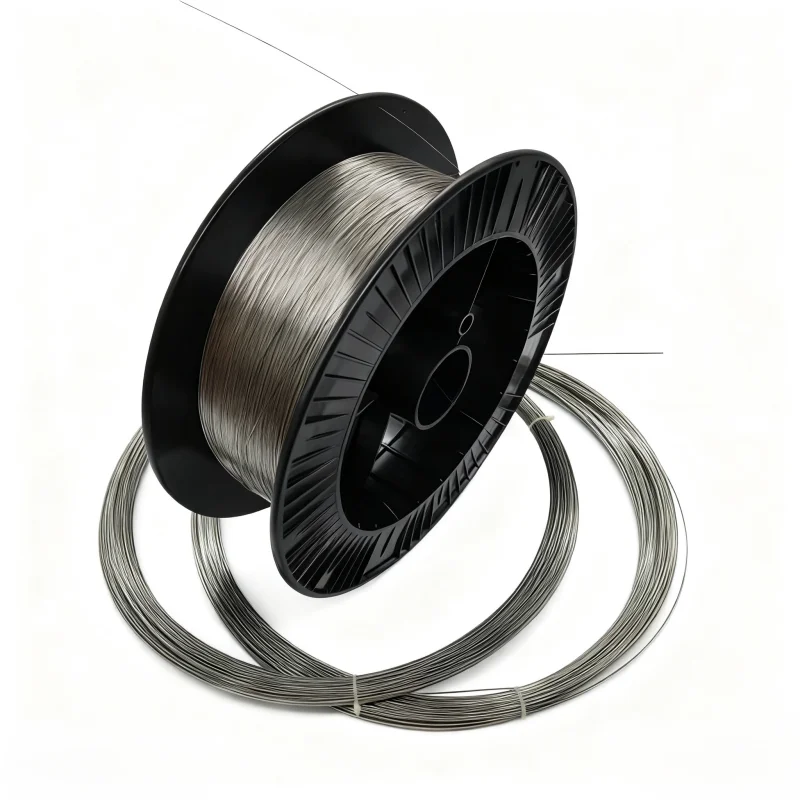
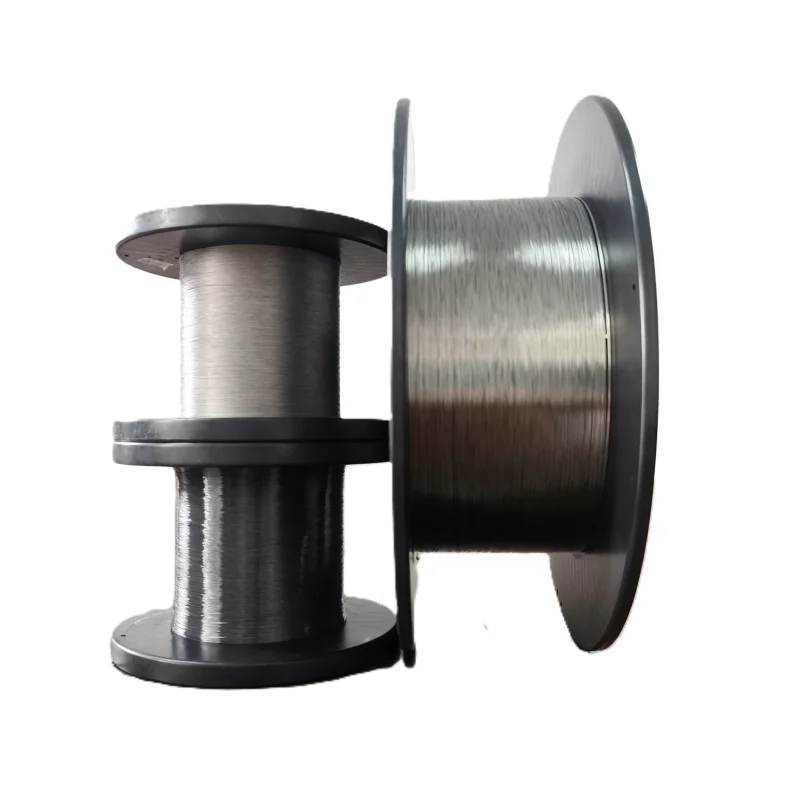
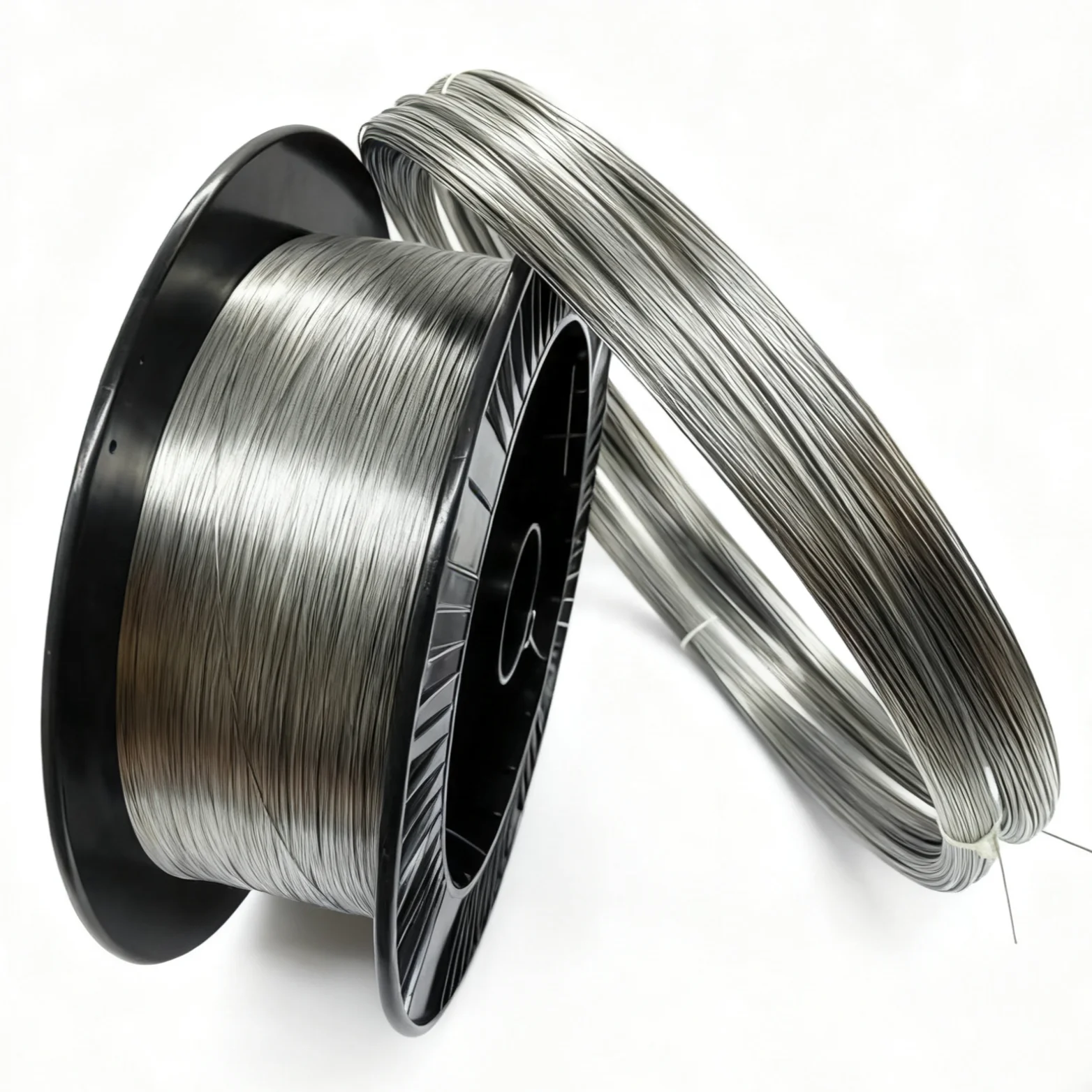
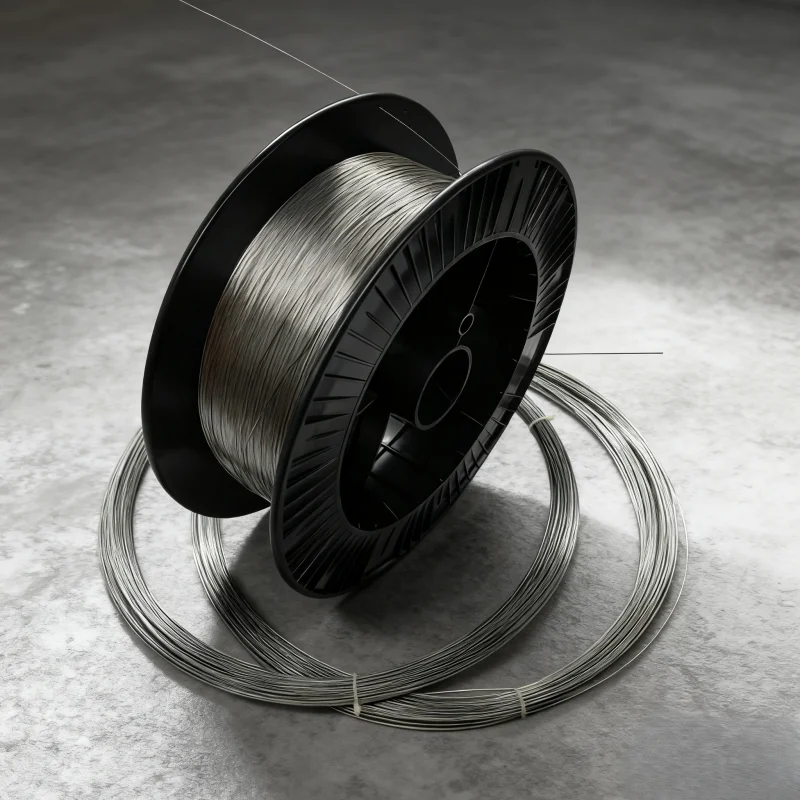
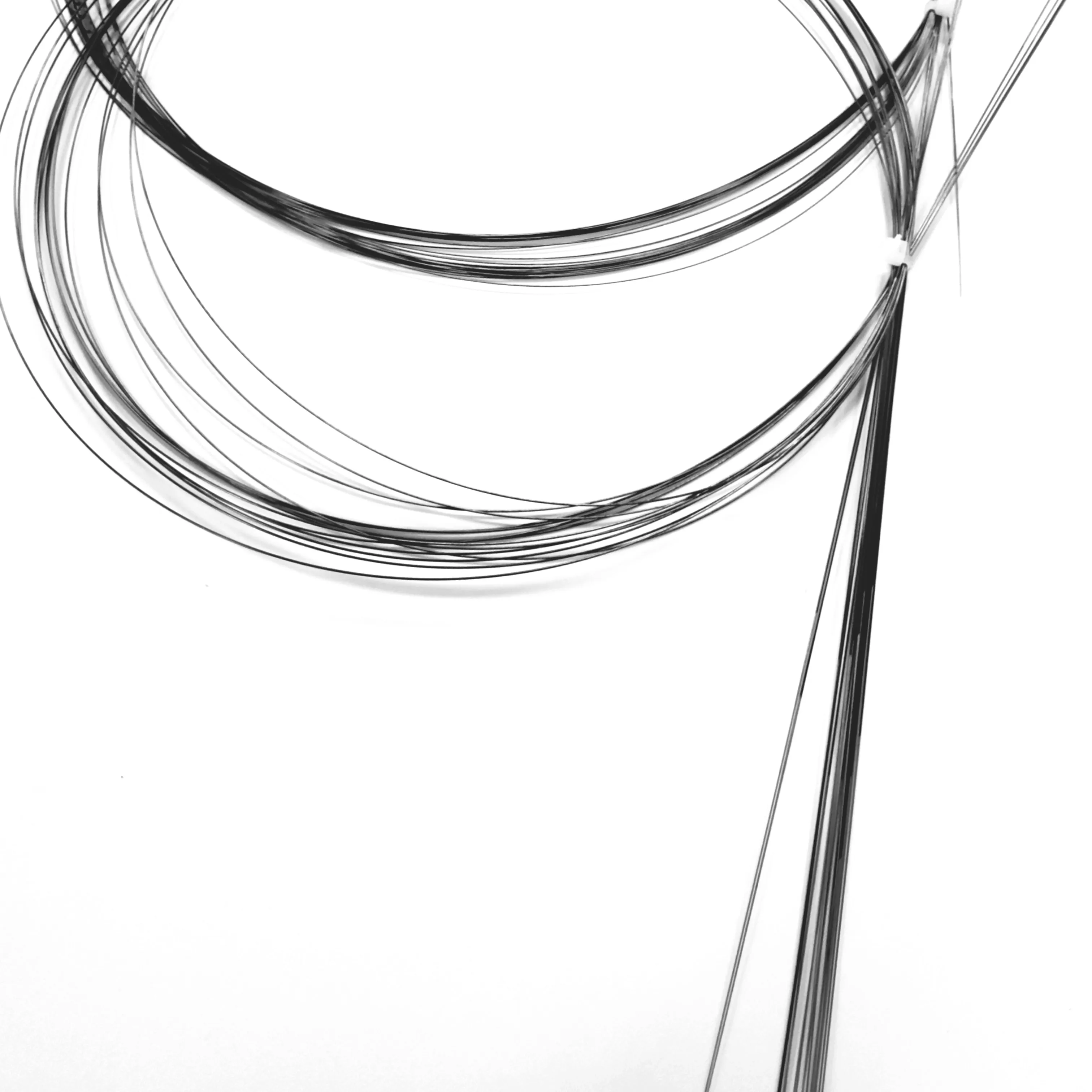
דמיינו חוט מתכתי שאפשר לעקוף, לסובב או לעוות לכל צורה שתרצו, ושהוא יחזור מייד לצורתו המקורית ברגע שתחליקו עליו מעט חום. התנהגות מרשימה זו אינה מדע בדיוני; היא המאפיין המהותי של קבוצת חומרים הידועה בשם אלומיניומים בעלי זיכרון צורה (SMAs) חומרם החכם הזה מסוגל "לזכור" צורה מוגדרת מראש ולשוב אליה לאחר עיוות, מה שהופך אותו לבלתי נזיל בתחומים מגוונים, החל מהנדסת ביומדיקה ועד לתעופה וחלליות.
סגסוגות זיכרון הצורה הן חומרים מתכתיים המפגינים שתי תכונות ייחודיות: אפקט זיכרון הצורה וגמישות על-טבעית (הידועה גם כגמישות פסאודו-אלסטית). בניגוד למתכות רגילות, אשר עוברות עיוות פלסטי קבוע בעת עקיצה או מתיחה, סגסוגות אלו מסוגלות לשחזר עיוותים גדולים – לעיתים קרובות עד 8% ממערכת המתח – פשוט על ידי שינוי הטמפרטורה או הסרת הלחץ המכאני.
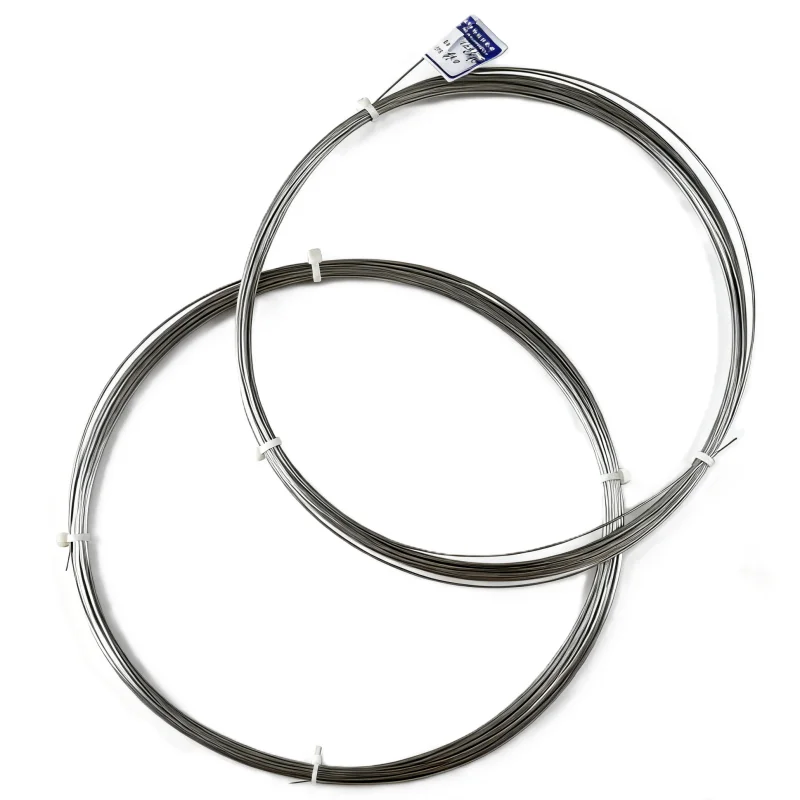
הספיגה הנפוצה ביותר וההישגית המסחרית הגדולה ביותר סגסוגת עם זיכרון צורה היא ניטינול, סגסוגת כמעט שווי-אטומית של ניקל וטיטניום (כ-55% ניקל ו-45% טיטניום לפי משקל). השם שלה נגזר מהרכבה (ניקל-טיטניום) וממעבדת הנשק הימי (Naval Ordnance Laboratory), שבה התגלה החומר בשנות ה-60 של המאה העשרים. סגסוגות זיכרון צורה אחרות כוללות מערכות מבוססות נחושת, כגון Cu-Zn-Al ו-Cu-Al-Ni, וכן סגסוגות מבוססות ברזל ומבוססות כסף, אף על פי שניטינול נשאר הדומיננטי בגלל תכונותיו המכאניות המצוינות, התנגדותו לקלקול והתאמתו הביולוגית.
כדי להבין כיצד סגסוגת זיכרונית 'זוכרת' את צורתה, יש להביט ברמה האטומית. סגסוגות זיכרוניות עוברות המרה הפיכה במצב מוצק הנקראת המרה מרטנזיטית . המרה זו מתרחשת בין שתי מבנים גבישיים מובחנים: פאזה בטמפרטורה גבוהה הנקראת אוסטניט ופאזה בטמפרטורה נמוכה הנקראת מרטנסיט .
אוסטניט (השלב ההורי) הוא בדרך כלל מבנה גבישי קובייתי, מסודר מאוד. הוא קיים כאשר החומר נמצא מעל טווח טמפרטורות מסוים הנקרא טמפרטורת הסיום של האוסטניט (A_f). במצב זה, הלווה חזק ומשמר את הצורה "הממוזכרת" שלו.
מרטנסיט (השלב המוצר) נוצר כאשר הלווה מוקלן מתחת לטמפרטורת הסיום של המרטנזיט (M_f). מבנה הגביש מתהפך למבנה מורכב יותר, שכולל לעתים קרובות זוגיות. במצב זה, החומר רך יותר וניתן לעצב אותו בקלות. העיצוב מתרחש לא על ידי החלקה (כגון במתכות רגילות), אלא בתהליך הנקרא הסרת הזוגיות — תנועת גבולות פנימיים בתוך מבנה המרטנזיט. זה מאפשר לחומר לספוג נזילות גדולות ללא נזק קבוע.
אפקט הזיכרון הצורתי מושג באמצעות מחזור חום מדויקly מבוקר:
תכנות: הלווה מחומם מעל A_f כדי ליצור אוסטניט, ונותנים לו את הצורה הרצויה "הממוזכרת".
קירור: האליאż' מוקלן מתחת ל- M_f, מה שגורם להשתנותו לאוסטניט. במצב זה, ניתן לעקפו, לסובבו או למתוחו ביחס קלות.
הפרת צורה: החומר מושפע במצב המרטנזי. העיוות נותר קבוע מכיוון שהמבנה המרטנזי יציב בטמפרטורות נמוכות.
הִתאוֹשְׁשׁוּת: בעת החימום מעל A_f, המרטניט משתנה חזרה לאוסטניט. מאחר שאוסטניט יכול להתקיים רק בהגדרת הגביש המקורית בטמפרטורה גבוהה, החומר חוזר בכוח למצב הצורה שנקבע מראש, תוך ייצור כוח משמעותי בתהליך.
אם האליאż' מושפע כאשר הוא במצב האוסטני (מעל A_f), ייתכן שיציג על-אלסטיות במקום להתעוות פלסטית, החומר עובר התמרה המושרית מלחץ מאוסטניט למרטנזיט. כאשר הלחץ משתחרר, המרטنزיט חוזר לאוסטניט והחומר מתאושש לצורתו המקורית. תכונה זו מאפשרת לתיל ניטינול על-אלסטי להתקפל לעקומים חדים ולהתאושש מיידית — התנהגות שמשתמשים בה בגיידוויירים רפואיים ובעשיות עיניים.
합금 בעלי זיכרון צורה מציעים שילוב של תכונות שמייחדים אותם מחומרים הנדסיים קונבנציונליים:
השתנות ניתנת לשחזור גבוהה: ל합וכות זיכרון צורה יש יכולת לשחזר השתנות עד 8%, מה שמעל בהרבה את הגבול האלסטי של מתכות רגילות (בדרך כלל פחות מ-0.5%).
כוח הפעלה: במהלך שחזור הצורה, ל합וכות זיכרון צורה יש יכולת לייצר כוחות גדולים, מה שהופך אותן למתאימות כמנועים במצבי מוצק.
ה תאימות ביולוגית: ניטינול, בפרט, הוא ביוקומפטיבילי מאוד ועמיד בפני קורוזיה בנוזלים גופניים, מה שהפך אותו לחומר בסיסי במכשירים רפואיים.
יכולת בלימה: הפאזה המרטנזית מציגה בלתי רגילה בבלימת רטט, מה שמועיל ביישומים מבניים.
עמידות לermfatigue: רבות מסגסוגות הזיכרון הצורתי יכולות לעבור מאות אלפי עד מיליוני מחזורי התמרה לפני כשל, תלוי ב- יישום .
היכולות הייחודיות של חלקי ה-SMA אפשרו חדשנות שלא הייתה אפשרית בחומרים קונבנציונליים.
התחום הביורפואי הוא אולי הלקוח הגדול ביותר של חלקי ה-SMA. ההתאמה הביולוגית של ניטינול, הסופראלסטיות שלו ואפקט הזיכרון הצורתי הפכו את הניתוח המינימלי פולשני למהפכה:
סנטים: סנטים מ-Nitinol שמתפשטים מאליהם מכווצים לקוטר קטן, מוכנסים לעורק או כלי דם, ולאחר מכן מתחממים על ידי חום הגוף כדי להתפשט ולשמור על הפתיחה של הכלי. בכך נמנעת الحاجה להרחבה באמצעות בלון ברוב המקרים.
חוטי ניווט וקטטרים: חוטי ניטינול סופראלסטיים מספקים גמישות יוצאת דופן ותResistance לכיווץ, מה שמאפשר לכירורגים לנווט במסלולים וסקולריים מסובכים.
חוטי קשת אורתודונטיים: חוטי זיכרון צורה מפעילים כוח קבוע ורך להזזת השיננים, מה שמביא לירידה בצורך בהתאמות תכופות.
כלים ניתוחיים: מכשירים כגון מחבקים לאיסוף حصיות כליה ועוגנים לעצם משתמשים בזיכרון צורה כדי להתפרץ או לפעול בתוך הגוף.
בתחום האסטרונאוטיקה, חומרים בעלי זיכרון צורה (SMAs) משמשים במנועים שמעלימים מערכות מכניות או הידראוליות כבדות ומסובכות יותר. לדוגמה, חברת בואינג וסוכנות נאס"א השתמשו במנועי ניטינול כדי להפחית רעש במנועי טיסנים על ידי פרישת אלמנטים בצורת V (chevrons) שמשנים את זרימת האוויר. בהנדסת הרכב, חומרים בעלי זיכרון צורה מופיעים במנועים חכמים לסגירות אוטומטית של סורקית המנוע (active grille shutters), מזרקי דלק ומפיגי רעשים.
ייתכן שהיישום המוכר ביותר הוא ב מסגרות משקפיים . מסגרות Nitinol סופראלסטיות יכולות להיות מתוחות ומקופלות מחוץ לצורה שלהן שוב ושוב ללא שבירת, ומחזירות את הצורה המקורית שלהן באופן מיידי. שימושים נוספים לצרכנים כוללים:
אנטנות לטלפונים ניידים: אנטנות מוקדמות השתמשו ב-Nitinol כדי לשרוד קיפולי חוזרים.
מכונות קפה: מכונות יקרות במיוחד משתמשות במנועי SMA לשליטה בשסתומים.
צעצועים ופריטים ייחודיים: קפיצים ומנועים המופעלים בחום שמדגימים את אפקט ה"זיכרון" בקיטים חינוכיים.
אלומיניומי זיכרון צורה (SMA) משמשים במידה הולכת וגדלה ברובוטיקה רכה ובלווי-מנועים מיקרוסקופיים, משום שהם מספקים יחס עבודה-למשקל גבוה. ניתן לחמם אותם חשמלית (באמצעות חימום התנגדותי) כדי ליצור לווית-מנועים פשוטים, קלים ושקטים. חוקרים מפתחים שרירים מלאכותיים, אוחזים ו thậmא כלי טיס מיקרוסקופיים עם כנפיים נעות, כולם מבוססי SMA.
למרות יכולותיהם الاستثنאיות, אלומיניומי זיכרון הצורה מתמודדים עם מספר אתגרים שמגבילים את האימוץ הרחב יותר שלהם:
התנהגות לא ליניארית: היחס בין מתח-מעוות-טמפרטורה באלומיניומי זיכרון הצורה הוא לא ליניארי במידה רבה ומציג היסטורזה (מסלול ההמרה שונה בין החימום והקירור). דבר זה מקשה על בקרה מדויקת ודורש מודלים מורכבים.
עייפות ויציבות: למרות החוסן שלהם, מחזוריות חוזרת עלולה לגרום לדרוג חומר, במיוחד כאשר מעורבים מתחים גדולים או טמפרטורות גבוהות.
טווח טמפרטורת המעבר המוגבל: רוב סגסוגות הזיכרון הצורתי (SMA) המסחריות זמינות נחלקות בתוך טווח של כ־100-°C עד +120°C. ליישומים בטמפרטורות גבוהות (למשל, במנועים), נדרשות סגסוגות יקרות ומיוחדות יותר.
עלות: ניטינול יקר בהרבה מאשר פלדות קונבנציונליות או אלומיניום, בין היתר בשל הקושי בעיבוד ובמכונה.
קושי בעיבוד: סגסוגות הזיכרון הצורתי רגישות להרכב ולהיסטוריה התרמית שלהן. שיטות ייצור כגון ריתוך, חיתוך וחיבור דורשות טכניקות מיוחדות כדי למנוע שינוי בתכונות המעבר.
המחקר על סגסוגות הזיכרון הצורתי ממשיך להתפשט הן בתחום המדע היסודי והן בתחום היישומים. אזורים מרכזיים של פיתוח כוללים:
סגסוגות זיכרון צורתי לטמפרטורות גבוהות: מפתחים סגסוגות שיכולים לפעול בטמפרטורות גבוהות מ-200° צלזיוס למטרות מנועי חלל, חיפוש נפט ומערכות פליטה לאוטומובילים.
סגסוגות זיכרון מגנטיות: חומר כגון Ni-Mn-Ga מגיב לשדות מגנטיים במקום לחום, מה שמאפשר מהירויות פעילות גבוהות בהרבה (עד קילוהרץ) ובקרה טובה יותר.
ייצור מוסף: הדפסה תלת־ממדית של ניטינול וסגסוגות זיכרון אחרות פותחת את הדלת ליצירת צורות מורכבות שקשה להשיגן בתהליכי עיבוד מסורתיים. זה עשוי לאפשר שתלים רפואיים המותאמים אישית לחולה ועיצוב אופטימלי של מערכות פעילה.
חומרים מורכבים: שילוב של סגסוגות זיכרון עם פולימרים או מתכות אחרות יכול ליצור חומרים היברידיים בעלי קשיחות, בלימת רטט או יכולות פעילה מותאמות.
Сплавים בעלי זיכרון צורה מייצגים מפנה מהפכני במדעי החומרים. הם אינם חומרים מבניים פסיביים, אלא מערכות פעילות ותגובתיות שיכולות לקלוט את הסביבה שלהן ולתת לה תגובה. מהשעיות המצילות חיים שמתפשטות בתוך עורקים סדוקים ועד למפענלים השתקים המנחים רכיבי מטוסים – מתכות 'חכמות' אלו הוכיחו את ערכן בתחומים רבים. ככל שטכניקות הייצור משופרות וככל שמערכת סגסוגות חדשות נוצרת, סגסוגות בעלי זיכרון צורה עומדות לשחק תפקיד חשוב אף יותר בעתיד הטכנולוגיה – עת שבה חומרים לא רק תומכים במבנים, אלא משתתפים באופן פעיל בתפקודם.
 חדשות חמות
2026-03-18
2026-02-10
2026-01-06
כל הזכויות שמורות © 2026 שנזן סטארס프רינג מאטריאלס בעמ. - מדיניות הפרטיות

 EN
EN