EN
EN




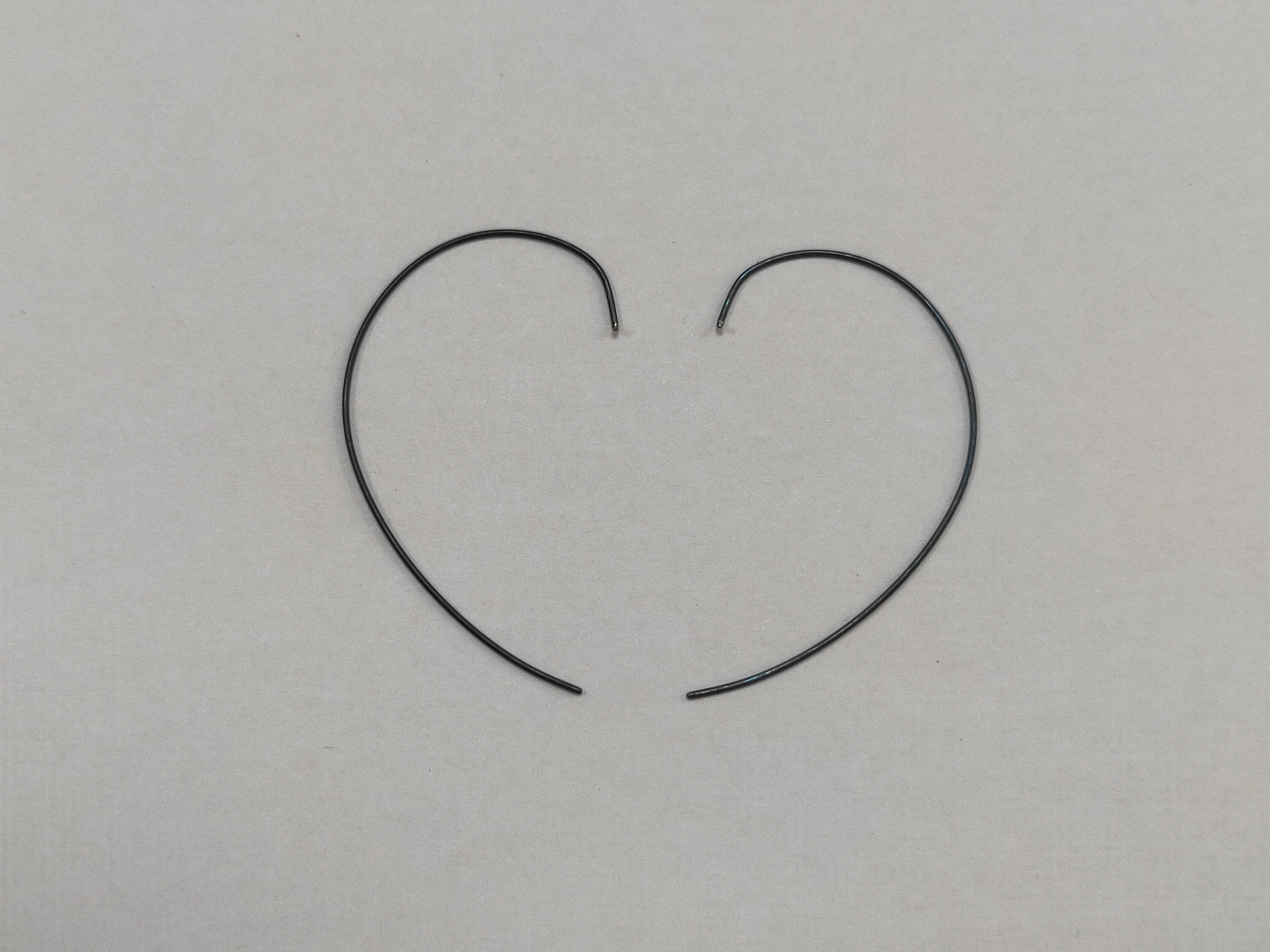
Nitinol Memory Alloy Earphone Cable – Anti-Tangle, Superelastic, and Durably Reliable Audio Connectivity
Nitinol Memory Alloy Earphone Cable
- Overview
- Recommended Products
Product Overview
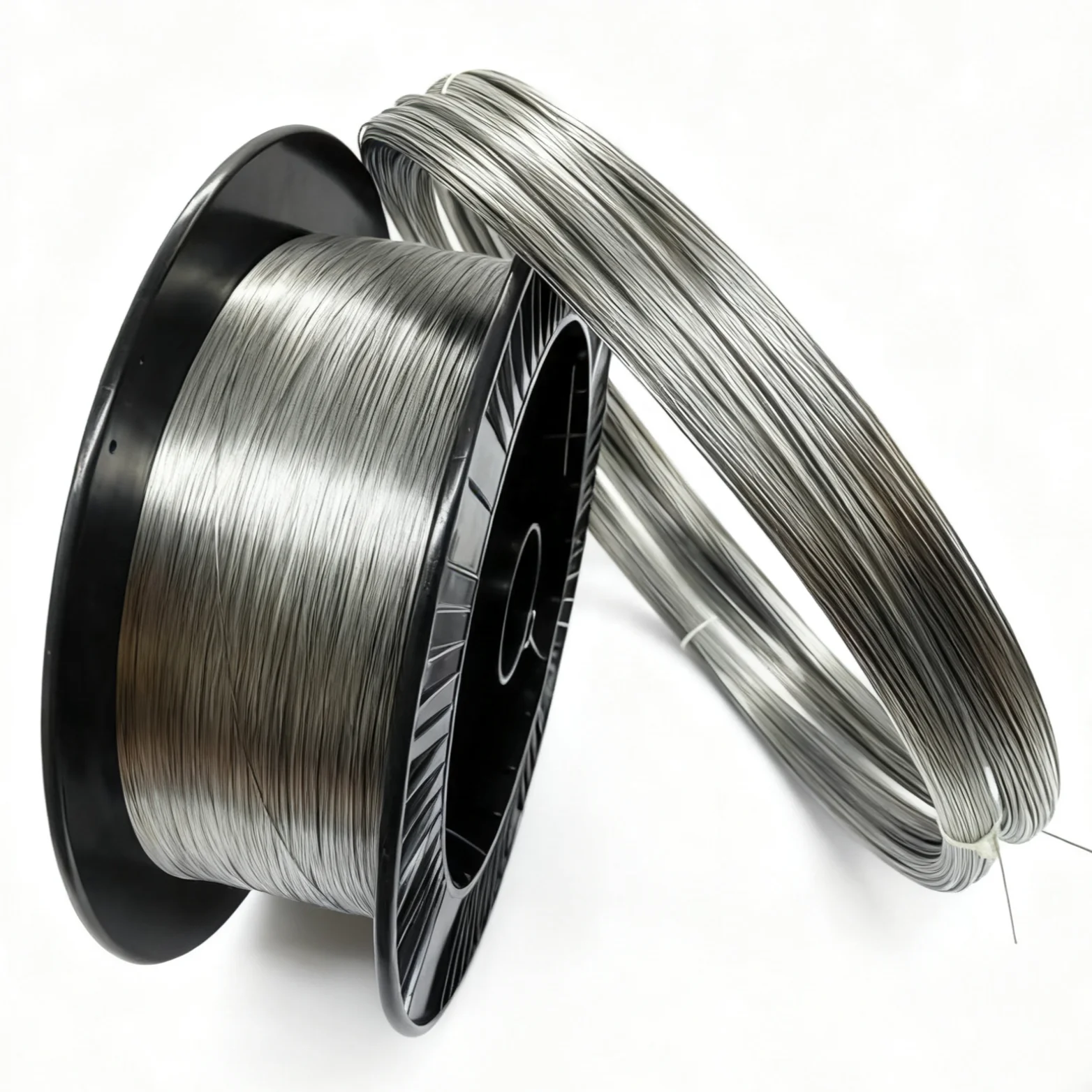
Nitinol memory alloy earphone cables are precision-engineered audio connectivity solutions manufactured from nickel-titanium (NiTi) shape memory alloy, a smart material that combines exceptional mechanical properties with intelligent thermal responsiveness. Unlike conventional earphone cables made from copper, PVC, or ordinary steel-reinforced wires that are prone to permanent kinking, tangling, and premature breakage, Nitinol earphone cables leverage the material's unique superelasticity and shape memory effect to deliver a listening experience that is as durable as it is convenient.
The Nitinol wire is integrated alongside the signal-carrying conductors within the cable sheath, serving as a structural backbone that maintains the cable's intended form while providing unprecedented flexibility and resilience. Whether deployed as the Flex-Form cable in premium wireless earphones, as a memory alloy earhook for secure fit, or as an anti-tangle audio cord for personal listening devices, Nitinol earphone cables represent a fundamental advancement in consumer audio engineering – transforming the humble cable from a frequent point of failure into a durable, intelligent component that enhances the user experience.
The Science of Shape Memory and Superelasticity
Nitinol earphone cables operate on two complementary principles: superelasticity and the shape memory effect. At room temperature and under normal usage conditions, the Nitinol wire exhibits superelastic behavior – the ability to undergo significant reversible deformation (up to 8–20% strain) and return to its original shape upon load removal. When an earphone cable is twisted, bent, stretched, or coiled into a pocket, the Nitinol filament deforms elastically; upon release, it springs back to its trained configuration, effectively eliminating the kinks and permanent deformations that plague conventional cables.
The shape memory effect adds a thermal dimension to this performance. Nitinol earphone cables can be thermally trained to "remember" a specific shape – typically a straight or gently curved configuration. When the cable is exposed to temperatures above its transformation temperature (which can be engineered between -20°C and +15°C for consumer audio applications), the material undergoes a phase transformation from martensite to austenite and automatically recovers to its preset shape. This means that even after being tightly coiled in a pocket or bag, the cable will self-straighten when brought to room or body temperature, ready for tangle-free use.
The transformation temperature can be precisely tuned during manufacturing. For instance, cables designed for cold-weather performance can be engineered with lower activation temperatures, while those intended for body-worn applications can be optimized to respond to human body heat – ensuring reliable performance across diverse environments.
Key Performance Advantages
Anti-Tangle and Anti-Kink Performance: The most immediate and appreciated benefit of Nitinol earphone cables is their resistance to tangling and knotting. Conventional cables, when coiled or stuffed into pockets, inevitably develop frustrating tangles that waste time and risk damage. Nitinol's superelasticity ensures that the cable naturally returns to its trained shape, automatically straightening out and preventing the formation of stubborn knots. The magnetic earbuds found in many Nitinol-equipped earphones further complement this by allowing the cable to coil neatly without entanglement.
Exceptional Durability and Longevity: Nitinol earphone cables exhibit outstanding mechanical durability, far surpassing conventional cable materials. The wire demonstrates a fatigue life of up to 1×10⁷ cycles and a recovery rate of 97.8% after deformation. Nitinol earphone cables can reliably pass rigorous swing tests, torsion tests, and tension tests under demanding conditions, ensuring long-term reliability even with daily use and frequent coiling.
Superior Corrosion Resistance: The formation of a protective titanium oxide layer on the Nitinol surface provides outstanding corrosion resistance that surpasses even the best medical-grade stainless steel. This ensures that the cable remains functional and aesthetically pleasing even in humid environments, during exercise, or when exposed to sweat and moisture – common failure points for conventional cables.
Lightweight and Comfortable Design: Nitinol has a density of just 6.54 g/cm³, making it exceptionally lightweight. This translates to earphone cables that are barely noticeable during wear, reducing listener fatigue and enhancing comfort during extended use. The lightweight nature also makes Nitinol cables ideal for neckband-style wireless earphones, where a heavy cable would be uncomfortable and distracting.
Stable Electrical and Signal Performance: Nitinol alloy wires exhibit stable conductivity, ensuring efficient and clear transmission of audio signals. The material's consistent mechanical properties prevent signal degradation caused by cable flexing and fatigue, delivering reliable audio quality over the cable's lifetime.
Temperature-Responsive Intelligence: Below the transformation temperature, Nitinol earphone cables become soft and easily deformable, allowing for convenient storage and coiling. When the temperature rises – whether from body heat or ambient warmth – the cable stiffens and recovers its preset shape. This intelligent temperature responsiveness provides the best of both worlds: flexibility when you need it, and rigidity when you want it.
Design Flexibility and Customization
Nitinol earphone cables are available in a wide range of configurations to suit diverse audio applications:
·
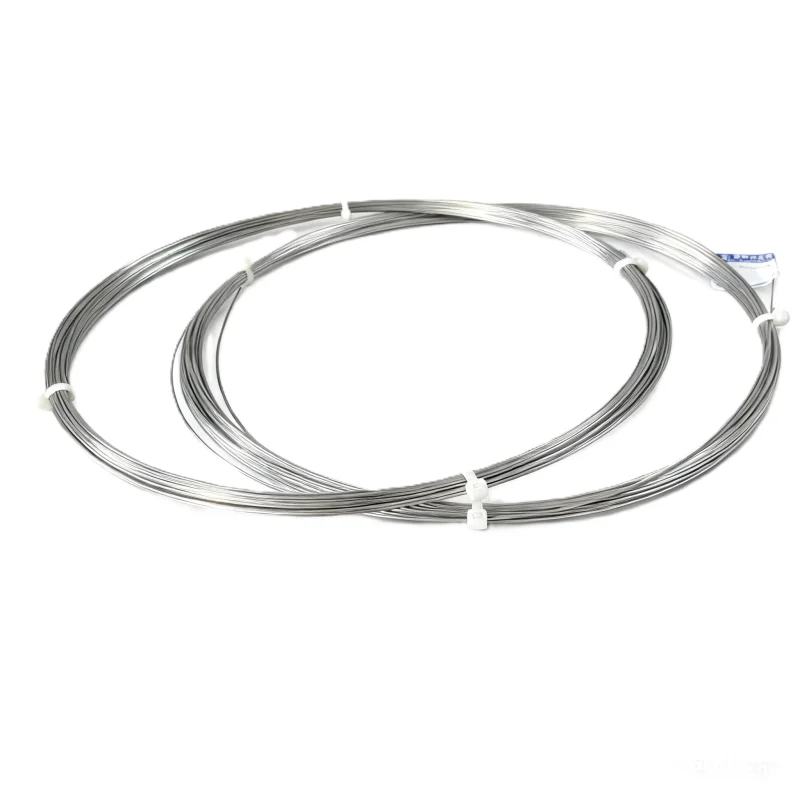
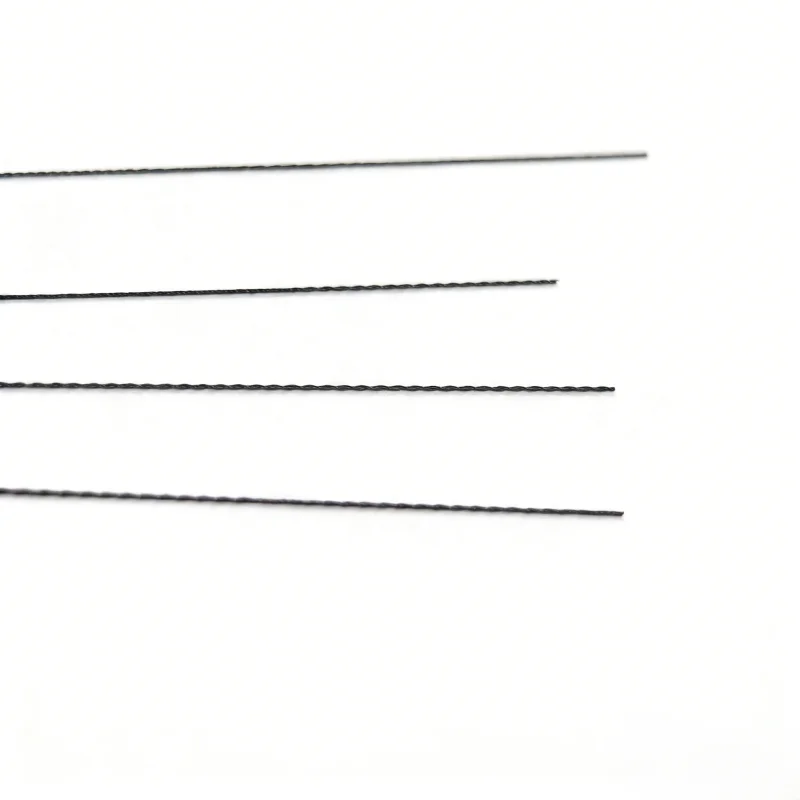
Wire Diameter: Typically ranging from 0.05 mm to 2.0 mm, with 0.1–0.4 mm diameters commonly used for audio cable applications. Tolerances as tight as ±0.01 mm are achievable.
·
Surface Finishes: Available in clean black bright, bright, and micro-oxidized finishes.
·
Shape Memory Characteristics: Transformation temperatures can be customized from -20°C to +15°C, enabling cables optimized for different climate conditions and use cases.
·
Material Grades: Available in binary NiTi alloys as well as multi-element alloys incorporating Cu, Cr, V, Co, Fe, and Nb to achieve specific mechanical and thermal properties.
·
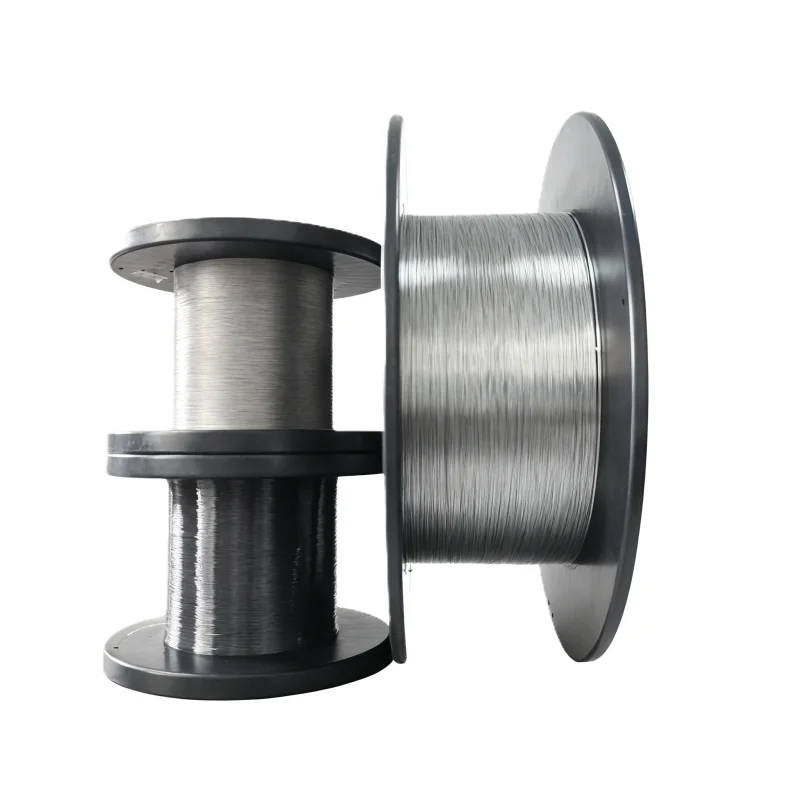
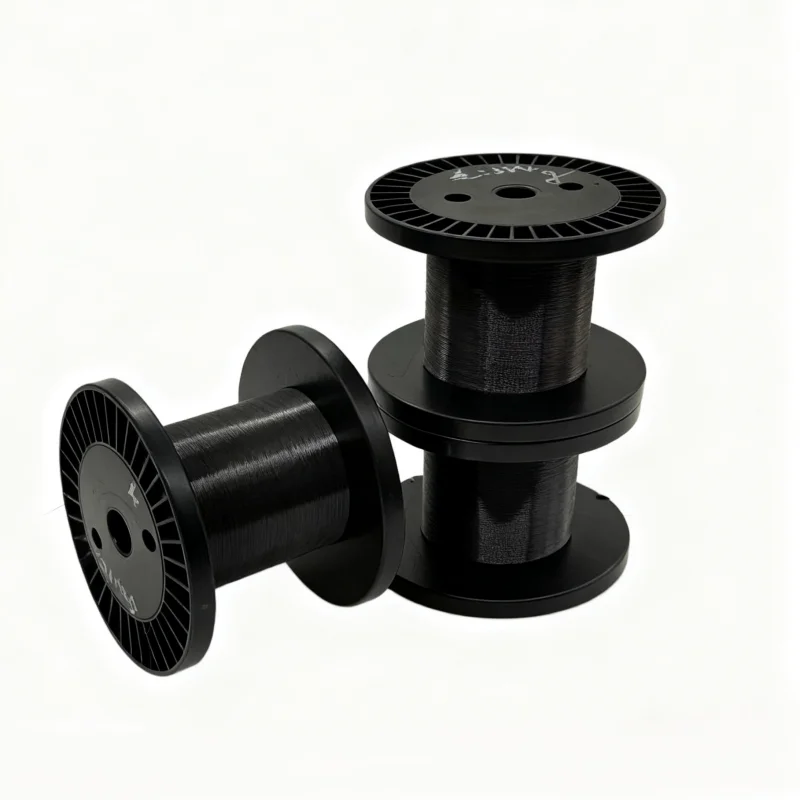
Packaging: Typically supplied on 5-inch plastic spools with net weights of 220–250 grams per spool.
Applications Across Audio and Beyond
Premium Earphones and Headphones: Major audio brands such as Beats utilize Nitinol in their Flex-Form cables, providing all-day comfort and tangle-free convenience. The material's durability and lightweight nature make it ideal for both wired and wireless earphone designs.
Wireless Neckband Earphones: Nitinol's ability to maintain a preset curved shape makes it perfect for neckband-style earphones, ensuring the band stays comfortably positioned around the user's neck while remaining flexible enough for storage.
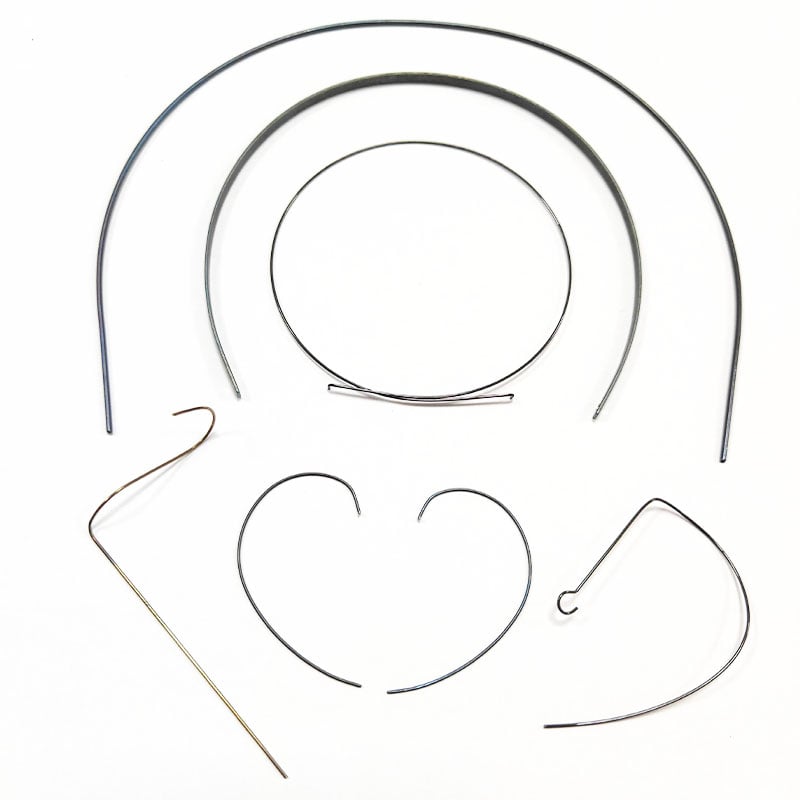
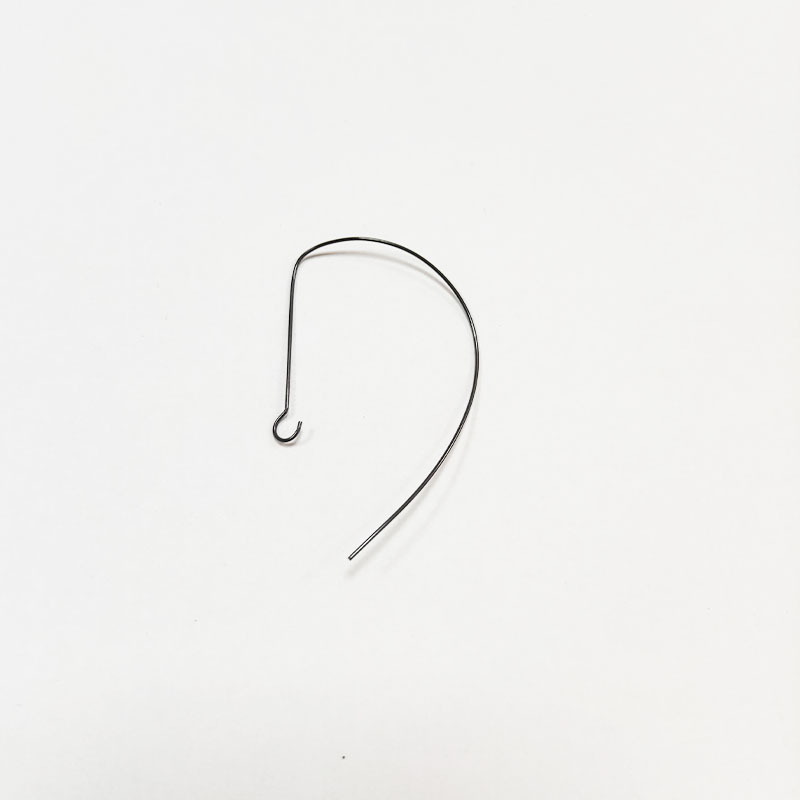
Earhooks and Earpieces: Nitinol memory alloy is widely used in earhooks for sports and Bluetooth earphones. The material conforms to the user's ear shape while providing secure, comfortable retention.
Anti-Tangle Audio Cords: Nitinol filaments are integrated into audio cords for personal listening devices, allowing the cord to recover its original shape after being deflected – effectively eliminating tangling and knotting.
Wearable Devices and Smart Accessories: Beyond audio, Nitinol wire finds applications in Bluetooth headsets, antennas, optical frames, and emerging wearable technology where flexibility, durability, and shape memory are essential.
Quality and Manufacturing Standards
Nitinol earphone cables are manufactured to rigorous international standards, primarily ASTM F2063 (Standard Specification for Wrought Nickel-Titanium Shape Memory Alloys). Additional certifications include ISO9001:2015 for quality management and ISO13485:2016 for medical-grade applications where applicable.
The manufacturing process utilizes 0A-grade small-particle sponge titanium as raw material, melted using imported equipment through multiple proprietary production processes. Advanced micro-nano cold working technologies are employed to achieve the fine diameters and precise surface finishes required for audio applications.
Quality control includes comprehensive testing for dimensional accuracy, mechanical properties, surface finish, and shape memory characteristics. Products are certified through SGS testing to meet EU RoHS environmental requirements, ensuring they are free from cadmium, mercury, and hexavalent chromium.
Conclusion
Nitinol memory alloy earphone cables represent a paradigm shift in audio connectivity – moving from passive, failure-prone wires to intelligent, self-recovering components that actively enhance the user experience. Their unique combination of superelasticity, shape memory, anti-tangle performance, exceptional durability, and lightweight comfort makes them the ideal solution for consumers and manufacturers alike. Whether the requirement is a premium earphone cable that never tangles, a neckband that stays perfectly positioned, or an earhook that conforms comfortably to any ear shape, Nitinol earphone cables deliver performance that conventional materials simply cannot match. With proven adoption by leading audio brands, rigorous quality standards, and design flexibility that accommodates any application, Nitinol earphone cables are the smart choice for the next generation of reliable, durable, and user-friendly audio products.