EN
EN




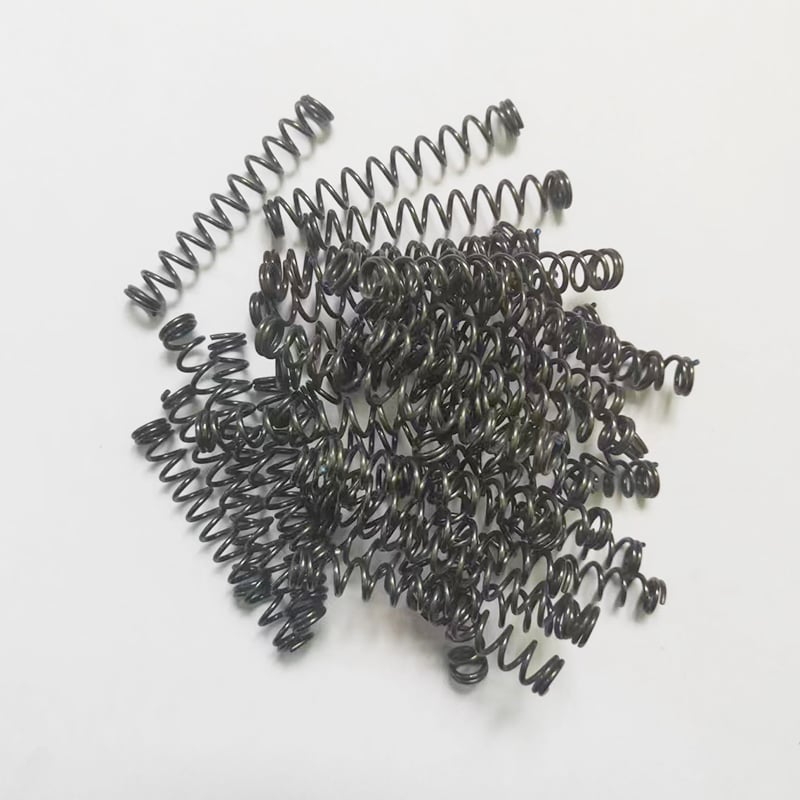
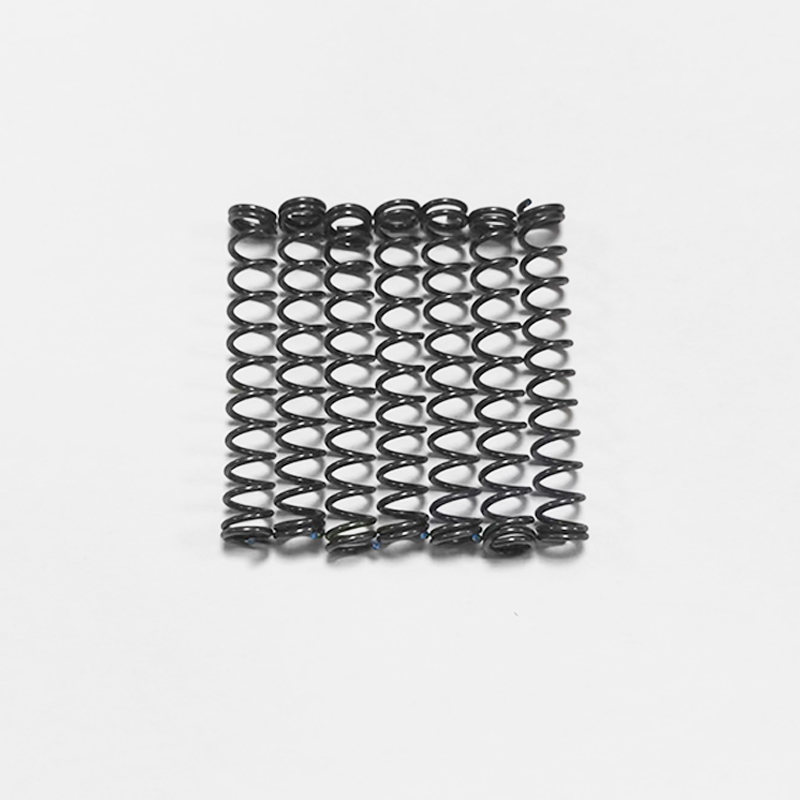

Nitinol Shape Memory Alloy Actuator Spring – Intelligent Thermal-Mechanical Drive Solutions for Automotive Systems
Nitinol Shape Memory Alloy Actuator Spring
- Overview
- Recommended Products
Product Overview
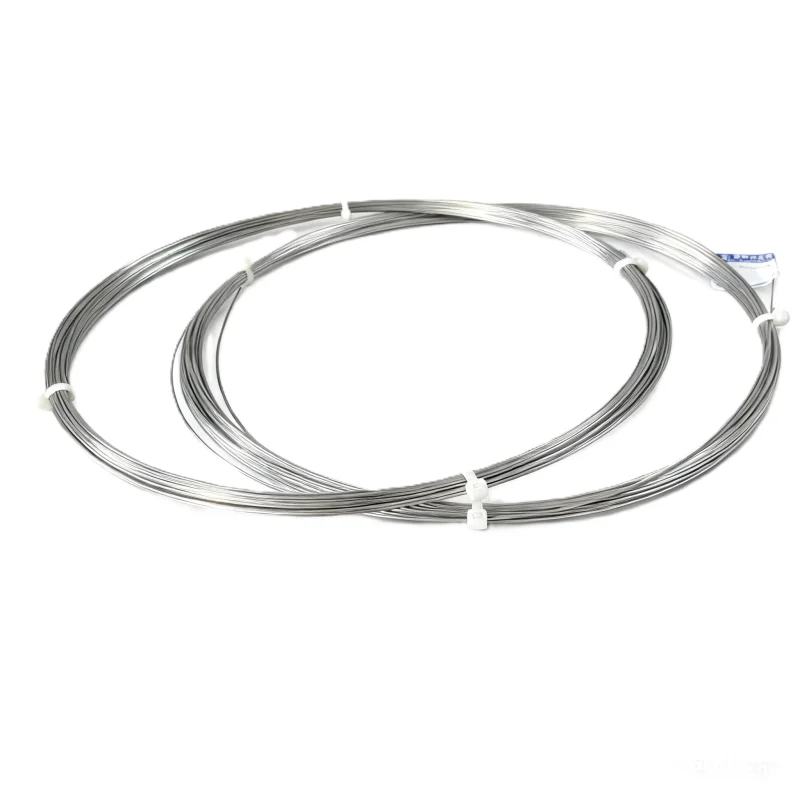
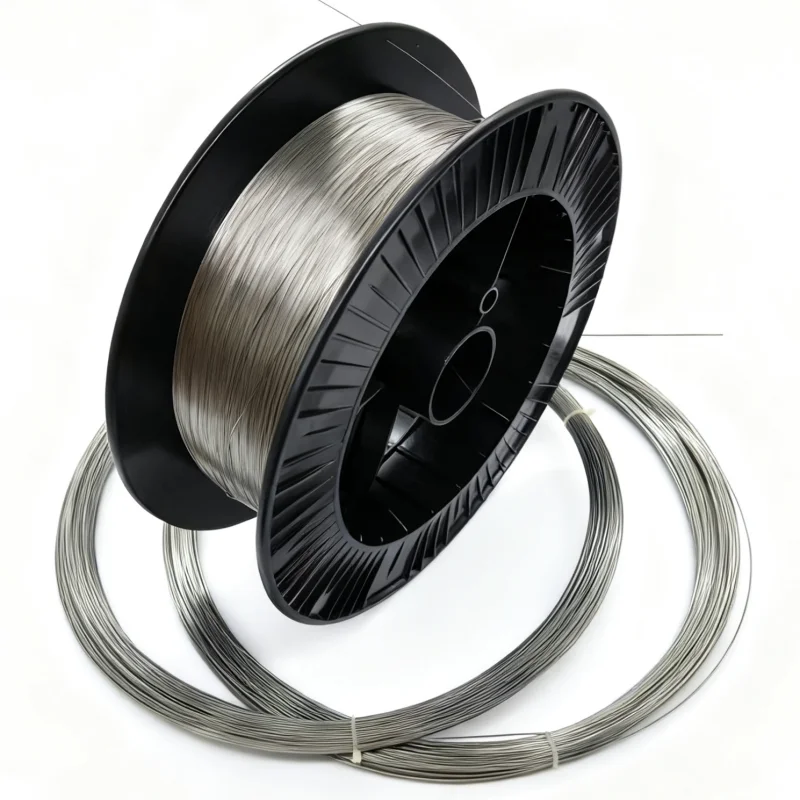
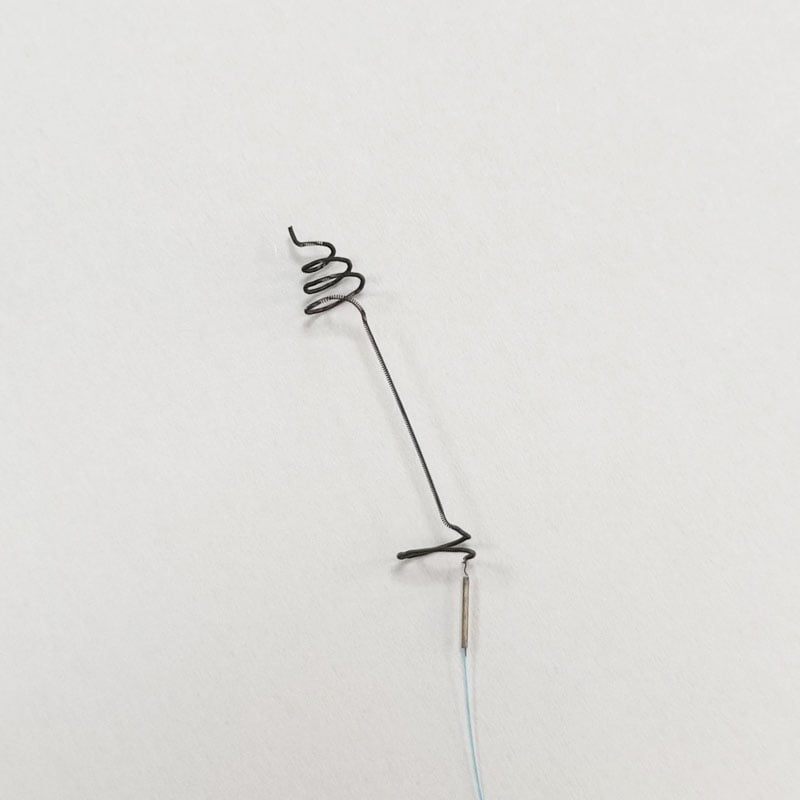
Nitinol actuator springs are precision-engineered drive components manufactured from nickel-titanium (NiTi) shape memory alloy, a smart material that integrates both sensing and actuation functions within a single element. Unlike conventional coil springs that rely solely on elastic deformation, Nitinol actuator springs harness the material's reversible solid-state phase transformation to generate controlled linear motion and force in response to thermal stimuli. This unique capability – the shape memory effect – enables the spring to "remember" and recover a predetermined shape when heated above its transformation temperature, performing mechanical work in the process.
While Nitinol muscle wires provide actuation in compact spaces, spring configurations offer dramatically greater stroke – a 1 mm diameter wire wound into 30 coils can deliver a stroke of 100 mm with the same 2% recovery strain. This superior stroke-to-weight ratio, combined with silent operation, high force output, and exceptional reliability, makes Nitinol actuator springs the preferred choice for next-generation automotive systems where conventional electric motors, solenoids, or wax-based actuators are impractical.
How It Works: The Science of Shape Memory Actuation
Nitinol actuator springs operate on the principle of the shape memory effect – a reversible phase transformation between two crystal structures: martensite and austenite. At temperatures below the transformation temperature, the spring exists in the martensite phase and can be easily deformed. Upon heating – typically via electrical current (Joule heating) or exposure to engine heat – the material transforms to austenite and recovers its pre-trained shape, contracting or expanding to perform mechanical work. As the spring cools, it reverts to martensite and can be reset by a bias force (typically a conventional steel spring), ready for the next cycle.
This actuation mechanism offers distinct advantages over conventional systems: actions are silent, not restricted in direction, and insensitive to environmental conditions other than temperature. The transformation temperature can be precisely controlled during manufacturing, with temperature accuracy reaching ±2°C or even ±1°C for demanding applications.
Key Performance Characteristics
High Stroke-to-Weight Ratio: Nitinol actuator springs deliver exceptional displacement relative to their size and weight. A spring configuration can produce strokes up to 100 mm from a compact form factor, far exceeding the capabilities of straight wire actuators. Operating forces range from 0.25 N to 100 N depending on spring design and alloy composition.
Silent, Frictionless Operation: The phase transformation occurs without noise, vibration, or mechanical friction – a critical advantage for automotive comfort systems and applications where acoustic signatures matter.
Simple, Reliable Mechanism: Actuator devices composed of Nitinol springs have simple structures, high sensitivity, and excellent reliability. With fewer moving parts than traditional electromechanical actuators, they offer enhanced durability and reduced maintenance requirements.
Exceptional Fatigue Life: When operated within recommended stress parameters, Nitinol springs withstand repeated thermo-mechanical cycles without performance degradation. Springs have demonstrated operation exceeding thousands of cycles without failure. Fatigue life is fundamentally governed by the recovered strain during thermo-mechanical cycling.
Superior Corrosion Resistance: The formation of a protective titanium oxide layer provides outstanding corrosion resistance, ensuring longevity and reliability in harsh automotive environments.
Critical Design Parameters
Designing Nitinol actuator springs requires careful consideration of several key parameters:
Transformation Temperature (Af): The austenite finish temperature determines at what temperature the spring begins to actuate. Automotive-grade springs are available with activation temperatures ranging from -25°C to +95°C, with tolerance as tight as ±2°C.
Spring Geometry: Springs can be configured as compression springs, tension springs, or custom geometries. Both one-way and two-way shape memory spring types are available.
Force and Stroke: Operating forces range from 0.25 N to 100 N, with strokes from 2 mm to 20 mm depending on spring dimensions and application requirements.
Material Composition: NiTi and NiTiCu alloys are utilized, offering transformation temperature ranges from -25°C to +95°C. Maximum recovery stress reaches 600 MPa, with tensile strength up to 1300 MPa.
Applications Across Automotive Systems
Engine Thermal Management: Nitinol actuator springs are widely used in automotive thermostats, providing precise temperature control for engine cooling systems. Unlike conventional wax-based thermostats, SMA spring actuators offer repeatable thermo-mechanical phase transformation behavior and compact form factors suitable for engine operating temperature ranges.
Fan and Clutch Control: Springs are employed in engine heat-resistant clutches, car fan clutches, and cooling fan drive systems. The springs respond to engine temperature changes to engage or disengage fans, optimizing cooling efficiency and reducing parasitic losses.
Fuel and Air Management: Nitinol springs are integrated into fuel injectors, sensors, and idle air control actuators. An innovative SMA-based idle air control actuator utilizes an SMA spring paired with a steel antagonistic spring to achieve precise, rapid control of air intake during engine idle conditions.
Comfort and Convenience Systems: Applications include air conditioning wind direction adjustment mechanisms, constant temperature mixing valves, and seat pneumatic valves. Leading manufacturers such as Ford, Volkswagen, General Motors, and BMW utilize SMA actuators in these systems.
Safety and Protection Systems: Nitinol springs are applied in car fog lamp protective covers, overcurrent and short-circuit protection devices, and fire dampers.
Advanced Suspension Systems: Research has explored using two-way shape memory alloy springs in automotive suspension systems, where the spring exhibits different stiffness in its martensitic and austenitic phases, enabling adaptive damping characteristics.
Quality and Manufacturing Standards
Nitinol actuator springs are manufactured to rigorous industry standards including ASTM F2063, ASME, ANSI, and SAE specifications. Production utilizes advanced techniques such as vacuum induction melting (VIM) and vacuum arc melting (VAR) to ensure precise control over composition and microstructure. Springs are certified to ISO9001:2015 and ISO13485:2016 standards.
Quality control encompasses comprehensive raw material inspection, continuous in-process monitoring, and final product testing to verify dimensional accuracy, mechanical properties, and surface finish per ASTM F2063 specifications. With monthly production capacities reaching approximately 600,000 pieces, manufacturers can meet high-volume automotive production demands while maintaining strict quality standards.
Conclusion
Nitinol actuator springs represent a paradigm shift in automotive actuation technology – moving from complex, multi-component electromechanical systems to a single, intelligent material that transforms thermal energy into precise mechanical motion. Their unique combination of high stroke-to-weight ratio, silent operation, simple mechanism, and exceptional reliability makes them the ideal solution for engineers seeking to innovate in thermal management, fluid control, and comfort systems. Whether the requirement is precise engine temperature control, adaptive fan engagement, or intelligent air management, Nitinol actuator springs deliver performance that conventional actuators simply cannot match. With proven adoption by leading automotive manufacturers and rigorous quality standards, Nitinol actuator springs are the smart choice for the next generation of efficient, reliable, and intelligent automotive systems.