EN
EN




Nitinol Memory Alloy Localization Spring Coil – Preoperative Lung Nodule Marking System for VATS Guidance
Nitinol Memory Alloy Localization Spring Coil
- Overview
- Recommended Products
Product Overview
The Nitinol Memory Alloy Localization Spring Coil is a specialized, single-use medical device designed for the preoperative marking and localization of peripheral small pulmonary nodules. It is an essential tool for video-assisted thoracoscopic surgery (VATS), providing surgeons with a reliable and precise guide for the intraoperative resection of small, often non-palpable, nodular lesions. As the detection of small pulmonary nodules, including ground-glass opacities (GGOs) and solitary pulmonary nodules (SPNs), has increased with the widespread use of high-resolution CT, the need for accurate, minimally invasive localization techniques has become critical for early-stage lung cancer diagnosis and treatment. This device addresses this clinical challenge by offering a safe, effective, and user-friendly solution that enhances surgical outcomes.
The Science of Shape Memory: How It Works
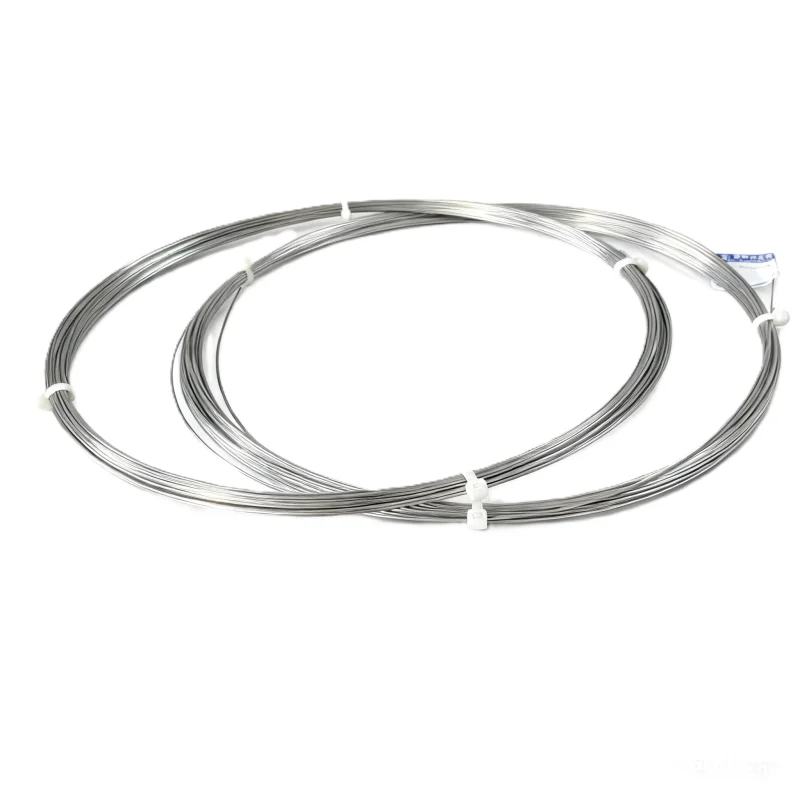
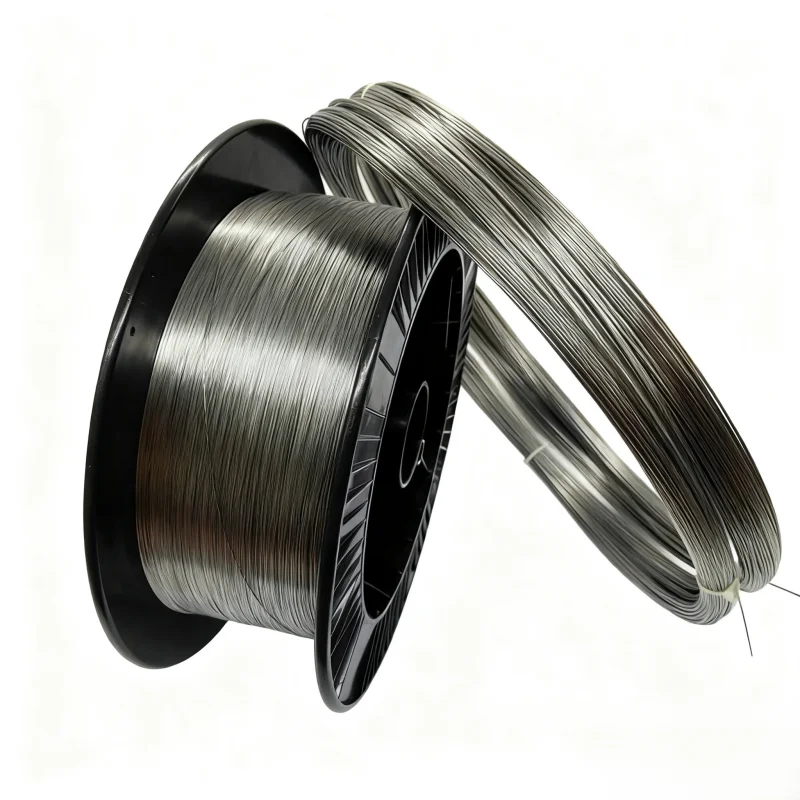
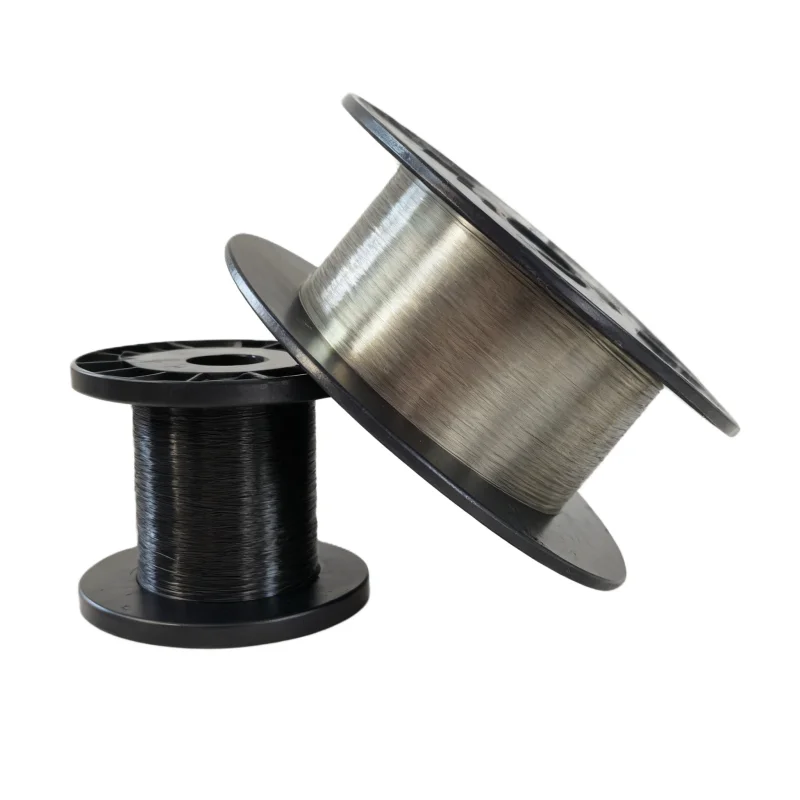
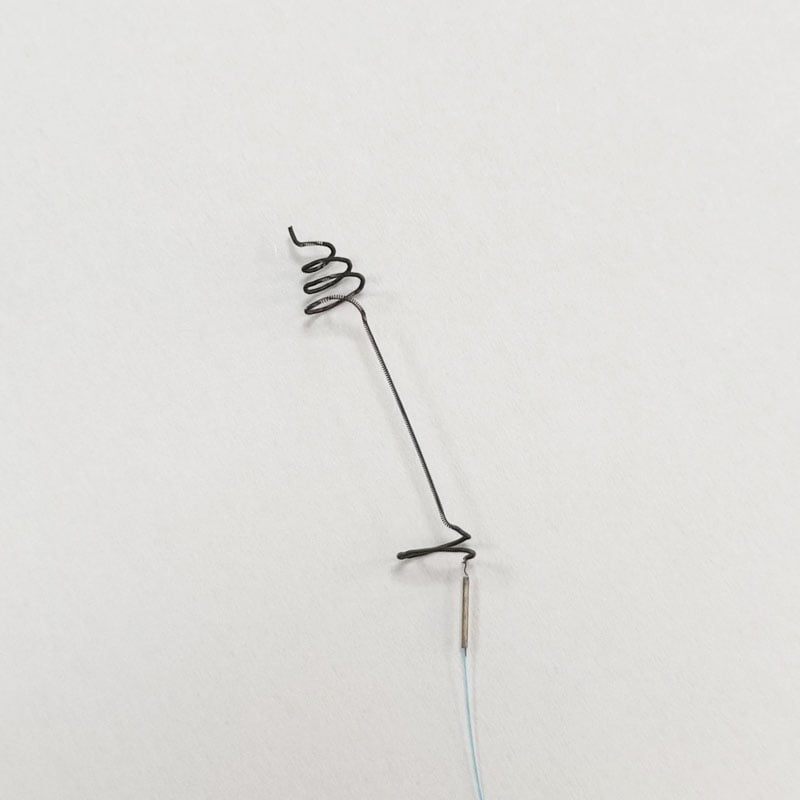
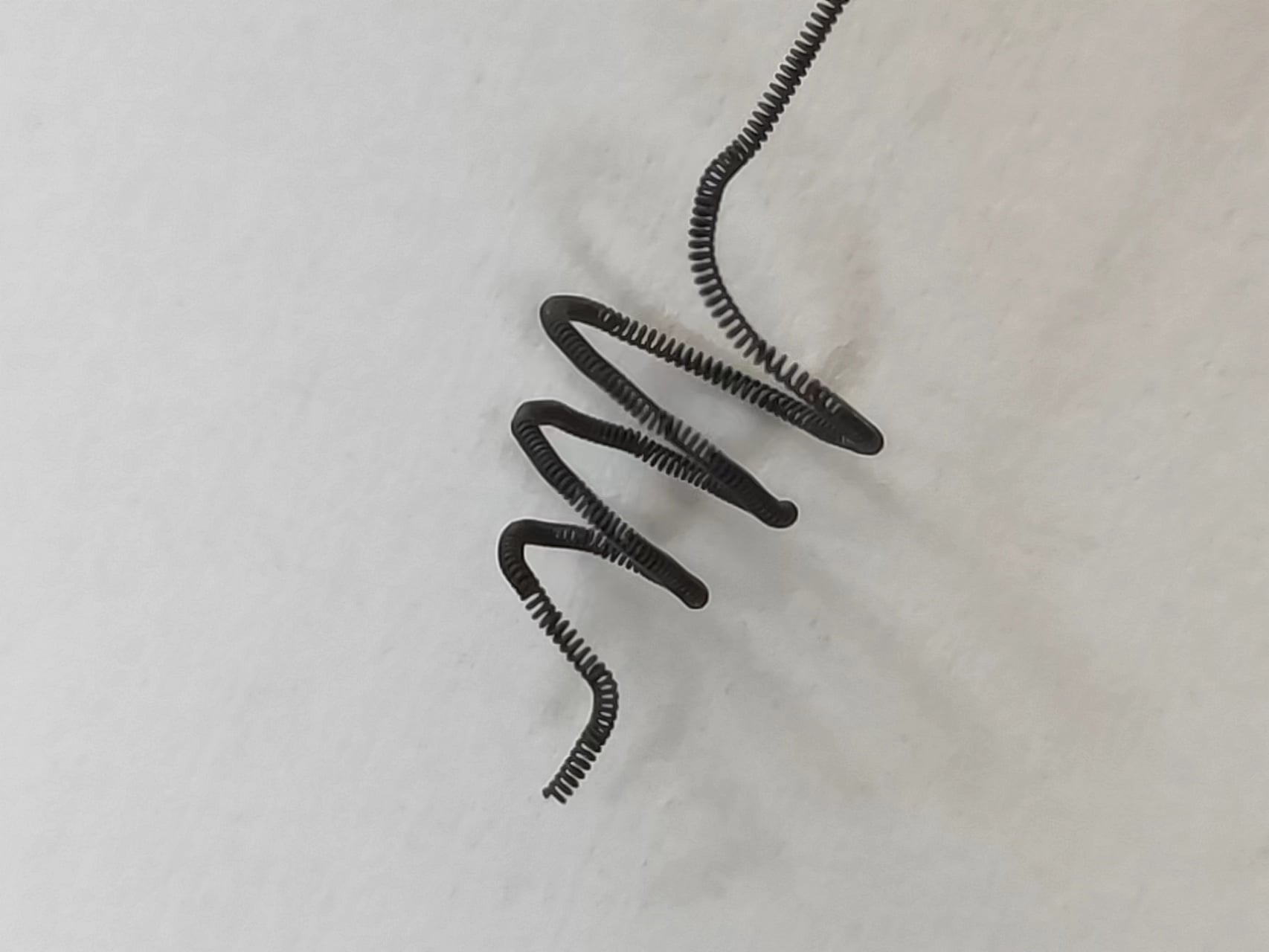
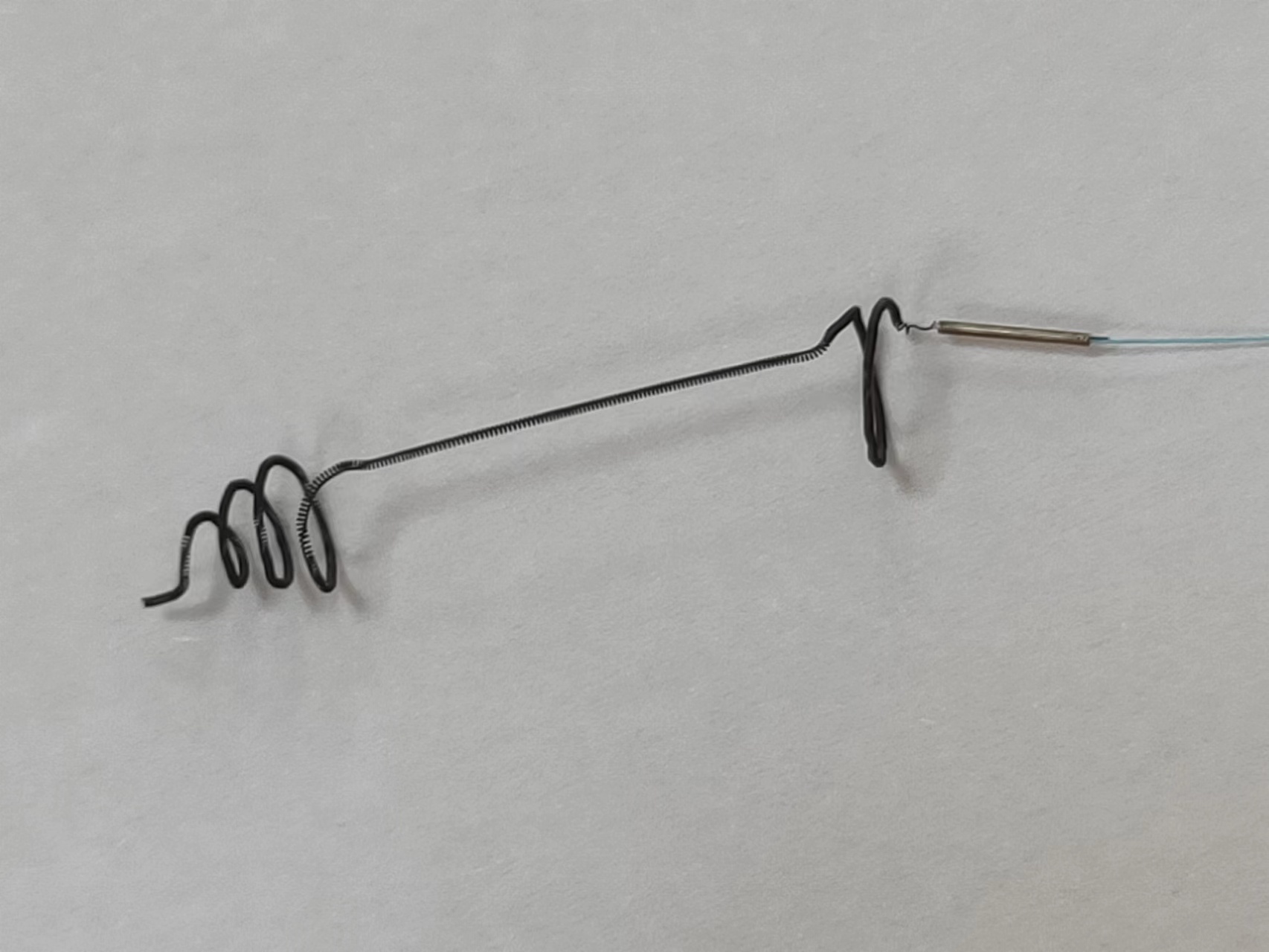
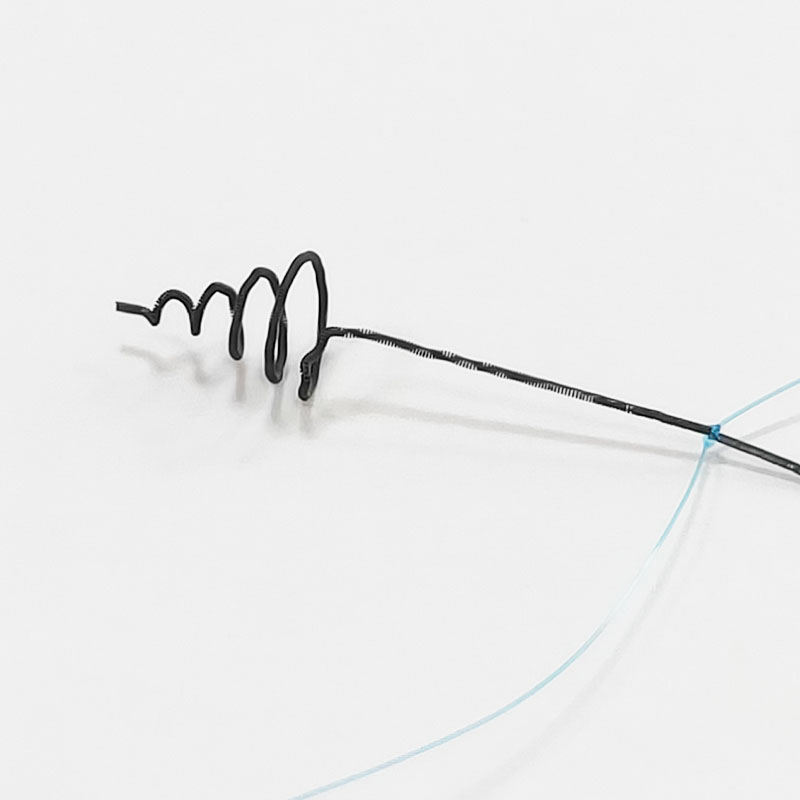
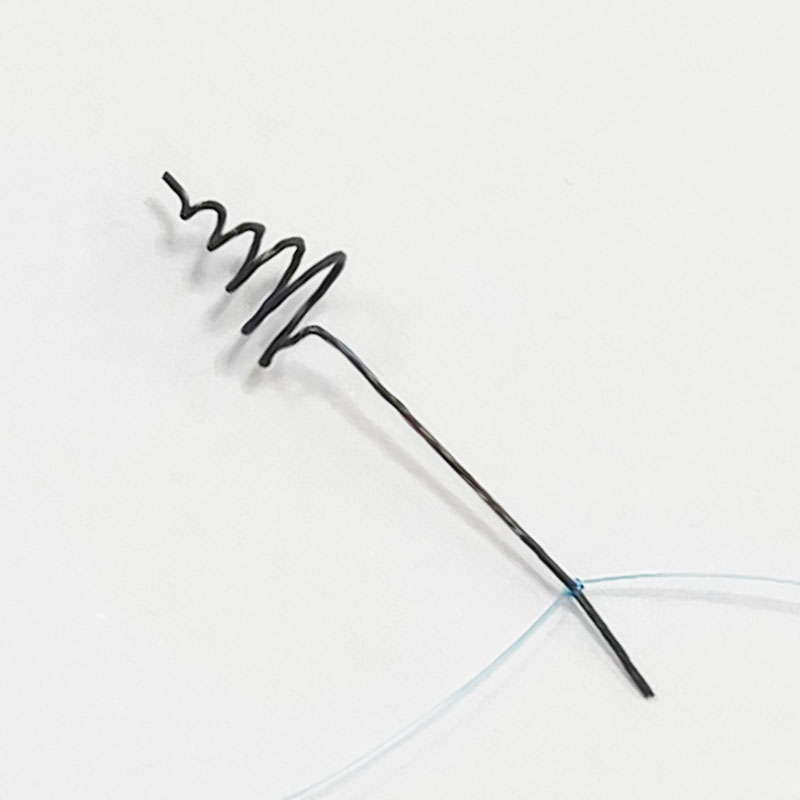
The core technology of this localization spring coil is based on the unique properties of medical-grade nickel-titanium (NiTi) shape memory alloy. The device leverages the alloy's thermomechanical properties, specifically its phase transformation between martensite and austenite at specific temperatures. The spring coil is manufactured by shaping the NiTi wire into its final "pagoda-style" or "dumbbell-shaped" structure at an elevated temperature.
At room temperature, the coil is relatively straight and can be easily loaded into a needle. Once deployed through the needle into the lung tissue under CT guidance, the coil is exposed to body temperature (≥30°C). This triggers the shape memory effect, causing the coil to revert to its pre-set, three-dimensional "pagoda-style" or "dumbbell" shape. This unique structure anchors the coil firmly in the soft tissue adjacent to the nodule, providing a stable marker. The spring coil is designed with a high-damping, two-stage micro-spiral structure, which, combined with its superelasticity, allows it to move synchronously with the patient's breathing, minimizing tissue trauma.
Key Product Advantages
Precise Localization and Lesion Resection: The primary benefit is the ability to accurately locate small pulmonary nodules, even those that are deeply seated or non-palpable during surgery. By placing a visible marker directly at the lesion site, it guides the surgeon to perform a precise wedge resection, ensuring the entire nodule is removed and minimizing the resection of healthy lung tissue.
Internal Placement for Elective Surgery: Unlike some external localization methods, the micro-spring coil is completely indwelling inside the body. The coil's head is positioned near the lesion, while its tail rests on the surface of the visceral pleura. With no external wires or components, the patient can move freely and comfortably, allowing the surgical team to schedule the VATS procedure electively, typically within 24 hours, without causing patient discomfort or restricting movement.
Minimal Damage and Fewer Complications: The spring coil's slender and soft structure, made possible by the superelasticity of Nitinol, is designed to minimize damage to normal lung tissue. Its ability to move with the respiratory cycle significantly reduces the risk of common complications associated with lung puncture, such as pneumothorax (collapsed lung), intrapulmonary hemorrhage (bleeding), and infection. This contributes to a safer patient experience and faster recovery.
Patented Original Design: The "pagoda-style" micro-spring coil configuration is a patented, original design, representing a significant innovation in the field of interventional pulmonology. This innovative structure ensures stable anchoring and reliable performance.
Facilitates Pathological Diagnosis: During the VATS procedure, the lesion can be easily located by gently pulling the tail wire of the spring coil that is visible on the lung's surface. This direct visual and tactile guidance enables the surgical team to efficiently sample the target tissue, ensuring accurate pathological qualitative diagnosis. This streamlined process from localization to diagnosis is crucial for early and effective lung cancer management.
Clinical Application and Composition
Indications: This device is indicated for marking and locating peripheral small pulmonary nodules (including SPNs and GGOs) before VATS to guide intraoperative resection.
Indications: This device is indicated for marking and locating peripheral small pulmonary nodules (including SPNs and GGOs) before VATS to guide intraoperative resection.
Device Composition: The system is typically composed of several key components: the Nitinol memory alloy spring coil, a guide needle, a puncture needle, a push rod, and various connector and handle components made from medical-grade stainless steel and polycarbonate. The entire device is sterile and provided for single-use only.
Procedure: The procedure is performed under CT guidance. A puncture needle is guided to the target area, and the spring coil is then deployed through the needle. Once released, the coil assumes its predetermined shape, anchoring itself in the tissue adjacent to the nodule. The puncture needle is then withdrawn, leaving only the soft, flexible coil in place.
Clinical Evidence and Performance
Clinical studies have demonstrated the high efficacy and safety of this spring coil localization technique. In a multicenter clinical trial involving 93 patients with 98 pulmonary nodules, the localization success rate was 100%, with all nodules successfully resected. The device received top ratings for ease of use, imaging visibility, and retrieval performance. Importantly, no adverse events such as pneumococcal, hemorrhage, or infection were reported in this study. Comparative studies have also shown that the spring coil localization technique is associated with a shorter procedure time compared to other methods, while maintaining comparable safety and efficacy.
Conclusion
The Nitinol Memory Alloy Localization Spring Coil is a sophisticated, intelligent medical device that transforms a complex surgical challenge into a precise and manageable procedure. By harnessing the unique properties of shape memory alloys, it offers a safe, effective, and minimally invasive solution for localizing small pulmonary nodules. Its ability to be indwelling internally, cause minimal tissue damage, and guide accurate surgical resection makes it an indispensable tool in the fight against early-stage lung cancer, improving patient outcomes and quality of life.