EN
EN




- Overview
- Recommended Products
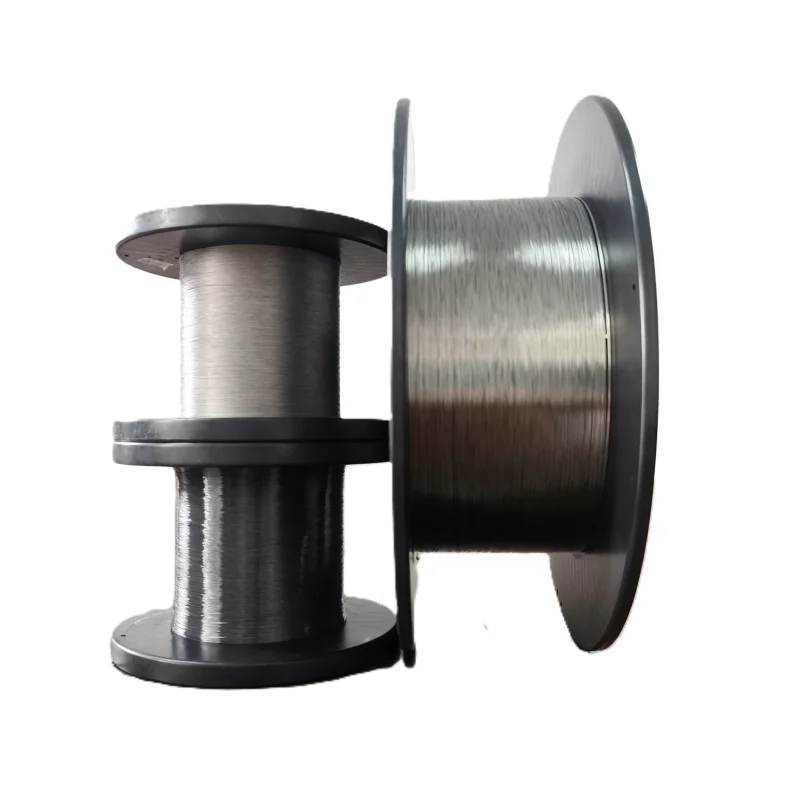
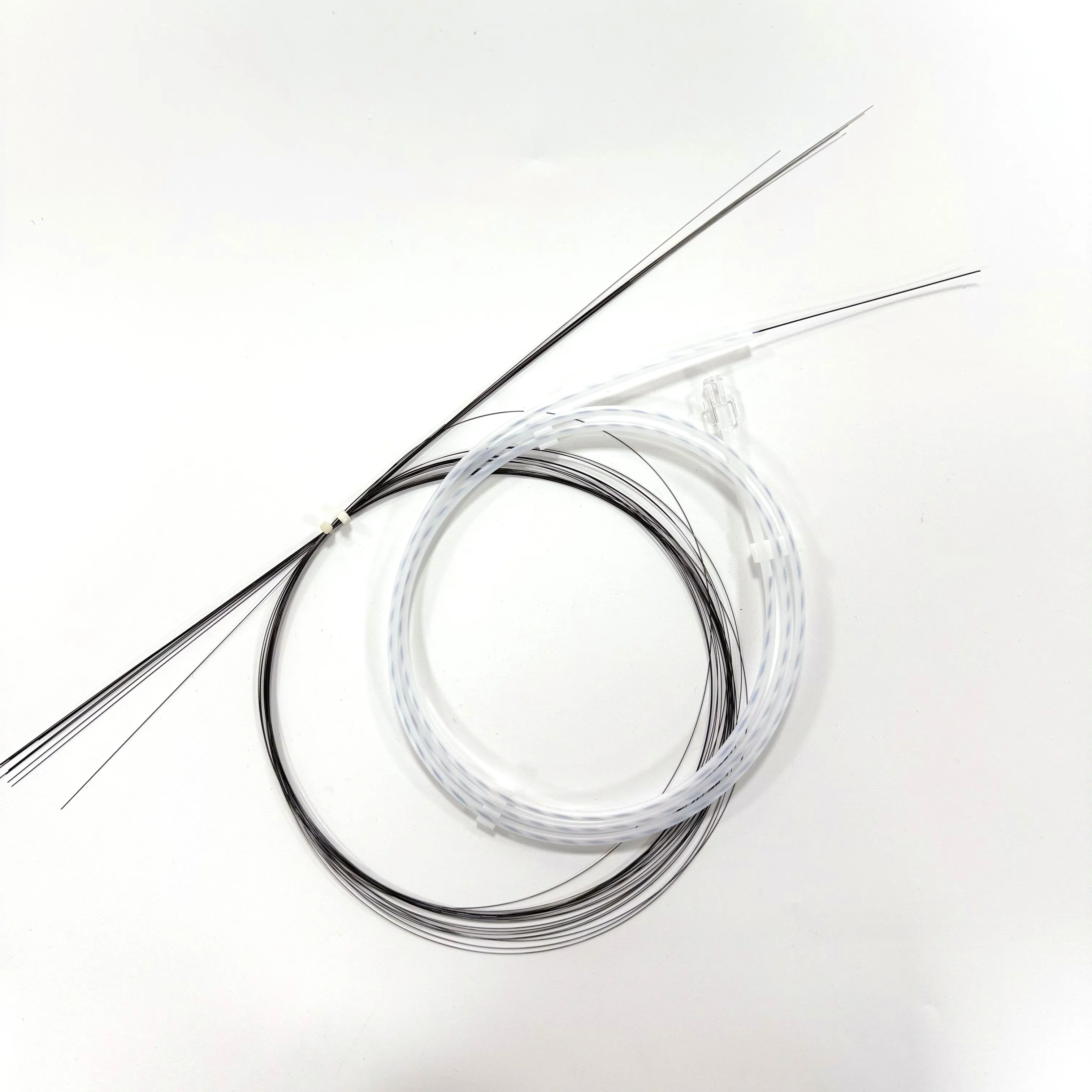
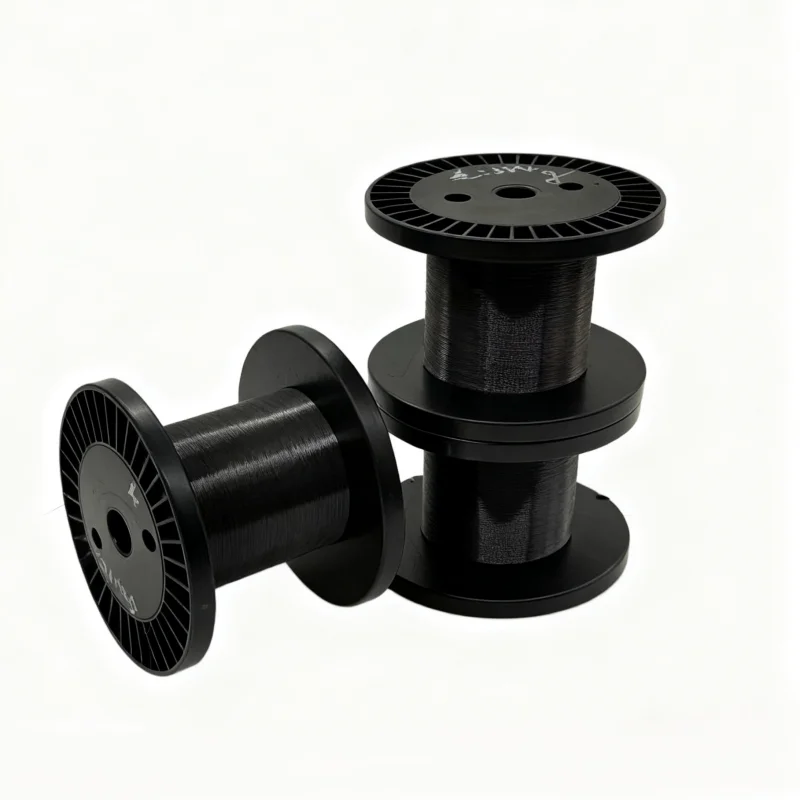
The management of urinary and biliary calculi has undergone a profound transformation over the past decades, driven largely by advances in endoscopic technology and biomaterials. Among the most significant innovations in this field is the nitinol stone retrieval basket — a flexible, precision-engineered device that has become an indispensable tool in modern endourology. Constructed from a nickel-titanium alloy with extraordinary physical properties, these baskets have redefined the standards of safety, efficacy, and procedural versatility in stone extraction.
The Nitinol Advantage: Shape Memory and Superelasticity
Nitinol (nickel-titanium) possesses two unique characteristics that make it exceptionally suited for stone retrieval devices: shape memory and superelasticity. Unlike traditional stainless steel baskets, which were rigid and posed a higher risk of ureteral trauma, nitinol baskets can flex and navigate tortuous anatomies without permanent deformation. The material returns to its pre-formed basket configuration even after passing through sharply curved anatomical passages, ensuring consistent performance throughout the procedure. This superelastic behavior also confers excellent kink resistance and fatigue resistance, attributes that are particularly valuable when working through the narrow working channels of flexible ureteroscopes.
Design Innovations for Enhanced Performance
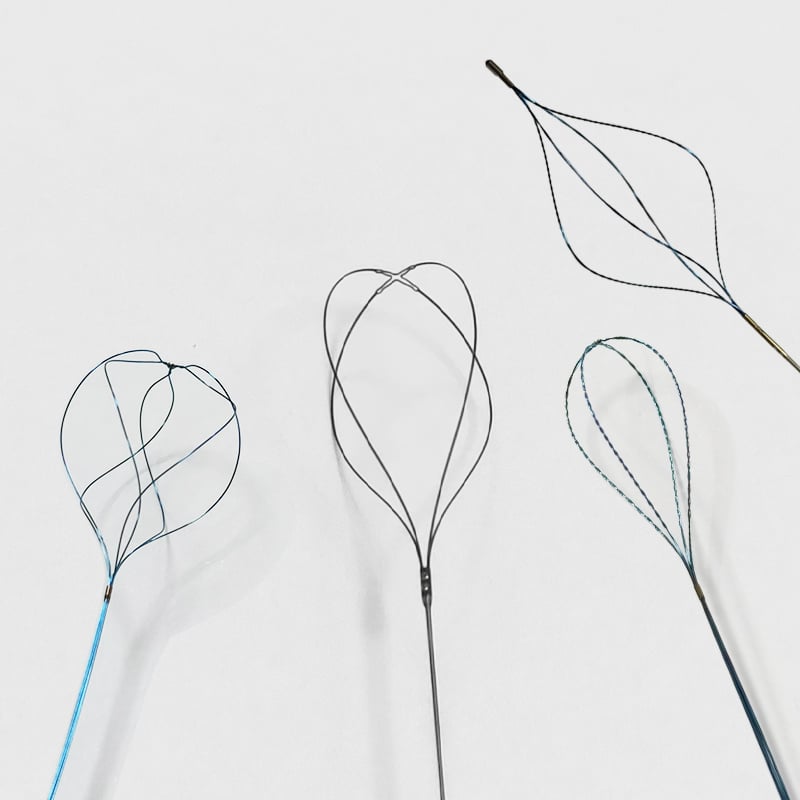
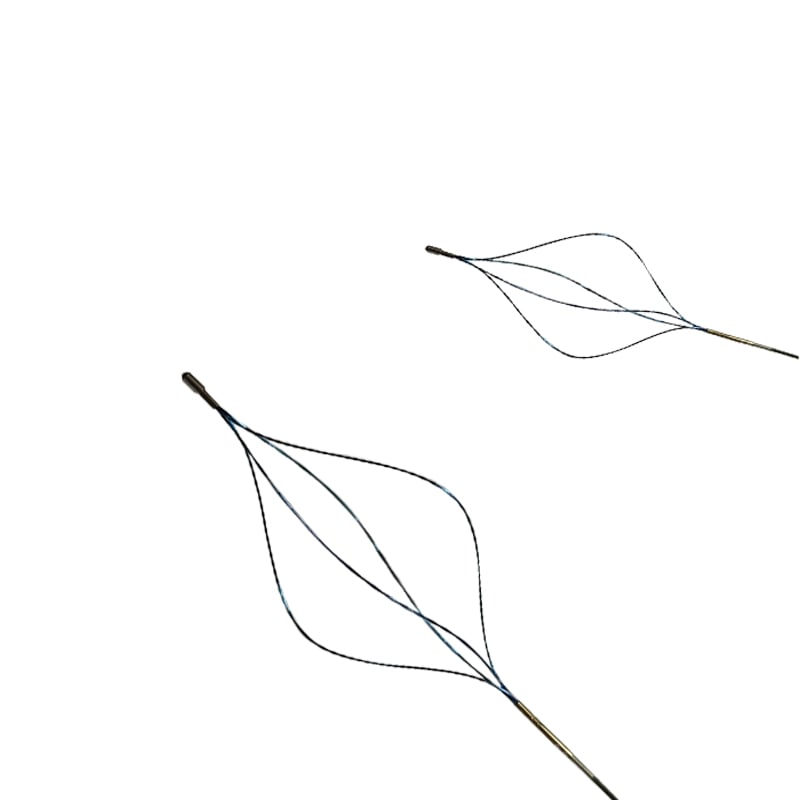
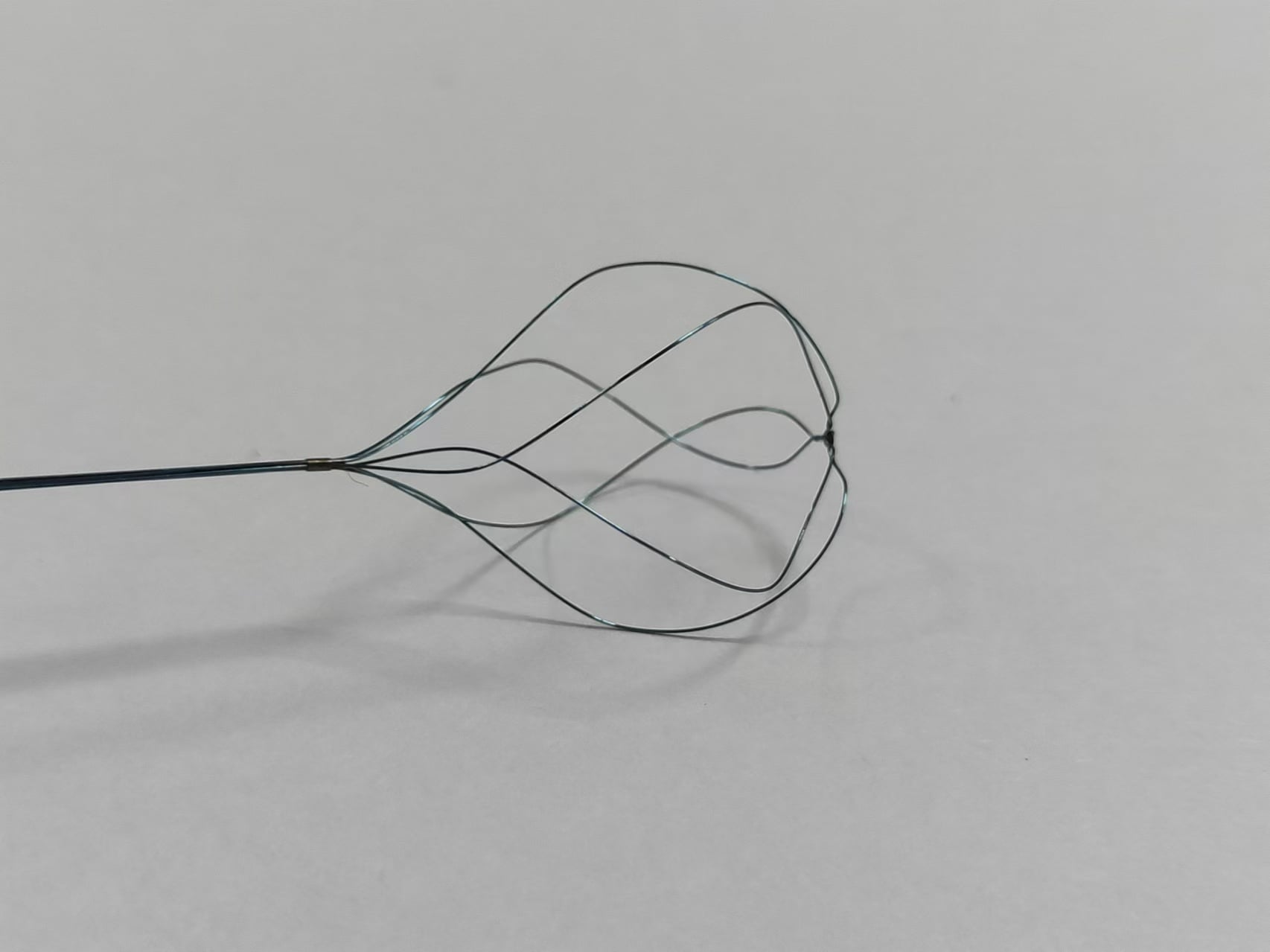
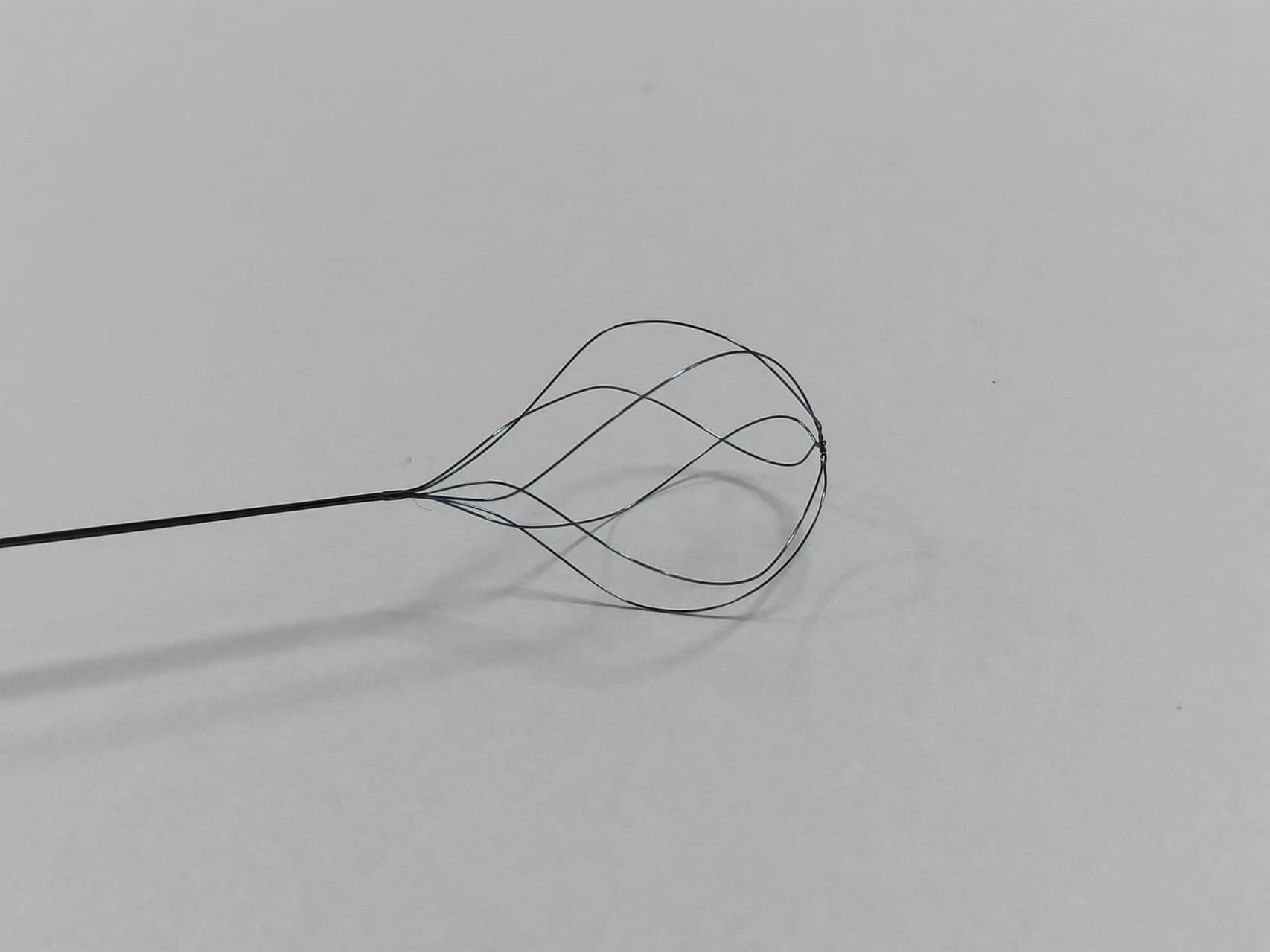
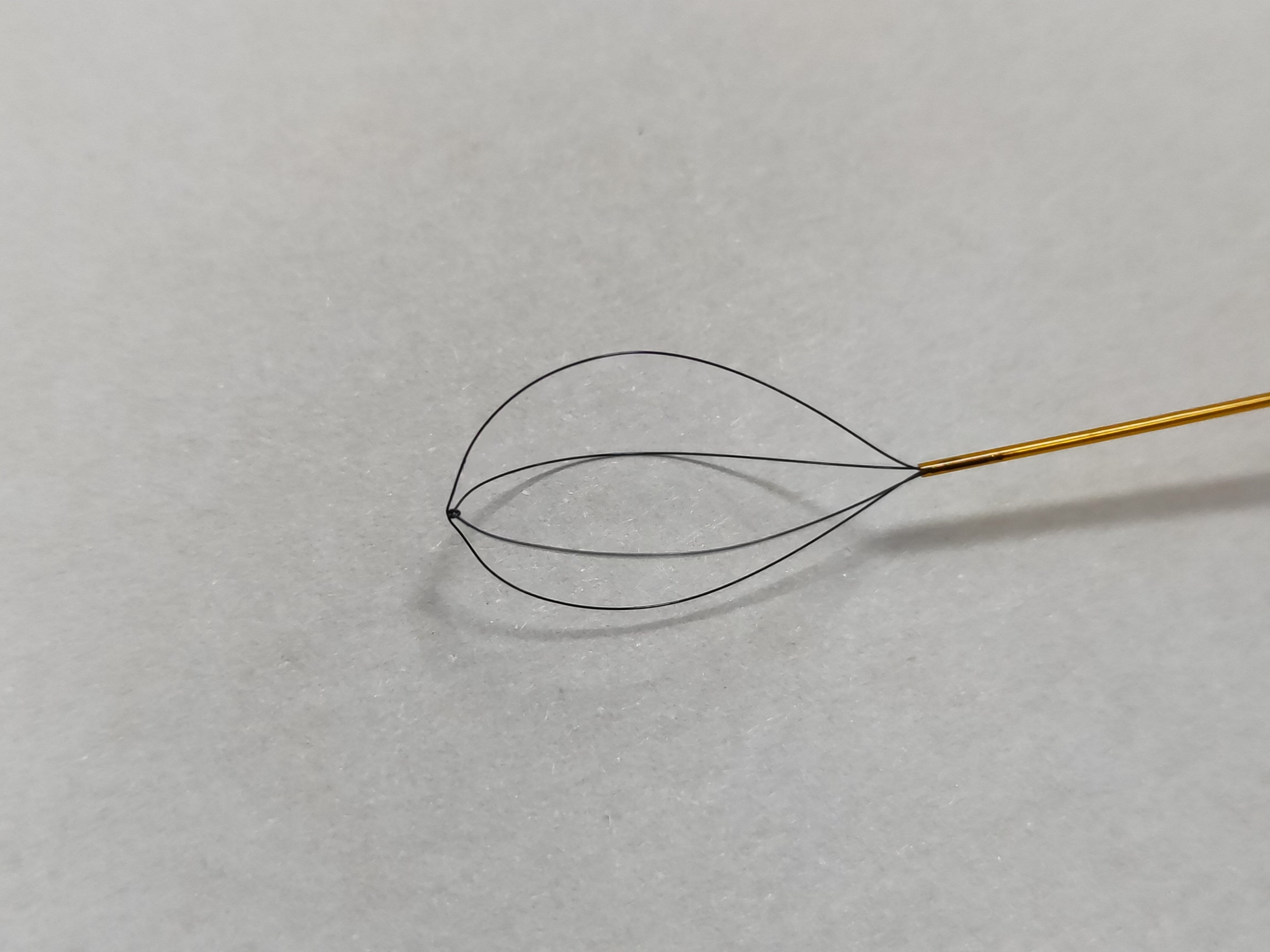
Modern nitinol stone retrieval baskets are available in a wide array of configurations tailored to specific clinical scenarios. The tipless (or "zero tip") design has emerged as a particularly important advancement. By eliminating a protruding distal tip, these baskets can be positioned directly against the mucosa, allowing close stone approximation while minimizing tissue trauma. The flat distal surface is designed to eliminate the tissue-to-tip interface, enabling atraumatic manipulation even in sensitive anatomical locations such as the renal papillae.
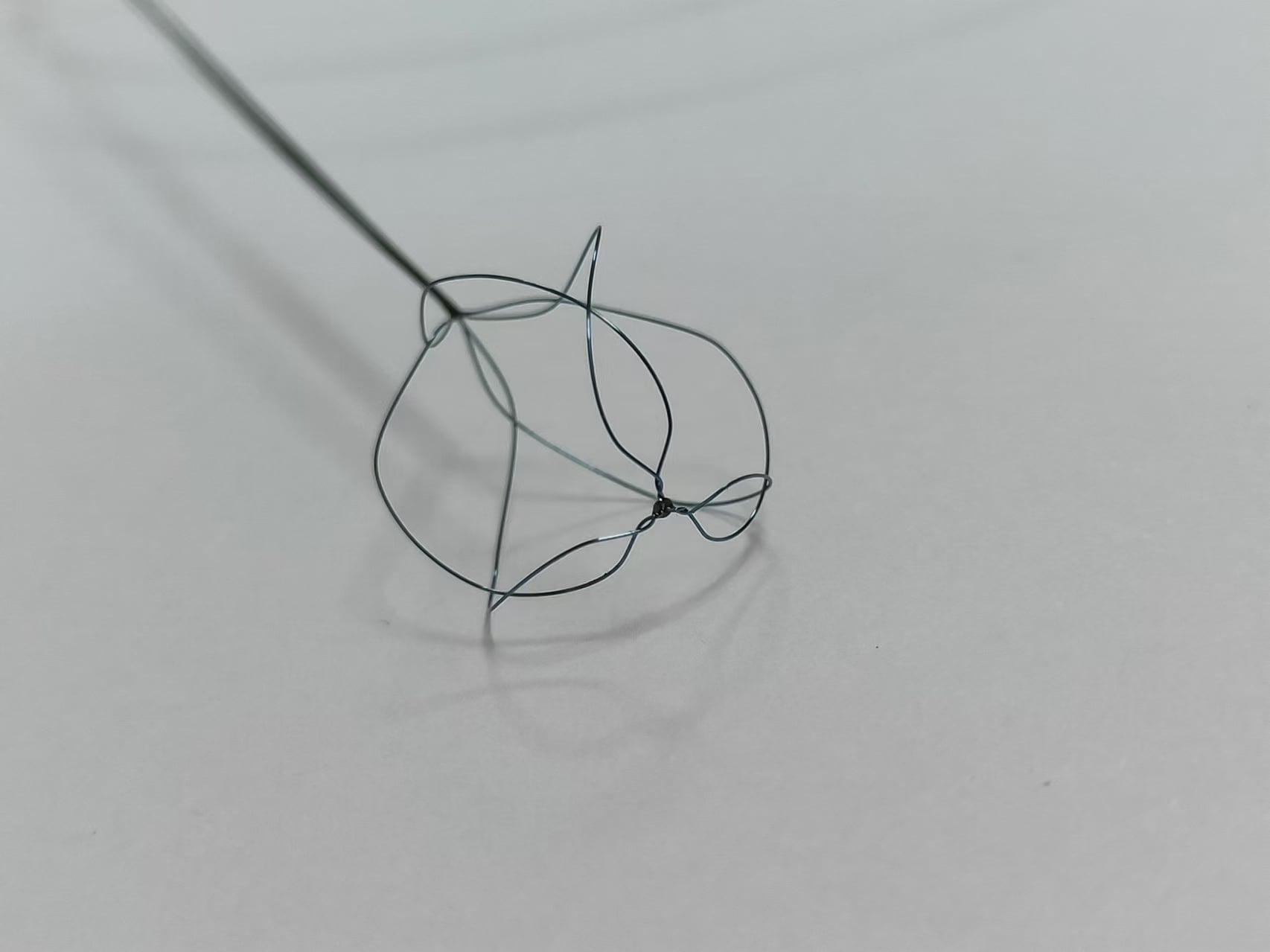
Basket configurations vary from three-wire to eight-wire designs. Four-wire helical baskets are among the most common, offering a balance of capture efficiency and release capability. More complex designs, such as the eight-wire helical basket, have demonstrated high complete stone removal rates — one multicenter prospective study reported a 95.0% complete stone removal rate within a median time of 6 minutes for common bile duct stones ≤10 mm. Some baskets incorporate twisted-wire cages that maintain their shape and form even under extreme duress, ensuring durability during challenging extractions.
Clinical Applications and Procedural Utility
Nitinol stone retrieval baskets are indicated for endoscopic grasping, manipulation, and removal of calculi and foreign bodies from the urinary and biliary tracts. In urology, they are employed across a spectrum of procedures including ureteroscopy (URS), retrograde intrarenal surgery (RIRS), and percutaneous nephrolithotomy (PCNL). The baskets are particularly valuable for retrieving stone fragments following laser lithotripsy and for repositioning stones from difficult-to-access locations such as the lower pole calyces. In biliary endoscopy, these devices are used during endoscopic retrograde cholangiopancreatography (ERCP) to extract common bile duct stones.
The ability of nitinol baskets to maintain scope deflection is a critical performance parameter. Smaller-diameter baskets (as small as 1.5 Fr) allow for superior irrigation flow and less strain on the ureteroscope, enabling better visualization and access to the collecting system. In a 3.6 Fr working channel, a 1.9 Fr sheath has been shown to offer 41% more irrigation flow than a 2.2 Fr sheath and 128% more than a 2.4 Fr sheath.
Safety, Efficacy, and Comparative Performance
In vitro studies have demonstrated that nitinol basket designs possess the best retrieval capabilities among available stone extraction devices. The ability to articulate the basket further improves stone release once engagement has occurred. Compared with traditional stainless steel baskets, nitinol devices offer a superior safety profile, with the tipless design significantly reducing the risk of ureteral wall injury and perforation. The shape-memory properties of nitinol also allow these baskets to serve specialized functions, such as the stone cone basket that deploys as a flexible barrier to prevent retrograde stone migration during lithotripsy.
Adverse events associated with nitinol basket use are generally uncommon. In a multicenter trial of the eight-wire helical basket, adverse events were observed in 10.1% of patients. However, as with any endoscopic instrument, excessive force can damage the basket or result in stone impaction, and careful technique is essential to prevent ureteral laceration or avulsion.
Future Directions
The evolution of nitinol stone retrieval baskets continues apace. Emerging designs