
 EN



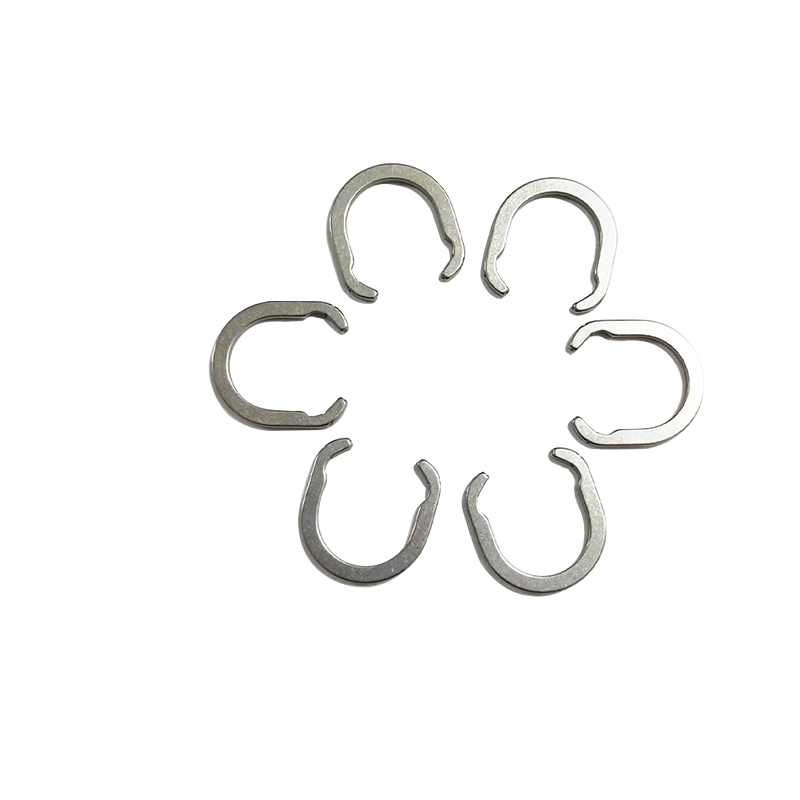
Selecting the appropriate tension for matrix rings is a critical decision that directly impacts the quality and longevity of restorative dental work. Matrix rings play an essential role in creating proper contact points, establishing anatomically correct contours, and ensuring tight margins during composite and amalgam restorations. Understanding how to choose the correct tension of matrix rings for different teeth requires knowledge of tooth anatomy, restoration type, and clinical application principles. The tension you apply affects not only the immediate restoration outcome but also the patient's long-term periodontal health and restoration durability.
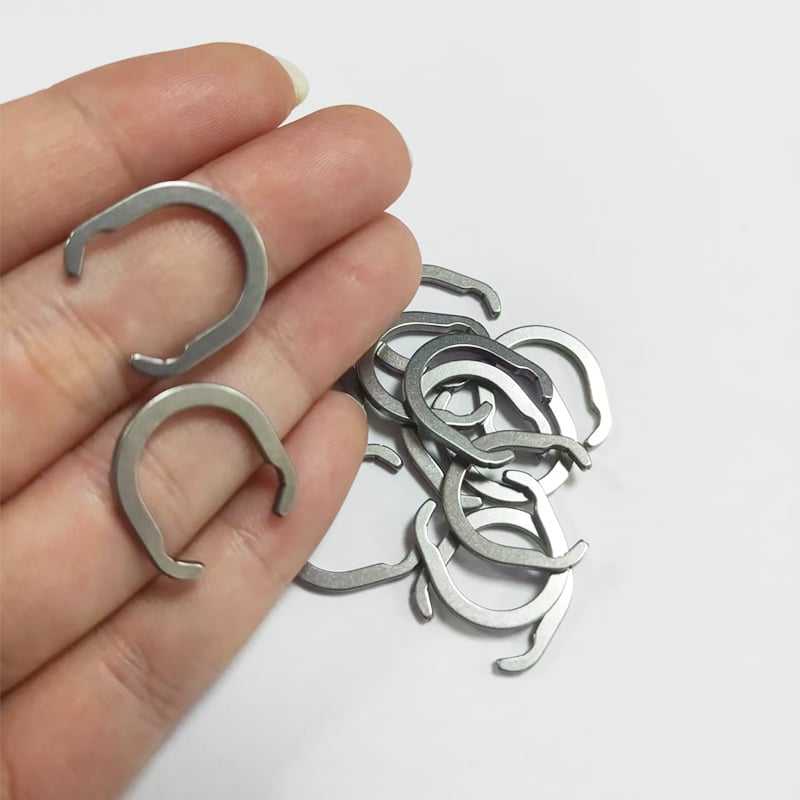
Matrix rings come in various designs and materials, with nitinol and stainless steel being the most common options in modern dentistry. The tension applied by matrix rings must be carefully calibrated because insufficient tension allows proximal margins to gap and contact points to form improperly, while excessive tension can damage tooth structure and cause patient discomfort. Choosing the right matrix rings involves understanding the specific requirements of anterior versus posterior teeth, single-surface versus multi-surface restorations, and the anatomical variations that exist within tooth categories.
Understanding Matrix Ring Tension and Tooth Classification
Tension Requirements for Anterior Teeth
Anterior teeth present unique challenges when selecting matrix rings because their narrower cervical dimensions and smaller interproximal spaces require lighter, more controlled tension. Matrix rings designed for anterior teeth typically provide gentle, consistent pressure that maintains proximal anatomy without excessive force. The correct tension of matrix rings for incisors and canines should be just firm enough to hold the matrix band in intimate contact with the preparation walls without creating pressure points that could cause enamel cracking or pulpal irritation.
For anterior restorations, the matrix rings must also accommodate the unique labial-lingual dimensions that differ significantly from posterior teeth. Light to moderate tension matrix rings work best in this region because they prevent matrix band movement during condensation while allowing adequate visibility and access for the clinician. When choosing matrix rings for anterior teeth, practitioners should consider whether the restoration involves a single proximal surface or extends across both mesial and distal aspects, as this affects the tension distribution needed.
Tension Specifications for Posterior Teeth
Posterior teeth require stronger matrix rings with higher tension capacity because molars and premolars have larger buccolingual dimensions and experience greater functional forces during mastication. Matrix rings for posterior restorations must maintain firm, unyielding pressure against restoration material to ensure proper proximal contour and contact relationships. The correct tension of matrix rings in the posterior region must overcome the natural elasticity of composite resin and resist the condensation forces applied during amalgam restoration placement.
The wide buccolingual dimension of posterior teeth means that matrix rings must apply tension uniformly across both the facial and lingual aspects simultaneously. Heavy-tension matrix rings designed for posterior applications provide the grip needed to stabilize wider matrix bands and prevent proximal gaps that would compromise restoration margins and create sites for secondary caries development.
Selecting Matrix Rings Based on Restoration Type and Surface Configuration
Single-Surface and Two-Surface Restorations
Single-surface restorations, whether occlusal only or involving a single proximal aspect, generally require moderate tension from matrix rings because the restoration area is limited and the forces involved during placement are localized. Matrix rings selected for single-surface cases should provide sufficient retentive force without creating unnecessary pressure on tooth structure. When choosing matrix rings for a single proximal restoration, ensure that the ring design accommodates the matrix band positioning that will best expose the preparation for visibility and condensation.
Two-surface restorations create more complex demands on matrix rings because the tension must be distributed across a larger restoration area while maintaining proper contact point anatomy on both proximal surfaces. Matrix rings for two-surface cases benefit from designs that provide independent tension control if available, allowing clinicians to balance proximal pressure and prevent one side from dominating the tension application. The correct tension of matrix rings in two-surface scenarios prevents occlusal contact between the matrix band and restoration margins.
Complex and Extended Restorations
Three-surface and more extensive restorations require specialized consideration when selecting matrix rings because the tension must accommodate larger matrix bands and sustain pressure throughout longer restoration placement procedures. Matrix rings designed for complex restorations often feature enhanced rigidity and tension mechanisms that prevent band slippage or tension loss during extended condensation procedures. Choosing the appropriate matrix rings for extended restorations involves evaluating whether the restoration involves facial-lingual extensions, which significantly increase the tension requirements beyond standard posterior applications.
For restorations involving multiple surfaces or unusual preparation geometries, practitioners must ensure that matrix rings can accommodate specialized matrix band designs while maintaining consistent tension distribution. The correct tension of matrix rings in complex cases balances the competing demands of comprehensive coverage, proximal contact formation, and operator accessibility for restoration material placement and condensation.
Clinical Application Strategies and Tension Adjustment Principles
Assessing Tooth Morphology and Preparation Configuration
Effective selection of matrix rings depends on careful examination of individual tooth morphology, because even within tooth categories, significant variations exist in cervical diameter, interproximal contact height, and buccolingual dimension. Matrix rings must be chosen to match these anatomical characteristics, ensuring that the selected ring design provides appropriate tension distribution for the specific tooth morphology encountered. The correct tension of matrix rings is relative to tooth size, preparation extent, and the specific interproximal contact relationships that need to be restored.
Preparation configuration also influences matrix ring selection because extended preparations, cervical preparations, or unusual margin locations may require adjustment of tension application techniques. When choosing matrix rings for non-standard preparations, clinicians should consider whether additional matrix band positioning or modified tension application will be necessary to achieve proper restoration contours and margins.
Implementing Proper Tension Control and Verification
Once matrix rings are selected, proper implementation of tension control ensures consistent restoration quality and minimizes proximal margin gaps or excessive contact point dimension. The correct tension of matrix rings is verified through visual assessment of matrix band positioning, gentle palpation to confirm firm but not excessive pressure, and assessment of band mobility when tension is intentionally released. Practitioners should develop tactile proficiency in applying consistent tension because variation in tension application between similar cases compromises restoration quality and reproducibility.
Verification techniques include observing whether the matrix band remains in stable contact with preparation walls throughout condensation, whether proximal margins appear properly defined and gap-free, and whether contact point anatomy develops appropriately for the specific tooth and restoration type involved. The correct tension of matrix rings should prevent band movement while allowing adequate condensation force application and restoration material delivery without distortion of proximal contours.
FAQ
What happens if matrix rings apply insufficient tension during restoration placement?
Insufficient tension in matrix rings allows the matrix band to separate from preparation walls, particularly during condensation of restoration material. This creates proximal gaps, inadequate contact point formation, and subgingival margin exposure that compromises restoration longevity and increases secondary caries risk. The resulting restorations typically exhibit poor proximal contacts that shift during functional loading, accelerating restoration failure and requiring replacement within a few years.
How do I determine if matrix rings are applying excessive tension on tooth structure?
Excessive tension from matrix rings creates visible pressure marks on tooth structure, causes patient discomfort during and after placement, and may result in enamel fractures or crazing in the interproximal region. When removing matrix rings, excessive tension often leaves visible indentations that persist for hours or days. Clinical observation of patient response, post-operative sensitivity, and long-term enamel condition helps practitioners calibrate appropriate tension levels that avoid tissue damage while maintaining restoration quality.
Can the same matrix rings be used for both anterior and posterior restorations?
While some universal matrix ring designs attempt to serve multiple tooth categories, specialized rings designed specifically for anterior or posterior applications provide superior results because they accommodate tooth-specific anatomy and tension requirements. Using posterior matrix rings on anterior teeth often applies excessive tension to smaller tooth dimensions, while anterior rings on posterior teeth may fail to provide sufficient pressure for proper posterior restoration contours. Most clinical situations benefit from maintaining separate matrix ring selections optimized for anterior and posterior applications.