
 EN
EN



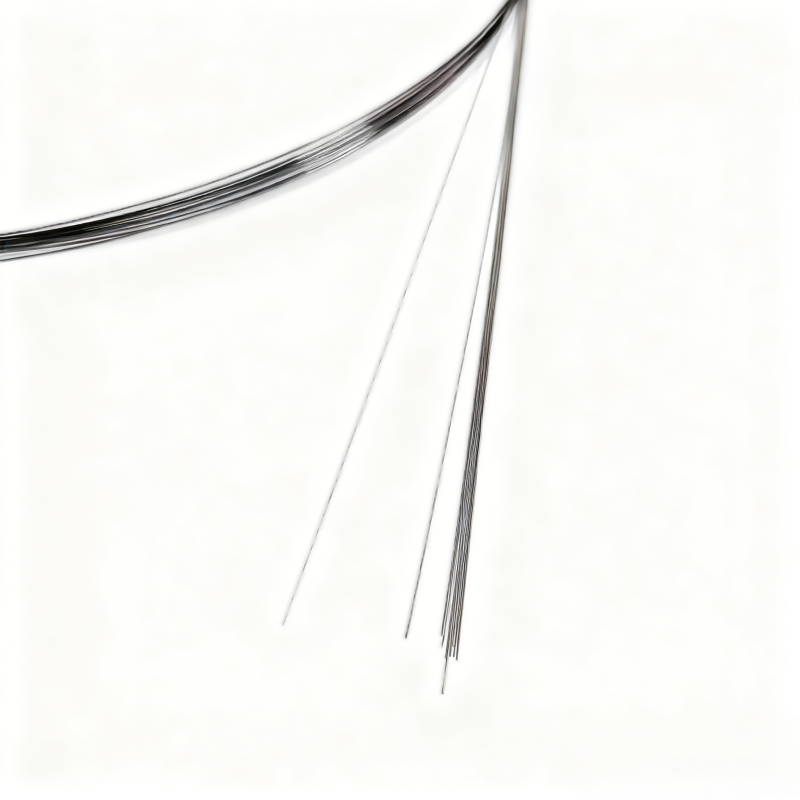
Shape memory alloy technology represents one of the most sophisticated advances in materials science, and sma wire sits at the center of this innovation. The ability to regulate sma wire contraction and shape through precise current control has revolutionized automation, robotics, and aerospace applications. Unlike traditional actuators, sma wire responds directly to thermal input, making current regulation the primary mechanism for controlling its mechanical behavior. Understanding how to harness this capability requires knowledge of the material's phase transformation properties and the relationship between electrical current, heat generation, and mechanical output.
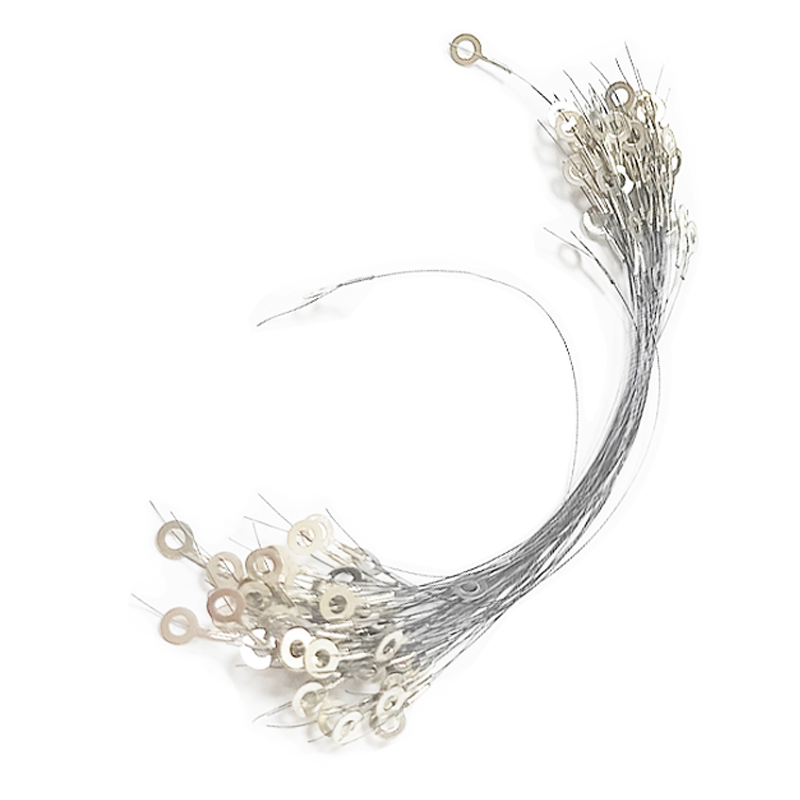
Controlling sma wire contraction through current manipulation offers unprecedented precision in motion control applications. By adjusting the electrical current flowing through the wire, engineers can trigger the phase transition from austenite to martensite, causing the sma wire to contract with remarkable force and accuracy. This method eliminates the need for complex mechanical linkages or hydraulic systems, making sma wire actuators ideal for compact, silent, and responsive applications. The relationship between input current and sma wire output displacement is highly predictable when properly calibrated, enabling designers to create systems with exceptional repeatability and reliability.
Understanding Current-Controlled Contraction in SMA Wire
The Phase Transition Mechanism Behind SMA Wire Behavior
When electrical current passes through sma wire, the wire's resistance generates Joule heat, raising its temperature and triggering a microscopic phase transformation. This transformation from the martensitic state to the austenitic state causes the sma wire to contract with significant force, often producing strains exceeding eight percent. The contraction process in sma wire is reversible; when current is removed and the wire cools, it returns to its original shape. Understanding this thermomechanical cycle is essential for anyone seeking to control sma wire precisely. The speed and magnitude of contraction depend directly on the current amplitude, pulse duration, and the ambient thermal environment surrounding the sma wire.
Temperature Control and Threshold Activation
Precise current control enables engineers to reach specific temperature thresholds that activate sma wire contraction without causing degradation or excessive stress. Every sma wire composition has distinct transition temperatures, typically ranging from forty degrees Celsius to one hundred degrees Celsius, depending on the alloy composition. By carefully regulating current levels, technicians can ensure the sma wire reaches its austenite finish temperature without overshooting, maintaining structural integrity over thousands of cycles. This threshold management is critical; applying excessive current can overheat the sma wire and cause permanent damage to its crystal structure. Modern control systems monitor sma wire resistance in real time, adjusting current dynamically to maintain optimal operating temperatures.
Practical Methods for Implementing Precise Current Control
Pulse-Width Modulation for Fine-Grained SMA Wire Displacement
Pulse-width modulation, or PWM, has emerged as the industry standard for regulating sma wire contraction with exceptional granularity. By rapidly switching current on and off at programmable frequencies, PWM allows operators to achieve partial contraction in sma wire rather than binary full-contract or full-relax states. This technique gives designers the ability to create smooth, proportional motion in sma wire actuators, making them suitable for applications requiring variable force or multi-position movement. The duty cycle of the PWM signal directly correlates to the average heating of the sma wire, enabling precise control over contraction speed and final displacement. Real-world implementations of sma wire control frequently use PWM frequencies between one hundred hertz and one kilohertz, balancing responsiveness with thermal stability in the wire.
Feedback-Based Current Adjustment Systems
Advanced sma wire control systems integrate real-time feedback mechanisms to automatically adjust current based on measured displacement or force output. Resistance measurement feedback is particularly effective for sma wire applications, as the wire's electrical resistance changes predictably with temperature and phase state. By continuously monitoring this resistance, closed-loop controllers can maintain consistent sma wire performance across varying ambient conditions and after multiple actuation cycles. This approach ensures that sma wire behavior remains uniform regardless of thermal drift or component aging. Sensor-based systems for sma wire control add cost and complexity, but they deliver superior performance in demanding industrial and medical applications where precision is non-negotiable.
Optimizing SMA Wire Performance Through Current Management
Cycle Life Extension and Thermal Stress Mitigation
Proper current control directly impacts the long-term durability and cycle life of sma wire actuators. Excessive or uncontrolled current causes unnecessary heating in the sma wire, leading to accelerated fatigue and reduced service life. By maintaining current levels just sufficient to achieve the required sma wire contraction, engineers can extend operational life to hundreds of thousands of cycles. Thermal cycling stress is minimized when sma wire operates within its optimal temperature window, typically between fifty and eighty percent of the absolute transition temperature range. Temperature monitoring and current limiting are essential practices for any sma wire application requiring long-term reliability.
Application-Specific Current Profiles for SMA Wire
Different applications demand different current strategies for optimal sma wire performance. Robotic grippers require rapid, high-force sma wire contractions, often achieved through brief, high-current pulses. Medical implants demand gentler sma wire activation with lower peak currents to minimize tissue damage. Aerospace valve actuators often employ intermediate current profiles that balance speed and precision in sma wire response. The sma wire current profile must be tailored to specific mechanical requirements and environmental constraints. Engineering teams designing with sma wire should develop application-specific current waveforms through prototyping and testing to achieve the desired balance between response speed, force output, and component longevity.
FAQ
What current levels are typical for activating sma wire?
Typical current levels for sma wire activation range from two to ten amperes for industrial-grade wires, depending on wire diameter and material composition. Smaller diameter sma wire, such as 0.5 millimeters, may require lower currents around one to three amperes, while larger diameter sma wire could need fifteen to twenty amperes for full actuation. The specific current requirement for your sma wire should be determined through careful calculation based on wire resistance and desired heating rate. Manufacturers typically provide current-temperature calibration data for their sma wire products. Starting with manufacturer recommendations and adjusting empirically during prototyping is the most reliable approach for establishing safe and effective sma wire operating parameters.
Can sma wire contraction be precisely modulated or only fully activated?
Modern control techniques, particularly pulse-width modulation, enable precise partial contraction in sma wire across a continuous range rather than binary on-off states. By varying the duty cycle and frequency of the current pulses, sma wire can be commanded to contract anywhere from zero to one hundred percent of its maximum stroke. This proportional control capability makes sma wire suitable for sophisticated motion applications requiring smooth, variable output. Feedback-based systems further enhance sma wire precision by compensating for thermal and mechanical variations. The level of modulation detail achievable with sma wire rivals or exceeds traditional actuator technologies in many applications.
How do ambient temperature changes affect sma wire current control?
Ambient temperature significantly impacts the current required to activate sma wire, as external heat reduces the electrical energy needed to reach transition temperature. In warm environments, sma wire may respond to lower currents than in cold conditions, potentially causing unintended activation if current levels are not adjusted. Conversely, cold environments require higher sma wire current to achieve the same contraction. Sophisticated sma wire control systems incorporate temperature sensors and adaptive algorithms to automatically compensate for ambient conditions. For applications operating across wide temperature ranges, developing compensation curves for your sma wire performance is essential to maintain consistent and reliable behavior.