
 EN
EN



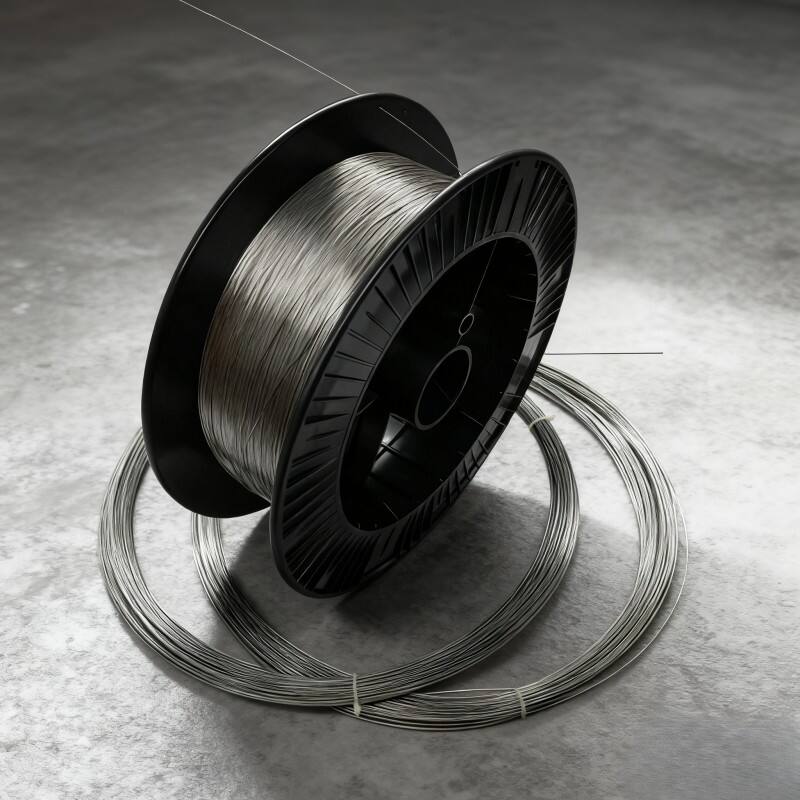
When sourcing advanced shape memory alloys for medical devices, aerospace components, or industrial actuators, the manufacturing environment behind a supplier tells you far more than a product catalog ever could. Nitinol customization is a precision-intensive process that demands controlled environments, specialized equipment, and deep metallurgical expertise — all of which require substantial physical infrastructure to execute reliably. A brand operating from a 5,000m² dedicated facility is not simply showing off floor space; it is demonstrating a structural commitment to quality, consistency, and the technical depth that serious Nitinol customization demands.
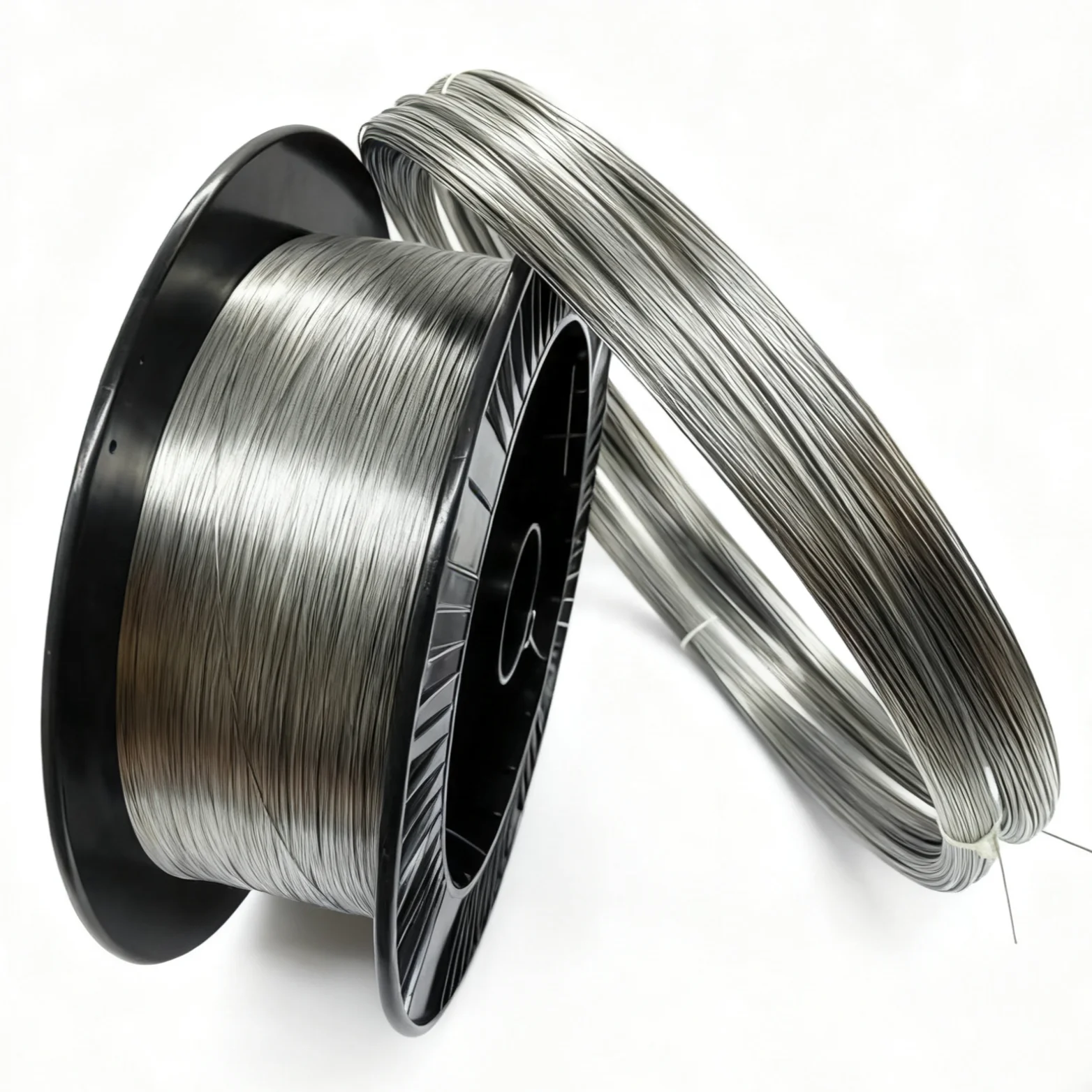
For procurement engineers and product developers working in regulated industries, the question of factory scale is not about prestige — it is about capability, traceability, and risk management. A large, purpose-built facility enables a manufacturer to separate production zones, maintain strict environmental controls, and invest in the full spectrum of processing equipment that true Nitinol customization requires. Understanding why factory scale correlates so directly with professional-grade output helps buyers make smarter, lower-risk sourcing decisions.
The Physical Demands of Professional Nitinol Customization
Why Nitinol Processing Requires Dedicated Space
Nitinol is a nickel-titanium alloy with unique superelastic and shape memory properties that emerge only when the material is processed under tightly controlled thermal and mechanical conditions. Unlike standard stainless steel or copper alloys, Nitinol customization involves multiple sequential stages — vacuum arc remelting, hot and cold working, shape-setting heat treatment, and surface finishing — each of which requires its own dedicated equipment and environmental zone. Attempting to compress these stages into a small, multipurpose workshop introduces contamination risks, thermal interference, and dimensional inconsistencies that compromise the final product.
A 5,000m² factory provides the physical separation necessary to isolate each processing stage. Clean zones for medical-grade wire drawing can be kept away from the heat and particulate generated by melting and forging operations. This spatial discipline is not a luxury — it is a prerequisite for producing Nitinol customization outputs that meet the dimensional tolerances and phase transformation specifications required by medical device OEMs and aerospace integrators.
Smaller facilities are often forced to share equipment across different alloy types or production runs, which introduces cross-contamination and scheduling conflicts that degrade quality consistency. A dedicated large-scale facility eliminates these compromises, allowing the manufacturer to maintain single-alloy production lines where Nitinol customization is the primary focus rather than one of many competing priorities.
Equipment Density and Process Coverage
Professional Nitinol customization is not achievable with a single machine or a small set of general-purpose tools. The full process chain includes vacuum induction melting furnaces, multi-pass wire drawing machines, precision tube-forming equipment, shape-setting ovens with programmable thermal profiles, electropolishing systems, and metrology instruments capable of measuring phase transformation temperatures and mechanical properties. Each of these systems occupies significant floor space and requires supporting infrastructure such as cooling water circuits, inert gas supply lines, and vibration-isolated foundations.
A 5,000m² facility can house this complete equipment chain under one roof, enabling in-house control over every step of the Nitinol customization workflow. This vertical integration is critical because outsourcing any stage of the process — particularly heat treatment or surface finishing — introduces variability that is difficult to audit and nearly impossible to correct after the fact. When a manufacturer controls the entire process internally, they can trace every parameter back to a specific machine setting, operator, and time stamp, which is essential for regulated applications.
The equipment density achievable in a large factory also enables parallel production runs, faster prototyping cycles, and the ability to handle both small custom batches and high-volume orders without reconfiguring the production floor. For buyers who need Nitinol customization at both the development and production scale, this flexibility is a significant operational advantage.
Quality Control Infrastructure That Only Scale Can Support
In-House Testing and Metrology Capabilities
Rigorous quality control in Nitinol customization requires more than visual inspection and basic dimensional checks. Verifying that a Nitinol wire or tube meets its specified transformation temperature window, superelastic recovery rate, fatigue life, and surface cleanliness demands a suite of analytical instruments that includes differential scanning calorimeters, tensile testing machines, optical profilometers, and scanning electron microscopes. These instruments are expensive, require skilled operators, and need stable, climate-controlled laboratory environments to produce reliable data.
A 5,000m² factory can dedicate a substantial portion of its footprint to a fully equipped quality laboratory that operates independently from the production floor. This separation ensures that testing is not rushed, not influenced by production pressure, and not compromised by the vibration or temperature fluctuations of nearby manufacturing equipment. For Nitinol customization projects where a single out-of-spec batch can delay a medical device launch or trigger a regulatory audit, this level of testing infrastructure is not optional.
Smaller suppliers often rely on third-party testing laboratories for critical measurements, which adds lead time, reduces traceability, and creates gaps in the quality record. A manufacturer with in-house metrology capabilities can test at every stage of the Nitinol customization process — incoming raw material, intermediate wire draws, post-heat-treatment samples, and finished goods — building a complete data package that supports customer qualification and regulatory submission.
Process Validation and Repeatability Systems
Professional Nitinol customization for medical or aerospace applications requires documented process validation — evidence that a given set of process parameters consistently produces output within specification. This validation work requires running multiple production lots under controlled conditions, collecting statistical data, and demonstrating that the process is stable over time. It is resource-intensive work that can only be sustained by a manufacturer with the production capacity and organizational infrastructure to absorb the cost.
A large factory supports this through dedicated process engineering teams, structured change control systems, and the physical capacity to run validation batches without displacing commercial production. The scale of a 5,000m² operation signals that the manufacturer has invested in the organizational systems — not just the machines — that make repeatable Nitinol customization possible. Buyers who have experienced the frustration of lot-to-lot variation from smaller suppliers understand exactly why this matters.
Repeatability in Nitinol customization is particularly challenging because the alloy's properties are highly sensitive to small variations in composition, cold work percentage, and heat treatment temperature. A manufacturer without robust process control infrastructure will struggle to reproduce a successful prototype at production scale, which is one of the most common failure modes in Nitinol supply chain relationships.
R&D Depth and Customization Capability
Dedicated Research and Development Resources
True Nitinol customization — as opposed to simply supplying standard wire diameters from stock — requires active research and development capability. Customers increasingly need alloys with specific transformation temperature windows, custom surface treatments for biocompatibility, non-standard geometries such as flat wire or profiled tubing, and novel heat treatment protocols that produce tailored mechanical behavior. Developing and validating these custom solutions requires metallurgists, process engineers, and application specialists who spend their time on innovation rather than routine production.
A 5,000m² factory can support a dedicated R&D wing with pilot-scale equipment that mirrors the production line but operates independently from commercial orders. This allows the manufacturer to run experimental alloy compositions, test new drawing dies, and develop novel shape-setting fixtures without disrupting delivery commitments to existing customers. The physical and financial scale required to maintain this kind of parallel R&D infrastructure is simply not accessible to small-footprint suppliers.
For buyers who need Nitinol customization that goes beyond catalog specifications, the presence of a genuine R&D function is a critical differentiator. It means the supplier can engage technically with a customer's design challenge, propose solutions based on materials science rather than just available stock, and iterate rapidly through prototype cycles to reach a validated solution.
Custom Tooling and Fixture Development
Many Nitinol customization projects require purpose-built tooling — drawing dies machined to specific profiles, shape-setting mandrels designed to produce a particular geometry, or fixturing systems that hold complex three-dimensional forms during heat treatment. Developing and maintaining this tooling in-house requires machining capability, tooling design expertise, and storage systems that keep custom fixtures organized and traceable across multiple customer projects.
A large factory naturally accommodates a tooling workshop as part of its infrastructure, enabling rapid turnaround on custom tooling requests and ensuring that customer-specific fixtures are maintained in good condition for repeat orders. This in-house tooling capability accelerates the Nitinol customization development cycle and reduces the risk of dimensional drift that can occur when tooling is outsourced to third parties who may not fully understand the alloy's processing requirements.
The ability to develop and iterate on custom tooling quickly is particularly valuable in medical device development, where design changes during the prototyping phase are common and the cost of delays is high. A manufacturer with in-house tooling capability can respond to a design revision within days rather than weeks, keeping the customer's development timeline on track.
Supply Chain Stability and Delivery Reliability
Raw Material Sourcing and Inventory Management
Consistent Nitinol customization output depends on consistent raw material input. Nickel-titanium alloy composition must be tightly controlled — even small deviations in the nickel-to-titanium ratio shift the transformation temperature window significantly, which can render a batch unusable for its intended application. A manufacturer operating at scale can maintain strategic inventory of certified raw material, qualify multiple ingot suppliers, and implement incoming inspection protocols that catch composition deviations before they enter the production process.
A 5,000m² facility has the warehouse space to hold meaningful raw material buffer stock, which protects customers from supply disruptions caused by upstream material shortages. This is particularly important for Nitinol customization projects in regulated industries, where switching to a different material lot mid-project can trigger revalidation requirements that add months to the development timeline.
Smaller suppliers with limited storage capacity are often forced to operate on a just-in-time raw material basis, which makes them vulnerable to supply chain disruptions and limits their ability to guarantee material consistency across multiple production runs. The inventory management capability that comes with factory scale is a genuine risk mitigation factor for buyers who depend on Nitinol customization for critical applications.
Production Scheduling and Lead Time Management
A large factory with multiple production lines can manage customer orders with greater scheduling flexibility than a small facility where every machine is a bottleneck. For Nitinol customization projects that involve multiple processing stages, the ability to schedule each stage efficiently — without waiting for a shared machine to become available — directly translates into shorter lead times and more reliable delivery commitments.
Production scheduling in Nitinol customization is complex because heat treatment cycles are time-fixed and cannot be rushed without compromising material properties. A manufacturer with sufficient furnace capacity can run multiple heat treatment batches simultaneously, keeping the overall production flow moving even when individual stages have long cycle times. This capacity buffer is only achievable at factory scale.
For buyers managing product development timelines or production ramp schedules, delivery reliability from a Nitinol customization supplier is as important as technical capability. A manufacturer whose factory scale enables consistent on-time delivery reduces program risk and builds the kind of long-term supply relationship that supports both parties' business objectives.
FAQ
What types of Nitinol customization can a large factory typically support?
A manufacturer operating from a large, purpose-built facility can typically support a wide range of Nitinol customization outputs, including superelastic wire in custom diameters, shape memory tubing with specific wall thicknesses, flat wire and ribbon profiles, and components with programmed three-dimensional shapes. The breadth of customization capability depends on the equipment range and R&D depth of the specific manufacturer, but factory scale is a strong indicator that the full process chain is available in-house.
How does factory size affect the quality of Nitinol customization for medical applications?
For medical applications, Nitinol customization quality depends on environmental controls, in-house testing capability, process validation documentation, and traceability systems — all of which require substantial infrastructure investment. A large factory is better positioned to maintain the clean zones, analytical laboratory, and quality management systems that medical device OEMs require from their material suppliers. Smaller facilities often lack the physical and organizational infrastructure to meet the documentation and testing requirements of regulated medical applications.
Does a larger factory always mean faster delivery for custom Nitinol orders?
Factory scale generally supports faster and more reliable delivery for Nitinol customization because it enables parallel production scheduling, raw material buffer stock, and dedicated equipment for each processing stage. However, lead time also depends on order complexity, current production loading, and the manufacturer's scheduling systems. A large factory with good production management will typically outperform a small facility on delivery reliability, but buyers should confirm lead time commitments directly with the supplier based on their specific order requirements.
What should buyers look for when evaluating a Nitinol customization supplier's facility?
When evaluating a supplier for Nitinol customization, buyers should look for evidence of a complete in-house process chain from melting through finishing, a dedicated quality laboratory with relevant analytical instruments, documented process validation records, and a clear separation of production zones for different processing stages. Factory scale is a useful proxy for these capabilities, but a facility visit or detailed capability audit will provide the most reliable assessment of whether the manufacturer can meet the technical and quality requirements of a specific application.
Table of Contents
- The Physical Demands of Professional Nitinol Customization
- Quality Control Infrastructure That Only Scale Can Support
- R&D Depth and Customization Capability
- Supply Chain Stability and Delivery Reliability
-
FAQ
- What types of Nitinol customization can a large factory typically support?
- How does factory size affect the quality of Nitinol customization for medical applications?
- Does a larger factory always mean faster delivery for custom Nitinol orders?
- What should buyers look for when evaluating a Nitinol customization supplier's facility?