
 EN
EN



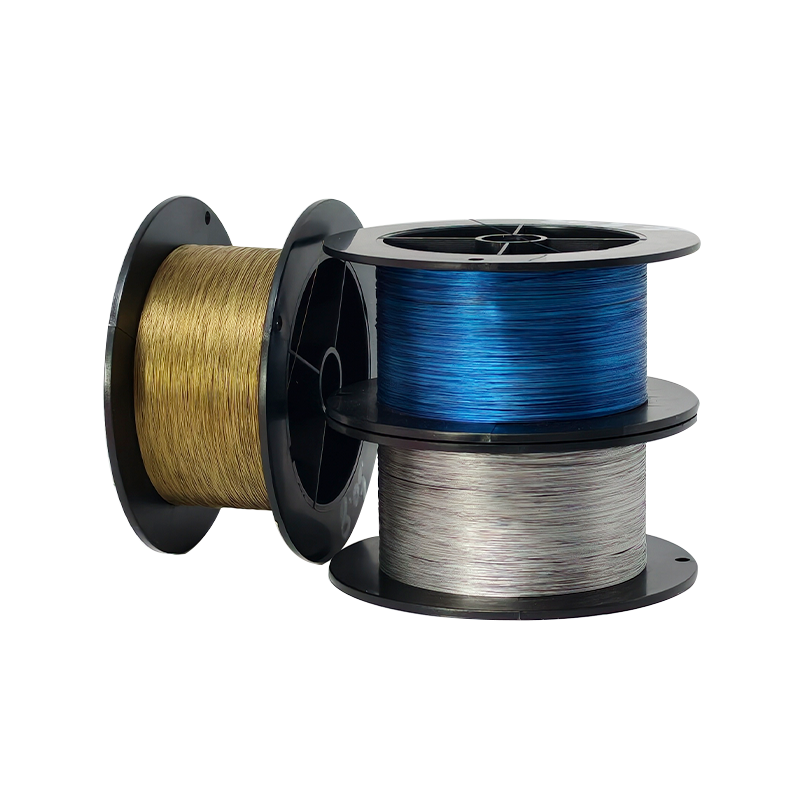
When a clinic selects a guide wire for a critical procedure, confidence is not optional. Every guide wire used in a cardiovascular, endoscopic, or interventional radiology setting carries direct responsibility for patient safety. A guide wire brand that holds 100 patents is not simply marketing a number — it is signaling a documented history of engineering innovation, rigorous testing, and clinical validation that clinics can rely on.
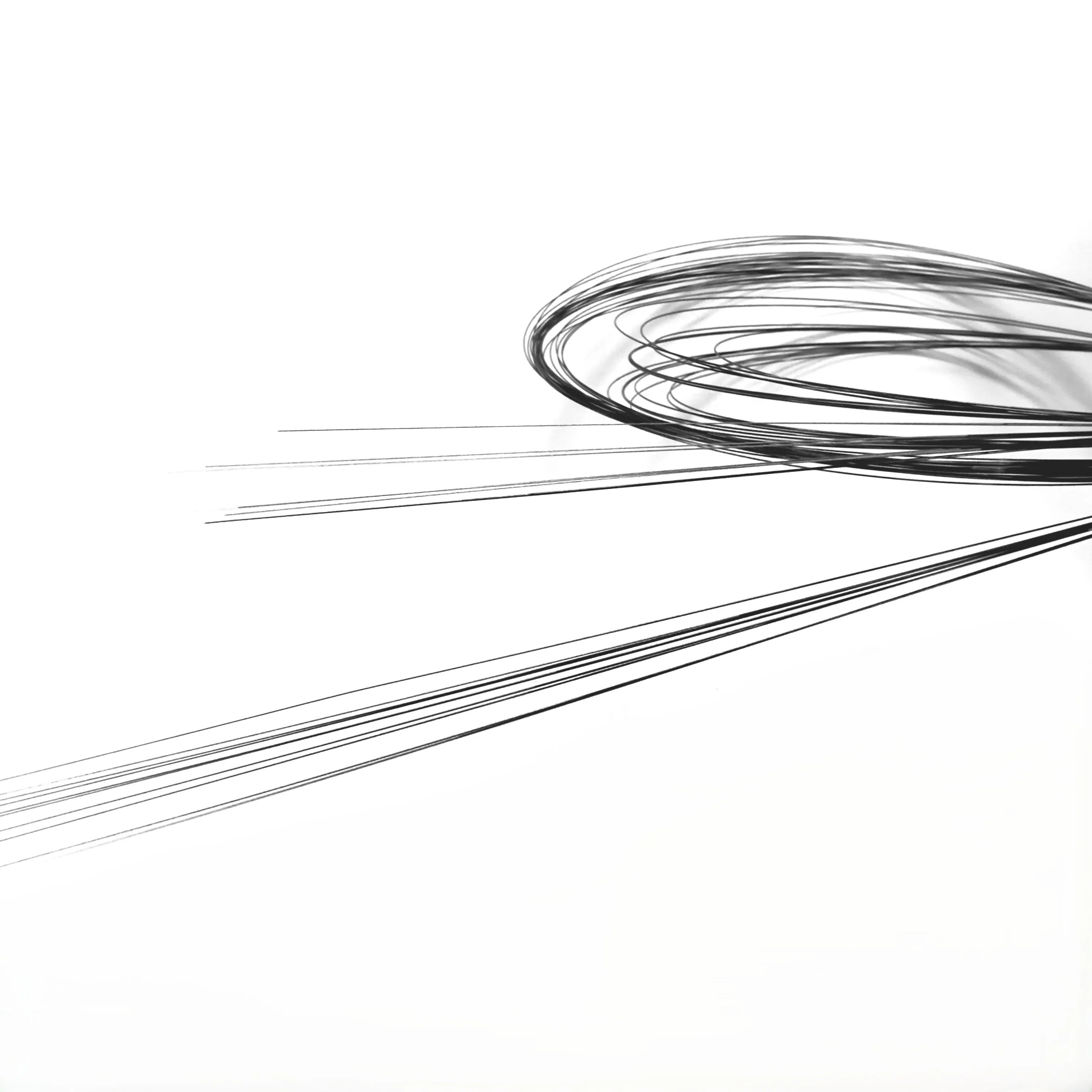
Clinics and procurement teams face increasing pressure to standardize supplies, reduce procedural complications, and demonstrate evidence-based sourcing decisions. Choosing a guide wire from a manufacturer with deep intellectual property demonstrates that the guide wire has been scientifically refined over many product generations. This article examines exactly what that level of innovation means in practice — and why it matters at every stage of patient care.
The Engineering Value Behind a Patented Guide Wire
Patents as Proof of Guide Wire Innovation
A patent is not simply a legal document. For a guide wire, a patent represents a specific, validated engineering advancement — whether in wire geometry, nitinol alloy composition, surface coating, torque transmission, or tip shapability. A brand that holds 100 guide wire patents has invested years of research, clinical feedback, and iterative design into the product. Each guide wire patent resolves a real clinical problem, such as improving trackability through tortuous vessels or enhancing tactile feedback during navigation.
When clinicians use a guide wire from such a brand, they are not using a commodity product. They are using a guide wire that has been deliberately engineered for specific anatomical and procedural demands. The accumulated patents behind a guide wire reflect a manufacturer that listens to clinical outcomes and translates those insights into measurable product improvements. This engineering depth is what separates a trusted guide wire from an interchangeable generic.
Material Mastery and Guide Wire Performance
Many guide wire patents specifically cover nitinol superelastic properties, which are essential for navigating curved anatomical pathways without kinking. A guide wire made from ASTM F2063-grade nitinol demonstrates conformity to internationally recognized material standards. Patented processes for nitinol heat treatment, cold drawing, and surface finishing ensure that each guide wire behaves predictably under real procedural stress. Clinics that use a guide wire backed by this level of metallurgical expertise gain measurable procedural consistency.
How Patent Depth Builds Clinical Trust in a Guide Wire
Reduced Procedural Risk Through a Proven Guide Wire
Every guide wire failure in a clinical setting carries serious consequences — from extended procedure time to vessel trauma or device retrieval complications. A guide wire brand with 100 patents has documented solutions to known failure modes. Patented guide wire tip designs reduce perforation risk. Patented guide wire core-to-coil bonding methods reduce the risk of tip separation. Patented guide wire hydrophilic coatings reduce friction and improve lesion-crossing capability. Each of these advancements directly reduces the probability of adverse events during a procedure.
Clinics that standardize on a patented guide wire platform benefit from predictable behavior across a range of procedure types. Staff can develop familiarity with how the guide wire handles under fluoroscopy, which reduces cognitive load and improves decision-making during time-sensitive interventions. The guide wire becomes a reliable tool rather than a variable that must be constantly re-evaluated. For high-volume catheterization laboratories, this consistency translates to measurable efficiency gains.
Regulatory and Quality Assurance Alignment for Guide Wire Procurement
Procurement teams in healthcare systems must justify medical device purchases with documented evidence of quality and regulatory compliance. A guide wire manufacturer with 100 patents typically supports an extensive quality management infrastructure — ISO 13485 certification, FDA registration, CE marking, and detailed design history files for each guide wire variant. These documentation standards do not happen independently of innovation. The same rigor that produces patented guide wire technology also produces the audit trails that procurement teams need during supplier qualification.
When a hospital evaluates a guide wire supplier, patent depth is a credible proxy for quality system maturity. A manufacturer that has consistently invested in guide wire intellectual property over time has demonstrated organizational commitment to continuous improvement. This gives procurement officers confidence that the guide wire supply chain is stable, the product will remain consistent across batches, and technical support will be available when clinical questions arise.
Practical Confidence the Right Guide Wire Delivers to Clinics
Training and Adoption of a Patented Guide Wire
Introducing a new guide wire to clinical staff requires confidence in the product's behavior. When a guide wire brand has 100 patents, the product typically comes with detailed clinical data, application guides, and simulation-based training options. Clinicians can approach a new guide wire knowing that the design rationale is documented and that the engineering choices reflect real procedural evidence. This reduces hesitation during adoption and shortens the learning curve for new users.
In departments where multiple specialists share guide wire inventory, consistency matters enormously. A patented guide wire with a clearly defined performance envelope allows cardiologists, radiologists, and gastroenterologists to select the appropriate guide wire variant with confidence. The portfolio depth that typically accompanies a 100-patent brand means the clinic can source multiple guide wire specifications from a single trusted manufacturer, simplifying supply chain management and reducing the risk of substitution errors.
Long-Term Value of Choosing an Innovative Guide Wire Brand
Clinical procurement is not only about today's procedure. Choosing a guide wire brand with a strong innovation track record means the clinic is partnering with a manufacturer that will continue to develop the guide wire product line. As procedural techniques evolve, new guide wire geometries, coatings, and alloy grades will emerge from that same innovation pipeline. The clinic that invests in a relationship with a guide wire brand holding 100 patents positions itself to benefit from future advancements without switching suppliers or retraining staff.
Ultimately, the confidence that a 100-patent guide wire brand brings to clinics is systemic. It spans the engineering quality of the guide wire itself, the reliability of its manufacturing process, the depth of clinical documentation, and the long-term partnership value the manufacturer offers. For clinics that treat patient outcomes as a non-negotiable standard, selecting a guide wire from a manufacturer with proven, documented innovation is not a premium choice — it is the responsible one.
FAQ
Why does the number of patents matter when choosing a guide wire?
Patent count reflects the depth of engineering investment a manufacturer has made in the guide wire product. More patents typically mean more solved clinical problems, better material control, and a more refined guide wire design. This gives clinics greater confidence in consistent performance across procedures.
What materials are commonly used in a patented guide wire?
Most advanced guide wire products use nitinol, a nickel-titanium alloy valued for its superelastic properties. A patented guide wire made to ASTM F2063 standards ensures the nitinol composition meets strict medical-grade requirements, supporting safe and reliable use in interventional procedures.
How does a patented guide wire support procurement decision-making?
A guide wire from a patent-rich manufacturer typically comes with strong regulatory documentation, quality certifications, and traceable design history. This makes it easier for procurement teams to justify the guide wire selection, pass supplier audits, and maintain compliance with hospital supply chain standards.