Medical Grade Superelastic Wire: Advanced Solutions for Modern Healthcare Applications

Get a Free Quote

Our representative will contact you soon.
Email
Name
Company Name
Message
0/1000

medical grade superelastic wire

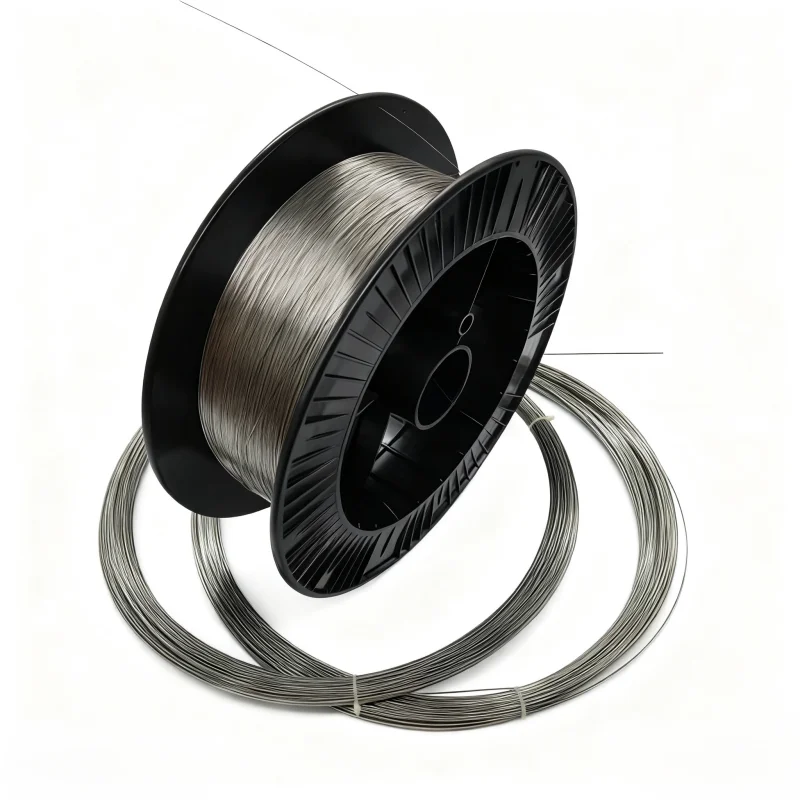
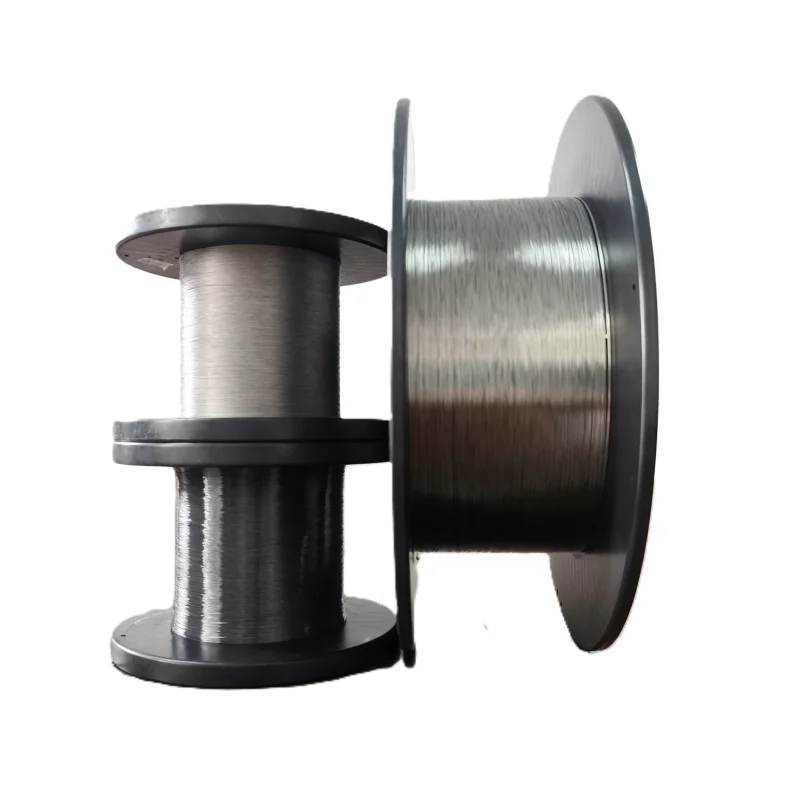
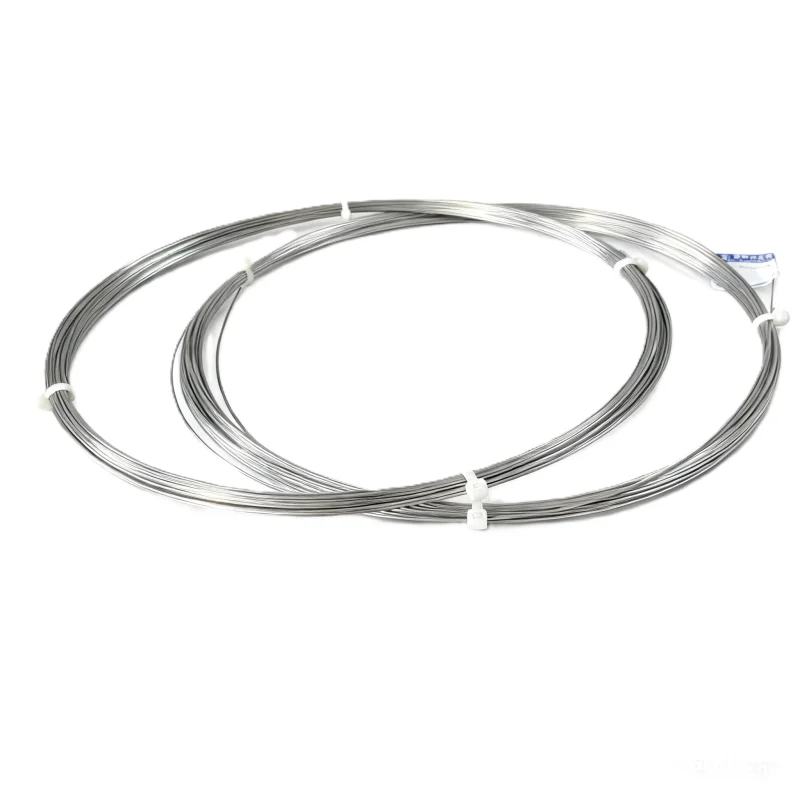
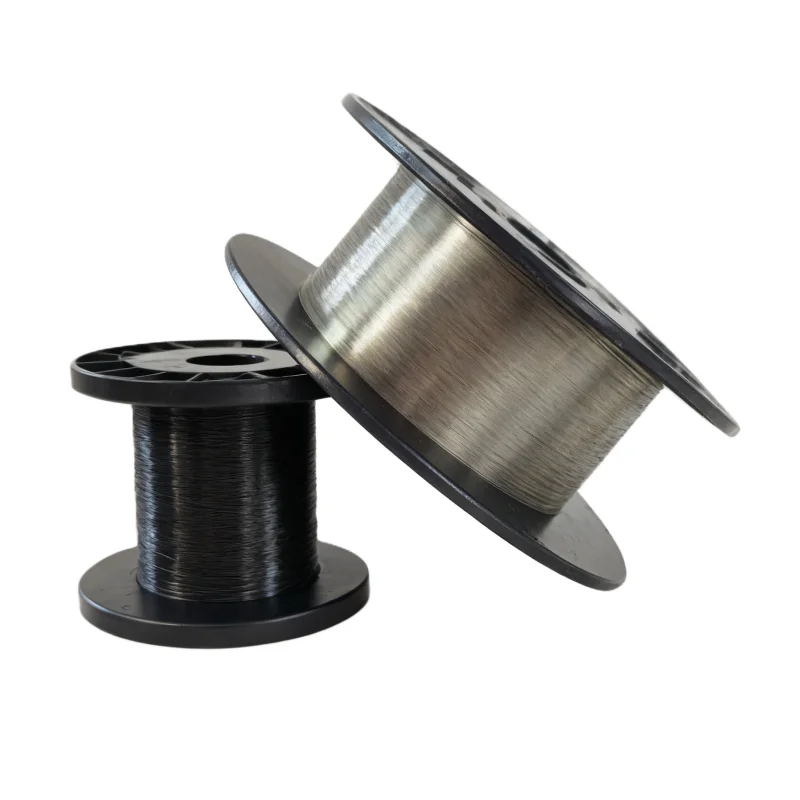
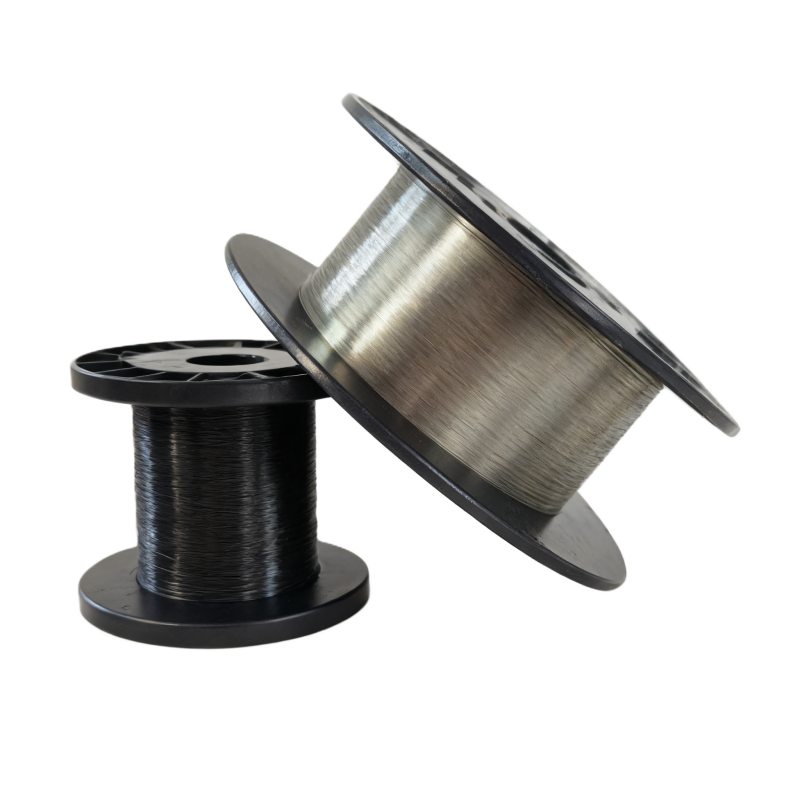
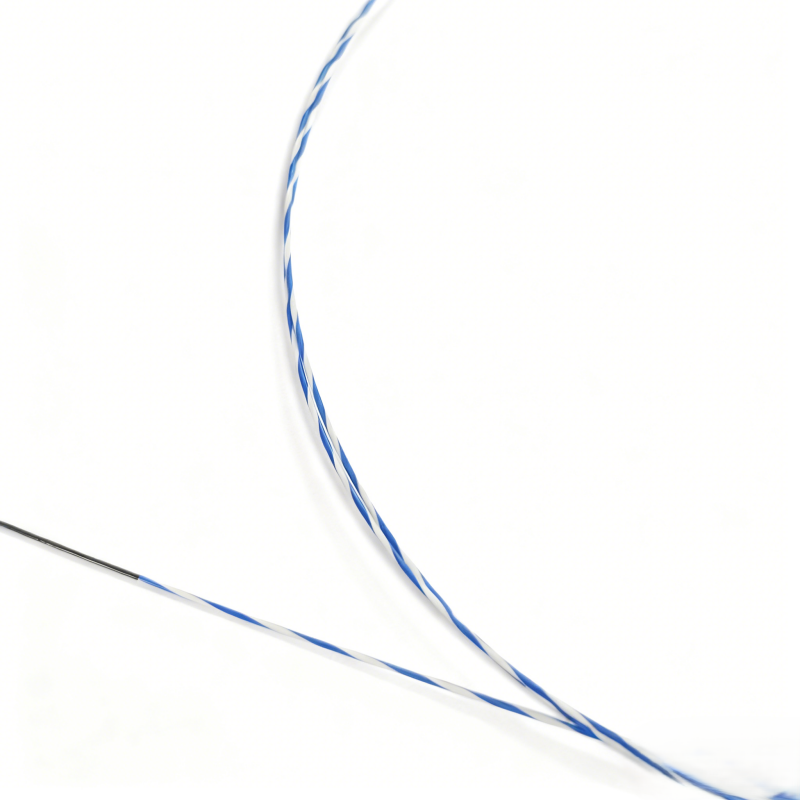
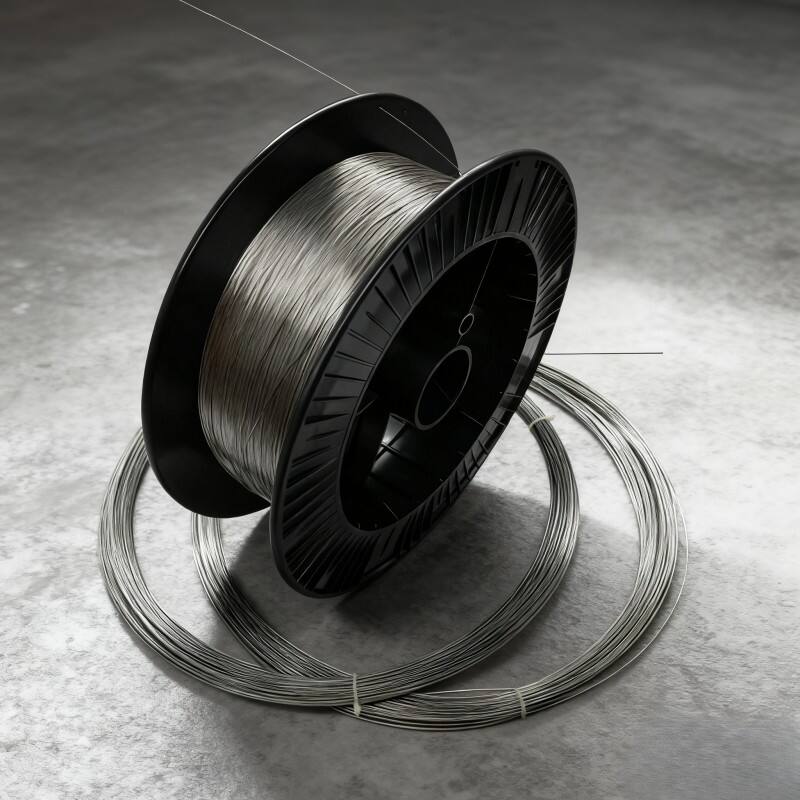
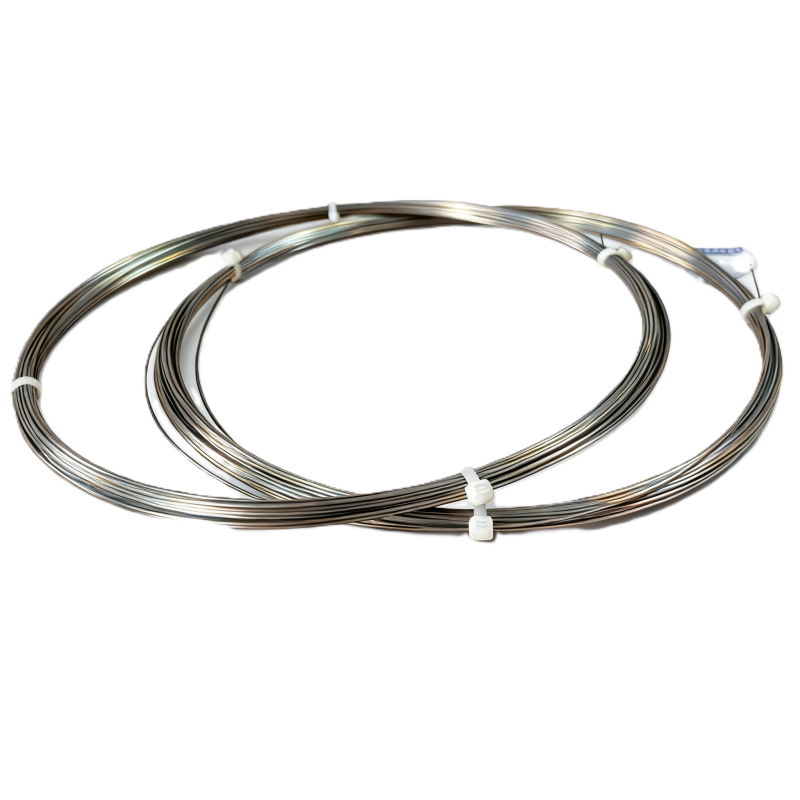
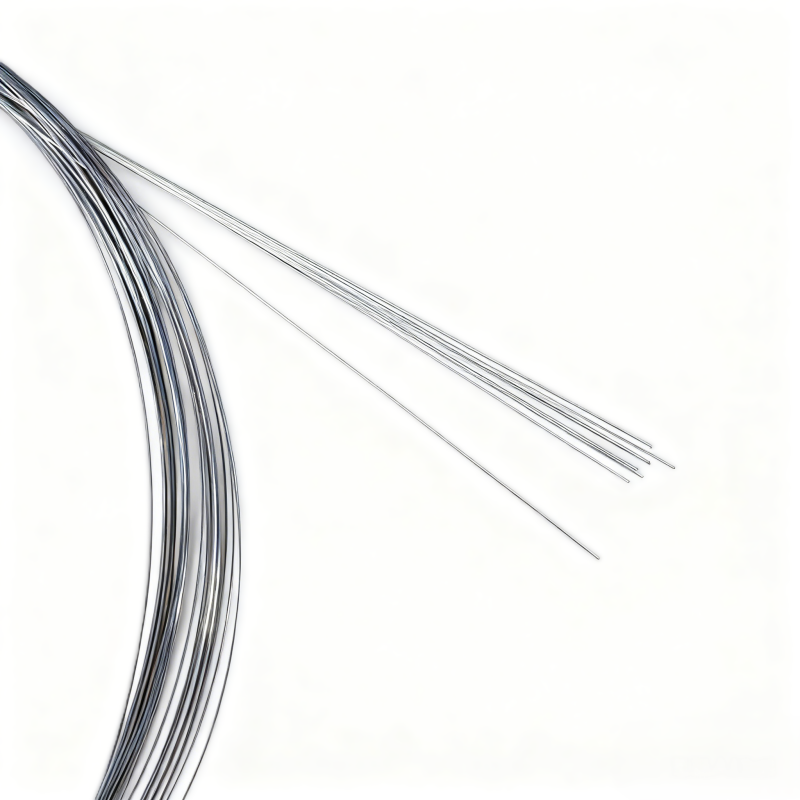
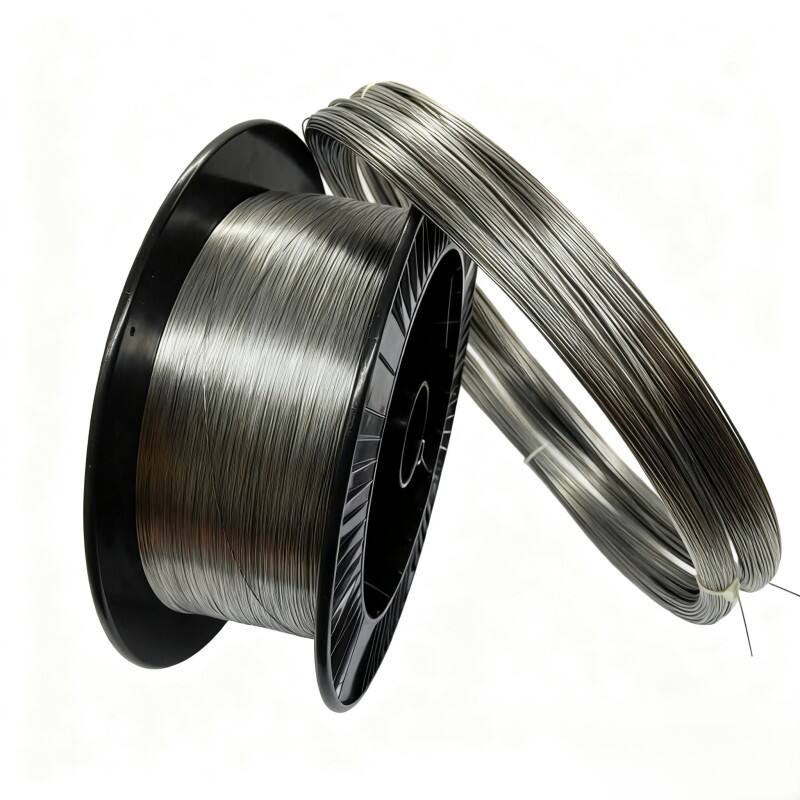
Medical grade superelastic wire represents a breakthrough innovation in modern healthcare technology, offering exceptional performance characteristics that make it indispensable for numerous medical applications. This specialized wire material exhibits remarkable shape memory properties and superelasticity, allowing it to return to its original form even after significant deformation. The medical grade superelastic wire is manufactured from nickel-titanium alloys, commonly known as Nitinol, which undergoes precise heat treatment and processing to achieve its unique mechanical properties. These wires demonstrate extraordinary flexibility combined with consistent force delivery, making them ideal for minimally invasive procedures and complex medical device manufacturing. The primary functions of medical grade superelastic wire include providing structural support in medical implants, enabling precise navigation through tortuous anatomical pathways, and delivering controlled mechanical forces for therapeutic purposes. The wire maintains its superelastic behavior across a wide temperature range, ensuring reliable performance within the human body environment. Manufacturing processes involve strict quality control measures to meet international medical device standards, including biocompatibility testing, surface finish optimization, and dimensional accuracy verification. The technological features of this wire include excellent corrosion resistance, radiopacity for visualization under fluoroscopy, and customizable mechanical properties tailored to specific clinical requirements. Medical professionals utilize this wire in cardiovascular interventions, orthodontic treatments, surgical instruments, and orthopedic implants. The material's ability to withstand repeated loading cycles without permanent deformation ensures long-term device reliability and patient safety. Applications extend across multiple medical specialties, from guidewires in catheter-based procedures to archwires in dental correction systems. The biocompatible nature of medical grade superelastic wire minimizes adverse tissue reactions, promoting successful integration with biological systems while maintaining mechanical functionality throughout the device's intended lifespan.


New Products

The medical grade superelastic wire delivers substantial practical benefits that directly improve patient outcomes and simplify medical procedures for healthcare providers. First and foremost, this wire allows doctors to navigate through complex blood vessels and anatomical structures with minimal trauma to surrounding tissues. The wire can bend significantly during insertion and immediately return to its intended shape once positioned correctly, reducing procedure time and patient discomfort. Unlike traditional stainless steel wires, medical grade superelastic wire applies consistent gentle forces over extended periods, which proves especially beneficial in orthodontic applications where gradual tooth movement produces better results with less pain. Patients experience fewer adjustments and shorter overall treatment durations because the wire maintains its corrective force longer between appointments. For cardiovascular procedures, the superelastic properties enable physicians to access difficult-to-reach areas within the circulatory system safely and effectively. The wire's flexibility reduces the risk of vessel perforation while its strength ensures it can advance through challenging anatomical pathways without kinking or breaking. Manufacturing medical devices with this wire results in instruments that last longer and perform more reliably under demanding clinical conditions. The material resists fatigue even after thousands of bending cycles, which means devices remain functional throughout their intended use period without degradation in performance. Cost-effectiveness emerges as another significant advantage because medical grade superelastic wire devices require less frequent replacement compared to conventional alternatives. Healthcare facilities benefit from reduced inventory costs and fewer device failures during critical procedures. Patients appreciate the minimally invasive nature of treatments enabled by this wire technology, often experiencing faster recovery times and returning to normal activities sooner. The wire's biocompatibility eliminates concerns about allergic reactions or tissue rejection in most patients, though proper screening remains standard practice. Surgeons gain confidence from using instruments and implants made with medical grade superelastic wire, knowing these devices will respond predictably in challenging clinical scenarios. The material's radiopaque properties allow real-time visualization during procedures, helping physicians confirm accurate placement without additional imaging requirements. Temperature stability ensures the wire maintains its superelastic characteristics throughout body temperature variations, providing consistent performance regardless of the clinical situation or patient-specific factors affecting local tissue temperature.

Tips And Tricks

Why is high-stability Nitinol the first choice for equipment in extreme conditions?

12

May

Why is high-stability Nitinol the first choice for equipment in extreme conditions?

When equipment must perform reliably under mechanical stress, thermal cycling, and repeated deformation, material selection becomes a critical engineering decision. Nitinol, the nickel-titanium shape memory alloy, has earned a dominant position in de...
View More
Why is phase transition stability of nickel titanium wire key to actuator success?

13

May

Why is phase transition stability of nickel titanium wire key to actuator success?

In the world of precision actuators, the materials used to generate motion are not merely components — they are the foundation of reliability. nickel titanium wire has emerged as one of the most compelling active materials in modern actuator engineer...
View More
Why do orthodontists prefer using orthodontic wire with shape memory?

15

May

Why do orthodontists prefer using orthodontic wire with shape memory?

In modern orthodontic practice, the materials used to move teeth are just as important as the clinical techniques applied. Among the many innovations that have transformed the field, orthodontic wire with shape memory stands out as one of the most cl...
View More
Why should you prioritize the manufacturer's R&D center when choosing partners?

02

Jun

Why should you prioritize the manufacturer's R&D center when choosing partners?

When evaluating potential manufacturing partners, most procurement teams focus on price, lead time, and production capacity. These are legitimate criteria, but they often overlook one of the most telling indicators of long-term value: the strength an...
View More

Get a Free Quote

Our representative will contact you soon.
Email
Name
Company Name
Message
0/1000

medical grade superelastic wire

Superior Flexibility with Instant Shape Recovery

Superior Flexibility with Instant Shape Recovery

The medical grade superelastic wire possesses an extraordinary ability to undergo substantial deformation and instantly recover its original configuration without permanent damage or loss of mechanical properties. This characteristic stems from a reversible phase transformation within the nickel-titanium crystal structure that occurs when stress is applied and released. When physicians insert medical devices incorporating this wire through narrow passages or curved anatomies, the wire flexibly accommodates these challenging pathways by temporarily changing shape. Once the external forces are removed, the material immediately springs back to its predetermined form with remarkable precision. This unique behavior eliminates the common problems associated with conventional wire materials that either lack sufficient flexibility or become permanently bent during use. In practical medical applications, this translates to safer procedures with reduced risk of complications. Cardiologists threading guidewires through tortuous coronary arteries benefit immensely from this property, as the wire navigates complex vessel geometry without causing trauma to delicate arterial walls. The superelastic nature of medical grade superelastic wire means it can bend beyond what traditional materials tolerate, often achieving curvatures that would break or permanently deform standard stainless steel alternatives. Orthodontists leverage this advantage by using archwires that apply steady corrective forces throughout the treatment cycle, eliminating the stepwise approach required with conventional wires that lose their effectiveness as teeth move. Patients undergoing orthodontic treatment with medical grade superelastic wire experience more comfortable adjustments and achieve desired results more efficiently. The instant shape recovery feature also benefits surgical instrument designers who create tools requiring predictable mechanical behavior during minimally invasive procedures. Laparoscopic instruments incorporating this wire technology can navigate through small incisions and access deep surgical sites while maintaining their functional geometry. This capability expands the range of procedures that can be performed through minimal access approaches, reducing patient trauma, hospital stays, and recovery periods. The consistent force delivery characteristic of medical grade superelastic wire proves particularly valuable in applications requiring sustained mechanical pressure over time, as the material maintains its corrective influence far longer than conventional alternatives, ultimately improving clinical outcomes across diverse medical specialties.
Exceptional Biocompatibility and Corrosion Resistance

Exceptional Biocompatibility and Corrosion Resistance

Medical grade superelastic wire demonstrates outstanding biocompatibility, making it suitable for both temporary and permanent implantation within the human body without triggering adverse biological responses. The nickel-titanium alloy composition undergoes specialized surface treatment processes that create a stable titanium oxide layer, effectively preventing nickel ion release that could potentially cause sensitivity reactions in susceptible patients. This protective surface barrier remains intact even under the mechanical stresses and chemical environment present within biological tissues, ensuring long-term safety for patients receiving implants or devices made from this material. Extensive biocompatibility testing according to international standards confirms that medical grade superelastic wire meets stringent requirements for cytotoxicity, sensitization, irritation, and systemic toxicity. Healthcare providers can confidently use devices manufactured from this wire knowing they comply with regulatory requirements and demonstrate proven safety profiles across diverse patient populations. The corrosion resistance of medical grade superelastic wire surpasses that of many alternative materials commonly used in medical device manufacturing. When exposed to bodily fluids containing chloride ions, proteins, and various physiological compounds, the wire maintains its structural integrity and mechanical properties indefinitely. This durability proves essential for permanent implants such as cardiovascular stents, orthopedic fixation devices, and dental implants that must function reliably for years or even decades within the body. Unlike materials susceptible to pitting corrosion or stress corrosion cracking, medical grade superelastic wire resists these degradation mechanisms even under cyclic loading conditions typical of physiological environments. The passive oxide layer self-repairs if damaged, providing continuous protection against corrosive attack. Manufacturers can sterilize devices made with this wire using various methods including autoclaving, ethylene oxide, and gamma irradiation without compromising material properties or biocompatibility. This versatility simplifies device processing and ensures compatibility with different sterilization protocols used across healthcare facilities worldwide. The combination of biocompatibility and corrosion resistance makes medical grade superelastic wire ideal for applications involving prolonged tissue contact, from guidewires remaining in the body during extended procedures to permanent implants providing lifelong structural support or therapeutic function. Clinical studies spanning multiple decades document the excellent safety record of devices incorporating this material, with minimal reports of adverse reactions attributable to the wire itself, thereby establishing medical grade superelastic wire as a trusted material choice for critical medical applications where patient safety and long-term device performance are paramount considerations.
Customizable Mechanical Properties for Diverse Applications

Customizable Mechanical Properties for Diverse Applications

One of the most valuable aspects of medical grade superelastic wire is its highly customizable mechanical properties that can be precisely tailored to meet specific clinical requirements across vastly different medical applications. Manufacturers control the transformation temperatures, elastic modulus, yield strength, and superelastic plateau stress through careful alloy composition selection and thermomechanical processing parameters. This tunability allows engineers to design devices with optimal mechanical behavior for their intended use, whether that involves ultra-flexible guidewires for neurovascular navigation or stronger structural components for orthopedic implants. The ability to adjust these properties means a single material platform can serve diverse medical specialties, each with unique performance demands. Cardiovascular device manufacturers select medical grade superelastic wire with specific stiffness gradients along the wire length, creating guidewires with soft atraumatic tips for vessel safety combined with stiffer proximal sections for pushability and control. Orthodontists choose wire specifications that deliver ideal force magnitudes for efficient tooth movement without causing root damage or excessive patient discomfort. The superelastic plateau stress can be engineered to remain constant across the clinically relevant deformation range, ensuring predictable force delivery regardless of activation amount. This consistency proves impossible to achieve with conventional elastic materials that exhibit linear stress-strain relationships with highly variable force output depending on deflection amount. Medical grade superelastic wire manufacturers provide extensive specification options including various diameters, surface finishes, and mechanical property combinations to match diverse application requirements. Surface treatments enhance radiopacity for improved visualization during fluoroscopy-guided procedures or modify surface energy to influence biological interactions at the tissue-device interface. Cold working and heat treatment protocols are optimized to achieve desired combinations of strength and ductility, allowing devices to withstand insertion forces while maintaining flexibility needed for navigation. The wire can be formed into complex three-dimensional shapes that remain stable at body temperature, enabling designers to create self-expanding stents, retrieval baskets, and other devices that deploy automatically upon release from delivery systems. Shape-setting processes lock in predetermined configurations that the medical grade superelastic wire reliably assumes when unconstrained, facilitating minimally invasive delivery of large implants through small access routes. Advanced manufacturing techniques including laser cutting, electrical discharge machining, and electropolishing work effectively with this material, providing fabricators with diverse options for creating intricate device geometries. Quality control measures ensure batch-to-batch consistency in mechanical properties, giving device manufacturers confidence that their products will perform identically across production runs, thereby meeting regulatory requirements and clinical performance expectations consistently.
Medical Grade Superelastic Wire: Advanced Solutions for Modern Healthcare Applications

Get a Free Quote

Our representative will contact you soon.
Email
Name
Company Name
Message
0/1000
Newsletter
Please Leave A Message With Us