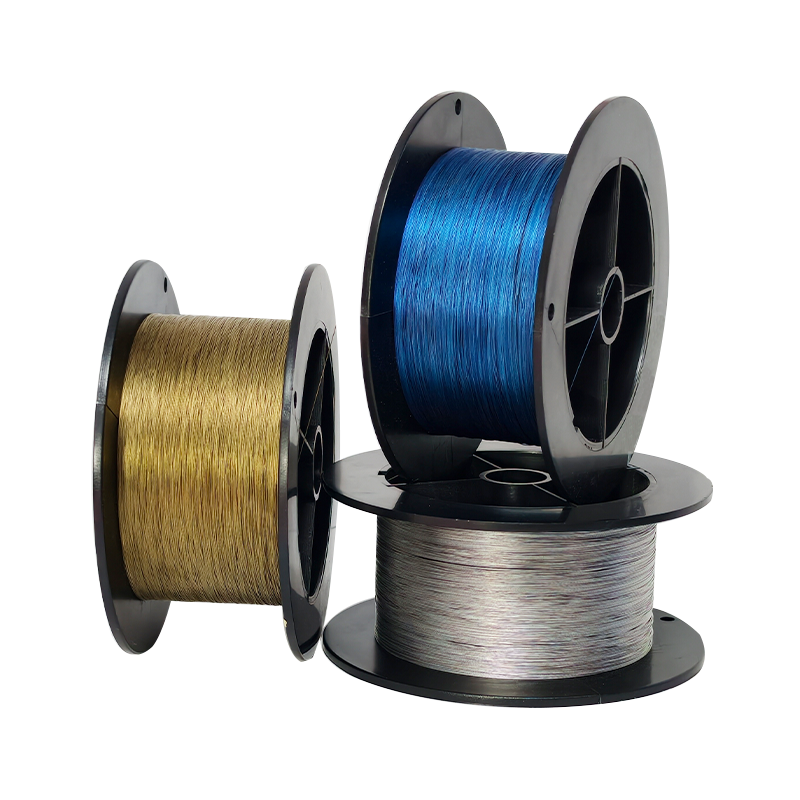
Superior Biocompatibility Enabling Advanced Medical Device Innovation
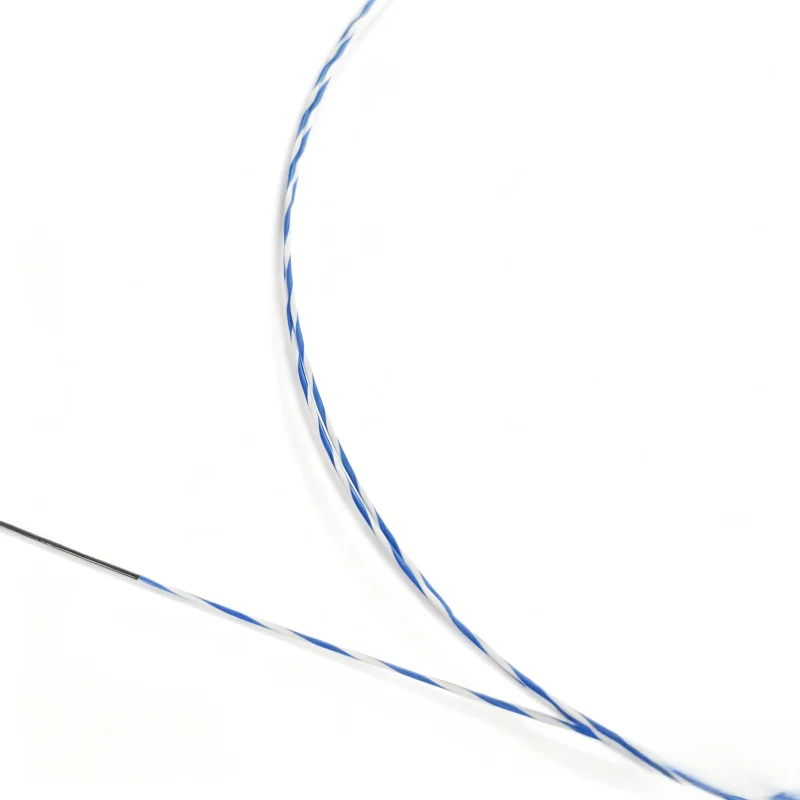
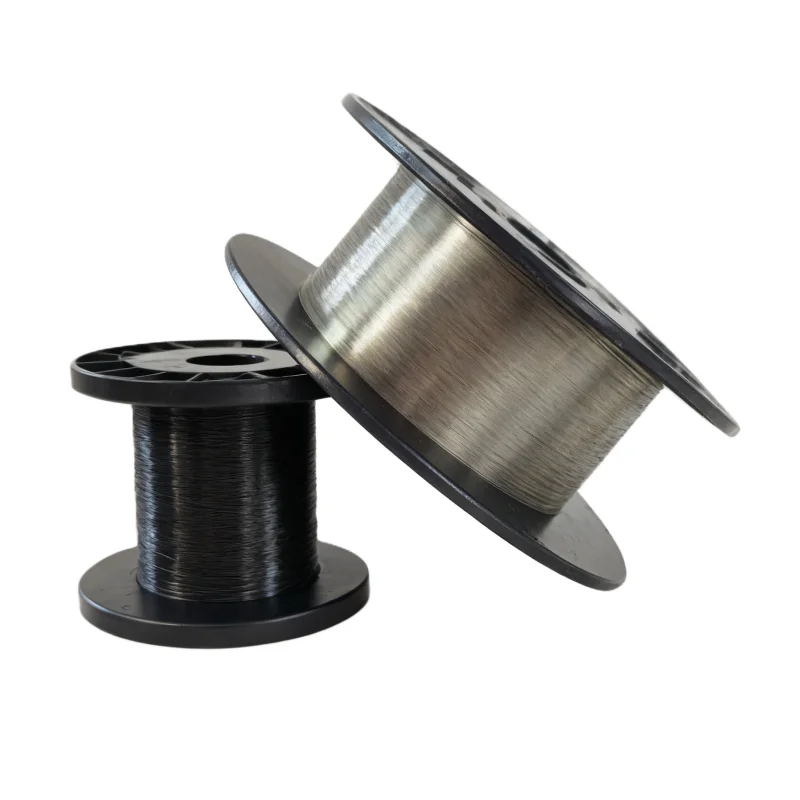
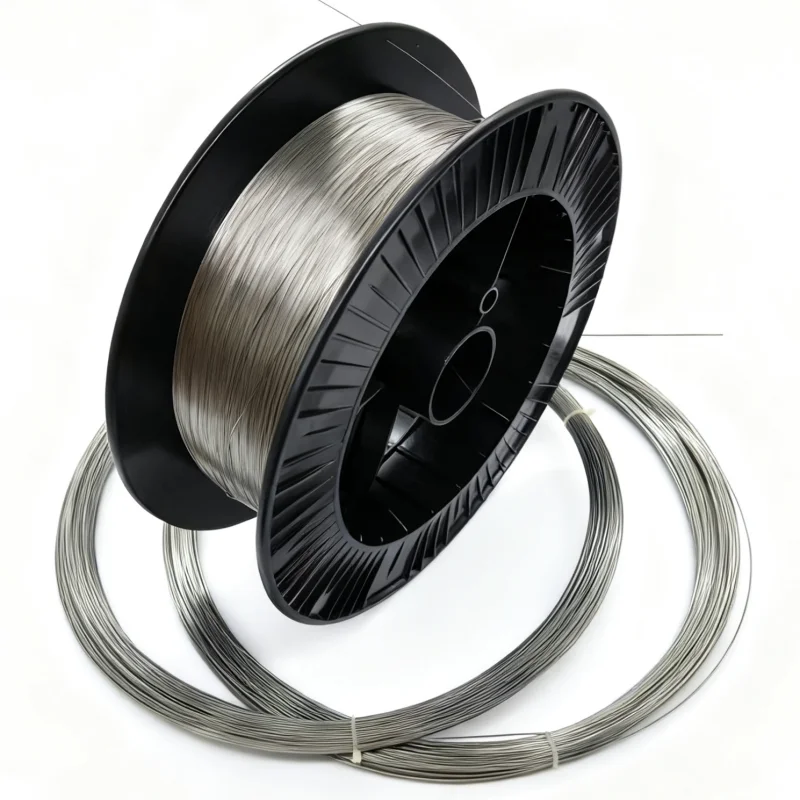
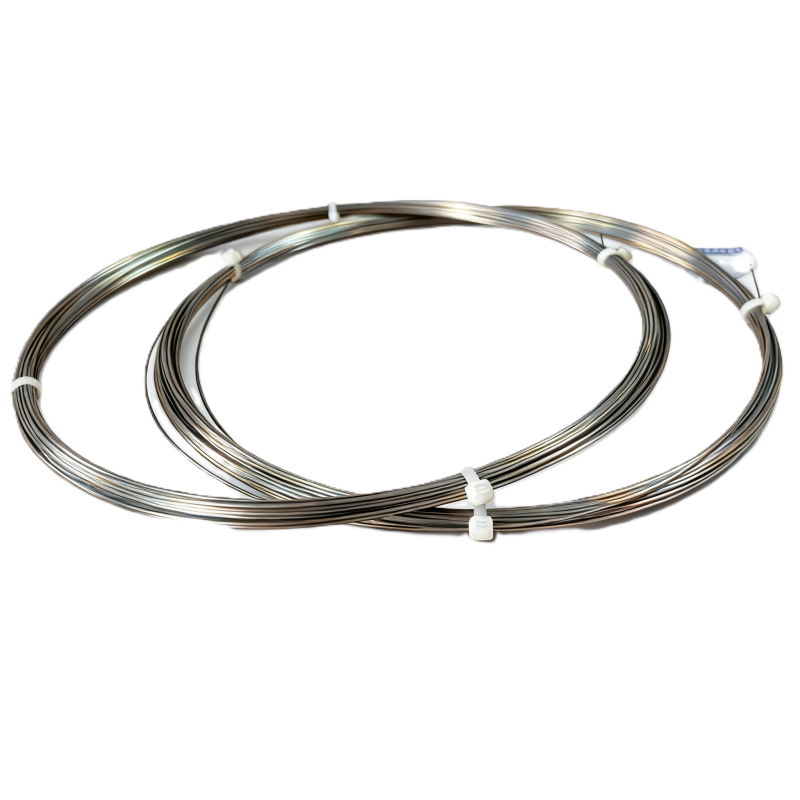
Superelastic nitinol wholesale offers exceptional biocompatibility characteristics that have established this material as the gold standard for numerous implantable and interventional medical devices, providing manufacturers with a regulatory-approved pathway for developing life-saving and life-enhancing healthcare technologies. The alloy's surface naturally forms a stable titanium oxide layer that acts as a protective barrier, preventing nickel ion release that could potentially trigger adverse biological responses while providing excellent resistance to corrosion in the challenging physiological environment characterized by chloride ions, proteins, and varying pH conditions. This biocompatibility has been extensively validated through decades of clinical use in cardiovascular stents, orthopedic implants, dental devices, and surgical instruments, creating a substantial body of safety data that facilitates regulatory submissions and approval processes for new medical applications. Medical device manufacturers sourcing superelastic nitinol wholesale gain access to materials that meet stringent international standards including ASTM F2063 specifications, which define compositional requirements, mechanical property ranges, and quality assurance protocols specifically for surgical implant applications. The material's non-magnetic properties ensure compatibility with magnetic resonance imaging procedures, allowing patients with nitinol implants to undergo diagnostic imaging without safety concerns or image artifacts that could compromise diagnostic accuracy. Wholesale suppliers provide comprehensive material certifications documenting chemical composition analysis, mechanical testing results, and biocompatibility validation data that support regulatory filings with agencies such as the FDA, CE marking authorities, and other international medical device regulators. The thromboresistance of properly processed superelastic nitinol surfaces reduces the risk of blood clot formation on cardiovascular devices, potentially minimizing the duration and intensity of anticoagulation therapy required following implantation procedures. Manufacturing flexibility allows surface modifications including electropolishing, passivation, and coating applications that further enhance biocompatibility characteristics for specific clinical applications while maintaining the underlying superelastic mechanical properties. The material's radiopacity provides visibility under fluoroscopic imaging, enabling precise device positioning during minimally invasive procedures without requiring additional radiopaque markers that increase device profiles or complexity. Superelastic nitinol wholesale purchasing supports the development of innovative treatment approaches including neurovascular flow diverters, heart valve frames, bone staples, and guidewires that improve patient outcomes while reducing procedural complications and recovery times. The material's elastic modulus more closely approximates biological tissues compared to stainless steel or cobalt-chromium alloys, potentially reducing stress shielding effects in orthopedic applications and promoting healthier biomechanical interactions between implants and surrounding tissues. Long-term stability ensures that implanted devices maintain their mechanical performance and structural integrity throughout years or decades of physiological loading, providing patients with durable treatment solutions that minimize the need for revision procedures.

 EN
EN