Garrison Dental Rings: Professional Matrix System for Perfect Tooth Restorations

Get a Free Quote

Our representative will contact you soon.
Email
Name
Company Name
Message
0/1000

garrison dental rings

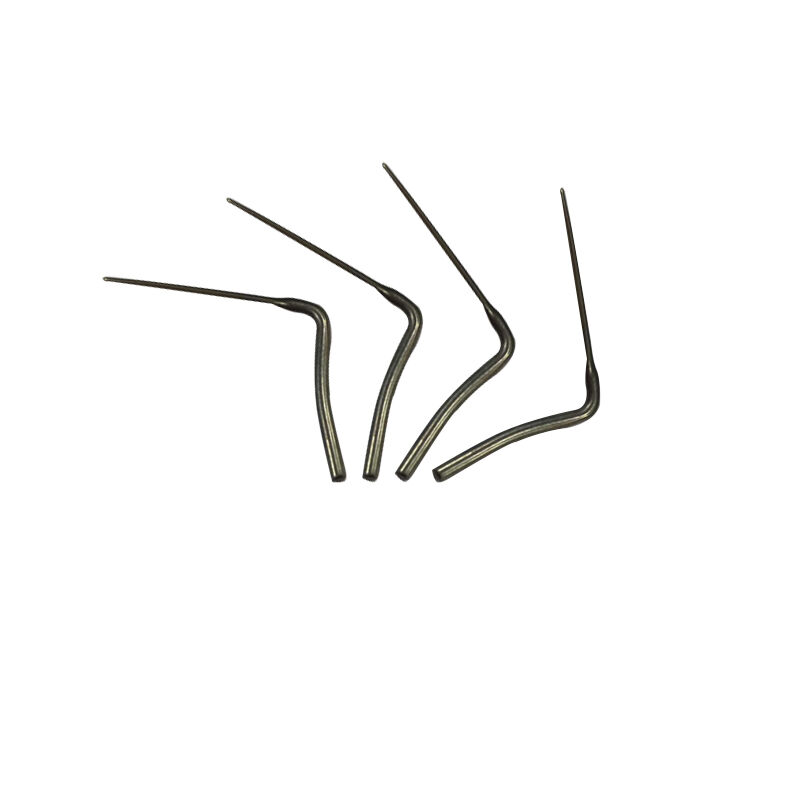
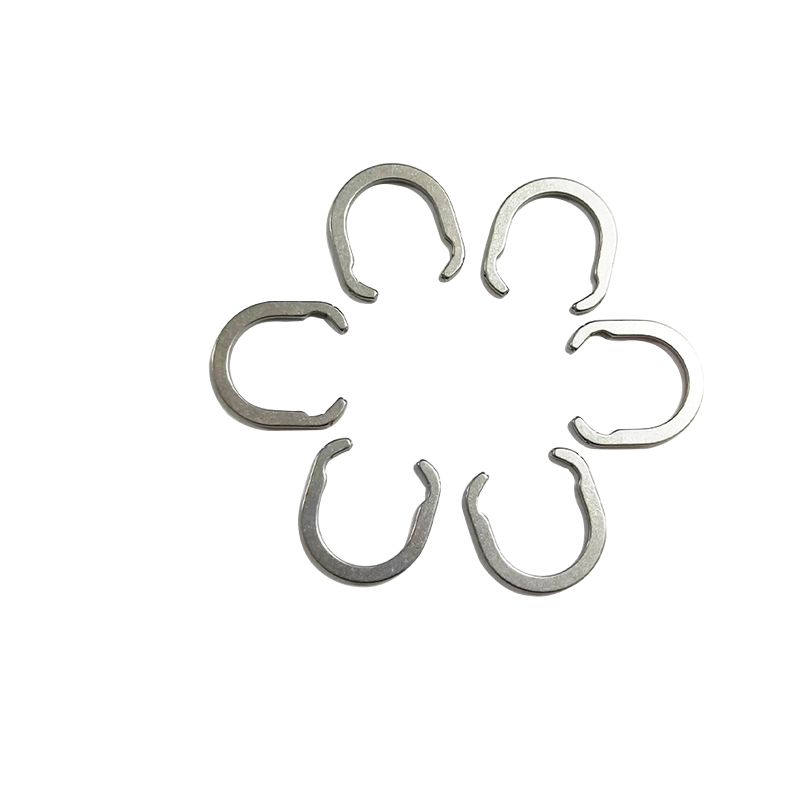
Garrison dental rings represent a breakthrough innovation in restorative dentistry, specifically designed to optimize the performance of dental matrix systems during composite restorations. These specialized rings serve as essential components in achieving predictable, anatomically correct tooth restorations by providing consistent, reliable pressure to matrix bands during cavity preparation and filling procedures. The garrison dental rings are engineered with precision to create tight, well-adapted contacts between adjacent teeth, preventing gaps that could lead to food impaction or secondary decay. The primary function of garrison dental rings centers on delivering circumferential force that adapts matrix bands snugly against tooth structures, ensuring proper contour and contact formation in Class II restorations. These rings utilize advanced spring technology that maintains constant pressure throughout the entire restoration process, compensating for material shrinkage and band displacement. The technological features incorporated into garrison dental rings include strategically positioned tips that engage matrix bands at optimal angles, creating three-dimensional adaptation that mirrors natural tooth anatomy. Many garrison dental rings feature color-coded designs for easy identification of different force levels, allowing practitioners to select appropriate tension based on specific clinical situations. The applications of garrison dental rings extend across various restorative scenarios, from simple two-surface restorations to complex multi-surface reconstructions involving multiple teeth. These rings prove particularly valuable in posterior restorations where achieving proper proximal contacts proves challenging due to limited access and visibility. Garrison dental rings accommodate different tooth sizes, positions, and angulations, making them versatile tools suitable for diverse patient populations. Their robust construction ensures durability through multiple sterilization cycles while maintaining consistent mechanical properties. The rings work seamlessly with sectional matrix systems, enabling practitioners to restore individual contacts independently rather than using circumferential bands that can compromise isolation and access. This targeted approach minimizes restoration time while maximizing clinical outcomes, establishing garrison dental rings as indispensable instruments in modern dental practices committed to delivering superior restorative care.

New Products

Choosing garrison dental rings brings numerous practical benefits that directly improve your daily clinical practice and patient satisfaction. First and foremost, these rings dramatically reduce chair time by simplifying the matrix placement process, allowing you to complete restorations more efficiently without sacrificing quality. The intuitive design means your team can quickly master their application, reducing the learning curve associated with new equipment and minimizing procedural delays. Garrison dental rings eliminate the frustration of dealing with poor proximal contacts, which often require time-consuming adjustments or complete restoration replacements. By consistently delivering tight, anatomically correct contacts on the first attempt, these rings save you from callbacks and remakes that drain practice resources and diminish patient confidence. The predictable performance of garrison dental rings reduces material waste, as you achieve proper contour without excessive trimming or recontouring that consumes valuable composite resin. Your patients benefit from restorations that feel natural immediately after placement, without the uncomfortable tightness or annoying food traps that result from improperly contoured fillings. The ergonomic design of garrison dental rings minimizes hand fatigue during placement and removal, protecting you from repetitive strain injuries that plague dental professionals. These rings provide stable retention throughout the restoration process, so you can focus on layering and sculpting composite without worrying about matrix band displacement or slippage. The versatility of garrison dental rings accommodates various clinical situations, from straightforward molars to challenging premolars with tight interproximal spaces, giving you confidence regardless of case complexity. The transparent or translucent components in many garrison dental rings allow light penetration during curing, ensuring complete polymerization of composite resin even in hard-to-reach areas. Your investment in garrison dental rings pays dividends through improved case acceptance, as patients appreciate restorations that look natural and function comfortably from day one. The durability of garrison dental rings means they withstand repeated sterilization without degradation, providing consistent performance over thousands of uses and delivering excellent long-term value. By standardizing your matrix system around garrison dental rings, you create consistency across your practice, enabling any team member to achieve predictable results and maintaining quality standards regardless of operator experience. The reduced need for post-operative adjustments frees up appointment slots, allowing you to see more patients while delivering superior care that builds your reputation and generates referrals.

Latest News

Why is high-stability Nitinol the first choice for equipment in extreme conditions?

12

May

Why is high-stability Nitinol the first choice for equipment in extreme conditions?

When equipment must perform reliably under mechanical stress, thermal cycling, and repeated deformation, material selection becomes a critical engineering decision. Nitinol, the nickel-titanium shape memory alloy, has earned a dominant position in de...
View More
How to ensure dimensional tolerances for precision Nitinol metal parts?

18

May

How to ensure dimensional tolerances for precision Nitinol metal parts?

Achieving tight dimensional tolerances in Nitinol metal components is one of the most demanding challenges in precision manufacturing. Unlike conventional metals, Nitinol — a nickel-titanium shape memory alloy — exhibits superelastic recovery and pha...
View More
Why do full-process manufacturers provide higher performance Nitinol SMA?

20

May

Why do full-process manufacturers provide higher performance Nitinol SMA?

When engineers and procurement specialists evaluate materials for high-precision medical devices, aerospace components, or advanced actuator systems, the source of the material matters as much as the material itself. Nitinol SMA — the nickel-titanium...
View More
Why should you prioritize the manufacturer's R&D center when choosing partners?

02

Jun

Why should you prioritize the manufacturer's R&D center when choosing partners?

When evaluating potential manufacturing partners, most procurement teams focus on price, lead time, and production capacity. These are legitimate criteria, but they often overlook one of the most telling indicators of long-term value: the strength an...
View More

Get a Free Quote

Our representative will contact you soon.
Email
Name
Company Name
Message
0/1000

garrison dental rings

Advanced Force Distribution Technology for Superior Contact Formation

Advanced Force Distribution Technology for Superior Contact Formation

The engineering excellence behind garrison dental rings centers on their sophisticated force distribution technology, which represents a quantum leap beyond traditional wedge-only techniques. Unlike conventional approaches that rely solely on wedges to separate teeth and adapt matrix bands, garrison dental rings apply precisely calibrated circumferential force that creates three-dimensional adaptation impossible to achieve through other methods. This comprehensive force application addresses the fundamental challenge in restorative dentistry: replicating the natural contour and contact area that existed before decay or previous restorations compromised tooth structure. The rings feature strategically positioned contact points engineered through extensive biomechanical research, ensuring force vectors align optimally with tooth anatomy to generate authentic emergence profiles and contact areas. This technological sophistication translates directly into clinical success, as practitioners consistently achieve tight proximal contacts measuring 0.5 to 1.0 millimeters in diameter, the ideal range for preventing food impaction while maintaining physiological tooth mobility. The garrison dental rings maintain constant pressure throughout the entire restoration procedure, compensating for the natural polymerization shrinkage that occurs as composite resin cures and could otherwise create gaps at critical contact points. This sustained pressure application distinguishes garrison dental rings from passive systems that cannot adapt to dynamic changes during restoration placement. The rings incorporate specially designed tips crafted from biocompatible materials that engage matrix bands without creating deformation or permanent creases that would compromise band reusability. The spring mechanism within garrison dental rings undergoes rigorous testing to ensure consistent force delivery across thousands of activation cycles, guaranteeing that the hundredth use performs identically to the first. This reliability eliminates the unpredictability that frustrates practitioners when equipment performance degrades over time. The force gradations available in different garrison dental rings models allow customization based on tooth position, patient anatomy, and clinical objectives, providing flexibility while maintaining standardized protocols. The rings accommodate variations in tooth spacing, from tightly positioned anterior teeth to widely spaced posterior molars, without requiring multiple backup systems or improvised solutions that introduce inconsistency into your workflow.
Ergonomic Design Optimized for Clinical Efficiency and Operator Comfort

Ergonomic Design Optimized for Clinical Efficiency and Operator Comfort

The thoughtful ergonomic design of garrison dental rings reflects deep understanding of the physical demands practitioners face during restorative procedures and the efficiency requirements of modern dental practices. Every contour, dimension, and material selection in garrison dental rings results from meticulous attention to the human factors that determine whether a dental instrument becomes an indispensable tool or a drawer ornament. The rings feature anatomically shaped gripping surfaces that nestle comfortably in your fingers, enabling precise placement control without requiring excessive grip force that leads to hand fatigue and musculoskeletal disorders. This ergonomic consideration becomes especially important during lengthy appointment blocks involving multiple restorations, where cumulative strain from poorly designed instruments can cause significant discomfort and reduced precision. Garrison dental rings incorporate visual identification systems, often using color coding or distinctive shapes, that allow instant recognition of different force levels and sizes without requiring you to pause and examine markings or packaging. This intuitive identification accelerates case setup and reduces the cognitive load during busy clinical sessions when mental fatigue can lead to errors. The placement mechanism of garrison dental rings emphasizes one-handed operation where possible, freeing your other hand for retraction, aspiration, or material manipulation, thereby improving procedural flow and reducing dependence on assistant availability. The removal process similarly prioritizes simplicity, with integrated features that facilitate quick, controlled removal without requiring specialized instruments or techniques that extend appointment times. Garrison dental rings maintain low profiles that minimize interference with handpiece access, allowing you to approach restoration sites from optimal angles without repositioning rings or compromising isolation. This spatial efficiency proves particularly valuable in posterior regions where anatomical constraints already limit maneuverability and visibility. The materials selected for garrison dental rings balance flexibility with structural integrity, providing sufficient give to accommodate anatomical variations while maintaining stable positioning throughout restorative procedures. The smooth, rounded external surfaces of garrison dental rings protect soft tissues from trauma during placement and function, reducing patient discomfort and preventing the gingival inflammation that can complicate restoration finishing and create post-operative sensitivity.
Versatile Compatibility Across Clinical Scenarios and Restoration Types

Versatile Compatibility Across Clinical Scenarios and Restoration Types

The exceptional versatility of garrison dental rings stems from their thoughtfully engineered compatibility with diverse clinical situations, patient anatomies, and restoration philosophies, making them valuable additions to any practice regardless of specialty focus or patient demographics. These rings seamlessly integrate with sectional matrix systems that have revolutionized posterior composite dentistry, enabling practitioners to restore individual proximal surfaces independently while maintaining optimal isolation and access to adjacent restoration sites. This compatibility extends across different matrix band materials, thicknesses, and designs, ensuring garrison dental rings function effectively whether you prefer ultra-thin metal bands for minimal tooth separation or thicker bands that provide additional structural support during buildup procedures. The rings accommodate various tooth positions, from first premolars with their distinctive anatomy and mesial angulation to third molars with extreme distal positions that challenge conventional matrix techniques. Garrison dental rings prove equally effective in primary dentition, where smaller tooth dimensions and different enamel properties require specialized approaches, extending their utility to pediatric practices and general practitioners treating younger patients. The rings adapt to different vertical positions along the tooth, allowing practitioners to address subgingival restorations that extend below the gingival margin or supragingival lesions confined to easily accessible coronal structures. This vertical flexibility becomes crucial when restoring teeth with varying levels of periodontal attachment or addressing cervical lesions that present unique contour challenges. Garrison dental rings work effectively across the entire range of cavity classifications, from straightforward Class II mesial-occlusal or distal-occlusal preparations to complex MOD restorations requiring simultaneous adaptation of both proximal surfaces. The rings prove valuable even in non-traditional applications, such as supporting temporary matrix systems during crown temporization or providing stabilization during direct composite veneer placement on anterior teeth. Their utility extends to challenging situations involving missing adjacent teeth, where modified placement techniques allow garrison dental rings to create proper contours even without opposing tooth structure to define contact areas. Practitioners working with different composite systems, from highly flowable materials to heavily filled packable composites, find garrison dental rings perform consistently regardless of material viscosity or handling characteristics, eliminating the need to maintain separate matrix systems for different restorative materials in your inventory.
Garrison Dental Rings: Professional Matrix System for Perfect Tooth Restorations

Get a Free Quote

Our representative will contact you soon.
Email
Name
Company Name
Message
0/1000
Newsletter
Please Leave A Message With Us