Precision Contact Point Creation for Optimal Tooth Restoration
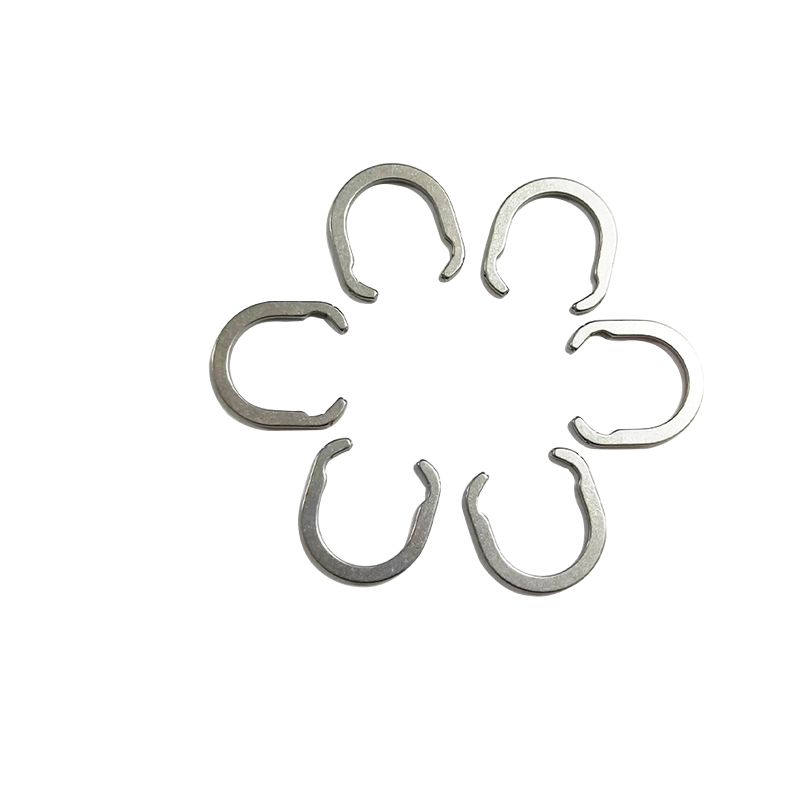
The ring matrix dental excels at creating precise contact points between adjacent teeth, which stands as one of its most valuable features for dental professionals seeking consistent, high-quality restorative outcomes. Proper contact points are essential for maintaining healthy interdental papilla, preventing food impaction, and ensuring the longevity of dental restorations. The ring matrix dental achieves this through its unique circumferential design that applies uniform pressure around the entire tooth, pushing the matrix band tightly against the adjacent tooth surface. This consistent pressure eliminates the common problem of inadequate contacts that plague traditional matrix systems, which often rely solely on wedges to create separation. The ring matrix dental utilizes a tensioning mechanism that can be adjusted to provide the exact amount of force needed for each specific clinical situation, accommodating variations in tooth position, cavity size, and tissue resistance. When dentists use the ring matrix dental, they can visually confirm proper band adaptation before placing restorative materials, which virtually eliminates the guesswork associated with achieving ideal contacts. The anatomical contours built into ring matrix dental bands mirror natural tooth anatomy, ensuring that restored teeth blend seamlessly with surrounding dentition both functionally and aesthetically. This feature proves particularly beneficial in posterior restorations where recreating the subtle curves and embrasure spaces requires sophisticated equipment beyond what simple flat bands can provide. The ring matrix dental maintains its position throughout the entire filling procedure, even when dentists use condensation techniques that generate significant lateral forces on the matrix band. This stability prevents the band from shifting or losing contact with the adjacent tooth, which would create gaps that compromise the restoration. Patients benefit directly from the superior contact points created by the ring matrix dental system, as they experience fewer problems with food catching between teeth and require fewer adjustments after the restoration is completed. The reduction in post-operative appointments for contact refinement saves both the practice and the patient valuable time while demonstrating the dentist's technical competence. Furthermore, the ring matrix dental helps prevent secondary decay by establishing proper embrasure form that allows patients to clean effectively between their teeth, extending the lifespan of the restoration and protecting the investment patients make in their dental health.

 EN
EN