Precision Tooth Separation for Perfect Proximal Contacts
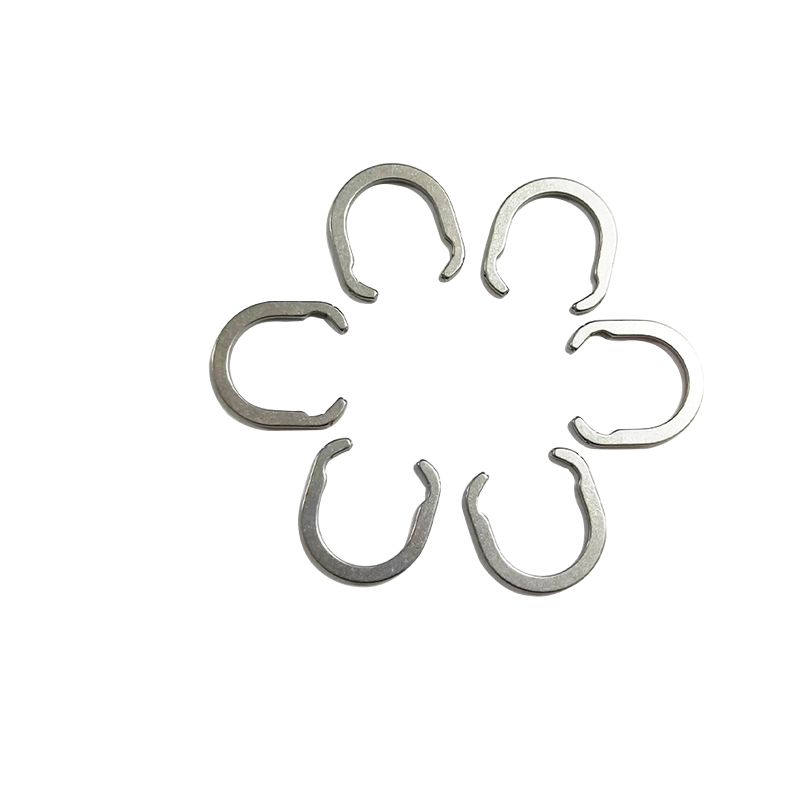
One of the most significant challenges in posterior composite dentistry is achieving a proximal contact that is tight enough to prevent food impaction but natural enough to feel comfortable during biting and chewing. The dental garrison ring addresses this challenge directly by delivering controlled, consistent tooth separation that sets the stage for an ideal restoration outcome. When a clinician prepares a Class II cavity, the preparation removes tooth structure from the area between two adjacent teeth. Without proper separation and matrix support, the composite material has no defined boundary on the proximal wall, and the resulting contact point is often weak, open, or poorly shaped. The dental garrison ring solves this by gently pushing the neighboring tooth laterally, creating just enough space for the sectional matrix band to wrap tightly around the prepared tooth and form a solid proximal wall. The tines of the dental garrison ring are contoured to grip the buccal and lingual embrasures of the tooth securely, which means the ring stays in place throughout the entire restoration procedure without slipping or rotating. This stability is critical because even a small shift in the matrix band position during composite placement can result in an open contact or an overhanging margin that requires finishing and adjustment. Once the composite is cured and the dental garrison ring is removed, the separated tooth rebounds to its original position, pressing firmly against the newly formed proximal surface of the restoration. This rebound effect is what creates the tight, anatomically correct contact that patients and clinicians both want. The design of the dental garrison ring also accounts for different tooth sizes and shapes. Available in multiple sizes and often color-coded for quick identification, the ring can be matched to the specific morphology of the tooth being restored, whether it is a narrow lower premolar or a wide upper molar. This adaptability ensures that the separation force is appropriate for the tooth, reducing the risk of discomfort during the procedure and protecting the surrounding periodontal tissues from excessive pressure. For practices that perform a high volume of posterior composite restorations, the dental garrison ring is not just a convenience tool. It is a quality control mechanism that standardizes one of the most technically demanding steps in the restorative process and consistently delivers contacts that hold up over time.

 EN
EN