Matrix Ring Dental: Precision Restorative Tool for Tight Contacts and Superior Results

Get a Free Quote

Our representative will contact you soon.
Email
Name
Company Name
Message
0/1000

matrix ring dental

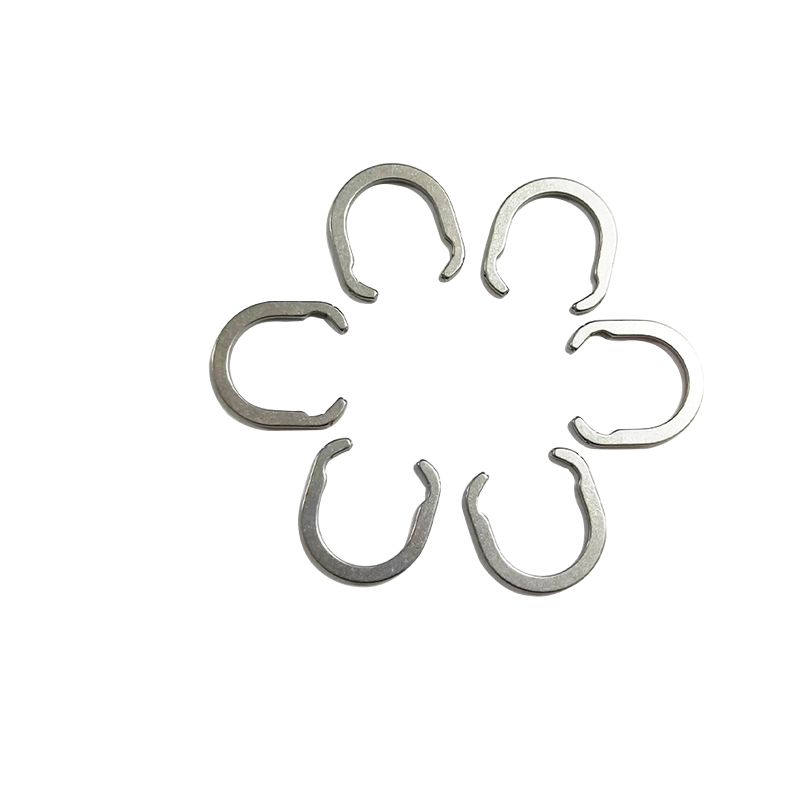
The matrix ring dental is a precision instrument that plays a central role in modern restorative dentistry. Designed to work in conjunction with matrix bands, the matrix ring dental holds the band firmly against the tooth during the placement of composite or amalgam restorations, ensuring a tight interproximal contact and an anatomically correct contour. Without this tool, achieving a well-sealed, properly shaped restoration would be significantly more difficult, often leading to open contacts, food trapping, and secondary decay. The matrix ring dental functions by applying controlled lateral pressure to the matrix band, which wraps around the prepared tooth. This pressure compresses the band against the tooth structure, creating a temporary wall that replaces the missing tooth surface during the filling procedure. Once the restorative material is placed and cured or set, the ring and band are removed, leaving behind a restoration that closely mimics the natural tooth anatomy. From a technological standpoint, the matrix ring dental is typically manufactured from high-grade stainless steel or advanced polymer composites, offering both flexibility and durability. Many modern designs incorporate memory metal properties, allowing the ring to return to its original shape after repeated use without losing its gripping force. The tines of the matrix ring dental are engineered to separate the teeth slightly, compensating for the thickness of the matrix band and ensuring that the final restoration achieves tight contact with the adjacent tooth. Applications of the matrix ring dental span across Class II cavity preparations, which involve the proximal surfaces of posterior teeth. It is widely used in both direct composite restorations and amalgam restorations. Pediatric dentistry also relies on specially sized matrix ring dental variants to accommodate primary teeth. The tool is compatible with sectional matrix systems as well as circumferential matrix systems, making it a versatile component in any dental operatory. Its role in improving restoration quality, reducing chair time, and enhancing patient outcomes makes the matrix ring dental an indispensable instrument in contemporary dental practice.


New Products

The matrix ring dental delivers real, measurable benefits that make a difference in everyday dental practice. Here is a straightforward look at why this tool stands out and why it matters to both dental professionals and their patients. First, the matrix ring dental creates tight, accurate interproximal contacts. One of the most common complaints after a posterior filling is a loose or open contact between teeth. Food gets stuck, the gum becomes irritated, and the patient returns for adjustments. The matrix ring dental solves this problem by pressing the matrix band firmly against the tooth, so the finished restoration fits snugly against the neighboring tooth. This means fewer callbacks, happier patients, and a stronger reputation for the dental practice. Second, the matrix ring dental saves time during procedures. Because the band stays securely in place without constant manual adjustment, the dentist can focus entirely on placing and shaping the restorative material. There is no need to stop and reposition the band mid-procedure. This efficiency shortens appointment times, which benefits both the patient who wants to spend less time in the chair and the practice that wants to see more patients in a day. Third, the matrix ring dental improves the anatomical shape of restorations. The design of the ring and its compatible bands encourages a natural, curved tooth contour rather than a flat or bulging surface. A well-contoured restoration is easier to clean, less likely to trap plaque, and more comfortable for the patient to bite on. This directly contributes to the long-term health of the tooth and surrounding tissues. Fourth, the matrix ring dental is built to last. High-quality versions are made from durable stainless steel or resilient polymer materials that withstand repeated sterilization cycles without warping or losing their spring tension. This durability means the practice does not need to replace the tool frequently, making it a cost-effective investment over time. Fifth, the matrix ring dental is easy to use across a wide range of clinical situations. Whether the dentist is working on a small Class II cavity or a more complex multi-surface restoration, the ring adapts to the task. Sectional matrix systems that use the matrix ring dental are particularly popular because they allow access to tight spaces and work well even when adjacent teeth are close together. Sixth, the matrix ring dental supports better patient outcomes. When restorations are well-contoured and properly contacted, patients experience less sensitivity, reduced risk of recurrent decay, and greater overall satisfaction with their dental care. A patient who leaves the office with a comfortable, well-fitting restoration is far more likely to return for future care and recommend the practice to others. In summary, the matrix ring dental is a practical, reliable tool that improves the quality of restorations, streamlines clinical workflows, and contributes to positive patient experiences. Its benefits are tangible, its use is straightforward, and its value to any dental practice is clear.

Tips And Tricks

How to ensure dimensional tolerances for precision Nitinol metal parts?

18

May

How to ensure dimensional tolerances for precision Nitinol metal parts?

Achieving tight dimensional tolerances in Nitinol metal components is one of the most demanding challenges in precision manufacturing. Unlike conventional metals, Nitinol — a nickel-titanium shape memory alloy — exhibits superelastic recovery and pha...
View More
Why is Starspring's Nitinol metal at the forefront of the smart drive industry?

19

May

Why is Starspring's Nitinol metal at the forefront of the smart drive industry?

The smart drive industry is defined by its relentless demand for materials that can do more with less — components that respond intelligently to their environment, endure repeated mechanical cycles, and perform with precision in applications ranging ...
View More
How to identify high-quality Nitinol sources with a 21-year background?

01

Jun

How to identify high-quality Nitinol sources with a 21-year background?

Sourcing Nitinol for industrial, medical, or specialty applications is not a decision that should be made lightly. Nitinol, the nickel-titanium shape memory alloy renowned for its superelastic behavior and thermal responsiveness, demands a level of m...
View More
Why should you prioritize the manufacturer's R&D center when choosing partners?

02

Jun

Why should you prioritize the manufacturer's R&D center when choosing partners?

When evaluating potential manufacturing partners, most procurement teams focus on price, lead time, and production capacity. These are legitimate criteria, but they often overlook one of the most telling indicators of long-term value: the strength an...
View More

Get a Free Quote

Our representative will contact you soon.
Email
Name
Company Name
Message
0/1000

matrix ring dental

Precision Contact Restoration with the Matrix Ring Dental

Precision Contact Restoration with the Matrix Ring Dental

One of the most significant challenges in posterior restorative dentistry is achieving a tight, natural interproximal contact between the restored tooth and its neighbor. When this contact is too loose or absent entirely, patients experience food impaction, gingival irritation, and an increased risk of secondary caries developing at the contact point. The matrix ring dental directly addresses this challenge by applying consistent, calibrated lateral pressure to the matrix band during the restoration procedure. This pressure ensures the band is held flush against the proximal surface of the tooth, creating a temporary wall that accurately represents the missing tooth structure. When the restorative material is placed against this tightly held band, it takes on a shape that naturally contacts the adjacent tooth once the band is removed. The engineering behind the matrix ring dental tines is particularly important here. The tines are designed to wedge slightly between the teeth, gently separating them by a controlled amount. This separation compensates for the thickness of the matrix band itself, so that when the band is removed after the restoration is complete, the restored tooth springs back into contact with its neighbor at exactly the right pressure. This is a level of precision that is very difficult to achieve without the matrix ring dental. Dental professionals who have transitioned from older circumferential matrix systems to modern sectional systems using the matrix ring dental consistently report improvements in contact quality. Studies and clinical observations support the finding that sectional matrix systems paired with the matrix ring dental produce tighter contacts compared to traditional methods. For patients, this translates directly into comfort and confidence. They do not experience the discomfort of food packing between teeth, and they do not need to return to the office for contact adjustments. For the dental practice, it means fewer remakes, fewer complaints, and a stronger clinical reputation. The matrix ring dental is not simply a convenience tool. It is a precision instrument that fundamentally improves the quality of the restorations it helps create, and its contribution to achieving proper interproximal contact is one of the most compelling reasons dental professionals choose it as a standard part of their restorative toolkit.
Durability and Reusability of the Matrix Ring Dental in Clinical Settings

Durability and Reusability of the Matrix Ring Dental in Clinical Settings

In a busy dental practice, instruments must be able to withstand the demands of daily use, repeated sterilization, and the physical stresses of clinical procedures. The matrix ring dental is engineered with exactly these demands in mind. High-quality matrix ring dental products are constructed from premium stainless steel alloys or advanced polymer composites that maintain their structural integrity through hundreds of autoclave cycles. This resistance to heat, pressure, and chemical sterilization agents means the instrument remains safe, functional, and reliable over an extended service life. The spring tension of the matrix ring dental is one of its most critical performance characteristics. The ring must apply enough force to hold the matrix band securely in place, but it must also be flexible enough to be placed and removed without damaging the surrounding tooth structure or causing patient discomfort. Inferior products lose their spring tension after repeated use, resulting in bands that slip or fail to maintain adequate pressure. Premium matrix ring dental designs use memory metal technology or carefully tempered steel to ensure the ring returns to its original shape and tension after every use. This consistency is essential for predictable clinical outcomes. From a financial perspective, the durability of the matrix ring dental makes it an excellent long-term investment for dental practices of all sizes. Rather than purchasing disposable alternatives that add up in cost over time, a well-made matrix ring dental can serve the practice reliably for years. When the cost per use is calculated over the lifespan of the instrument, the value becomes even more apparent. Practices that equip their operatories with durable, high-performance matrix ring dental sets reduce their consumable costs while maintaining the high standard of care their patients expect. Beyond cost savings, the reliability of a durable matrix ring dental also contributes to clinical confidence. When a dentist reaches for the matrix ring dental, they need to know it will perform exactly as expected. A ring that holds its tension, maintains its shape, and fits consistently every time removes one variable from an already complex procedure, allowing the clinician to focus entirely on delivering the best possible restoration for the patient.
Versatility of the Matrix Ring Dental Across Restorative Applications

Versatility of the Matrix Ring Dental Across Restorative Applications

The matrix ring dental is not a single-purpose instrument. Its design and function make it applicable across a broad spectrum of restorative scenarios, which is one of the key reasons it has become a standard component in dental operatories worldwide. Whether the clinical situation involves a simple single-surface Class II restoration, a complex multi-surface rebuild, or a pediatric case requiring specially sized instruments, there is a matrix ring dental configuration suited to the task. In standard posterior restorations on adult teeth, the matrix ring dental works seamlessly with sectional matrix bands to isolate the proximal box of a Class II preparation. The ring holds the band in place while the dentist incrementally places and cures composite resin, building up the restoration layer by layer. The consistent pressure from the matrix ring dental ensures that each increment is placed against a stable wall, resulting in a dense, well-adapted restoration with minimal voids. For more complex cases involving large cavities or teeth with compromised marginal ridges, the matrix ring dental provides the stability needed to manage a larger volume of restorative material. Some matrix ring dental systems include rings of varying sizes and tine configurations to accommodate different tooth morphologies and cavity dimensions, giving the clinician the flexibility to select the most appropriate option for each specific case. Pediatric dentistry presents its own unique challenges, including smaller tooth sizes, shorter clinical crowns, and the behavioral considerations of working with young patients. Pediatric-specific matrix ring dental variants are scaled appropriately for primary molars and smaller premolars, ensuring the same quality of contact and contour that is expected in adult restorations. This adaptability makes the matrix ring dental a valuable tool across all age groups and patient populations. The compatibility of the matrix ring dental with both sectional and circumferential matrix systems further extends its versatility. Clinicians who prefer one system over another, or who use different systems for different clinical situations, can incorporate the matrix ring dental into their existing workflow without needing to overhaul their entire restorative setup. This flexibility, combined with the consistent performance and clinical benefits the matrix ring dental delivers, makes it one of the most versatile and valuable instruments available in restorative dentistry today.
Matrix Ring Dental: Precision Restorative Tool for Tight Contacts and Superior Results

Get a Free Quote

Our representative will contact you soon.
Email
Name
Company Name
Message
0/1000
Newsletter
Please Leave A Message With Us