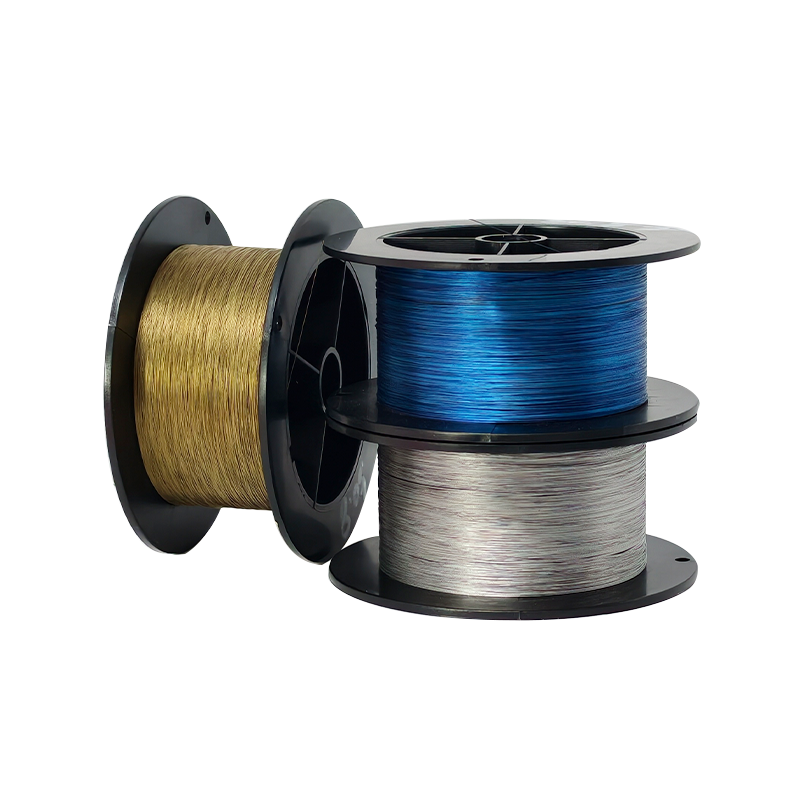
Nitinol Fishing Wire: Superelastic, Corrosion-Resistant Leader Wire for All Conditions

Get a Free Quote

Our representative will contact you soon.
Email
Name
Company Name
Message
0/1000

nitinol fishing wire

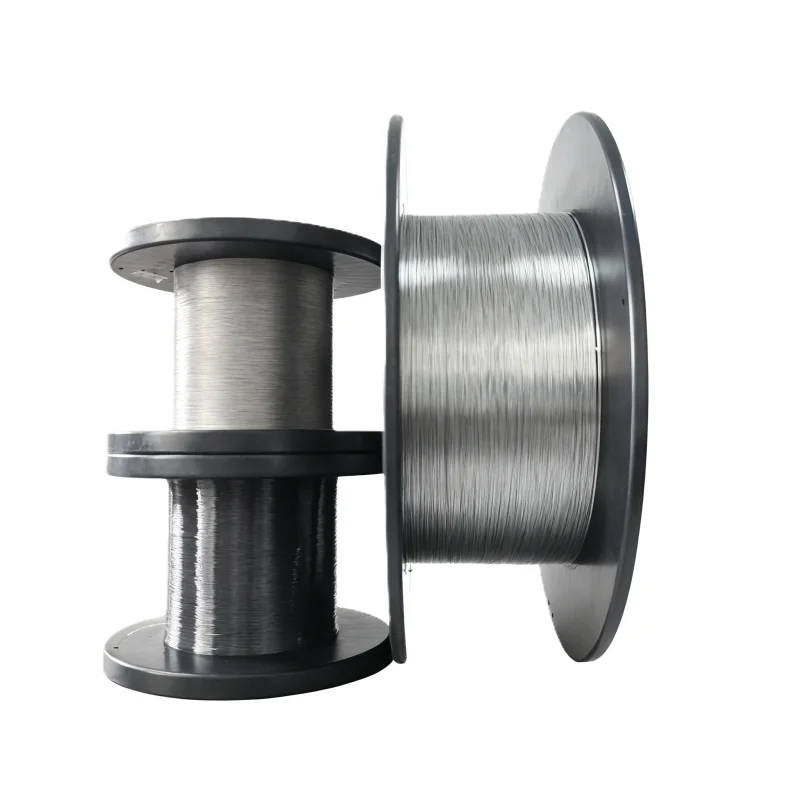
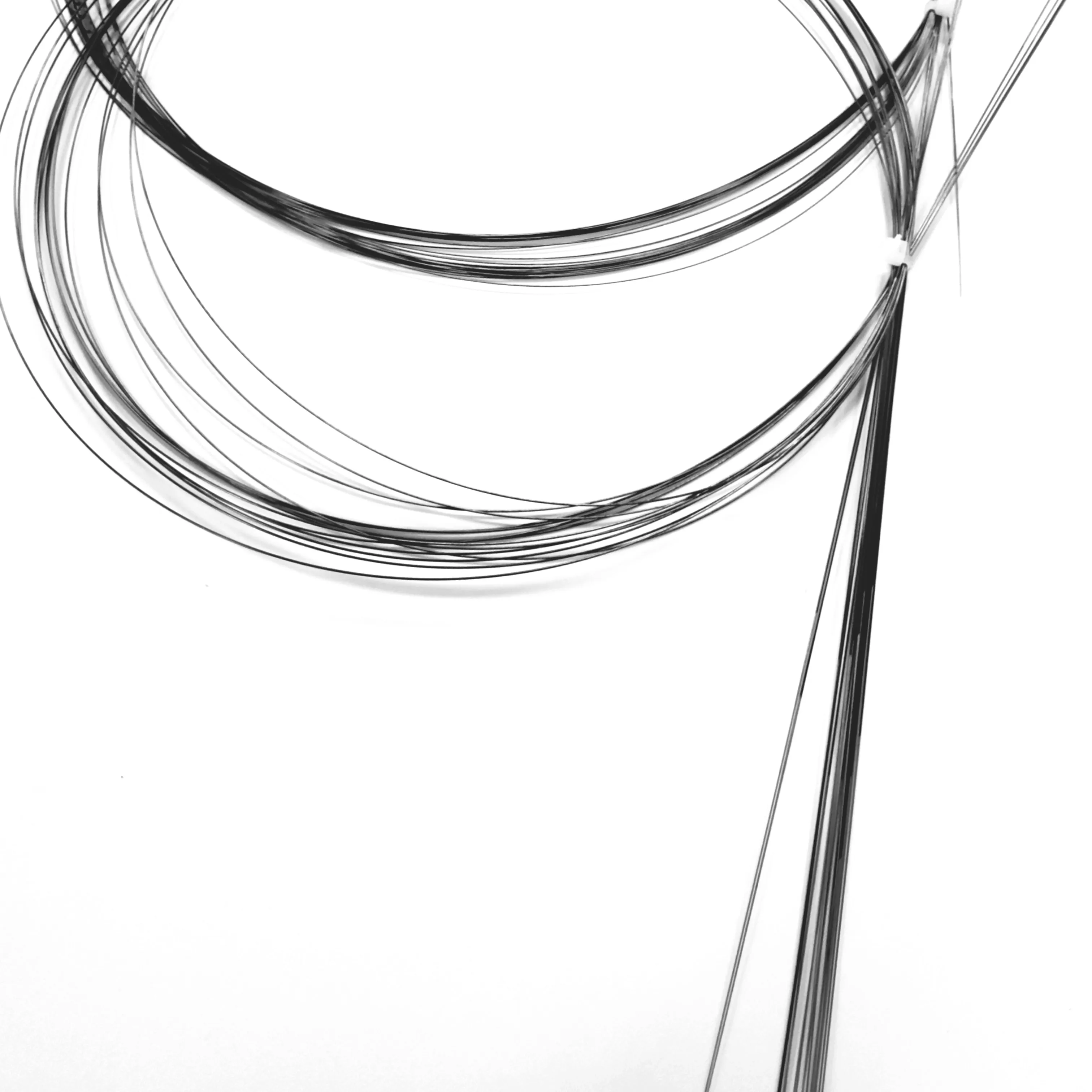
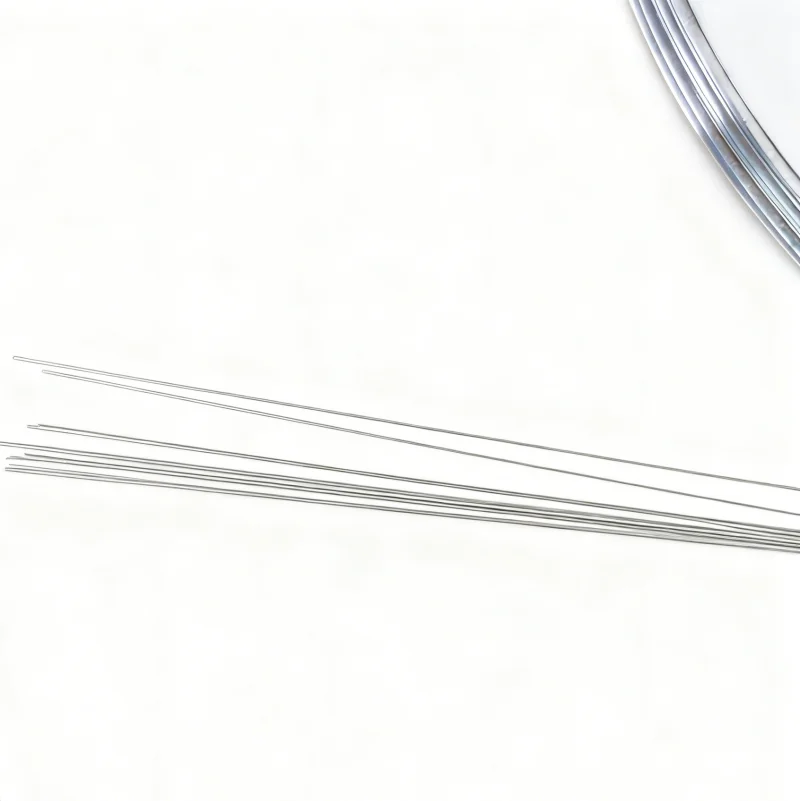
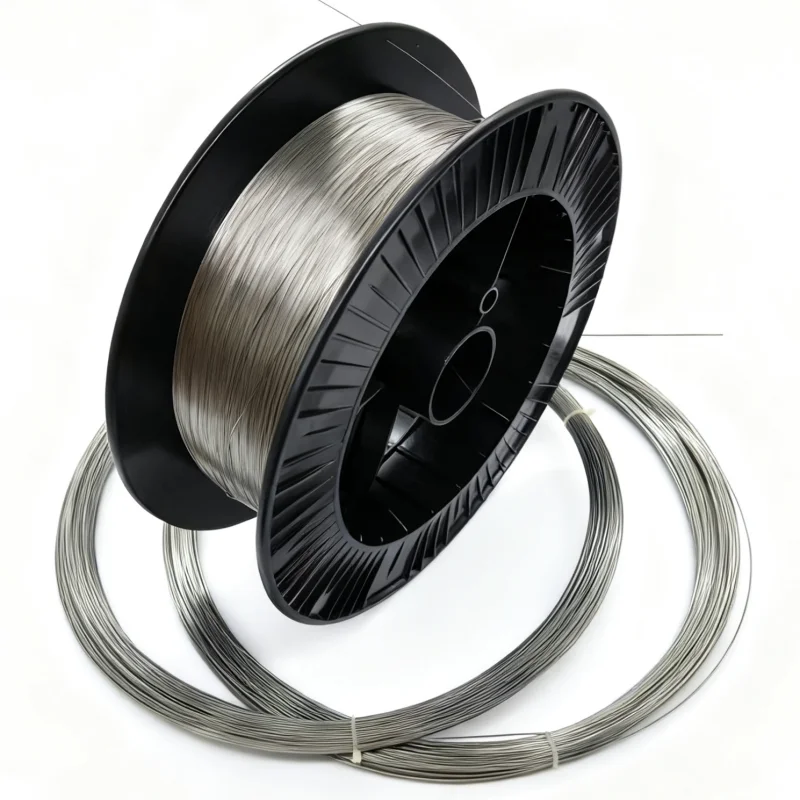
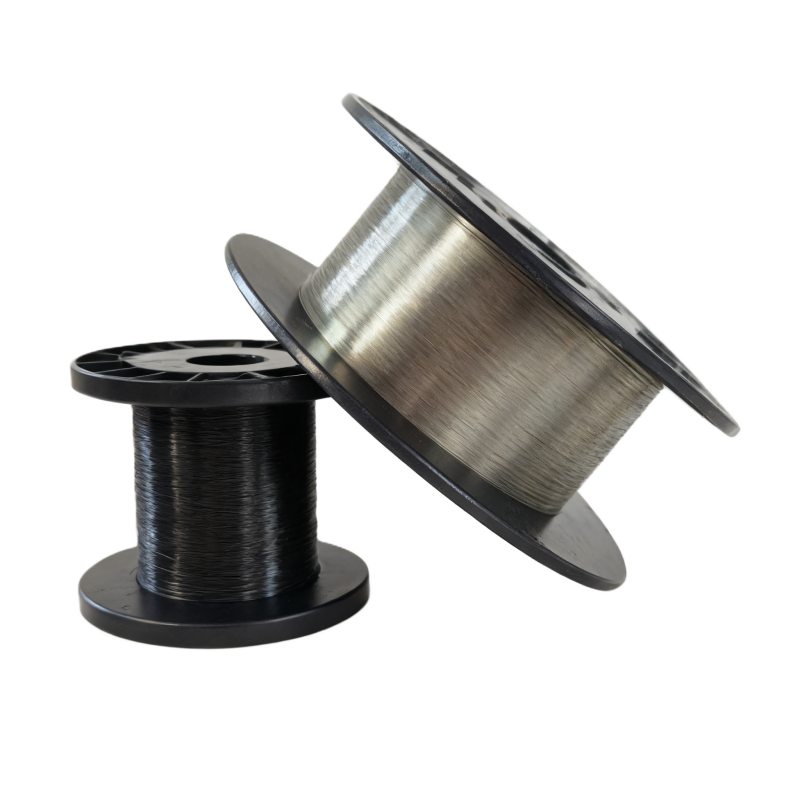
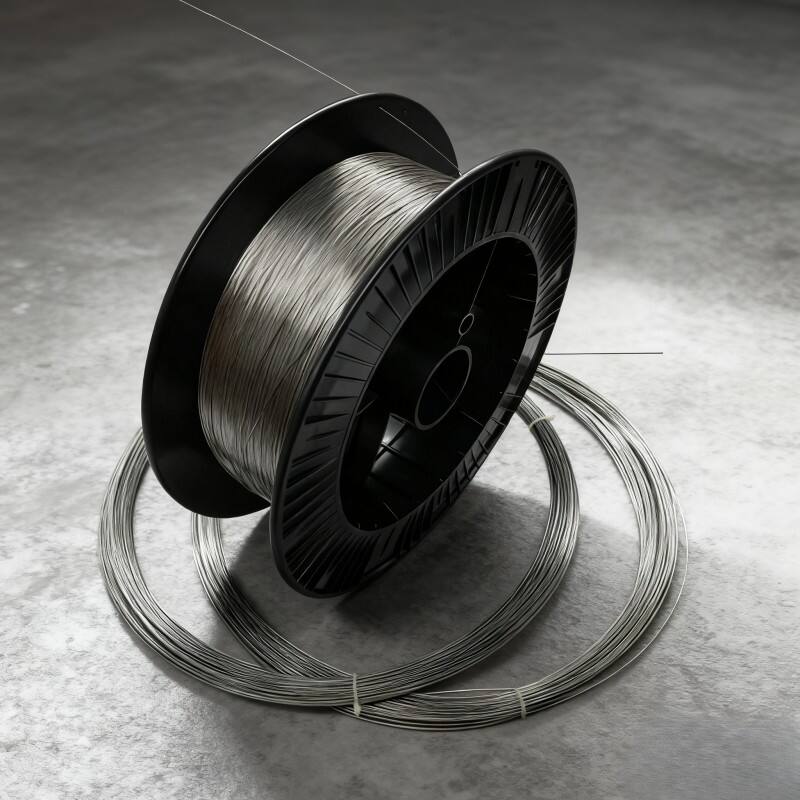
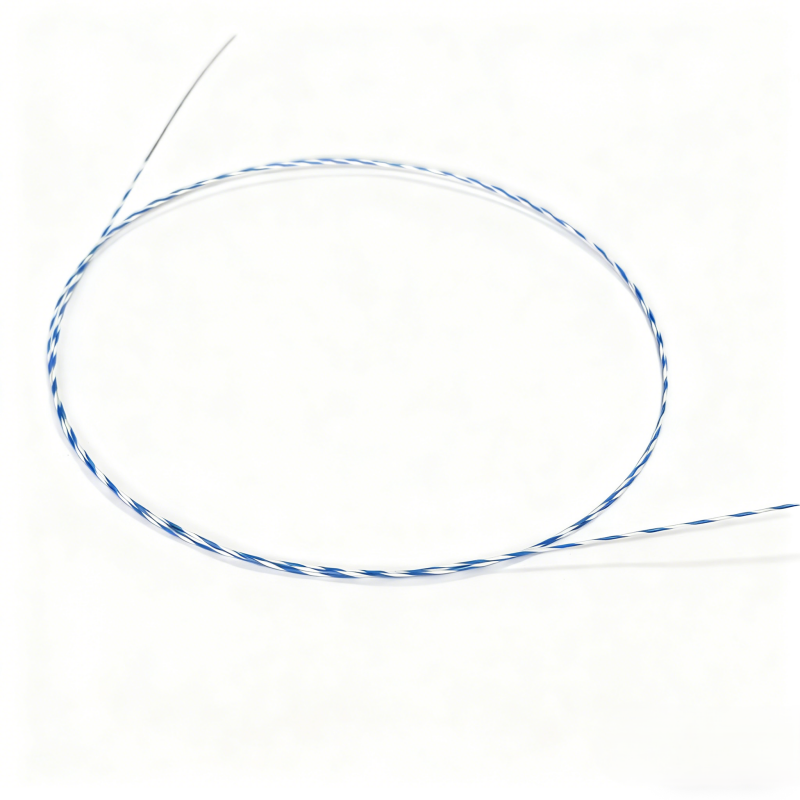
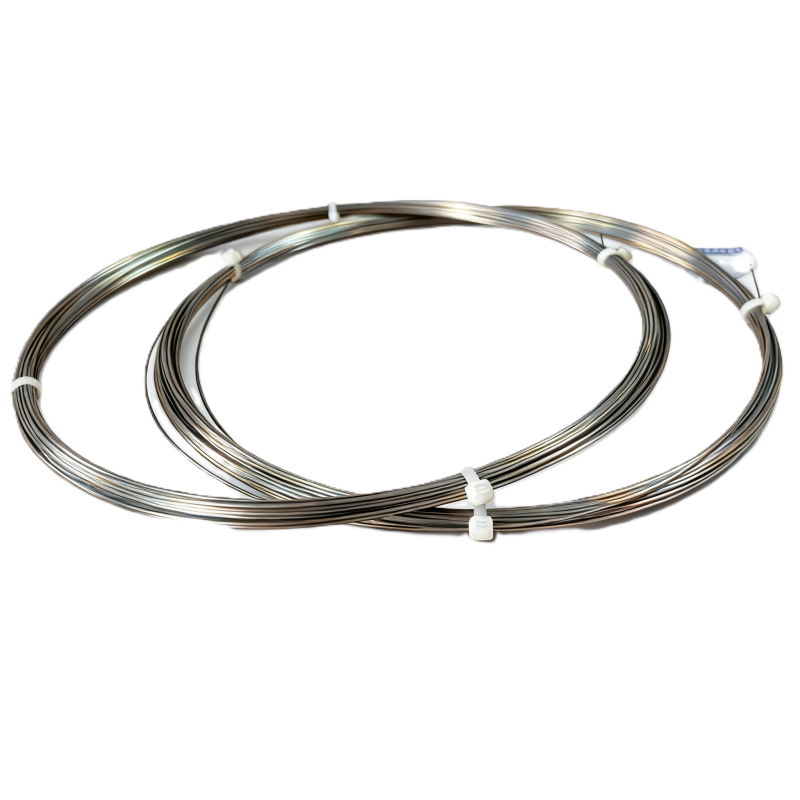
Nitinol fishing wire represents a significant leap forward in fishing line technology, combining the unique properties of nickel-titanium alloy with the practical demands of modern angling. Nitinol, a shape memory alloy composed of roughly equal parts nickel and titanium, delivers a set of mechanical characteristics that no conventional monofilament or braided line can match. At its core, nitinol fishing wire is engineered to return to a predetermined shape after deformation, resist kinking under repeated stress, and maintain consistent performance across a wide range of water temperatures and environmental conditions. These qualities make it a compelling choice for anglers who demand reliability and precision from their gear. The wire exhibits superelastic behavior, meaning it can stretch significantly beyond the limits of standard fishing lines and then snap back to its original form without permanent distortion. This elasticity is not the same as the stretch found in nylon monofilament, which tends to weaken over time. Instead, nitinol fishing wire recovers its shape through a reversible phase transformation at the molecular level, preserving tensile strength and structural integrity cast after cast. From a technological standpoint, nitinol fishing wire is produced through a carefully controlled manufacturing process that involves precise alloy composition, cold drawing, and heat treatment to set the desired transition temperature and mechanical response. The result is a wire that balances stiffness and flexibility in a way that translates directly into better lure action, more accurate presentations, and improved hook-setting performance. Applications for nitinol fishing wire span freshwater and saltwater environments. It is used in leader construction, jigging rigs, drop-shot setups, and specialty lure connections where abrasion resistance and bite-proof durability are essential. Ice anglers value its low-temperature performance, while deep-sea fishermen appreciate its resistance to corrosion and fatigue. Whether targeting bass in a weedy lake or chasing tuna offshore, nitinol fishing wire offers a technically advanced solution that elevates the entire fishing experience.


New Product Recommendations

Nitinol fishing wire gives you real, tangible advantages the moment you start using it, and those advantages compound over time in ways that save you money, reduce frustration, and help you catch more fish. Here is a straightforward look at what makes nitinol fishing wire worth your attention. First, it does not kink. Every angler knows the aggravation of pulling a coiled, kinked leader out of a tackle box or watching a twisted line ruin a perfectly good presentation. Nitinol fishing wire eliminates that problem entirely. Because of its superelastic nature, the wire springs back to a straight, smooth form even after being bent, coiled, or compressed. You spend less time re-rigging and more time fishing. Second, it is extraordinarily strong for its diameter. Nitinol fishing wire delivers a high strength-to-diameter ratio, which means you get serious bite resistance and tensile strength in a wire that is thin enough to move naturally in the water. Thin wire means less visibility to fish, more natural lure movement, and better sensitivity when you are feeling for subtle strikes. Third, it handles temperature changes without losing performance. Many fishing lines become stiff and brittle in cold water or go limp and lose sensitivity in warm conditions. Nitinol fishing wire maintains its mechanical properties across a broad temperature range, so it performs consistently whether you are ice fishing in January or chasing redfish in August. Fourth, it resists corrosion. Saltwater is brutal on standard wire leaders, causing rust and surface degradation that weakens the line and shortens its useful life. Nitinol fishing wire is inherently corrosion-resistant, making it a smart long-term investment for any angler who fishes in brackish or saltwater environments. Fifth, it improves lure action. Because nitinol fishing wire is flexible yet returns to shape, it transmits the natural movement of soft plastics, swimbaits, and live bait more faithfully than stiff conventional wire. Fish respond to that natural action, and you will notice the difference in your strike rate. Sixth, it is durable over the long haul. Standard monofilament and fluorocarbon lines degrade with UV exposure, abrasion, and repeated stress. Nitinol fishing wire holds up under sustained use, resisting the micro-fractures and surface wear that shorten the life of conventional lines. You replace it less often, which offsets the initial cost. Seventh, it is versatile. Nitinol fishing wire works across a wide range of fishing styles and target species. From delicate trout leaders to heavy-duty pike rigs, from finesse drop-shot setups to offshore trolling leaders, the wire adapts to your needs without requiring you to carry multiple specialized products. In short, nitinol fishing wire is a practical upgrade that delivers measurable performance improvements in the situations that matter most to anglers.

Latest News

Why is high-stability Nitinol the first choice for equipment in extreme conditions?

12

May

Why is high-stability Nitinol the first choice for equipment in extreme conditions?

When equipment must perform reliably under mechanical stress, thermal cycling, and repeated deformation, material selection becomes a critical engineering decision. Nitinol, the nickel-titanium shape memory alloy, has earned a dominant position in de...
View More
Why do orthodontists prefer using orthodontic wire with shape memory?

15

May

Why do orthodontists prefer using orthodontic wire with shape memory?

In modern orthodontic practice, the materials used to move teeth are just as important as the clinical techniques applied. Among the many innovations that have transformed the field, orthodontic wire with shape memory stands out as one of the most cl...
View More
Why is Starspring's Nitinol metal at the forefront of the smart drive industry?

19

May

Why is Starspring's Nitinol metal at the forefront of the smart drive industry?

The smart drive industry is defined by its relentless demand for materials that can do more with less — components that respond intelligently to their environment, endure repeated mechanical cycles, and perform with precision in applications ranging ...
View More
Why should you prioritize the manufacturer's R&D center when choosing partners?

02

Jun

Why should you prioritize the manufacturer's R&D center when choosing partners?

When evaluating potential manufacturing partners, most procurement teams focus on price, lead time, and production capacity. These are legitimate criteria, but they often overlook one of the most telling indicators of long-term value: the strength an...
View More

Get a Free Quote

Our representative will contact you soon.
Email
Name
Company Name
Message
0/1000

nitinol fishing wire

Superelastic Recovery: The End of Kinks and Tangles

Superelastic Recovery: The End of Kinks and Tangles

One of the most frustrating experiences in fishing is dealing with a kinked, coiled, or tangled leader at the worst possible moment. A kink in a conventional wire leader is essentially a permanent weak point, a spot where metal fatigue has already begun and failure is only a matter of time. Nitinol fishing wire solves this problem at a fundamental level through a property called superelasticity, and understanding how it works helps explain why this wire is genuinely different from anything else on the market. Superelasticity in nitinol fishing wire is not simply a matter of being springy or flexible in the conventional sense. It arises from a reversible phase transformation between two crystalline structures within the alloy, known as austenite and martensite. When you bend or deform the wire, it shifts into the martensite phase, accommodating the strain without the atomic-level damage that causes permanent deformation in steel or conventional alloys. The moment the stress is released, the wire transforms back to austenite and returns to its original straight configuration. This process can be repeated thousands of times without degrading the wire's mechanical properties. For anglers, this means a leader that survives being stuffed into a tackle box, wrapped around a reel, or pulled through dense vegetation and still comes out straight and ready to fish. It means you can bend the wire around your fingers to test a connection and watch it spring back without a trace of the bend remaining. It means that a fish that wraps the leader around a rock or a dock piling does not automatically destroy your rig. The practical value of this feature extends beyond convenience. A kink-free leader presents your bait or lure more naturally, because there are no distortions in the wire to alter the action or create unnatural angles that alert wary fish. It also means that every connection you tie or crimp is working at full strength, not compromised by a nearby deformation. For tournament anglers and serious sport fishermen, that reliability translates directly into more fish landed and fewer heartbreaking losses at the net. Nitinol fishing wire's superelastic recovery is not a marketing claim. It is a measurable, repeatable mechanical property that makes every session on the water more productive and less frustrating.
Corrosion Resistance and Durability in Harsh Environments

Corrosion Resistance and Durability in Harsh Environments

Saltwater, brackish estuaries, and even heavily mineralized freshwater environments are relentlessly hard on fishing tackle. Standard steel wire leaders rust visibly within a single season of regular use, and even stainless steel is not immune to pitting and surface corrosion over time. Fluorocarbon and monofilament lines degrade under UV exposure and lose tensile strength with each outing. Nitinol fishing wire takes a fundamentally different approach to durability, and the results are evident in both laboratory testing and real-world fishing conditions. The corrosion resistance of nitinol fishing wire stems from the natural oxide layer that forms on the surface of the nickel-titanium alloy. This thin, stable layer of titanium dioxide acts as a passive barrier between the wire and the surrounding environment, preventing the electrochemical reactions that cause rust and surface degradation in ferrous metals. Unlike a plated or coated wire, where the protective layer can chip, scratch, or wear away to expose vulnerable base metal underneath, the oxide layer on nitinol fishing wire is self-renewing. Minor surface scratches do not create permanent weak points because the protective chemistry regenerates naturally. For saltwater anglers, this means a leader material that can be rinsed and stored without the anxiety of finding rust spots the next time you open your tackle bag. It means that a wire leader used for a full day of tarpon fishing in a tropical estuary will look and perform the same as it did at the start of the trip. It means that the investment you make in a set of nitinol fishing wire leaders pays dividends over multiple seasons rather than a single year. Beyond corrosion resistance, nitinol fishing wire demonstrates exceptional fatigue resistance. Repeated bending, flexing, and loading cycles that would cause conventional wire to develop micro-cracks and eventually snap are absorbed and recovered by the superelastic mechanism described above. The wire maintains its rated breaking strength over a service life that significantly exceeds that of comparable steel or titanium wire products. For guides, charter captains, and serious recreational anglers who put heavy demands on their tackle, this durability is not a luxury. It is a practical necessity that reduces replacement costs, minimizes mid-trip failures, and builds the kind of confidence in your gear that lets you focus entirely on the fishing.
Precision Lure Action and Sensitivity for Better Strike Detection

Precision Lure Action and Sensitivity for Better Strike Detection

Catching fish consistently is not just about having strong gear. It is about presenting your bait or lure in the most natural, convincing way possible and then detecting the strike quickly enough to set the hook before the fish spits it. Nitinol fishing wire contributes to both of these goals in ways that conventional wire leaders simply cannot match, and the difference is noticeable from the very first cast. The flexibility profile of nitinol fishing wire is uniquely suited to transmitting natural movement. Unlike stiff steel wire that dampens the action of soft plastics and swimbaits, or heavy fluorocarbon that adds unwanted mass and drag to finesse presentations, nitinol fishing wire flexes freely in response to water currents, rod tip movement, and the inherent action built into modern lure designs. A soft plastic swimbait rigged on a nitinol fishing wire leader moves through the water column with the same fluid, lifelike motion it would have on a straight hook, because the wire does not fight the lure's action. It follows and amplifies it. This matters enormously when targeting species like bass, pike, muskie, and large trout that have learned to distinguish between natural prey and artificial imitations. A lure that moves unnaturally, even slightly, triggers the predator's caution rather than its aggression. Nitinol fishing wire removes one of the most common sources of unnatural movement from the equation, giving your presentations a consistent edge over anglers using conventional wire. Sensitivity is the other half of the equation. Nitinol fishing wire transmits vibration and pressure changes along its length with high fidelity, meaning that subtle strikes, light taps, and the feeling of a lure ticking across bottom structure all travel clearly through the wire to your rod tip and your hand. In finesse fishing situations where the difference between a bite and a snag can be a single light tap, that sensitivity is the difference between a hookup and a missed opportunity. The combination of natural lure action and high sensitivity makes nitinol fishing wire an essential component for any angler who wants to fish smarter, present more convincingly, and convert more strikes into fish in the net.
Nitinol Fishing Wire: Superelastic, Corrosion-Resistant Leader Wire for All Conditions

Get a Free Quote

Our representative will contact you soon.
Email
Name
Company Name
Message
0/1000
Newsletter
Please Leave A Message With Us