Super Elastic Nitinol Wire - Advanced Shape Memory Alloy for Medical, Aerospace and Industrial Applications

Get a Free Quote

Our representative will contact you soon.
Email
Name
Company Name
Message
0/1000

super elastic nitinol wire

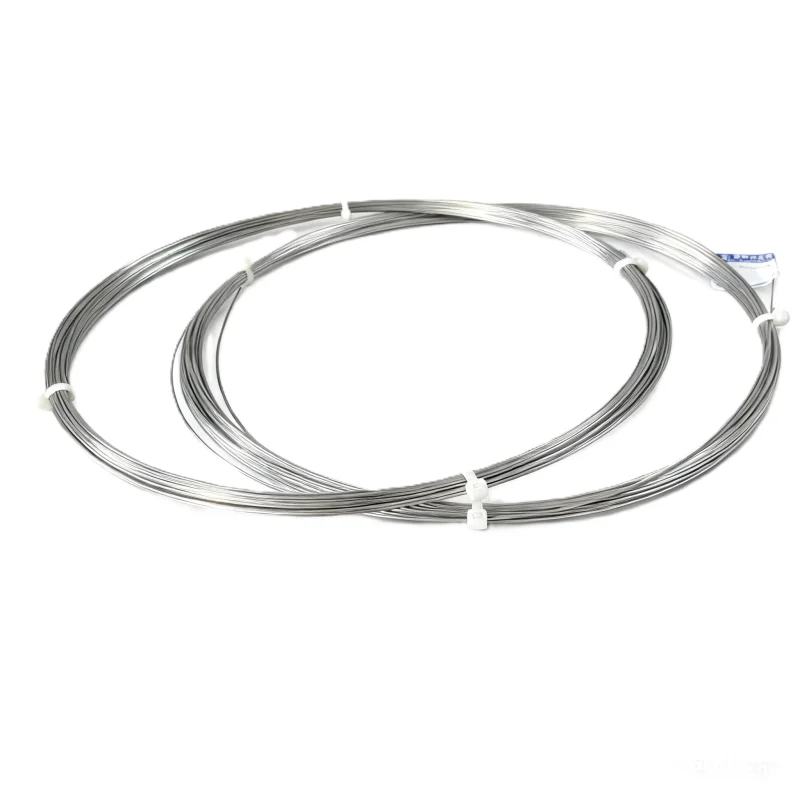
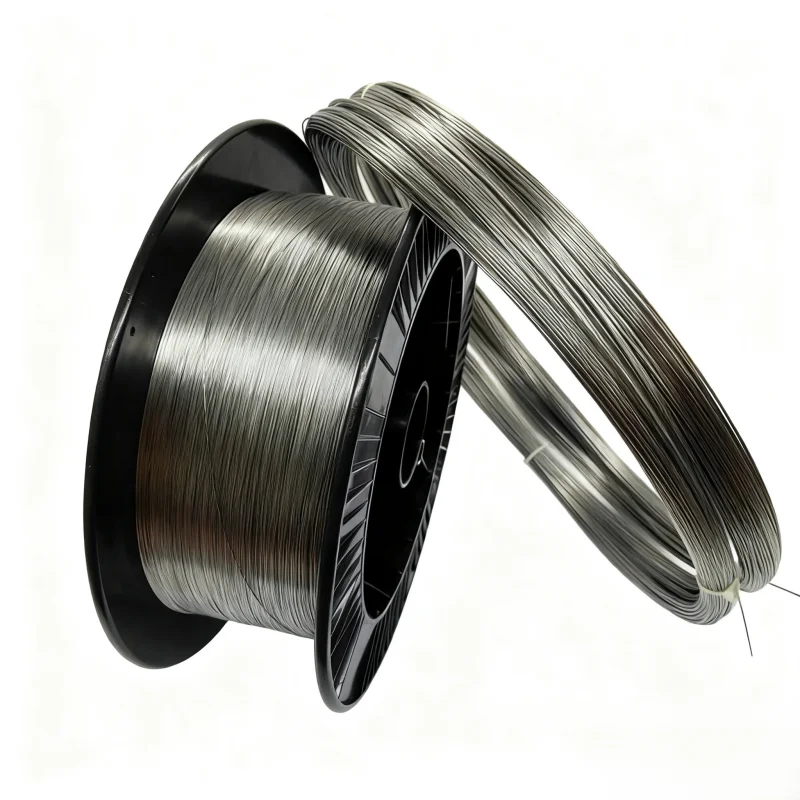
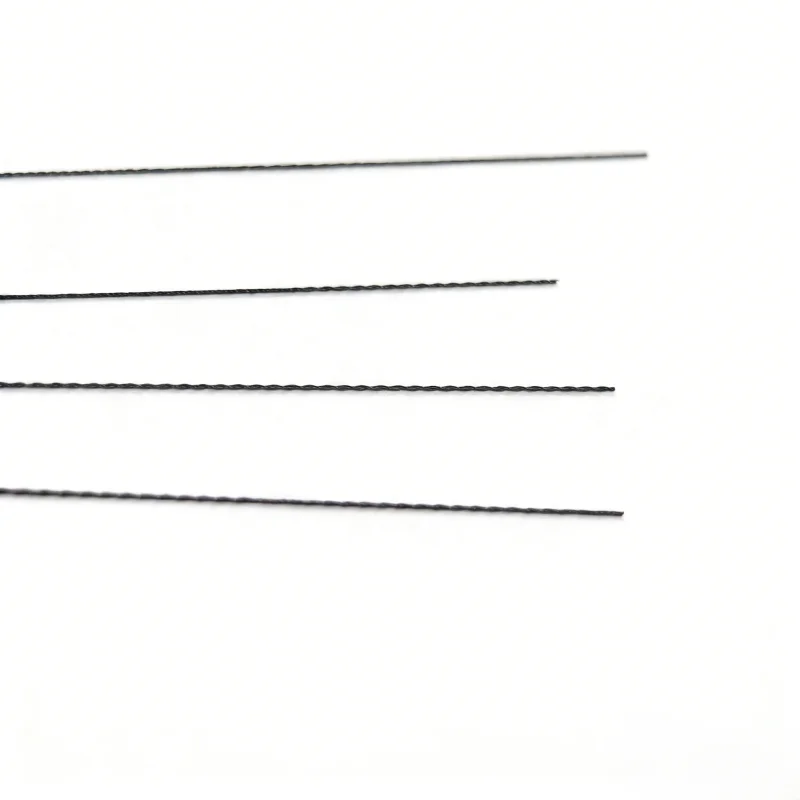
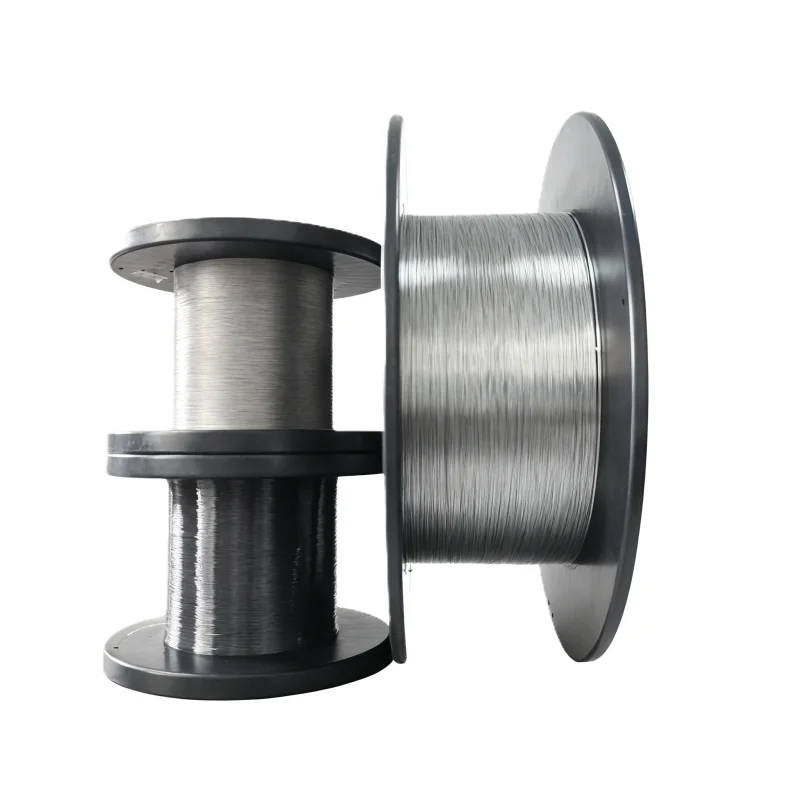
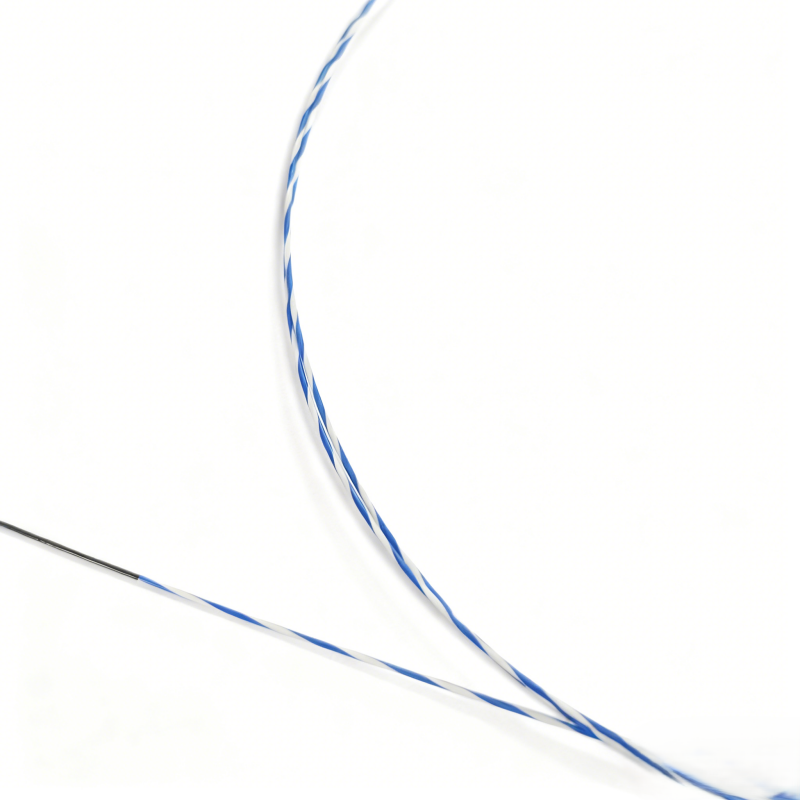
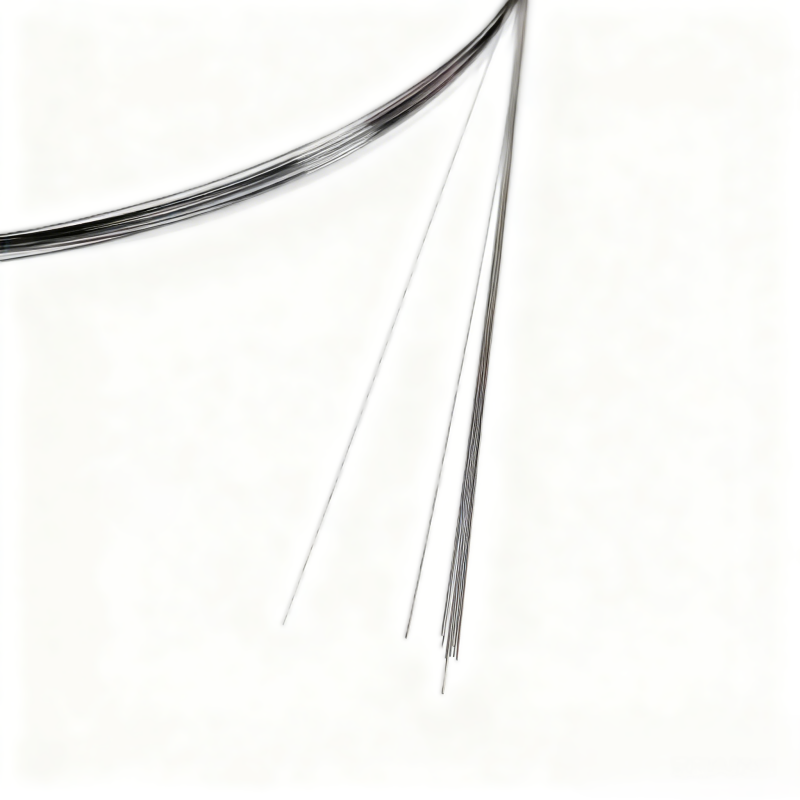
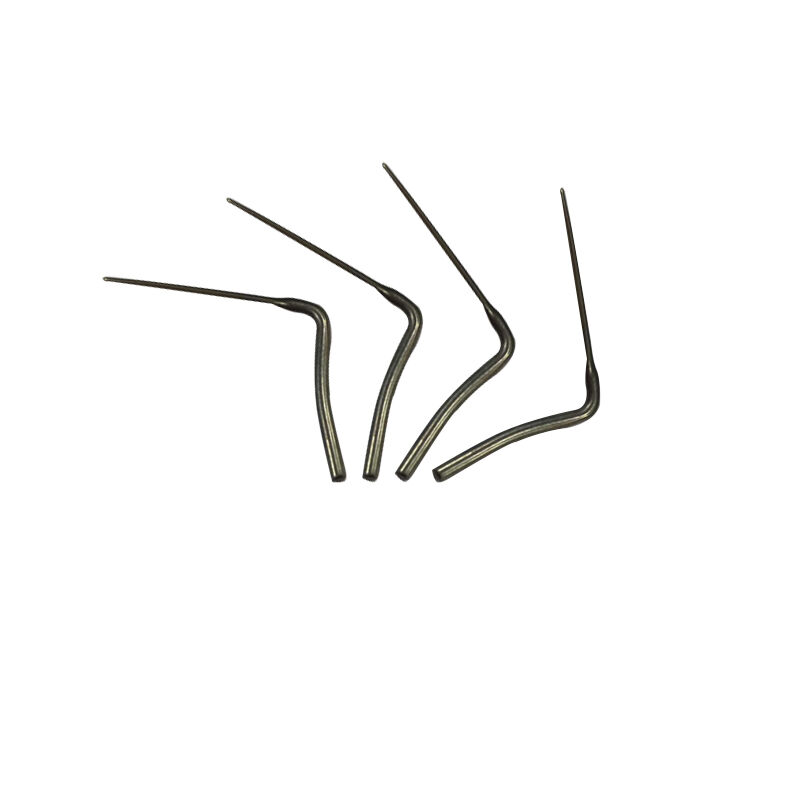
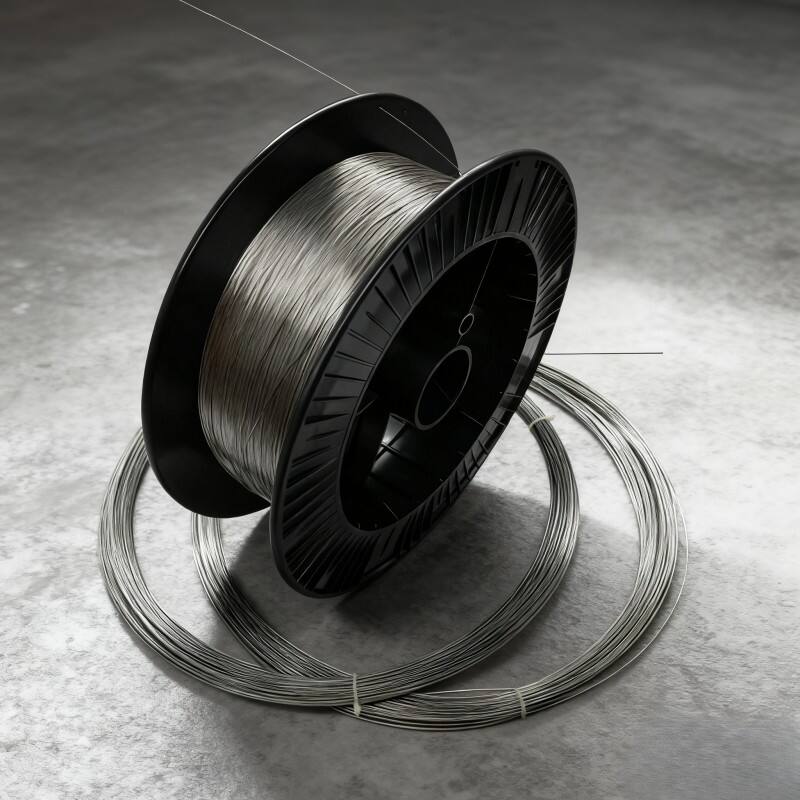
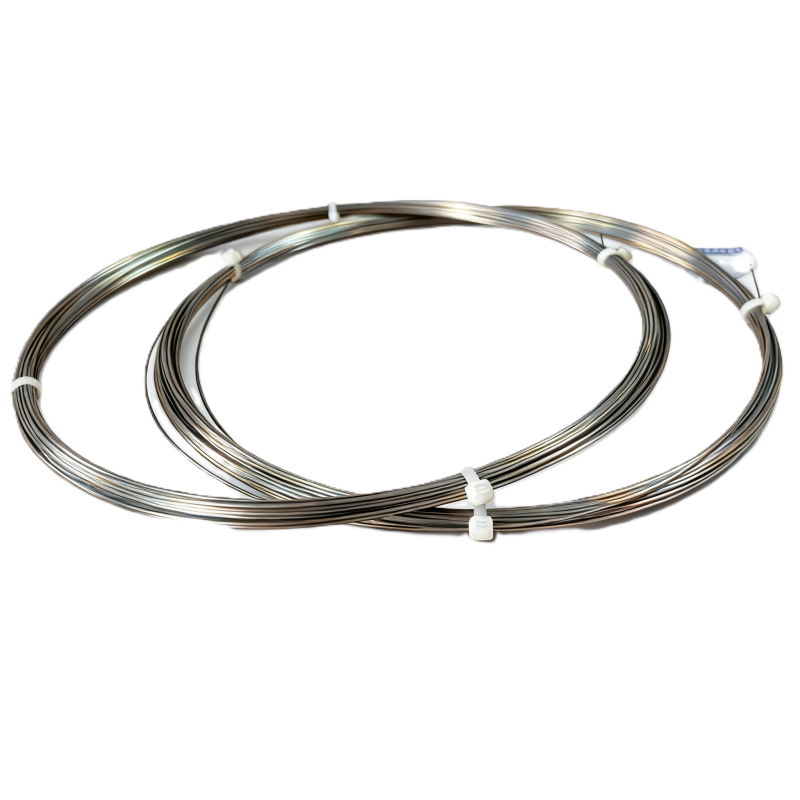
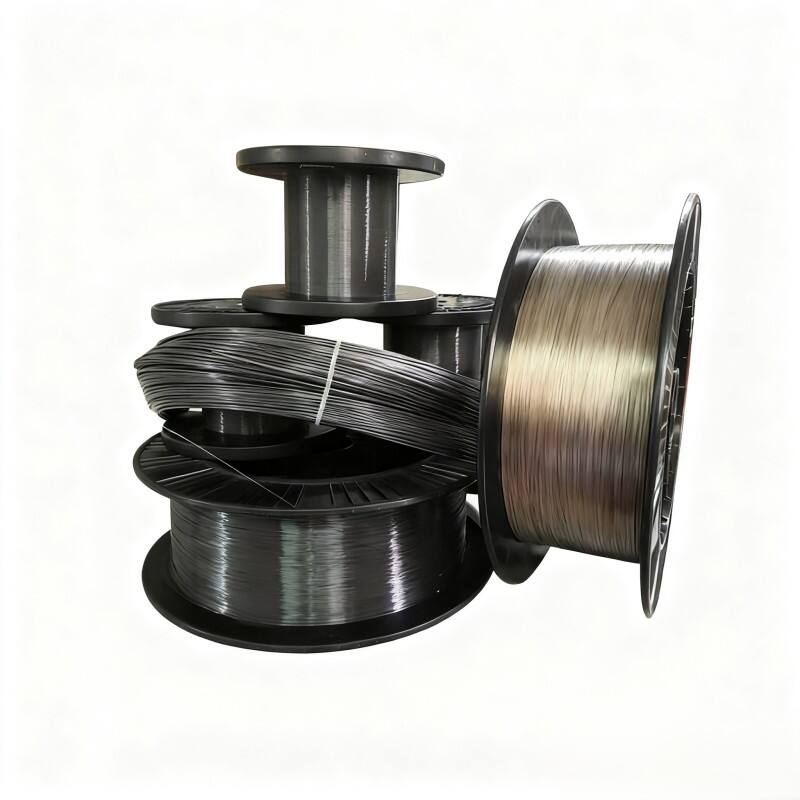
Super elastic nitinol wire represents a revolutionary advancement in shape memory alloy technology, offering exceptional performance characteristics that have transformed multiple industries. This remarkable material is composed of nearly equal parts nickel and titanium, creating a unique alloy that exhibits extraordinary elastic properties far beyond conventional metal wires. The super elastic nitinol wire can be bent, twisted, and deformed repeatedly while maintaining its original shape upon stress release, making it invaluable for demanding applications. Its main functions include providing flexible yet resilient support structures, enabling minimally invasive medical procedures, and delivering reliable performance in extreme temperature variations. The technological features of super elastic nitinol wire set it apart from traditional materials. It demonstrates a strain recovery capability of up to eight percent, which is approximately ten times greater than standard stainless steel. This wire can withstand significant mechanical stress without permanent deformation, returning to its predetermined shape once the load is removed. The material exhibits biocompatibility, corrosion resistance, and excellent fatigue life, enduring millions of cycles without failure. The super elastic nitinol wire operates through a solid-state phase transformation between austenite and martensite crystal structures, allowing it to absorb and release mechanical energy efficiently. Applications for super elastic nitinol wire span diverse sectors including medical devices, aerospace engineering, robotics, consumer electronics, and industrial equipment. In the medical field, this wire forms the backbone of guidewires, stents, orthodontic archwires, and surgical instruments that navigate through complex anatomical pathways. The aerospace industry utilizes super elastic nitinol wire in actuators, deployment mechanisms, and vibration damping systems. Consumer products such as eyeglass frames, mobile phone antennas, and sporting equipment benefit from its durability and flexibility. The wire's ability to function reliably across temperature ranges from minus sixty to plus one hundred twenty degrees Celsius makes it suitable for harsh environmental conditions where conventional materials would fail.


New Product Releases

The super elastic nitinol wire delivers numerous practical benefits that directly address real-world challenges faced by engineers, designers, and manufacturers. First and foremost, this material dramatically reduces device size and complexity. Products incorporating super elastic nitinol wire can be made significantly smaller and lighter because the wire provides more functionality per unit volume than traditional materials. This size reduction translates to cost savings in shipping, easier handling, and improved user experience. The wire eliminates the need for complex mechanical joints and hinges that would otherwise be required with rigid materials, simplifying product design and reducing potential failure points. Durability stands as another major advantage. Super elastic nitinol wire resists mechanical fatigue exceptionally well, maintaining its performance characteristics through hundreds of thousands or even millions of flexing cycles. This longevity means products last longer, require less frequent replacement, and generate less waste. For customers, this translates directly to lower lifetime costs and reduced maintenance expenses. The material does not suffer from work hardening like conventional metals, so repeated bending and flexing do not weaken its structure over time. The super elastic nitinol wire also offers superior patient comfort and safety in medical applications. Its flexibility allows medical instruments to navigate through curved pathways in the body with minimal trauma to surrounding tissues. The wire's biocompatibility means it does not trigger adverse immune responses, making it safe for long-term implantation. Patients benefit from faster recovery times, reduced complications, and better treatment outcomes. Temperature stability provides another significant advantage. Unlike many materials that become brittle in cold or soft in heat, super elastic nitinol wire maintains its mechanical properties across wide temperature ranges. This consistency ensures reliable performance whether the application operates in freezing arctic conditions or scorching desert environments. Customers gain peace of mind knowing their products will function predictably regardless of climate or seasonal variations. The corrosion resistance of super elastic nitinol wire extends product life in harsh chemical environments. It withstands exposure to saltwater, bodily fluids, industrial chemicals, and atmospheric conditions without degrading. This resistance eliminates the need for protective coatings or frequent replacements, reducing maintenance costs and improving reliability. Manufacturing efficiency improves because super elastic nitinol wire can be formed into complex shapes using relatively simple heating and cooling processes. This formability allows designers to create innovative solutions that would be impossible or prohibitively expensive with other materials. The wire can be trained to remember specific shapes, enabling self-deploying structures and automatic adjustment mechanisms that respond to environmental conditions without external power sources.

Practical Tips

Why is phase transition stability of nickel titanium wire key to actuator success?

13

May

Why is phase transition stability of nickel titanium wire key to actuator success?

In the world of precision actuators, the materials used to generate motion are not merely components — they are the foundation of reliability. nickel titanium wire has emerged as one of the most compelling active materials in modern actuator engineer...
View More
How to ensure dimensional tolerances for precision Nitinol metal parts?

18

May

How to ensure dimensional tolerances for precision Nitinol metal parts?

Achieving tight dimensional tolerances in Nitinol metal components is one of the most demanding challenges in precision manufacturing. Unlike conventional metals, Nitinol — a nickel-titanium shape memory alloy — exhibits superelastic recovery and pha...
View More
How to utilize one-way and two-way memory in precision medical components?

21

May

How to utilize one-way and two-way memory in precision medical components?

In the development of precision medical components, material intelligence is no longer a concept reserved for science fiction. nitinol wire has fundamentally changed how engineers and medical device designers approach the challenge of building compon...
View More
Why is a brand with a 5,000m² factory more professional in Nitinol customization?

22

May

Why is a brand with a 5,000m² factory more professional in Nitinol customization?

When sourcing advanced shape memory alloys for medical devices, aerospace components, or industrial actuators, the manufacturing environment behind a supplier tells you far more than a product catalog ever could. Nitinol customization is a precision-...
View More

Get a Free Quote

Our representative will contact you soon.
Email
Name
Company Name
Message
0/1000

super elastic nitinol wire

Exceptional Shape Recovery and Flexibility Performance

Exceptional Shape Recovery and Flexibility Performance

The super elastic nitinol wire stands out in the materials world due to its unparalleled ability to recover from extreme deformation, a characteristic that fundamentally changes what is possible in product design and engineering. This shape recovery capability stems from the wire's unique crystalline structure, which undergoes reversible phase transformations under mechanical stress. When you bend or stretch super elastic nitinol wire, the material's internal structure shifts from its austenitic phase to a martensitic phase, accommodating the deformation without breaking atomic bonds or causing permanent damage. Upon release of the stress, the crystal structure spontaneously reverts to its original austenitic configuration, and the wire returns precisely to its initial shape. This behavior differs fundamentally from elastic deformation in conventional materials, where recovery is limited by the strength of metallic bonds. The super elastic nitinol wire can accommodate strains up to eight percent and still return completely to its original form, whereas typical spring steels fail at strain levels above one percent. This extraordinary flexibility enables engineers to design devices that must navigate tight curves, fit through restricted spaces, or withstand repeated bending without fatigue failure. In practical terms, products made with super elastic nitinol wire can be compressed, folded, or twisted for convenient storage or delivery, then automatically expand to their functional shape when deployed. This self-expanding property has revolutionized minimally invasive procedures, where devices can be threaded through small incisions or natural body openings in a compressed state, then released to assume their working configuration at the target site. The flexibility of super elastic nitinol wire also contributes to user comfort in consumer applications like eyeglass frames, which can be bent significantly without breaking and spring back to fit properly. The material's ability to absorb shock and vibration makes it valuable in applications requiring damping or energy dissipation. The wire converts mechanical energy into heat through its phase transformation, providing effective vibration control without complex damping systems. This combination of extreme flexibility and complete shape recovery creates opportunities for innovation across industries, allowing designers to rethink traditional approaches and develop solutions that were previously impossible with conventional materials.
Outstanding Biocompatibility and Corrosion Resistance

Outstanding Biocompatibility and Corrosion Resistance

One of the most valuable characteristics of super elastic nitinol wire is its exceptional biocompatibility, making it the material of choice for medical devices that contact human tissues or remain implanted in the body for extended periods. Biocompatibility refers to a material's ability to perform its intended function without causing adverse biological responses such as inflammation, toxicity, or immune rejection. The super elastic nitinol wire has undergone extensive testing and decades of clinical use, demonstrating excellent compatibility with human tissues and bodily fluids. The material forms a stable titanium oxide layer on its surface, which acts as a protective barrier preventing nickel ions from leaching into surrounding tissues. This oxide layer is self-healing, meaning that if scratched or damaged, it quickly reforms to maintain the protective barrier. Medical professionals and patients benefit from this biocompatibility through reduced complications, faster healing times, and the ability to create devices that can remain in the body safely for years or even permanently. Beyond biological environments, super elastic nitinol wire exhibits remarkable resistance to corrosion in diverse chemical environments. The material withstands prolonged exposure to saltwater, making it suitable for marine applications where conventional metals would quickly deteriorate. It resists degradation from industrial chemicals, atmospheric pollutants, and temperature extremes that accelerate corrosion in other alloys. This corrosion resistance directly translates to longer product lifespans and reduced maintenance requirements, providing customers with better value and lower total cost of ownership. In applications where reliability is critical, such as aerospace systems or life-saving medical devices, the corrosion resistance of super elastic nitinol wire provides an essential safety margin. Products continue functioning properly even after years of exposure to challenging environments, without the surface pitting, cracking, or weakening that plagues less resistant materials. The combination of biocompatibility and corrosion resistance makes super elastic nitinol wire particularly valuable in applications that demand both properties simultaneously. Surgical instruments, for example, must withstand repeated sterilization cycles using harsh chemicals and high temperatures while remaining safe for contact with patients. The wire maintains its mechanical properties and surface integrity through thousands of sterilization cycles, providing consistent performance throughout the instrument's service life. This durability reduces the frequency of instrument replacement, lowering healthcare costs while ensuring patient safety. For manufacturers, the corrosion resistance of super elastic nitinol wire simplifies product design by eliminating the need for protective coatings, platings, or sealed enclosures that add complexity and cost.
Remarkable Fatigue Life and Mechanical Durability

Remarkable Fatigue Life and Mechanical Durability

The super elastic nitinol wire demonstrates exceptional resistance to fatigue failure, a critical advantage that ensures long-term reliability in applications involving repeated motion or cyclic loading. Fatigue failure occurs when materials subjected to repeated stress cycles develop microscopic cracks that gradually propagate until catastrophic failure occurs. Conventional metals typically exhibit declining performance as they accumulate fatigue damage, eventually breaking after a predictable number of cycles. The super elastic nitinol wire, however, resists fatigue through its unique deformation mechanism, which does not rely on dislocation movement that causes cumulative damage in traditional materials. Instead, the wire's phase transformation occurs at the atomic level through coordinated shifts in crystal structure, a process that is inherently reversible and does not generate permanent defects. Testing has demonstrated that properly processed super elastic nitinol wire can endure ten million or more loading cycles without failure, far exceeding the fatigue life of comparable materials. This extraordinary durability means products incorporating the wire can operate reliably for years or decades without degradation in performance. Medical devices such as heart valve frames and vascular stents experience millions of cycles as they expand and contract with each heartbeat, making fatigue resistance absolutely essential for patient safety. The super elastic nitinol wire used in these applications must maintain its mechanical integrity throughout the patient's lifetime, and extensive clinical experience has validated its ability to do so. Consumer products also benefit significantly from this fatigue resistance. Eyeglass frames made with super elastic nitinol wire withstand the daily stress of being put on and removed, accidentally sat upon, or dropped, continuing to provide reliable service where conventional frames would break or lose their shape. Mobile device antennas fabricated from the wire can be extended and retracted thousands of times without weakening or breaking. Industrial applications leverage the fatigue resistance of super elastic nitinol wire in vibration damping systems, flexible couplings, and actuation mechanisms that must function reliably through millions of cycles in demanding environments. The mechanical durability of super elastic nitinol wire extends beyond fatigue resistance to include excellent resistance to wear and abrasion. The material maintains its surface integrity even when subjected to friction and contact with other components, unlike softer materials that gradually wear away. This wear resistance contributes to consistent performance over time and reduces the generation of particulate debris that could contaminate sensitive systems or cause additional wear on mating components. For customers, the combination of fatigue resistance and mechanical durability translates directly to reduced lifetime costs through fewer replacements, less downtime for maintenance, and greater confidence in product reliability.
Super Elastic Nitinol Wire - Advanced Shape Memory Alloy for Medical, Aerospace and Industrial Applications

Get a Free Quote

Our representative will contact you soon.
Email
Name
Company Name
Message
0/1000
Newsletter
Please Leave A Message With Us