Superelastic Performance That Outlasts Conventional Metal Components
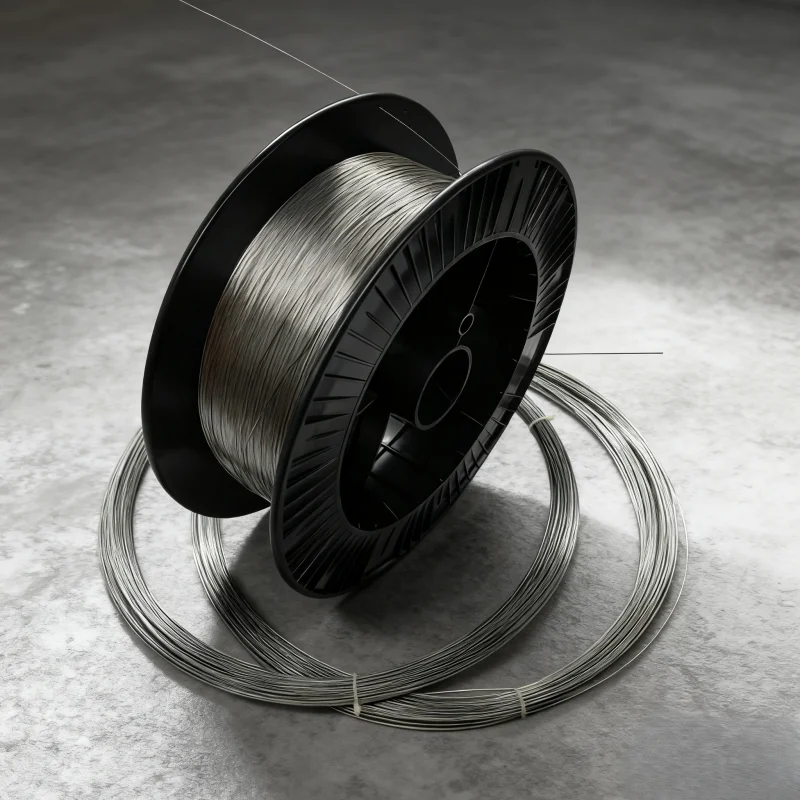
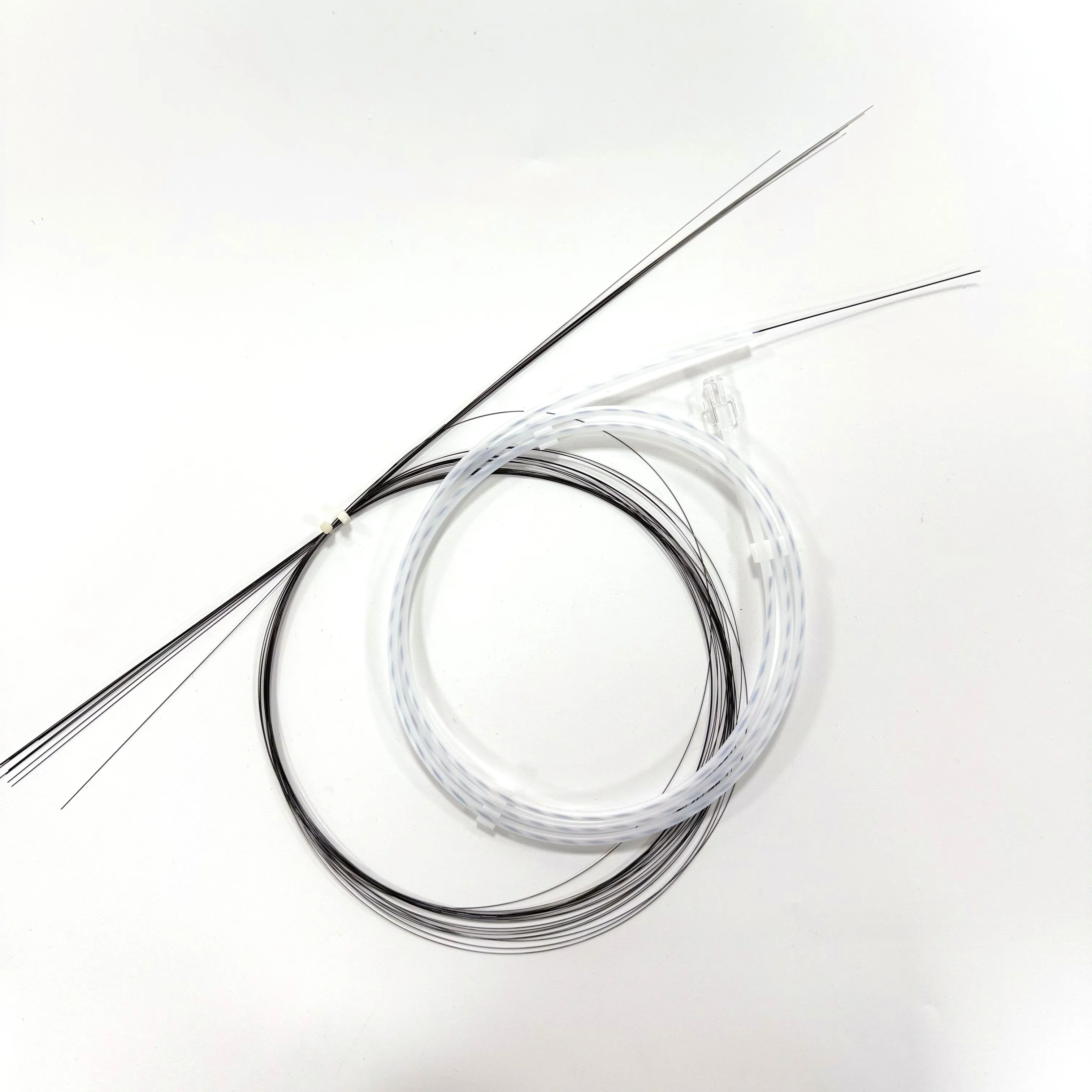
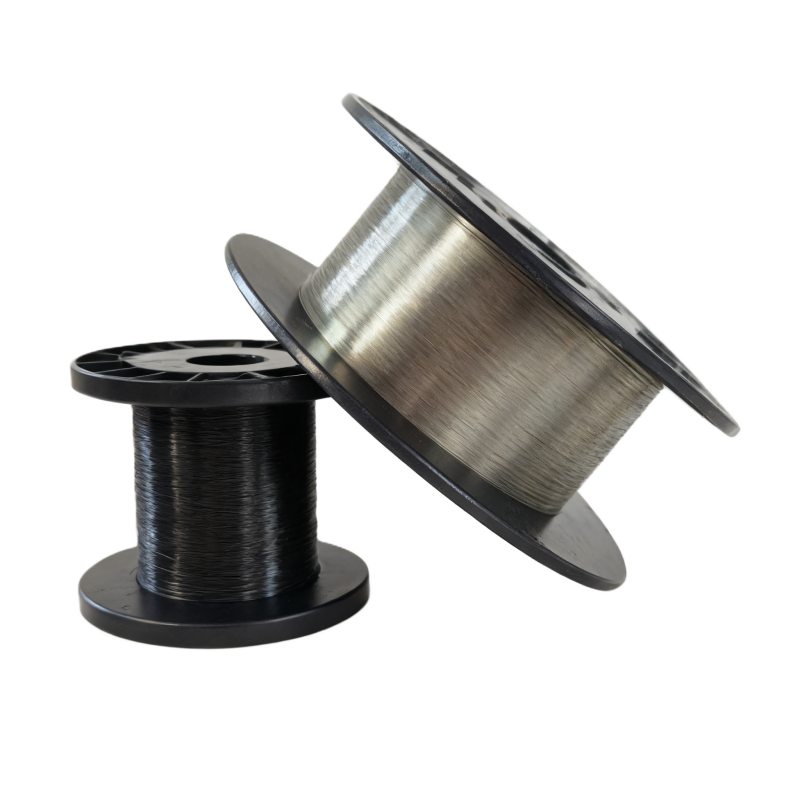
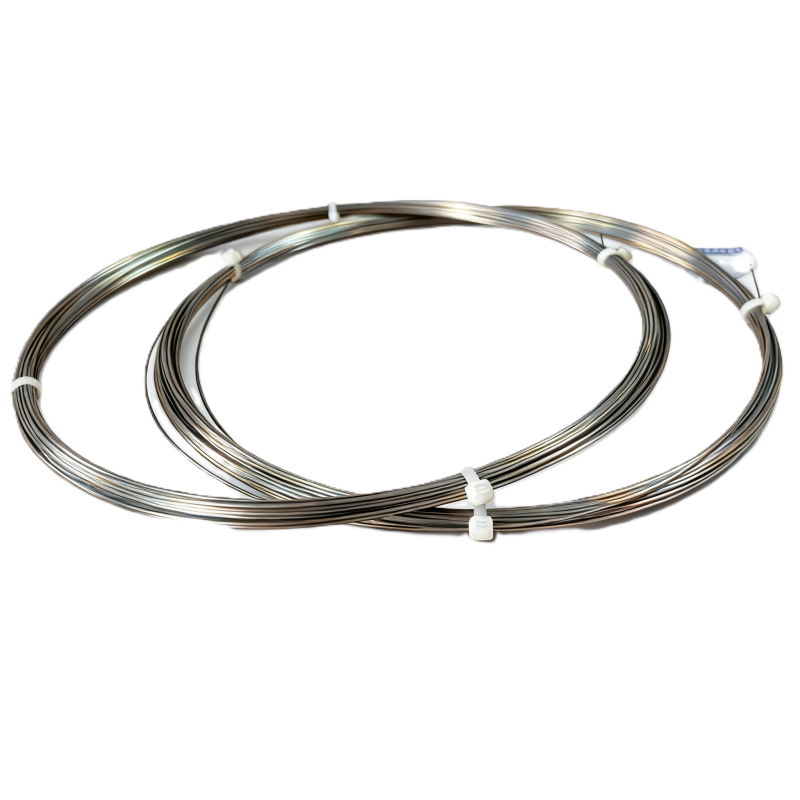
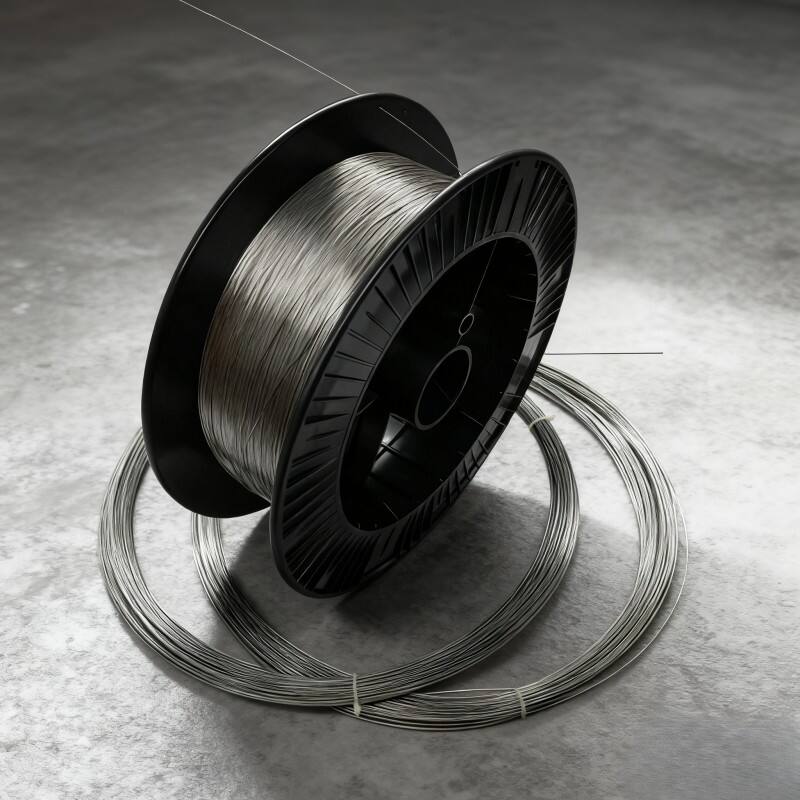
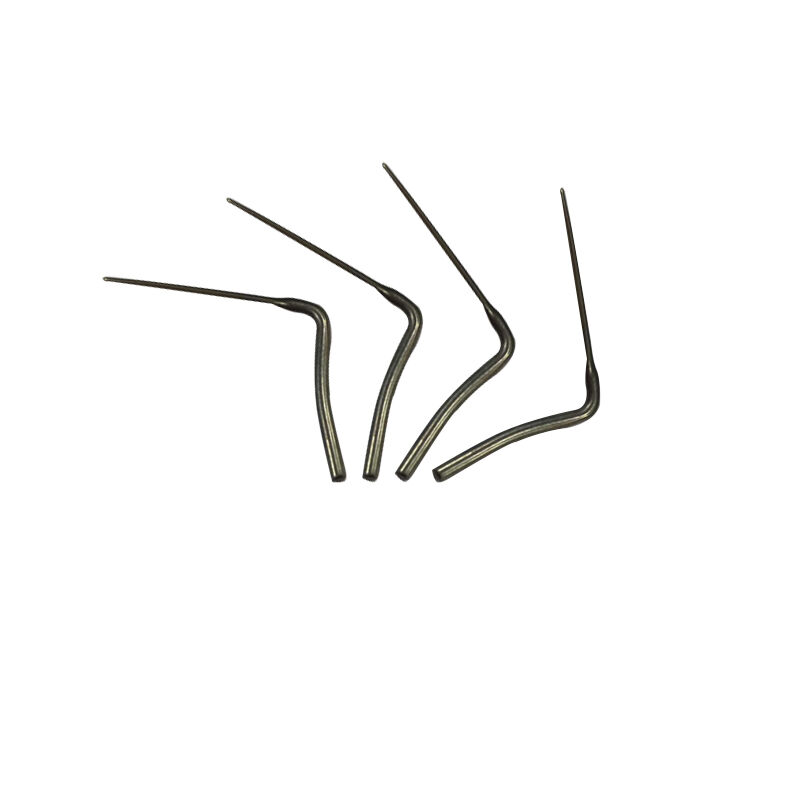
Superelasticity is the second defining property unlocked by nitinol wire forming, and it delivers practical performance benefits that directly impact product durability, safety, and total cost of ownership. Unlike conventional metals that deform permanently when bent beyond their elastic limit, nitinol wire forming produces components that can be strained up to eight percent and still return to their original shape completely when the load is removed. This is roughly twenty times the recoverable strain of stainless steel. In real-world applications, this means components made through nitinol wire forming survive repeated bending, twisting, and compression cycles that would permanently deform or fracture parts made from titanium, stainless steel, or other engineering alloys. For medical device manufacturers, this property is transformative. Guidewires produced through nitinol wire forming navigate tortuous vascular pathways, bending sharply around anatomical curves and then straightening again without kinking or losing their structural integrity. Orthodontic archwires made through nitinol wire forming apply a gentle, continuous force to teeth throughout the full range of tooth movement, reducing patient discomfort and the number of adjustment appointments required. In both cases, the superelastic behavior built into the wire during nitinol wire forming is what makes the product clinically effective. Beyond medical applications, superelastic components produced through nitinol wire forming are used in eyeglass frames that survive being sat on and bent out of shape, in antennas that flex in high winds without breaking, and in industrial sensors that must operate reliably in high-vibration environments. The fatigue resistance of nitinol wire forming components is also exceptional. When properly processed, nitinol wire can endure millions of flex cycles before showing signs of fatigue cracking. This makes nitinol wire forming the process of choice for any application where a component must flex repeatedly over a long service life. Customers who switch to nitinol wire forming from conventional metal components consistently report lower warranty return rates, reduced field failures, and longer product service intervals. These outcomes translate into measurable cost savings and stronger customer satisfaction scores, making the investment in nitinol wire forming a financially sound decision for manufacturers across industries.

 EN
EN