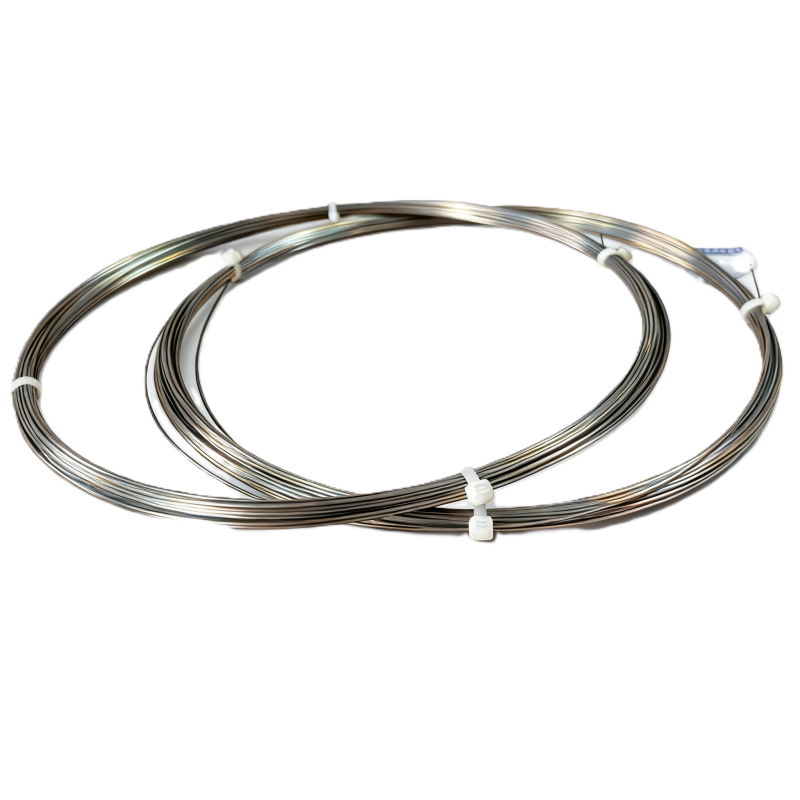
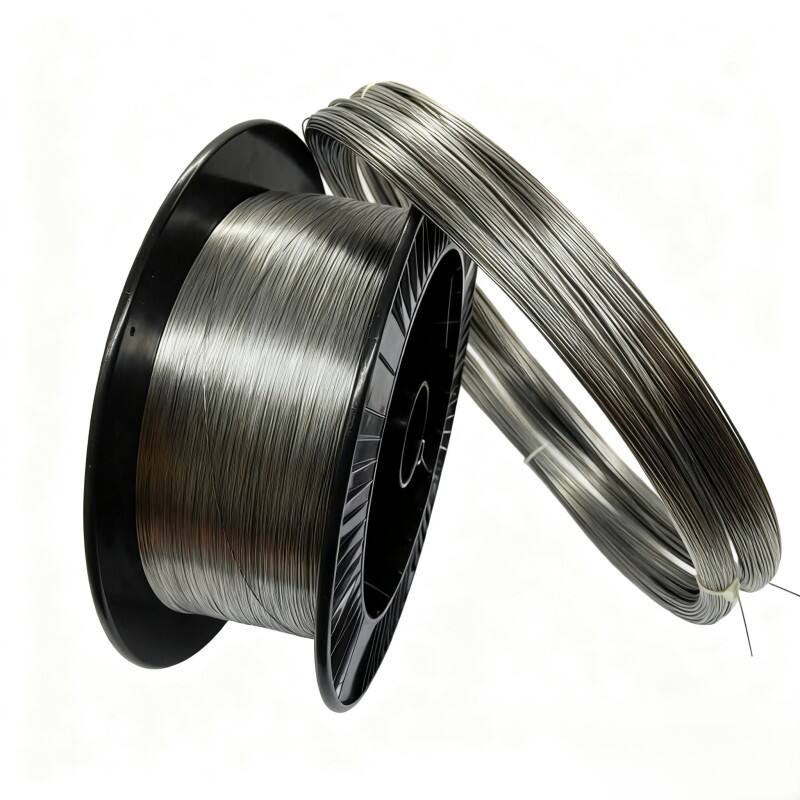
Nitinol Wire Spring - Superior Shape Memory Alloy Springs for Medical, Aerospace & Industrial Applications

Get a Free Quote

Our representative will contact you soon.
Email
Name
Company Name
Message
0/1000

nitinol wire spring

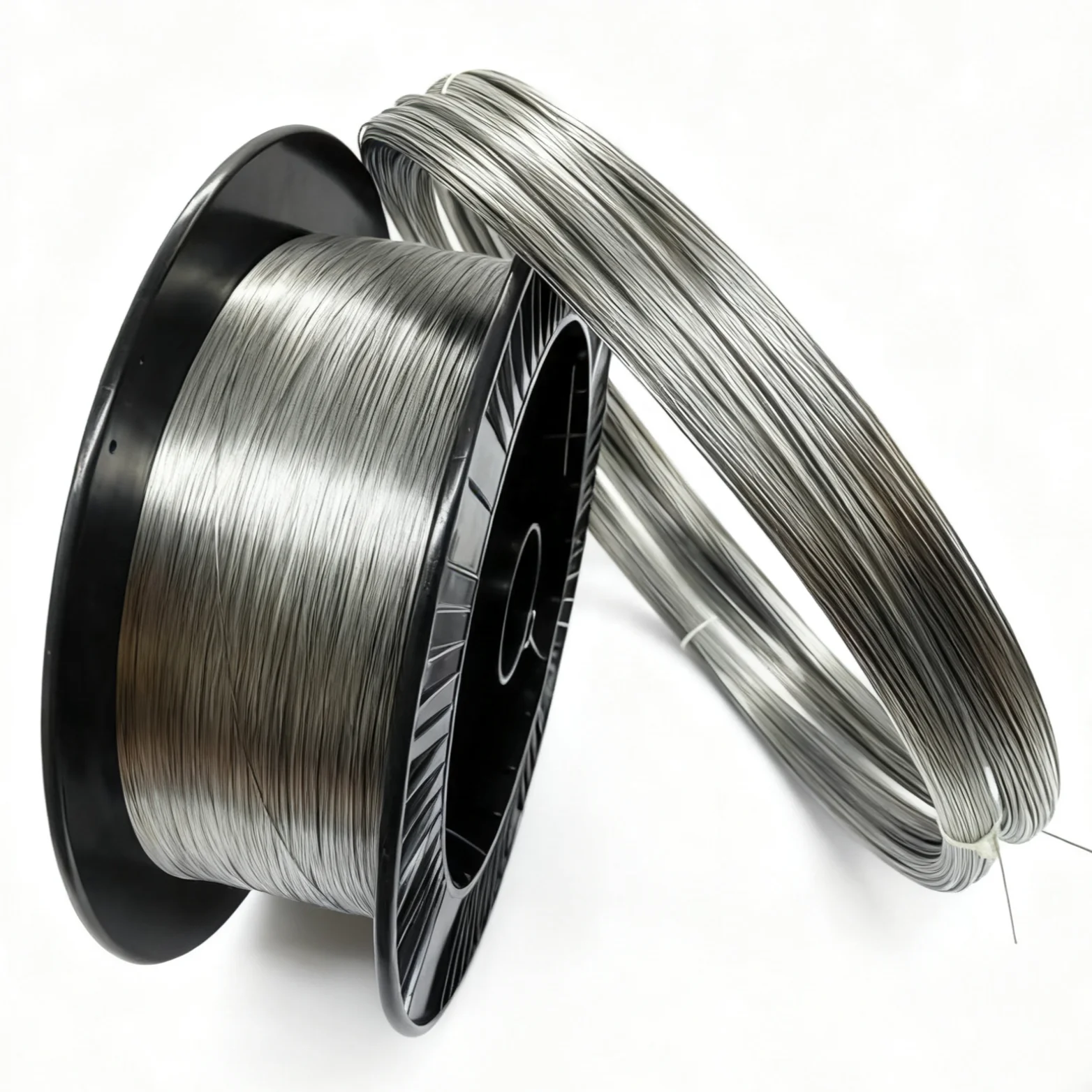
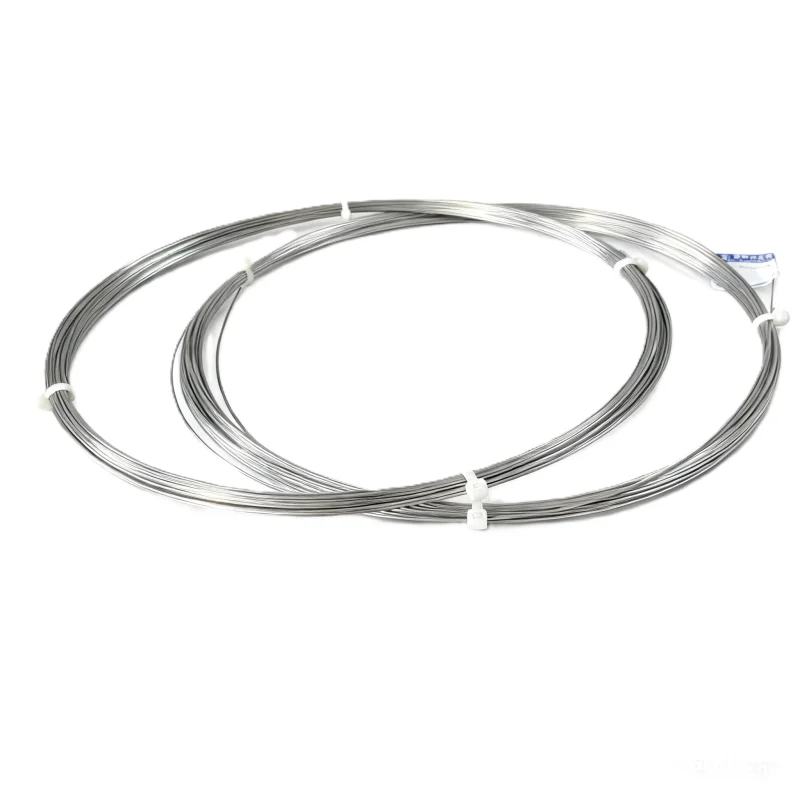
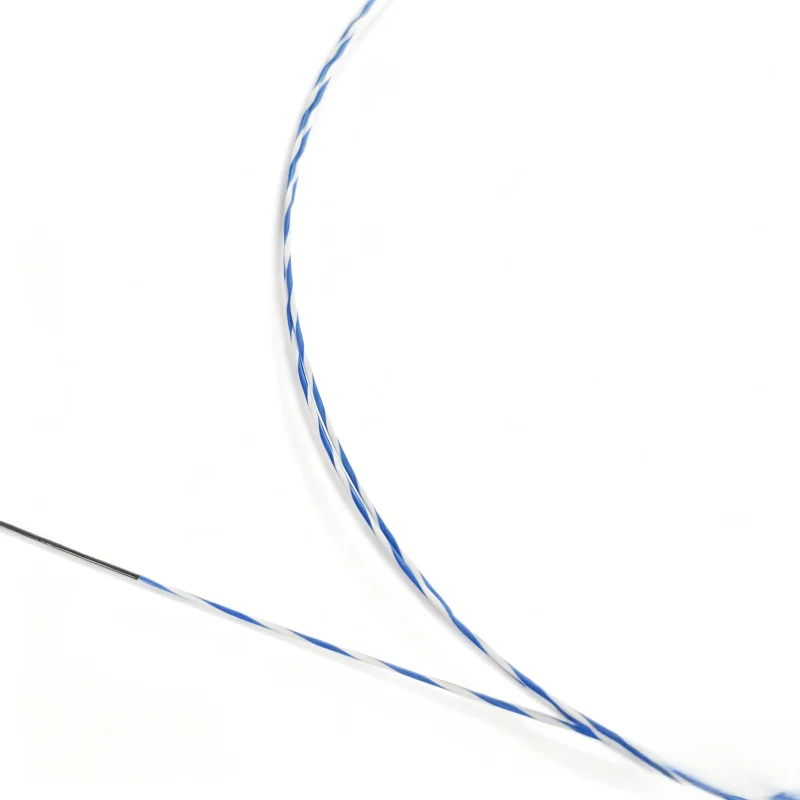
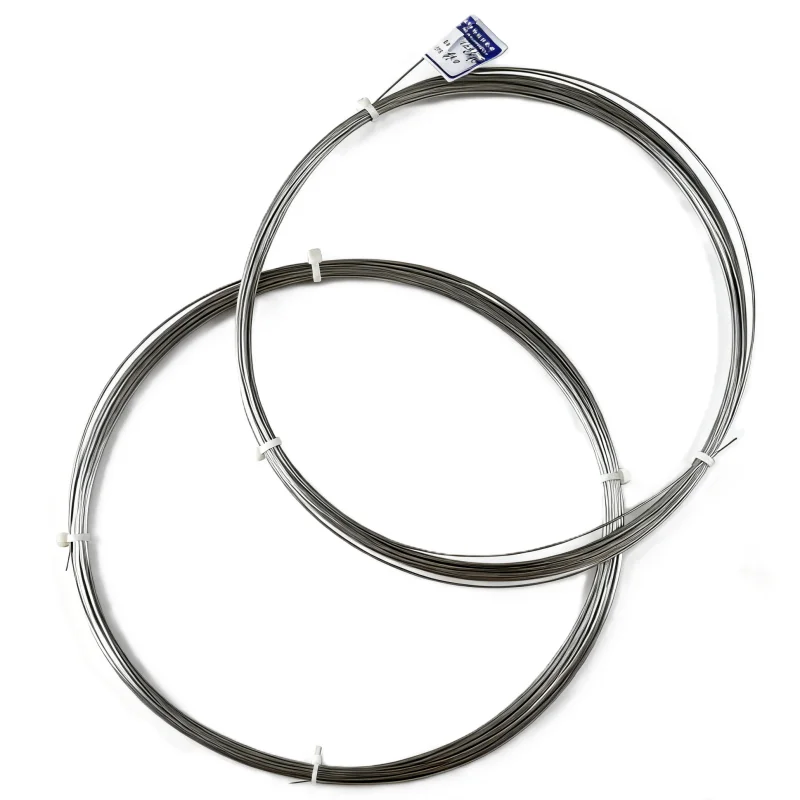
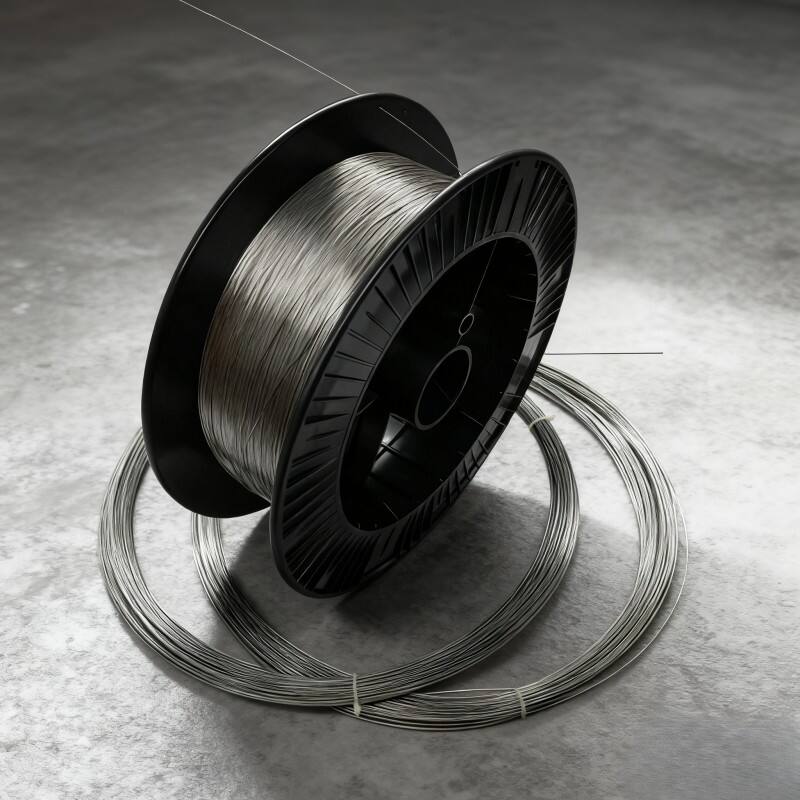
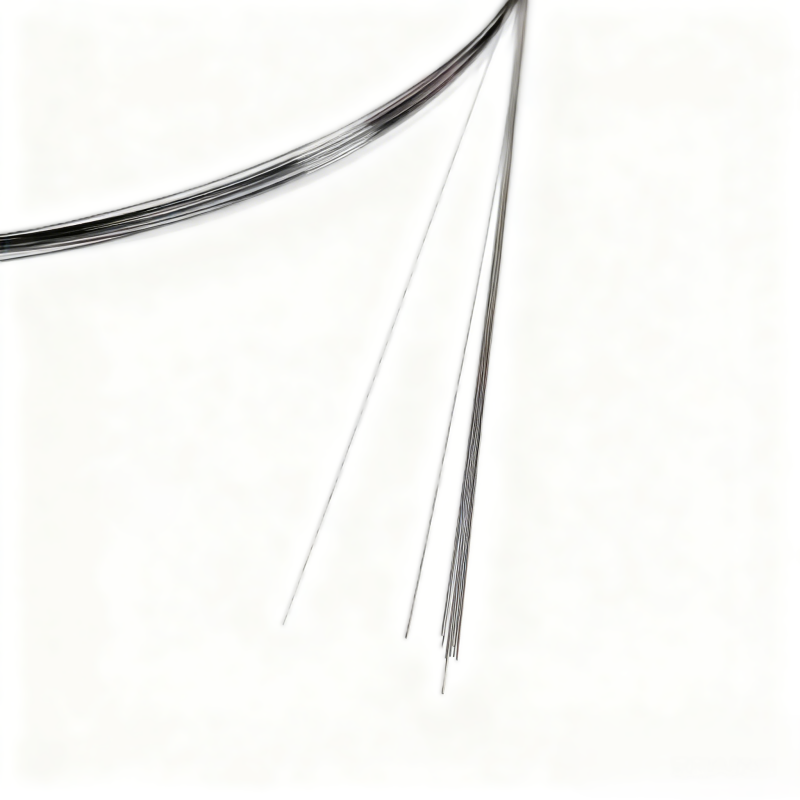
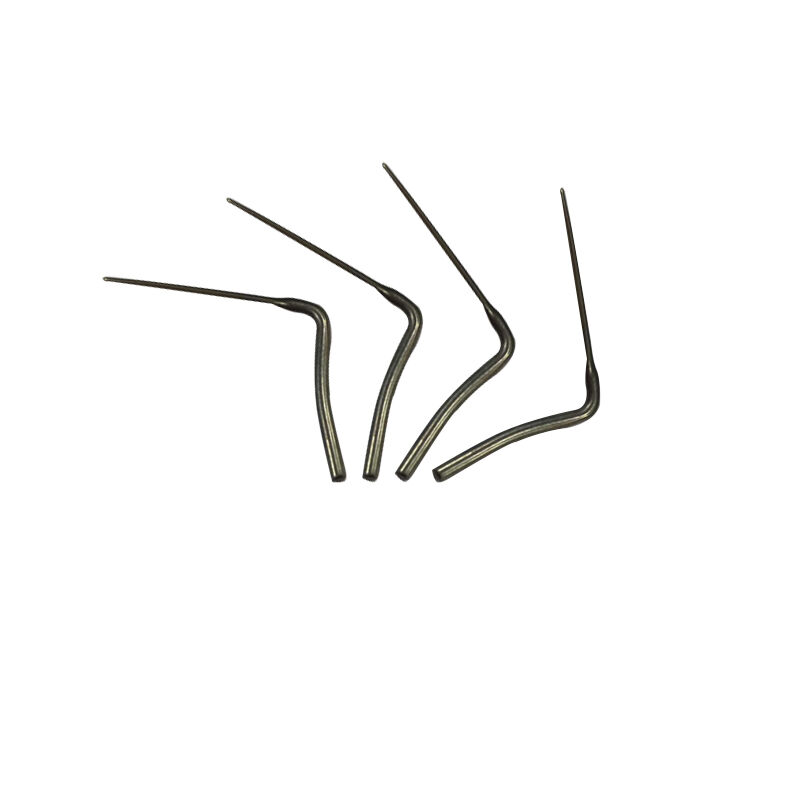
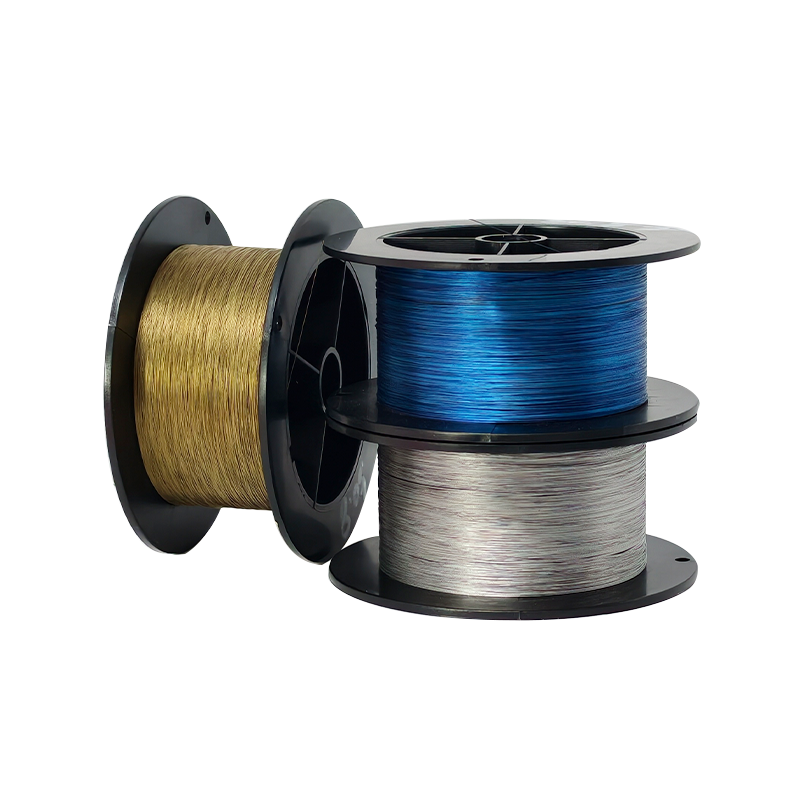
The nitinol wire spring represents a revolutionary advancement in spring technology, combining the unique properties of nickel-titanium alloy with traditional spring functionality. This specialized component leverages the extraordinary characteristics of nitinol, a shape memory alloy that exhibits both superelasticity and thermal shape memory effects. Unlike conventional steel springs, the nitinol wire spring can return to its original configuration after significant deformation, making it an invaluable solution across medical, aerospace, automotive, and robotics industries. The primary functions of this innovative spring include providing consistent force delivery, absorbing shock and vibration, maintaining tension in dynamic environments, and enabling reversible actuation through temperature changes. The technological features that distinguish this product include its remarkable flexibility to withstand strains up to eight times greater than stainless steel, its ability to recover from substantial deformation without permanent damage, and its biocompatibility for medical applications. The material composition typically consists of approximately 55-56 percent nickel and 44-45 percent titanium, creating a crystalline structure that transforms between austenite and martensite phases. This transformation enables the spring to exhibit pseudoelastic behavior at body temperature and shape memory effects when heated above its transformation temperature. Applications span minimally invasive surgical instruments, orthodontic devices, eyeglass frames, actuators for aerospace mechanisms, vibration dampening systems, temperature-sensitive switches, and robotic grippers requiring gentle yet firm holding capabilities. The nitinol wire spring maintains consistent performance across extreme temperature ranges, demonstrates superior corrosion resistance in harsh chemical environments, and provides reliable operation through millions of cycles without fatigue failure. Manufacturing processes involve precise wire drawing, heat treatment protocols to establish transformation temperatures, and specialized coiling techniques that preserve the material's unique properties throughout the spring's geometry.

New Product Recommendations

Choosing a nitinol wire spring delivers tangible benefits that directly impact product performance and operational efficiency. The most immediate advantage comes from exceptional durability, as these springs endure repeated stress cycles far exceeding conventional materials, reducing replacement frequency and maintenance costs significantly. This longevity translates to lower total cost of ownership despite higher initial investment. The superelastic property means the spring rebounds completely from deformations that would permanently damage traditional steel alternatives, preventing mechanical failure in critical applications. Users benefit from consistent force characteristics throughout the spring's operational range, ensuring predictable behavior in precision instruments and medical devices where reliability is paramount. The biocompatible nature makes these springs safe for direct contact with human tissue, opening possibilities in surgical tools, stents, and orthodontic appliances without risk of adverse reactions or toxic metal leaching. Temperature responsiveness provides unique actuation capabilities, allowing designers to create self-adjusting mechanisms that respond automatically to environmental conditions without external power sources or complex control systems. This feature reduces system complexity while improving energy efficiency. The corrosion resistance surpasses stainless steel, maintaining mechanical properties in saltwater, bodily fluids, and aggressive chemical environments where conventional springs deteriorate rapidly. This characteristic extends service life in marine applications, chemical processing equipment, and implantable medical devices. The material's lightweight profile compared to steel springs of equivalent performance reduces overall system weight, critical for aerospace applications, portable medical equipment, and consumer electronics where every gram matters. Miniaturization capabilities allow creation of extremely small springs maintaining functional properties, enabling advanced microsurgical instruments and compact electronic devices. The kink resistance prevents permanent deformation from inadvertent bending during handling or installation, reducing waste from damaged components and simplifying assembly processes. Design flexibility accommodates custom transformation temperatures tailored to specific application requirements, whether body temperature activation for medical use or industrial temperature triggers for manufacturing processes. The hysteresis characteristics provide energy absorption capabilities superior to conventional springs, making them ideal for vibration dampening and impact mitigation. Manufacturing consistency ensures batch-to-batch reliability, critical for regulated industries requiring validated performance specifications. The non-magnetic properties suit applications near sensitive electronic equipment or MRI environments where ferromagnetic materials would interfere with operations or imaging quality.

Practical Tips

Why do orthodontists prefer using orthodontic wire with shape memory?

15

May

Why do orthodontists prefer using orthodontic wire with shape memory?

In modern orthodontic practice, the materials used to move teeth are just as important as the clinical techniques applied. Among the many innovations that have transformed the field, orthodontic wire with shape memory stands out as one of the most cl...
View More
How to ensure dimensional tolerances for precision Nitinol metal parts?

18

May

How to ensure dimensional tolerances for precision Nitinol metal parts?

Achieving tight dimensional tolerances in Nitinol metal components is one of the most demanding challenges in precision manufacturing. Unlike conventional metals, Nitinol — a nickel-titanium shape memory alloy — exhibits superelastic recovery and pha...
View More
Why do full-process manufacturers provide higher performance Nitinol SMA?

20

May

Why do full-process manufacturers provide higher performance Nitinol SMA?

When engineers and procurement specialists evaluate materials for high-precision medical devices, aerospace components, or advanced actuator systems, the source of the material matters as much as the material itself. Nitinol SMA — the nickel-titanium...
View More
How to identify high-quality Nitinol sources with a 21-year background?

01

Jun

How to identify high-quality Nitinol sources with a 21-year background?

Sourcing Nitinol for industrial, medical, or specialty applications is not a decision that should be made lightly. Nitinol, the nickel-titanium shape memory alloy renowned for its superelastic behavior and thermal responsiveness, demands a level of m...
View More

Get a Free Quote

Our representative will contact you soon.
Email
Name
Company Name
Message
0/1000

nitinol wire spring

Superelastic Performance Revolutionizes Spring Functionality

Superelastic Performance Revolutionizes Spring Functionality

The superelastic capability of the nitinol wire spring fundamentally transforms how engineers approach spring design and application selection. This remarkable property allows the material to undergo strains approaching 8-10 percent while returning completely to its original shape upon stress removal, compared to conventional spring materials that permanently deform beyond 0.5-1 percent strain. This dramatic difference means designers can specify smaller, lighter springs achieving the same deflection ranges, or alternatively, create applications previously impossible with traditional materials. The molecular mechanism behind this behavior involves a stress-induced phase transformation between austenite and martensite crystal structures, occurring at ambient temperature without thermal input. During loading, the organized austenite structure transforms to the more easily deformed martensite arrangement, accommodating large strains while maintaining relatively constant stress levels. Upon unloading, the material spontaneously reverts to austenite, recovering the original geometry. This creates a characteristic stress-strain curve with loading and unloading plateaus, providing nearly constant force across substantial displacement ranges. For medical device manufacturers, this translates to guidewires navigating tortuous blood vessel pathways without kinking, stents expanding to vessel diameter while maintaining gentle outward pressure, and orthodontic archwires delivering consistent tooth-moving forces regardless of treatment progression. Aerospace engineers exploit this property in actuators requiring reliable performance across extreme temperature swings and vibration environments where conventional springs would fatigue rapidly. The automotive industry incorporates these springs in suspension systems, providing superior ride comfort through enhanced energy absorption during compression and smooth force release during rebound. Robotics designers utilize the superelastic behavior for compliant grippers that automatically adjust grasping force based on object resistance, preventing damage to delicate items while securely holding robust components. The energy dissipation during the loading-unloading cycle, visible as hysteresis in the stress-strain curve, provides inherent vibration dampening superior to steel springs requiring separate damping elements. This integrated dampening reduces system complexity and improves reliability by eliminating additional failure points. The consistent force delivery across the operational range eliminates the variable force characteristics of conventional springs, where force increases linearly with deflection, requiring complex compensation mechanisms in precision applications. Manufacturing quality control ensures repeatable superelastic performance, with transformation stress levels and recoverable strain limits specified to tight tolerances, enabling designers to confidently predict behavior in demanding applications.
Shape Memory Effect Enables Intelligent Actuation

Shape Memory Effect Enables Intelligent Actuation

The shape memory effect distinguishes the nitinol wire spring as an intelligent material capable of self-actuation through temperature changes, eliminating need for motors, solenoids, or pneumatic systems in appropriate applications. This phenomenon allows the spring to remember a preset shape established during manufacturing heat treatment, returning to that configuration when heated above its transformation temperature even after substantial room-temperature deformation. The underlying mechanism involves a temperature-dependent phase transformation where the material exists in soft, easily deformed martenite at lower temperatures, then transforms to rigid austenite when heated, recovering the memorized geometry with substantial force generation. Engineers program specific transformation temperatures during manufacturing, ranging from below freezing to several hundred degrees Celsius, matching application requirements precisely. Medical applications leverage body-temperature activation, where compressed springs deployed through catheters expand automatically upon reaching internal body temperature, eliminating complex deployment mechanisms in cardiovascular stents, neurovascular coils, and orthopedic implants. The transformation generates recovery forces up to 700 MPa, sufficient for actuating valves, latches, and positioning mechanisms without external power. Aerospace designers incorporate these springs in deployable structures, antenna systems, and thermal management devices, where space-saving compact configurations transform to functional geometries upon environmental temperature changes or controlled heating elements. The automotive sector employs temperature-activated springs in climate control systems, automatically adjusting airflow distribution based on ambient conditions without electrical actuators consuming power and requiring maintenance. Consumer products benefit from this property in self-adjusting eyeglass frames that adapt to facial contours through body heat, coffee cup lids that open automatically when beverages reach safe drinking temperature, and clothing fasteners providing comfort across varying conditions. Industrial applications include temperature-sensitive safety valves that automatically close when processes exceed safe temperatures, fire suppression system actuators triggering without electrical signals, and manufacturing process controls responding to thermal conditions without sensor networks. The effect works bidirectionally, with two-way shape memory alloys cycling between different configurations as temperature crosses transformation thresholds, enabling oscillating actuators powered solely by thermal cycling. Designers specify transformation temperature ranges matching application environments, ensuring reliable activation while preventing inadvertent triggering during storage or handling. The repeatable nature of this effect, maintaining functionality through thousands of thermal cycles, provides long-term reliability in autonomous systems. Electrical resistance heating enables precise actuation control, passing current through the spring itself to trigger transformation on demand, creating compact actuators without separate heating elements. Response times depend on thermal mass and heat transfer rates, with thin wires transforming within seconds while larger springs require longer heating periods, informing application design parameters.
Biocompatibility and Corrosion Resistance for Medical Excellence

Biocompatibility and Corrosion Resistance for Medical Excellence

The exceptional biocompatibility and corrosion resistance of the nitinol wire spring make it the material of choice for medical device manufacturers developing implantable and surgical instruments requiring direct tissue contact without adverse reactions. The nickel-titanium alloy composition exhibits tissue compatibility rivaling pure titanium, with properly surface-treated components showing minimal inflammatory response, no cytotoxicity, and excellent long-term integration with biological systems. This compatibility stems from the passive titanium oxide layer forming on the surface, effectively isolating the nickel content from bodily fluids and preventing ion release that could trigger allergic reactions or tissue damage. Regulatory approvals from FDA, CE Mark, and other international bodies recognize nitinol as suitable for permanent implantation and temporary tissue contact, enabling its use in cardiovascular stents maintaining vessel patency, orthopedic staples holding bone fragments during healing, and dental archwires guiding tooth movement over months of treatment. The corrosion resistance exceeds surgical stainless steel in physiological saline environments, maintaining mechanical integrity and surface finish throughout years of implantation without degradation that could compromise performance or release particulates. Surgical instrument manufacturers utilize this property in guidewires, catheters, and retrieval devices that must navigate bodily fluids without corroding, maintain flexibility throughout procedures, and withstand repeated sterilization cycles using autoclaves, chemical solutions, or radiation without property degradation. The material stability in harsh chemical environments extends beyond medical applications to industrial uses in chemical processing equipment, marine hardware exposed to saltwater, and food processing machinery requiring both corrosion resistance and hygienic cleanability. Surface treatment options including electropolishing, passivation, and specialized coatings further enhance biocompatibility and corrosion resistance, creating ultra-smooth surfaces minimizing friction during insertion through tissue and reducing protein adhesion that could trigger immune responses. The non-magnetic properties prove critical in MRI-compatible surgical instruments and implantable devices, allowing patients to safely undergo magnetic resonance imaging without device heating, displacement, or image artifacts that would occur with ferromagnetic materials. Testing protocols verify biocompatibility through cytotoxicity assays, sensitization studies, irritation evaluations, and long-term implantation trials in animal models, providing comprehensive safety data supporting regulatory submissions. The fatigue resistance in physiological environments ensures implanted springs maintain functionality through millions of cardiac cycles, respiratory movements, or joint articulations without crack initiation or propagation leading to failure. Manufacturing controls including raw material certification, process validation, and finished product testing guarantee consistent biocompatibility batch-to-batch, meeting stringent medical device quality standards. The combination of superelasticity, biocompatibility, and corrosion resistance creates unique opportunities in minimally invasive procedures, where instruments must navigate narrow pathways, deliver consistent performance in blood and tissue, and either remain implanted safely or be removed without tissue trauma.
Nitinol Wire Spring - Superior Shape Memory Alloy Springs for Medical, Aerospace & Industrial Applications

Get a Free Quote

Our representative will contact you soon.
Email
Name
Company Name
Message
0/1000
Newsletter
Please Leave A Message With Us