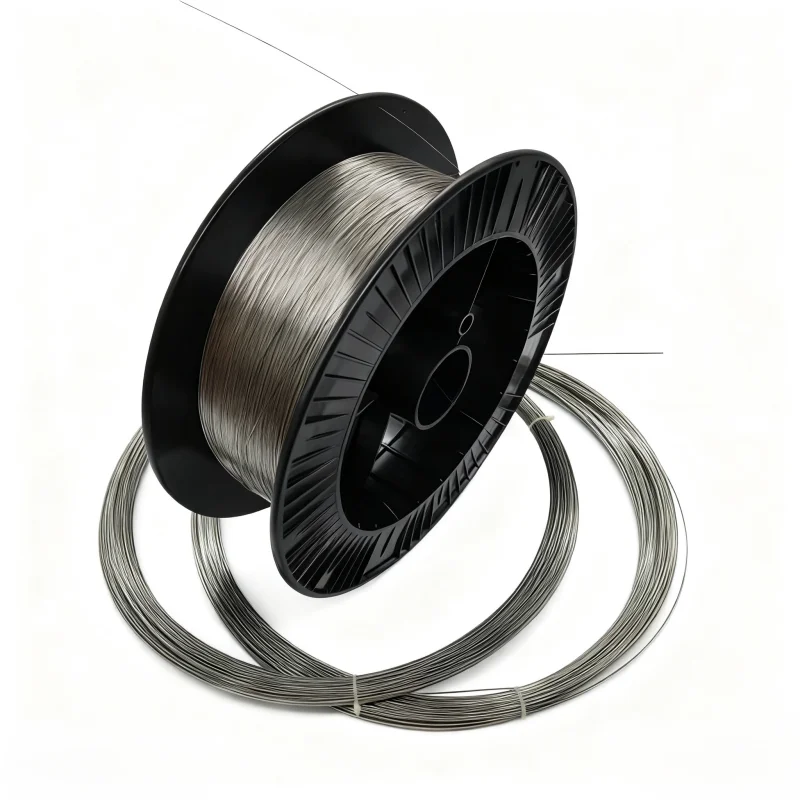
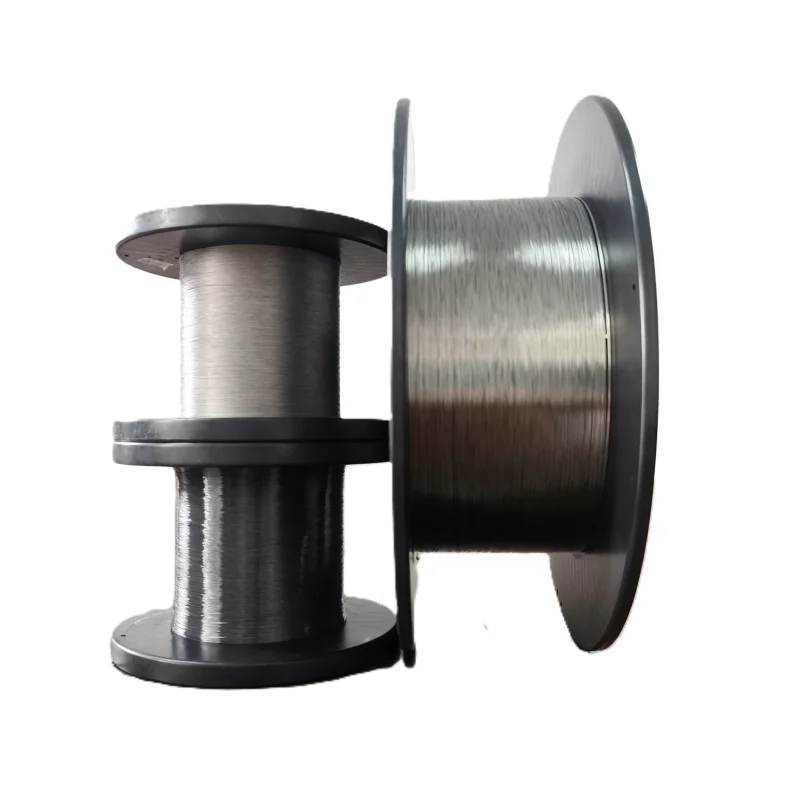
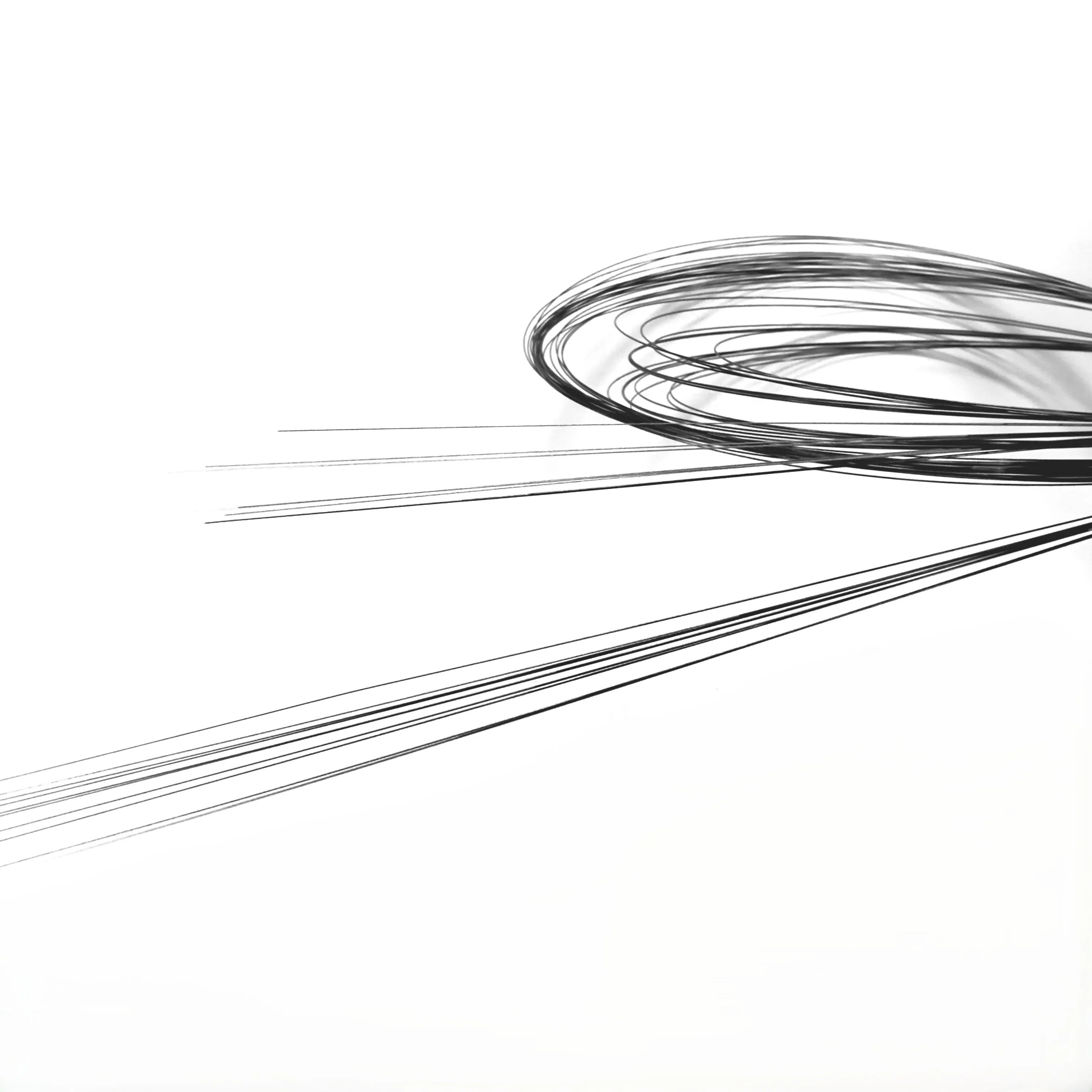
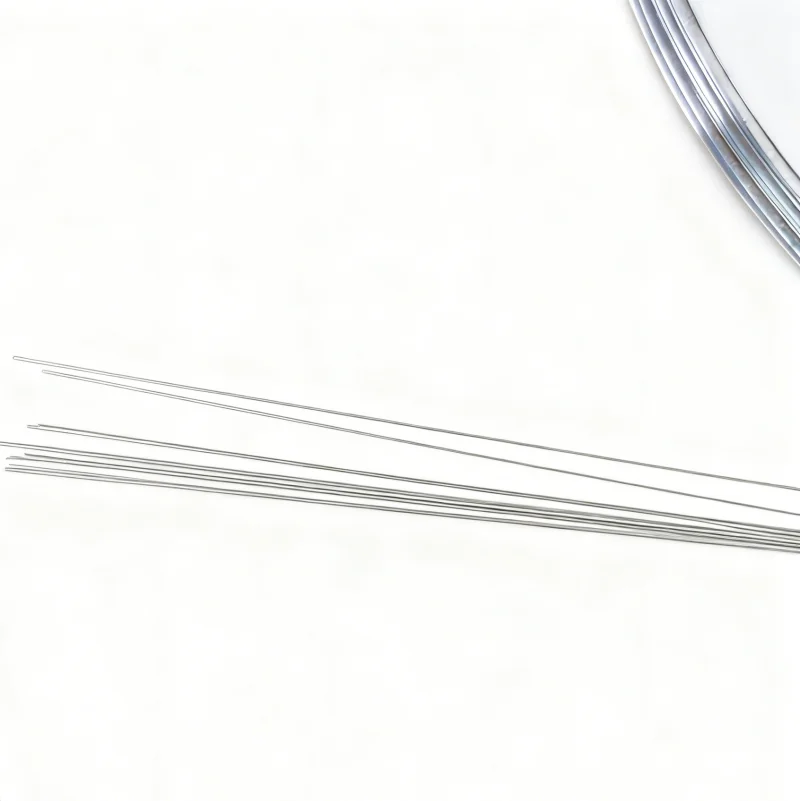
Buy Nitinol Wire: Premium Shape Memory and Superelastic Wire for Medical and Industrial Use

Get a Free Quote

Our representative will contact you soon.
Email
Name
Company Name
Message
0/1000

buy nitinol wire

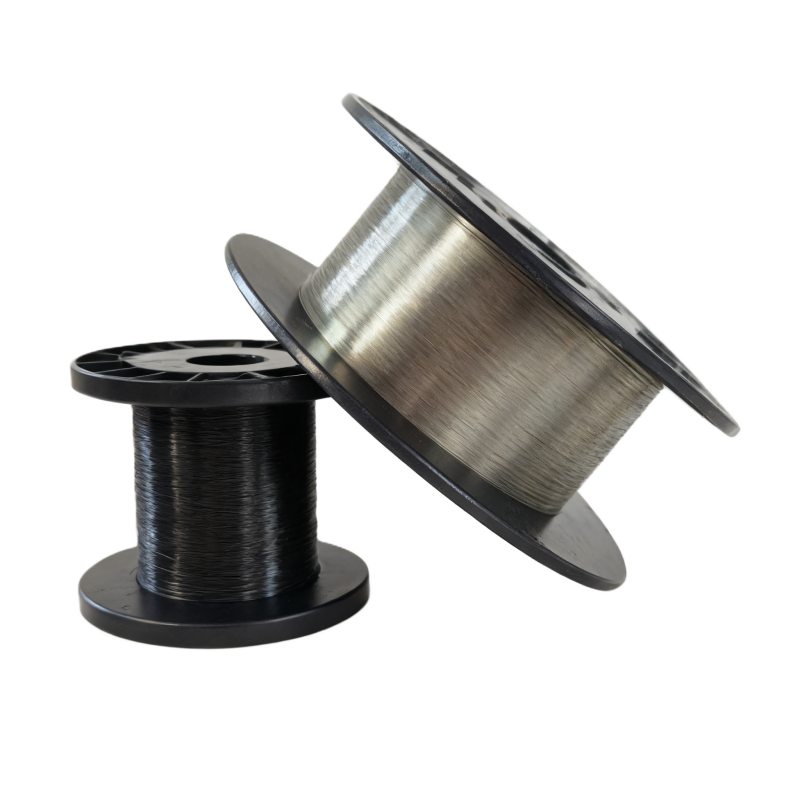
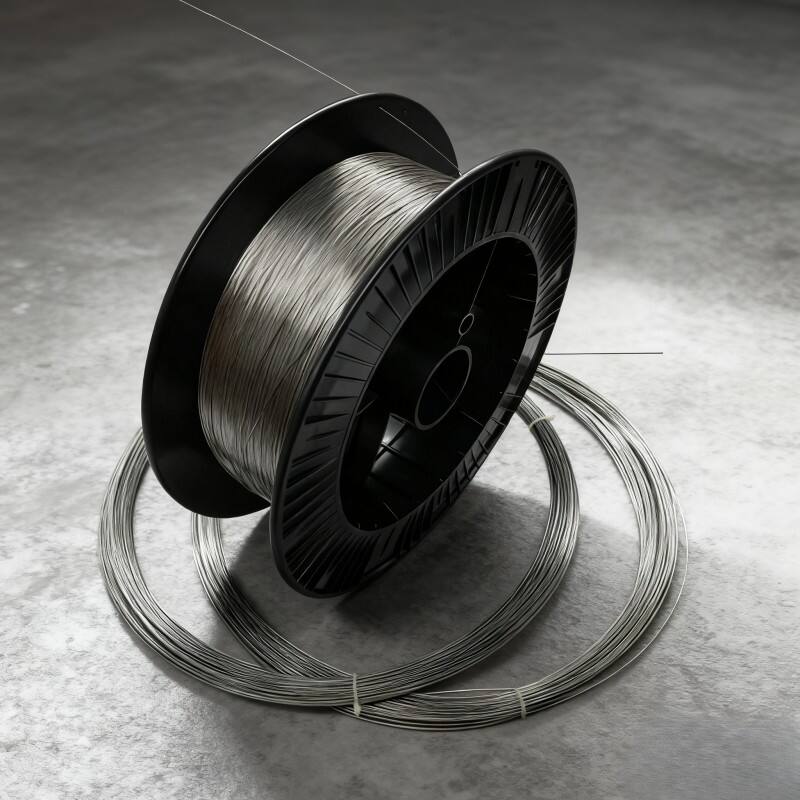
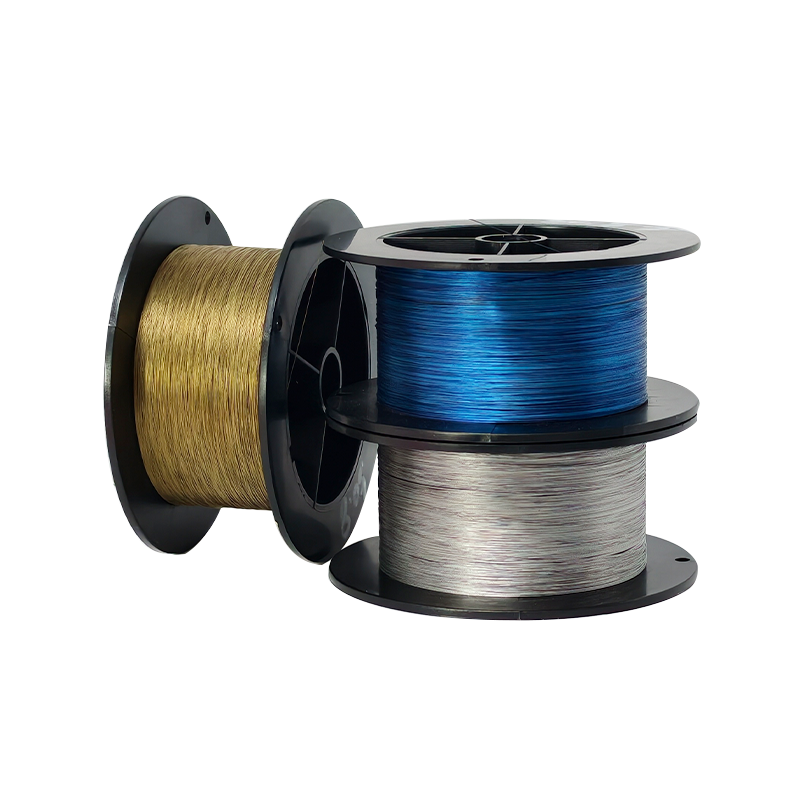
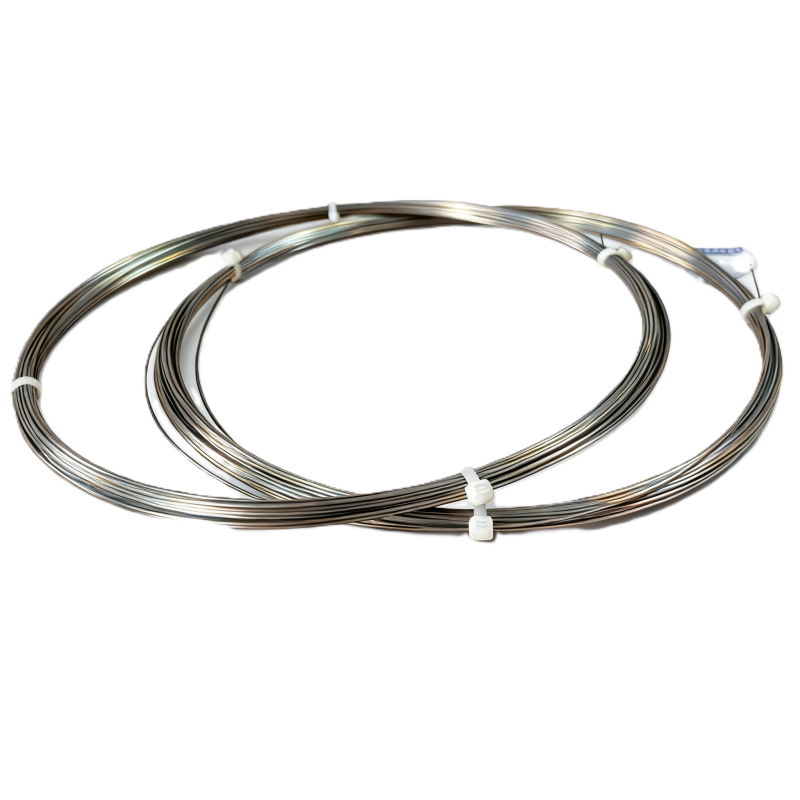
When you buy nitinol wire, you are investing in one of the most remarkable shape memory alloys ever developed. Nitinol, a nickel-titanium alloy discovered in the 1960s at the Naval Ordnance Laboratory, has transformed industries ranging from medical devices to aerospace engineering. The name itself is derived from its composition and origin: Nickel Titanium Naval Ordnance Laboratory. At its core, nitinol wire exhibits two extraordinary properties that set it apart from conventional metals: the shape memory effect and superelasticity. These two characteristics make it a uniquely versatile material that responds dynamically to temperature and mechanical stress in ways that no ordinary wire can replicate. The shape memory effect allows nitinol wire to return to a pre-programmed shape when heated above a specific transformation temperature. This means the wire can be deformed at a lower temperature and will snap back to its original configuration once heat is applied. Superelasticity, on the other hand, allows the wire to undergo significant deformation at a constant temperature and return to its original shape once the stress is removed, without any permanent distortion. This elastic recovery can reach up to 8 percent strain, far exceeding the capabilities of stainless steel or titanium. From a technological standpoint, nitinol wire is produced through precise alloying and thermomechanical processing. The transformation temperature can be engineered to suit specific applications by adjusting the nickel-to-titanium ratio, giving engineers extraordinary control over material behavior. The wire is available in a wide range of diameters, surface finishes, and temper conditions to meet diverse engineering requirements. Applications span across medical devices such as guidewires, stents, and orthodontic archwires, as well as actuators, robotics, eyeglass frames, and aerospace components. When you buy nitinol wire, you gain access to a material that bridges the gap between passive metals and active smart materials, enabling designs that were previously impossible with conventional engineering materials.

Popular Products

Choosing to buy nitinol wire gives you a practical edge that goes far beyond what standard metal wires can offer. Here is a clear breakdown of the real-world benefits that make nitinol wire a smart choice for engineers, designers, medical professionals, and manufacturers alike. First, nitinol wire remembers its shape. This is not a marketing phrase but a physical reality. Once you train the wire to hold a specific geometry, it will return to that shape every time it is heated past its transformation temperature. This means you can build mechanisms that actuate automatically in response to body heat, warm water, or controlled electrical heating. You eliminate the need for motors, gears, or complex mechanical linkages in many applications. The result is simpler designs, fewer failure points, and lower maintenance costs over the product lifecycle. Second, nitinol wire is extraordinarily flexible without breaking. Unlike stainless steel or copper wire, which will permanently bend or snap under repeated stress, nitinol wire springs back to its original form after being stretched, bent, or compressed. This superelastic behavior makes it ideal for applications where the wire must endure thousands of flex cycles without fatigue failure. Medical guidewires, for example, navigate tortuous blood vessels repeatedly without kinking or fracturing, which directly improves patient safety and procedural reliability. Third, buying nitinol wire means you are working with a biocompatible material. Nitinol has been extensively tested and approved for use inside the human body. It does not corrode in biological fluids, does not trigger immune responses in most patients, and maintains its mechanical integrity over long implantation periods. This makes it the material of choice for cardiovascular stents, orthopedic staples, and minimally invasive surgical tools. Fourth, nitinol wire offers excellent corrosion resistance in harsh environments. Whether exposed to saltwater, body fluids, or industrial chemicals, nitinol maintains its surface integrity far better than many competing alloys. This durability translates directly into longer product lifespans and reduced replacement costs. Fifth, the transformation temperature of nitinol wire is tunable. By adjusting the alloy composition during manufacturing, suppliers can produce wire that activates at body temperature, room temperature, or elevated industrial temperatures. When you buy nitinol wire from a reputable supplier, you can specify the exact transformation temperature range you need, giving you precise control over how and when the material responds. Sixth, nitinol wire is lightweight. Compared to steel actuators or mechanical springs performing similar functions, nitinol wire delivers comparable or superior force output at a fraction of the weight. This is a critical advantage in aerospace, wearable technology, and portable medical devices where every gram matters. Seventh, nitinol wire enables miniaturization. Because it can generate significant force relative to its cross-sectional area, engineers can use very thin wire diameters to achieve actuation in extremely compact spaces. This opens the door to micro-robotics, minimally invasive surgical instruments, and next-generation wearable devices that demand both small size and reliable performance. When you buy nitinol wire, you are not simply purchasing a raw material. You are unlocking a new design paradigm that combines intelligence, resilience, and precision in a single slender strand of metal.

Tips And Tricks

Why is high-stability Nitinol the first choice for equipment in extreme conditions?

12

May

Why is high-stability Nitinol the first choice for equipment in extreme conditions?

When equipment must perform reliably under mechanical stress, thermal cycling, and repeated deformation, material selection becomes a critical engineering decision. Nitinol, the nickel-titanium shape memory alloy, has earned a dominant position in de...
View More
Why do orthodontists prefer using orthodontic wire with shape memory?

15

May

Why do orthodontists prefer using orthodontic wire with shape memory?

In modern orthodontic practice, the materials used to move teeth are just as important as the clinical techniques applied. Among the many innovations that have transformed the field, orthodontic wire with shape memory stands out as one of the most cl...
View More
Why is a brand with a 5,000m² factory more professional in Nitinol customization?

22

May

Why is a brand with a 5,000m² factory more professional in Nitinol customization?

When sourcing advanced shape memory alloys for medical devices, aerospace components, or industrial actuators, the manufacturing environment behind a supplier tells you far more than a product catalog ever could. Nitinol customization is a precision-...
View More
How to identify high-quality Nitinol sources with a 21-year background?

01

Jun

How to identify high-quality Nitinol sources with a 21-year background?

Sourcing Nitinol for industrial, medical, or specialty applications is not a decision that should be made lightly. Nitinol, the nickel-titanium shape memory alloy renowned for its superelastic behavior and thermal responsiveness, demands a level of m...
View More

Get a Free Quote

Our representative will contact you soon.
Email
Name
Company Name
Message
0/1000

buy nitinol wire

Shape Memory Effect: Engineering That Responds to the World Around It

Shape Memory Effect: Engineering That Responds to the World Around It

One of the most compelling reasons to buy nitinol wire is its shape memory effect, a property so unique that it fundamentally changes how engineers think about mechanical design. The shape memory effect occurs because nitinol undergoes a reversible phase transformation between two crystalline structures: martensite at lower temperatures and austenite at higher temperatures. When the wire is in its martensitic phase, it is relatively soft and can be deformed easily into a new shape. Once heated above the austenite finish temperature, the crystal structure reverts to its original high-temperature configuration, and the wire physically moves back to its pre-programmed geometry with measurable force. This is not a passive elastic return. The wire actively generates force as it transforms, which means it can do mechanical work. Engineers exploit this property to create actuators that respond to temperature changes without any external power source beyond heat itself. In medical applications, a nitinol wire stent can be compressed into a small catheter at room temperature and then expand to its full diameter once deployed inside a warm blood vessel. In robotics, thin nitinol wire muscles can contract and extend in response to electrical heating, mimicking biological muscle behavior with remarkable fidelity. The shape memory effect can be programmed with high precision. During manufacturing, the wire is constrained in its desired shape and heat-treated at elevated temperatures to set the austenite memory. The transformation temperature can be tuned across a wide range, from well below zero degrees Celsius to above one hundred degrees Celsius, depending on the nickel-to-titanium ratio. This tunability means that when you buy nitinol wire, you can specify a material that activates exactly when and where you need it. The repeatability of the shape memory effect is another critical advantage. Properly processed nitinol wire can cycle through thousands of shape memory transformations without significant degradation in recovery force or displacement. This long cycle life makes it suitable for applications demanding sustained reliability, such as implantable medical devices, aerospace actuators, and industrial automation systems. For any application where a material needs to sense a temperature change and respond with physical movement, buying nitinol wire provides a solution that is elegant, reliable, and proven across decades of real-world deployment.
Superelasticity: Flexibility and Recovery That Outlasts Conventional Metals

Superelasticity: Flexibility and Recovery That Outlasts Conventional Metals

Superelasticity is the second defining property that makes it worthwhile to buy nitinol wire, and it is arguably the feature that has driven the widest range of commercial applications. Superelastic nitinol wire can be bent, stretched, or compressed to strains of up to 8 percent and will return completely to its original shape once the load is removed, all at a constant body or room temperature with no heating required. To put this in perspective, stainless steel begins to permanently deform at strains of less than 1 percent. Nitinol wire can absorb eight times that deformation and recover fully, cycle after cycle, without accumulating fatigue damage at the same rate as conventional metals. This property arises from the same martensitic phase transformation that drives the shape memory effect, but in the superelastic case, the transformation is triggered by mechanical stress rather than temperature change. When stress is applied, the austenite structure transforms locally to martensite, accommodating the deformation. When the stress is released, the martensite reverts to austenite and the wire springs back. The practical implications of superelasticity are enormous. In the medical field, superelastic nitinol guidewires navigate through the complex curves of the cardiovascular and neurological systems without kinking. Orthodontic archwires made from nitinol apply a gentle, continuous force to teeth over a wide range of deflection, reducing patient discomfort and the number of required adjustment appointments. In consumer products, nitinol wire is used in eyeglass frames that can be twisted and bent dramatically without permanent deformation, surviving the rough handling that ordinary frames cannot. In industrial settings, superelastic nitinol wire is used in flexible couplings, vibration dampers, and connectors that must maintain reliable contact under repeated mechanical cycling. The fatigue resistance of superelastic nitinol wire is a direct economic benefit. Products built with nitinol wire last longer, require less frequent replacement, and reduce warranty claims and maintenance costs. When you buy nitinol wire for a high-cycle application, you are making a long-term investment in product durability that pays dividends over the entire service life of the end product. Superelasticity also enables designs that are simply not achievable with any other material, making nitinol wire not just a better choice but often the only viable choice for demanding flexible applications.
Biocompatibility and Corrosion Resistance: Safe, Durable, and Built for Demanding Environments

Biocompatibility and Corrosion Resistance: Safe, Durable, and Built for Demanding Environments

A third major reason to buy nitinol wire is its outstanding biocompatibility and corrosion resistance, properties that make it the preferred material for medical implants and devices operating in chemically aggressive environments. Nitinol wire has been used inside the human body for decades, and its safety profile is well established through extensive clinical research and regulatory approvals worldwide. The material does not provoke significant inflammatory or immune responses in most patients, does not leach harmful ions at clinically relevant rates under normal conditions, and maintains its mechanical properties throughout long implantation periods. This biocompatibility is rooted in the stable titanium oxide layer that forms naturally on the surface of nitinol wire. This passive oxide layer acts as a barrier between the nickel content of the alloy and the surrounding biological tissue or fluid, preventing corrosion and minimizing ion release. Proper surface finishing and electropolishing during manufacturing further enhance this protective layer, and reputable suppliers of nitinol wire apply rigorous quality controls to ensure consistent surface quality across every batch. Beyond the medical field, the corrosion resistance of nitinol wire makes it valuable in marine, chemical processing, and outdoor environments where moisture, salt, and reactive chemicals would rapidly degrade ordinary steel or copper wire. Nitinol wire retains its surface integrity and mechanical performance in conditions that would cause significant corrosion in competing materials, reducing the need for protective coatings or frequent replacement. For engineers designing products that must operate reliably in the human body or in harsh external environments, the decision to buy nitinol wire is a decision to prioritize long-term performance and safety. The combination of biocompatibility, corrosion resistance, shape memory, and superelasticity in a single material is unique to nitinol, and it explains why this alloy has become indispensable in cardiovascular stents, surgical instruments, orthopedic devices, and a growing range of industrial applications where reliability under stress is non-negotiable. Buying nitinol wire means choosing a material that has been validated by decades of clinical and industrial use, giving you confidence that your product will perform as designed throughout its intended service life.
Buy Nitinol Wire: Premium Shape Memory and Superelastic Wire for Medical and Industrial Use

Get a Free Quote

Our representative will contact you soon.
Email
Name
Company Name
Message
0/1000
Newsletter
Please Leave A Message With Us