arch wire
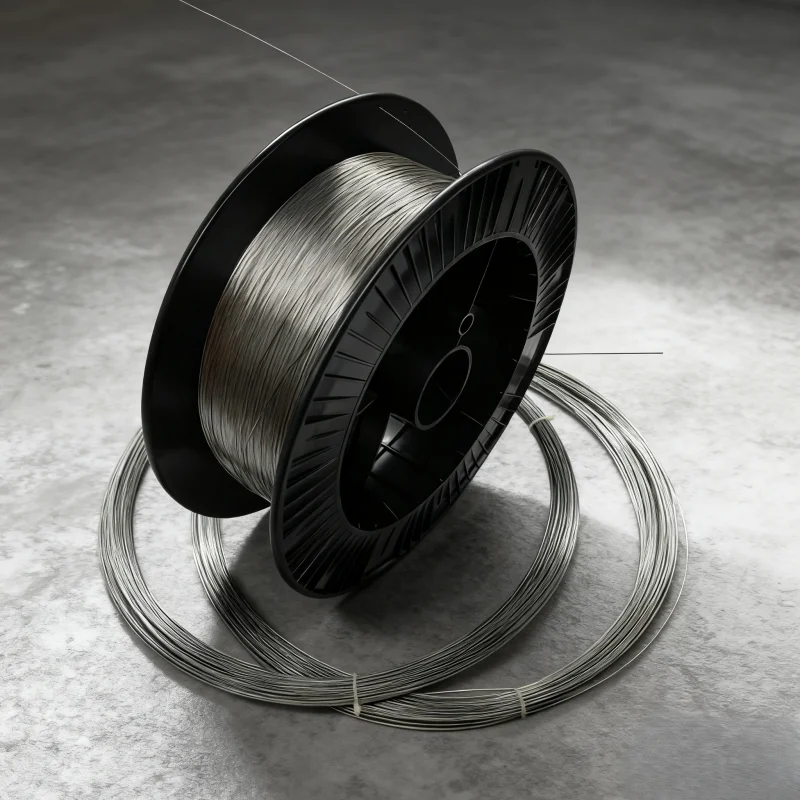
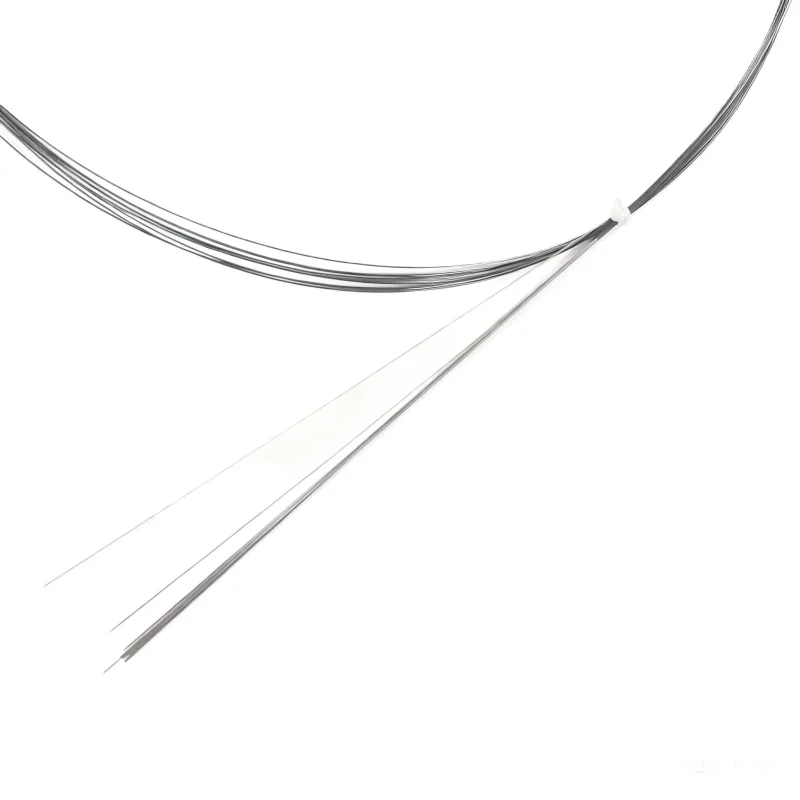
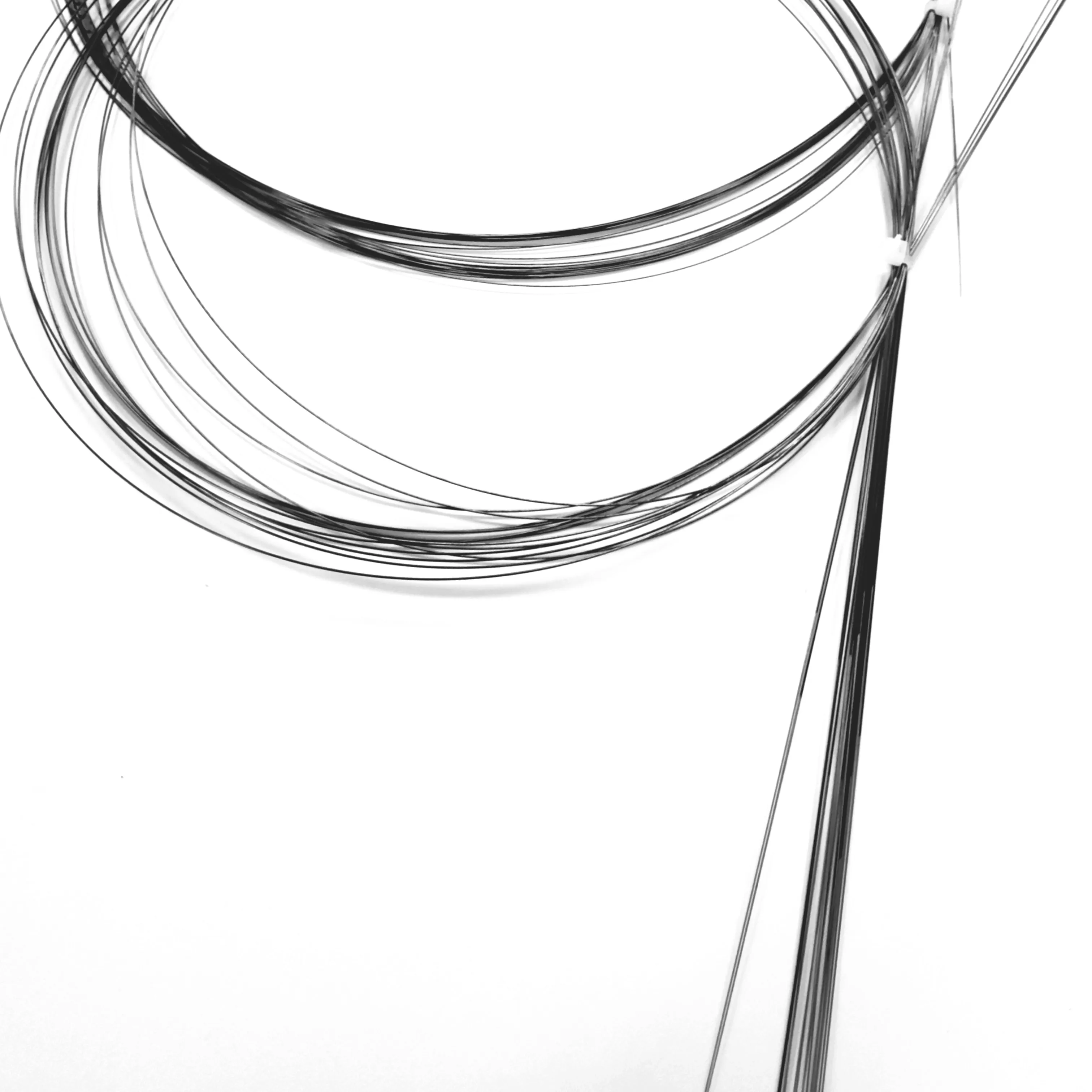
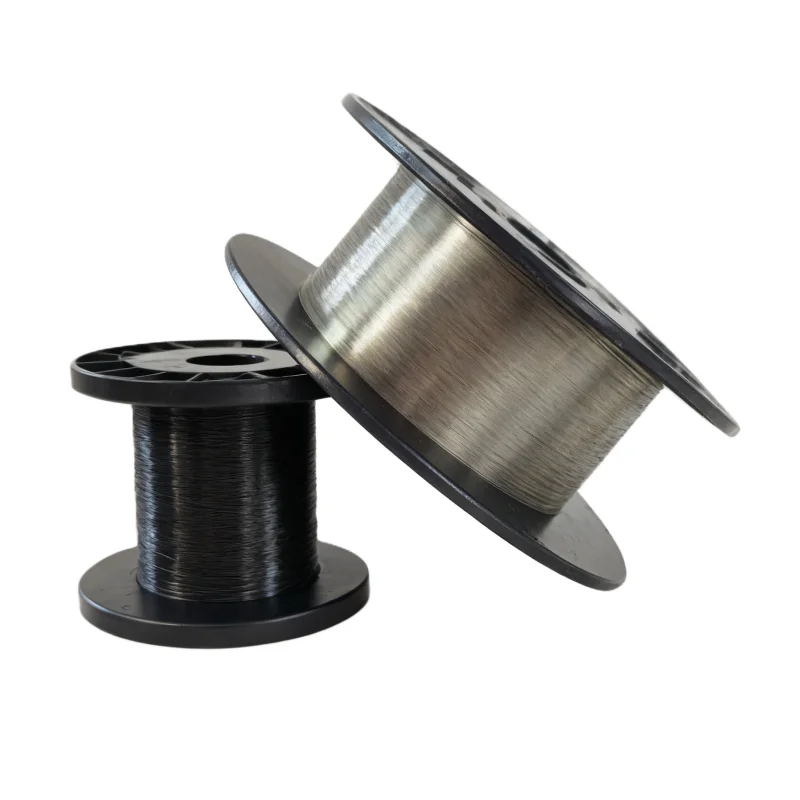
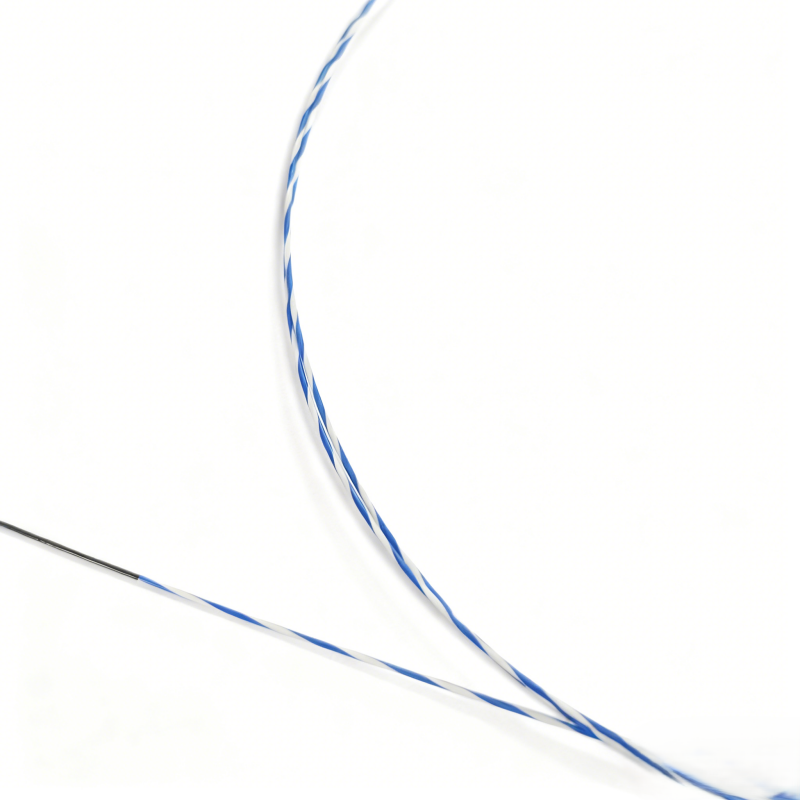
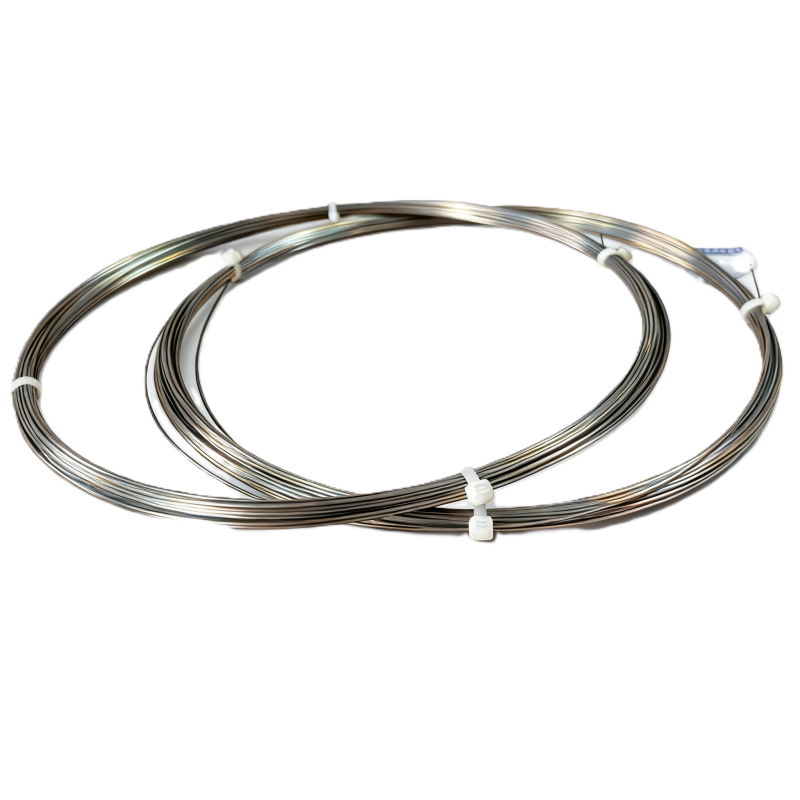
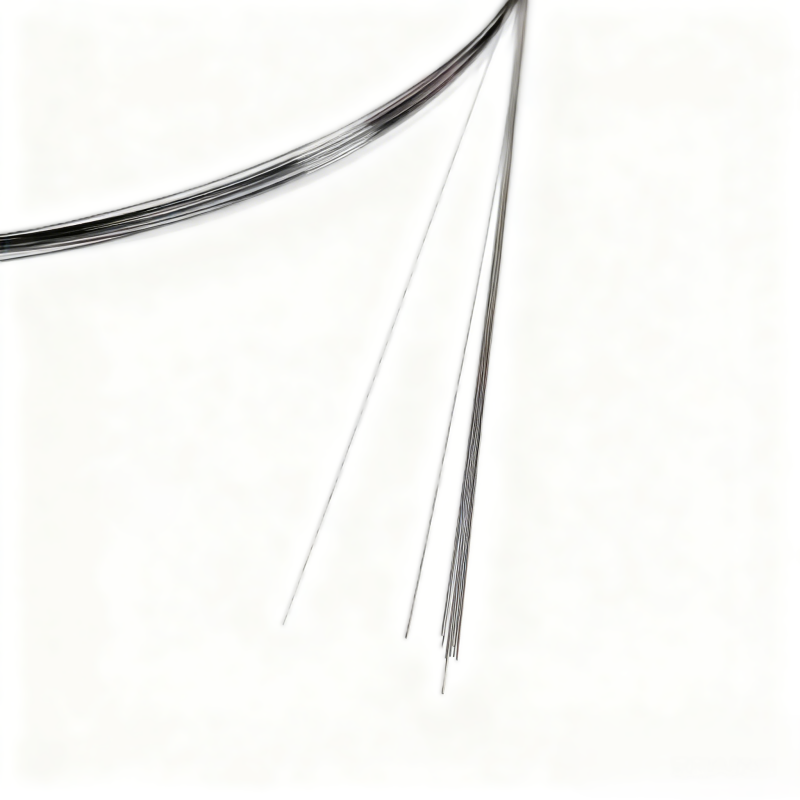
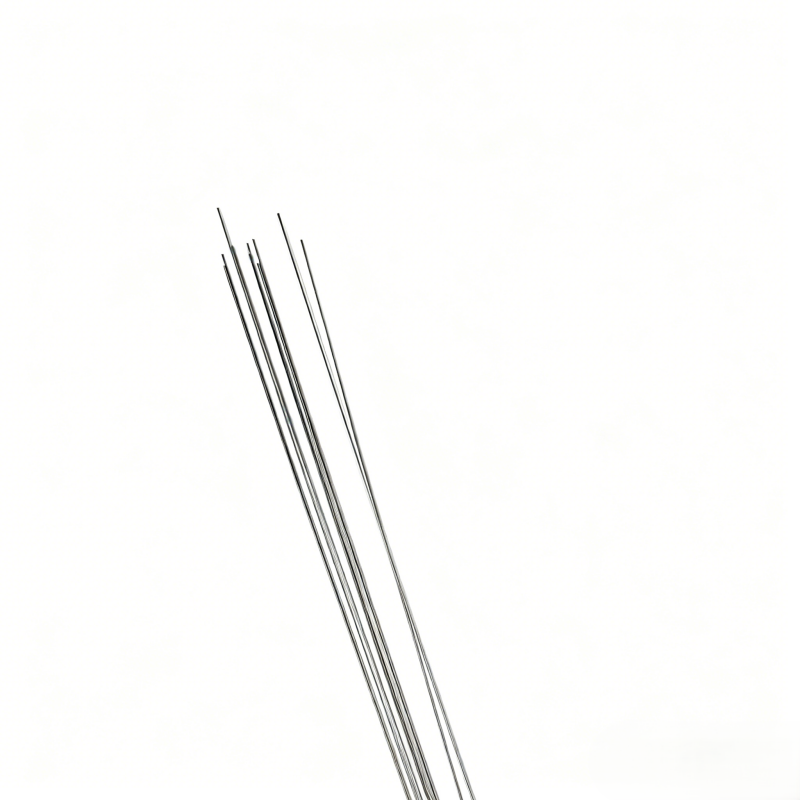
An arch wire represents a fundamental component in orthodontic treatment, serving as the primary force-delivery mechanism that guides teeth into their desired positions. This thin, flexible yet resilient wire connects to orthodontic brackets and spans across the dental arch, creating a blueprint for tooth movement. The arch wire functions as the backbone of orthodontic correction, transmitting controlled forces to individual teeth while maintaining the overall structural integrity of the treatment plan. Modern arch wire technology incorporates advanced metallurgical innovations that allow for precise, predictable tooth movement with enhanced patient comfort. The main functions of an arch wire include establishing proper tooth alignment, correcting bite irregularities, closing gaps between teeth, and creating harmonious dental arch form. Through its unique elastic properties, the arch wire applies continuous gentle pressure that stimulates bone remodeling, enabling teeth to shift gradually into optimal positions. Technological features of contemporary arch wire designs include shape memory capabilities, superelasticity, and biocompatible materials that minimize adverse reactions. These wires come in various dimensions, cross-sectional shapes, and material compositions to address different stages of orthodontic treatment. Round arch wire variants typically initiate treatment by providing light forces for initial alignment, while rectangular configurations offer greater control during finishing stages. The applications of arch wire extend across diverse orthodontic scenarios, from simple crowding correction to complex malocclusion management. Orthodontists select specific arch wire characteristics based on individual patient needs, treatment phase, and desired tooth movement patterns. The evolution of arch wire technology has revolutionized orthodontic care, reducing treatment duration and improving outcomes. Material science advancements have produced arch wire options with optimal force-deflection ratios, ensuring efficient tooth movement while maintaining patient comfort throughout the correction process.

 EN
EN