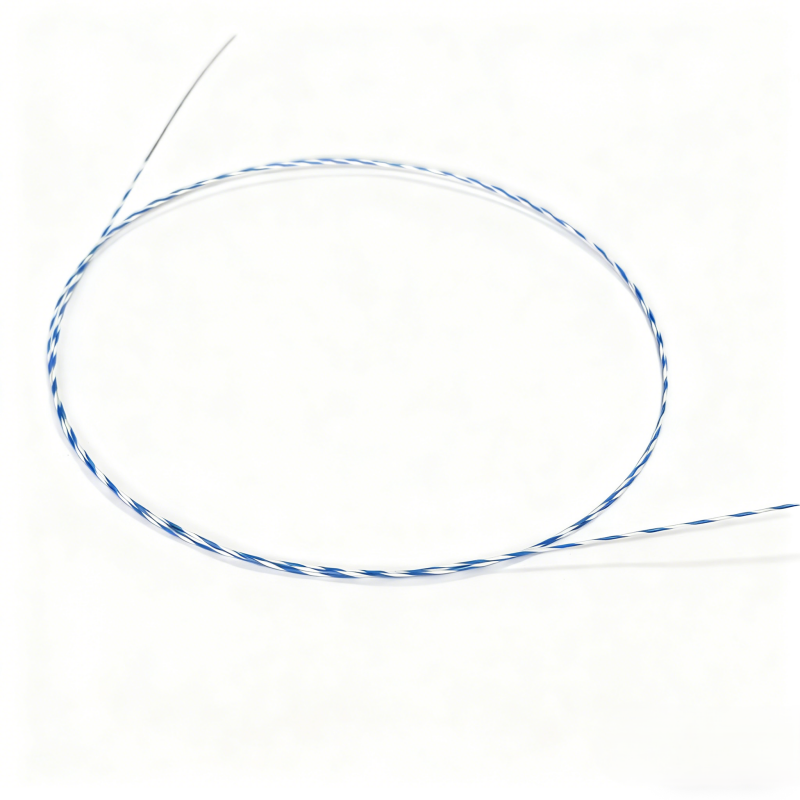
dental arch wire
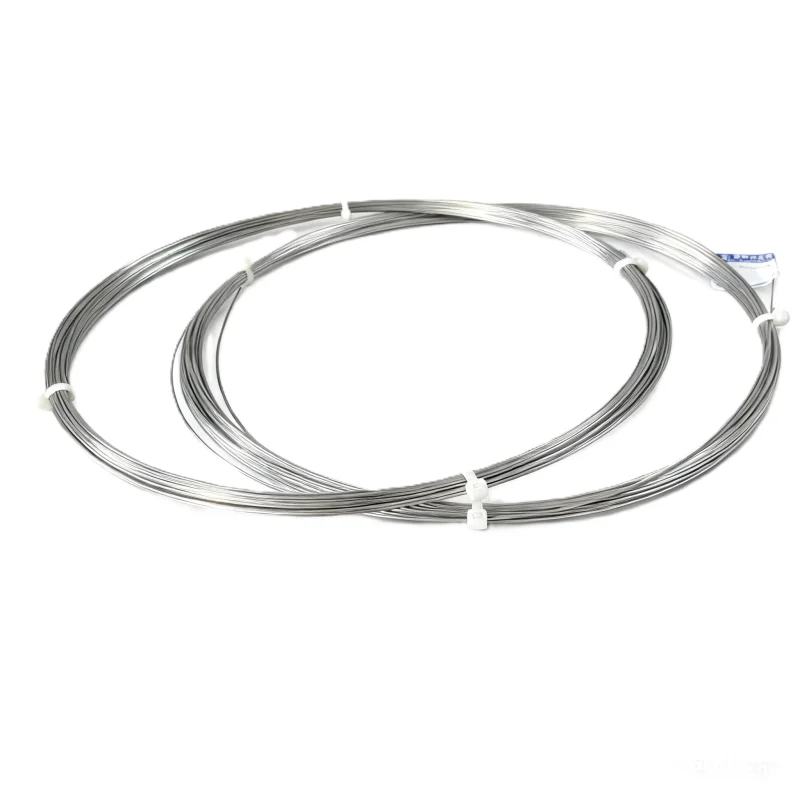
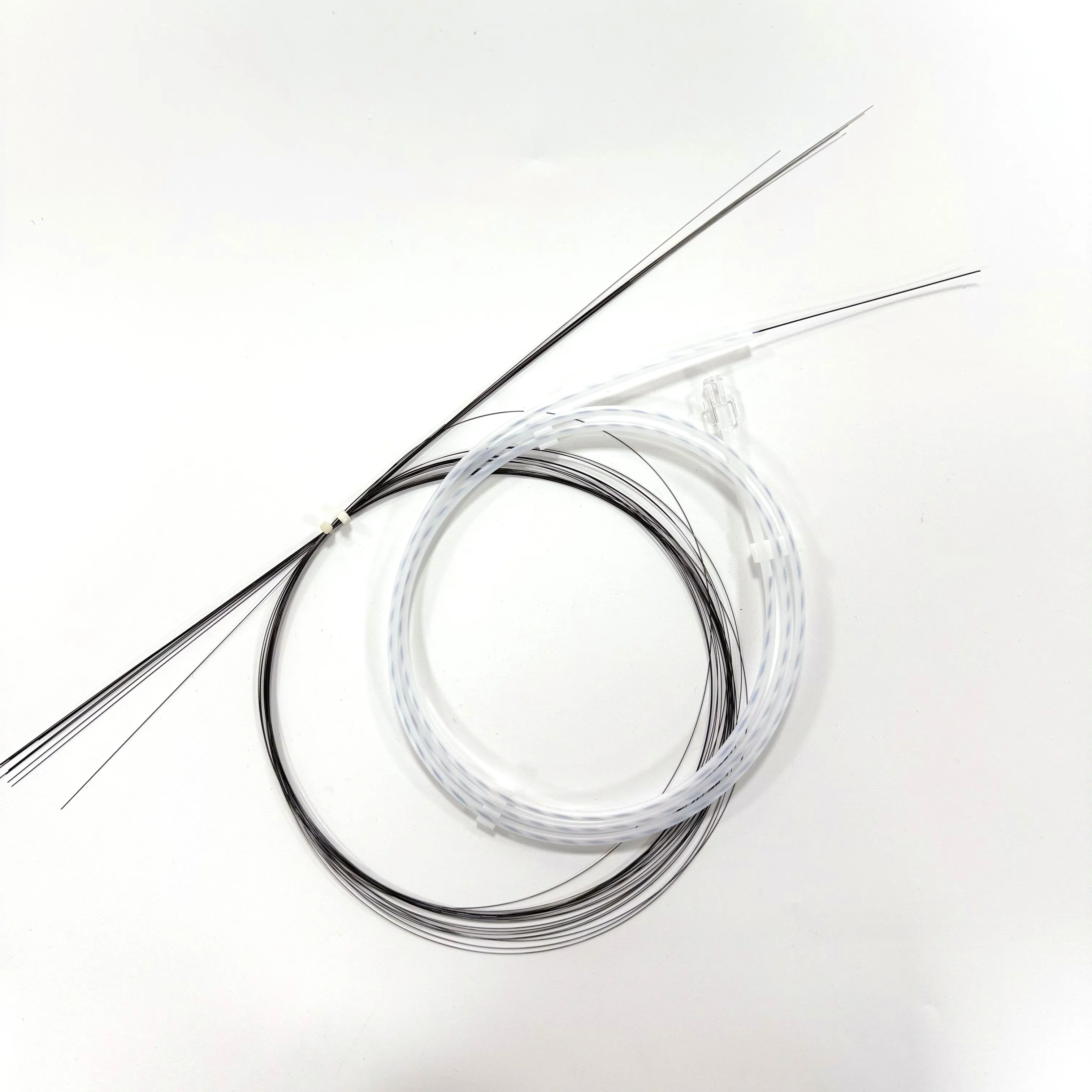
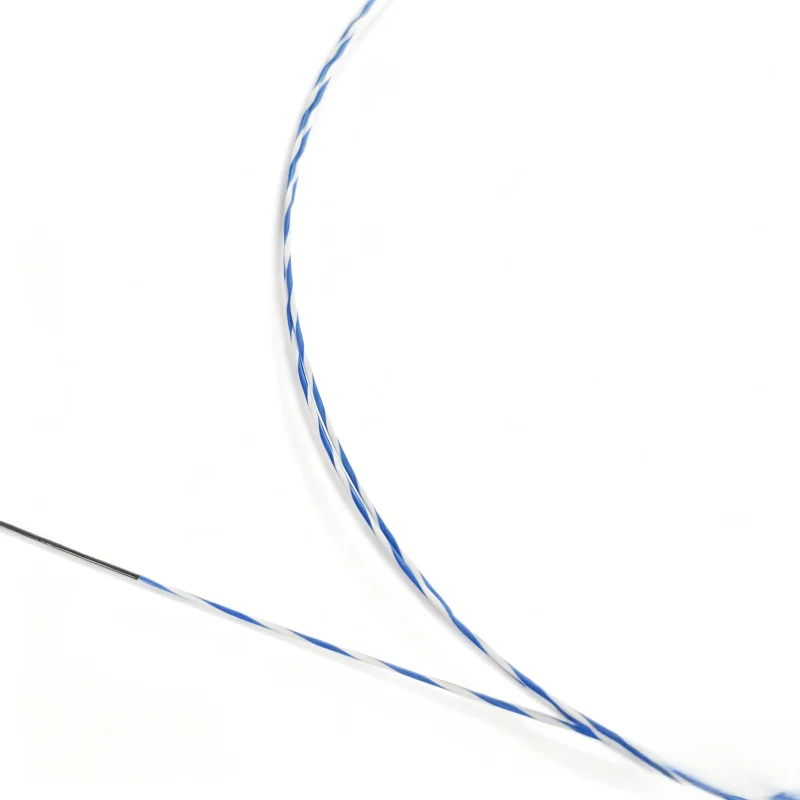
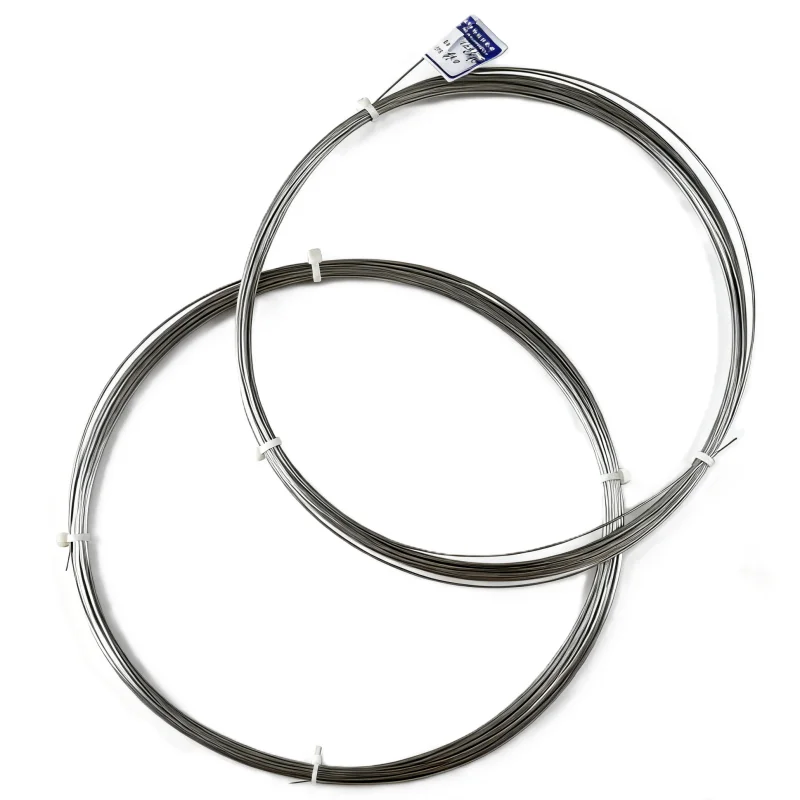
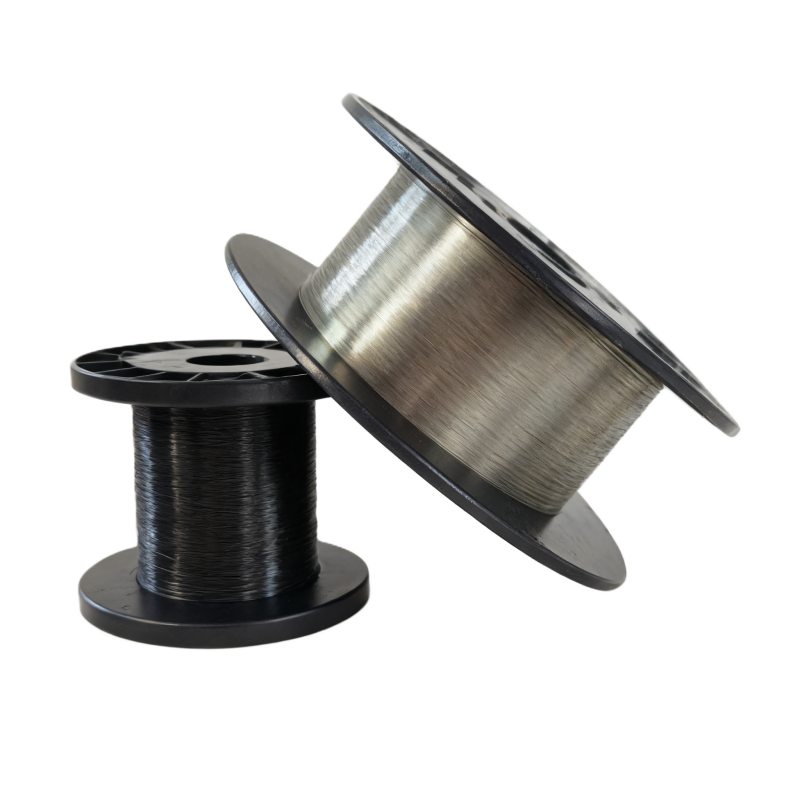
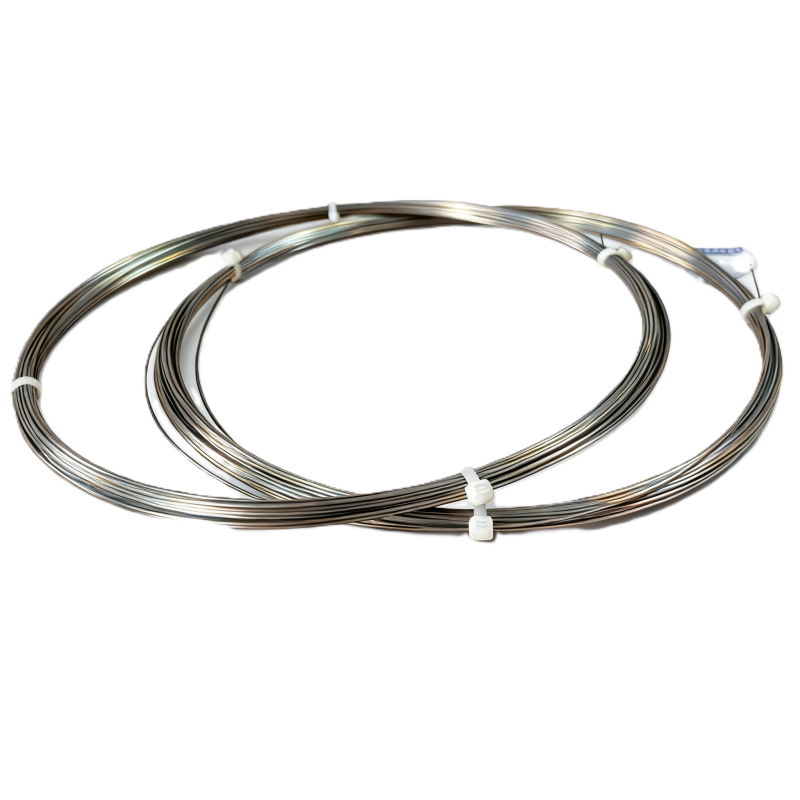
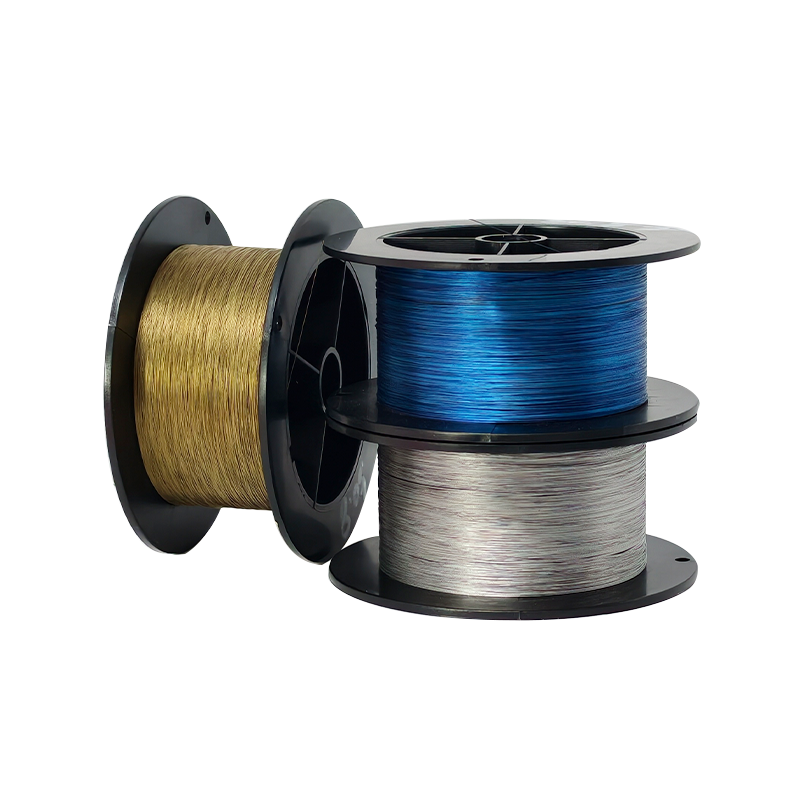
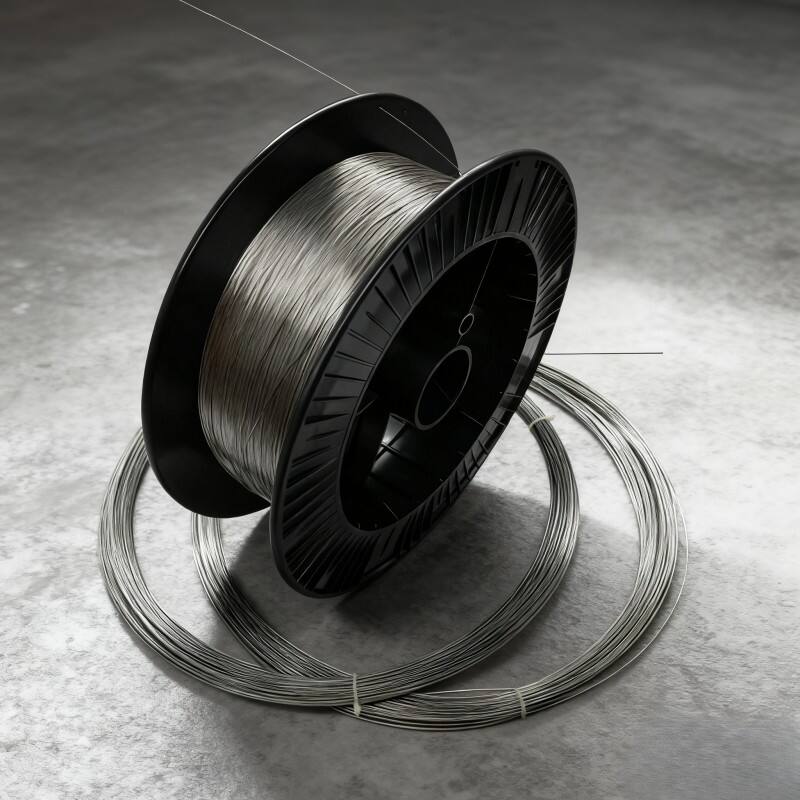
A dental arch wire serves as a fundamental component in orthodontic treatment, playing a crucial role in guiding teeth into their desired positions throughout the correction process. This specialized wire connects to brackets that are bonded to individual teeth, creating a comprehensive system that applies controlled pressure to move teeth gradually over time. The dental arch wire acts as the primary force-generating element in braces, transmitting carefully calculated pressures that encourage bone remodeling and tooth movement. Modern dental arch wires are engineered from advanced materials including stainless steel, nickel-titanium alloys, and beta-titanium, each offering distinct mechanical properties suited to different treatment phases. The main functions of a dental arch wire encompass alignment of crowded or spaced teeth, correction of bite irregularities, establishment of proper arch form, and maintenance of treatment results. Technologically, these wires feature shape memory characteristics that allow them to return to their predetermined form even after deformation, superelasticity that provides consistent gentle forces over extended activation ranges, and biocompatibility that ensures safe long-term contact with oral tissues. The cross-sectional geometry of a dental arch wire varies from round to rectangular, with each shape serving specific treatment objectives. Round wires facilitate initial alignment and leveling, while rectangular wires provide torque control for precise root positioning in later treatment stages. Temperature-sensitive materials respond to oral environment conditions, becoming more flexible at body temperature to enhance patient comfort. Clinical applications of the dental arch wire span comprehensive orthodontic cases including malocclusion correction, space closure following extractions, arch expansion procedures, and retention of completed treatments. Orthodontists select specific dental arch wire dimensions and materials based on individual patient anatomy, treatment complexity, required force levels, and expected duration of each treatment phase, ensuring optimal outcomes through personalized wire selection strategies.

 EN
EN