Nitinol Archwire: Advanced Orthodontic Solutions for Comfortable and Efficient Treatment

Get a Free Quote

Our representative will contact you soon.
Email
Name
Company Name
Message
0/1000

nitinol archwire

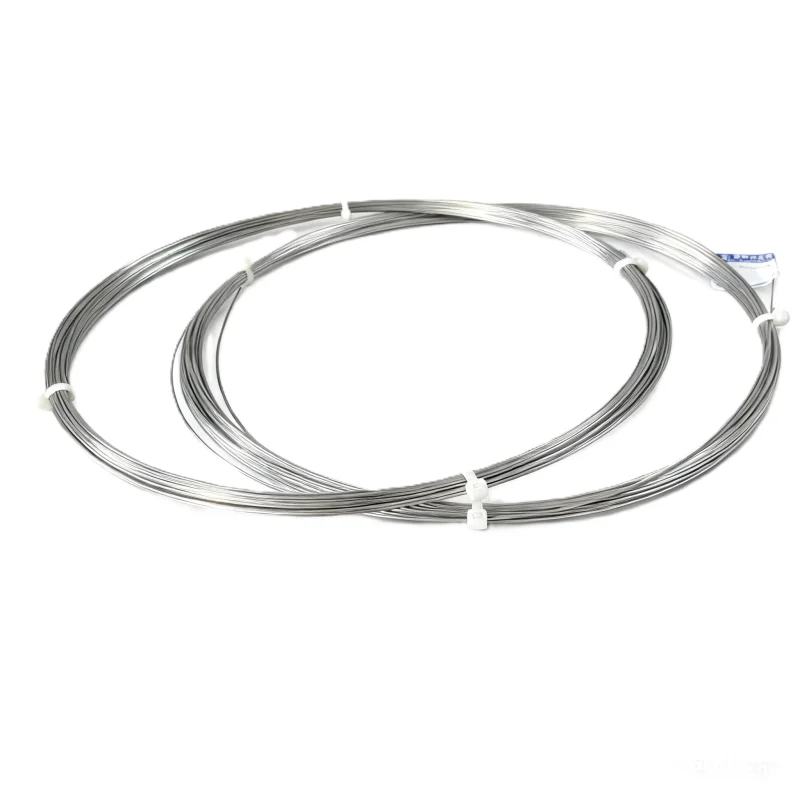
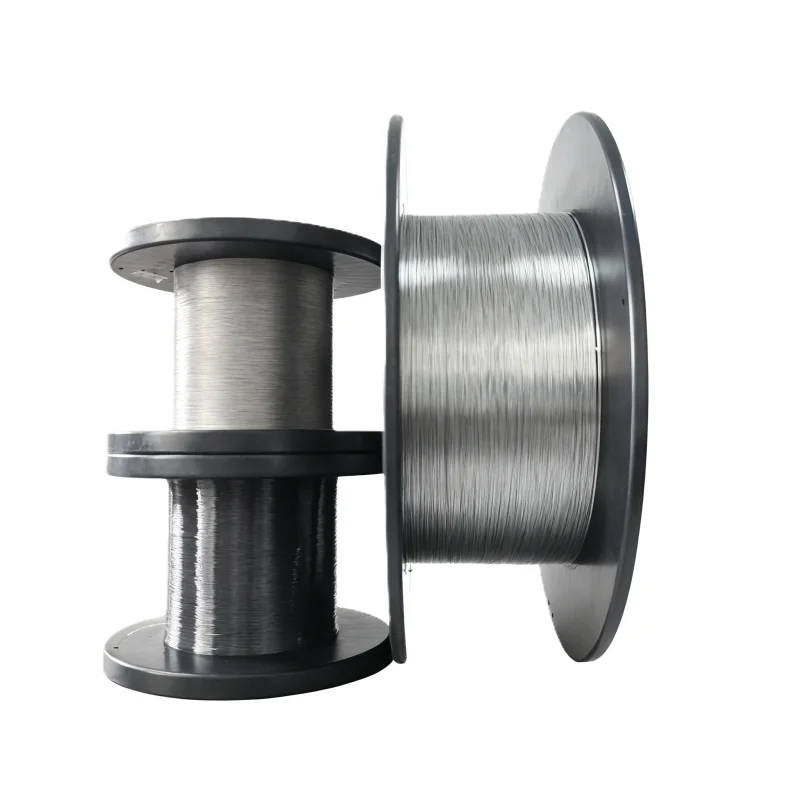
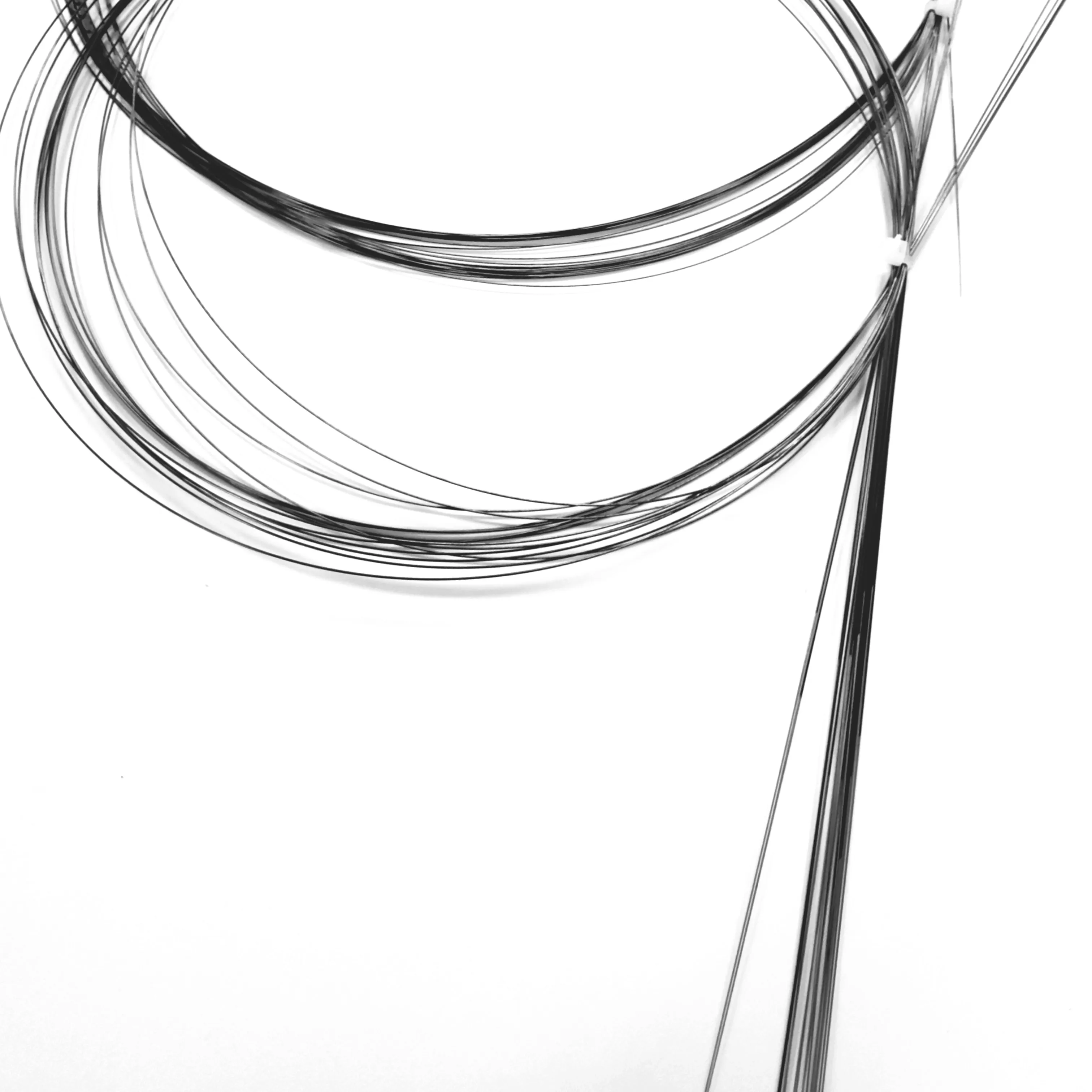
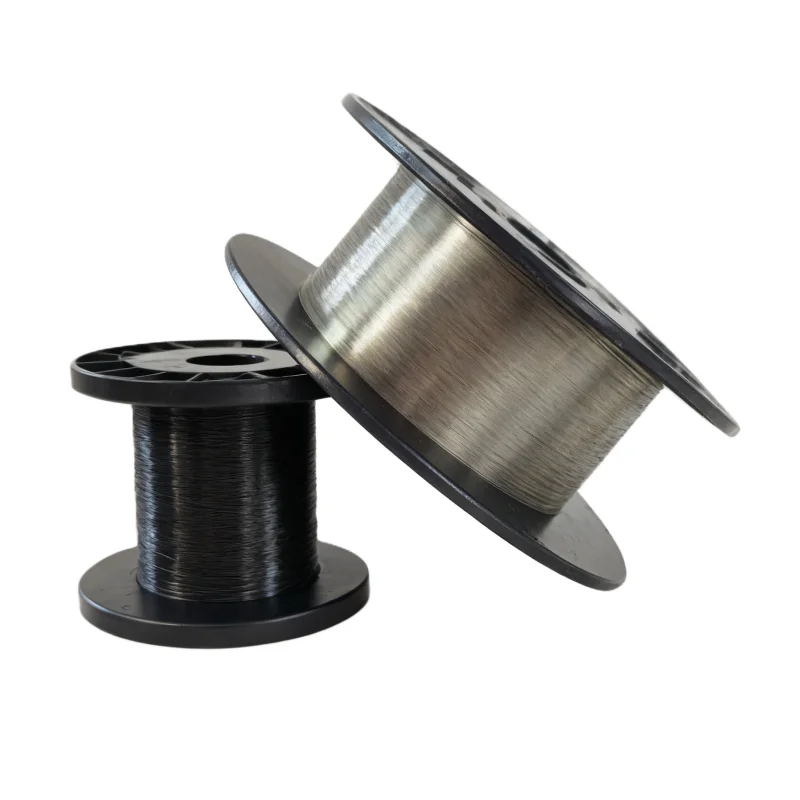
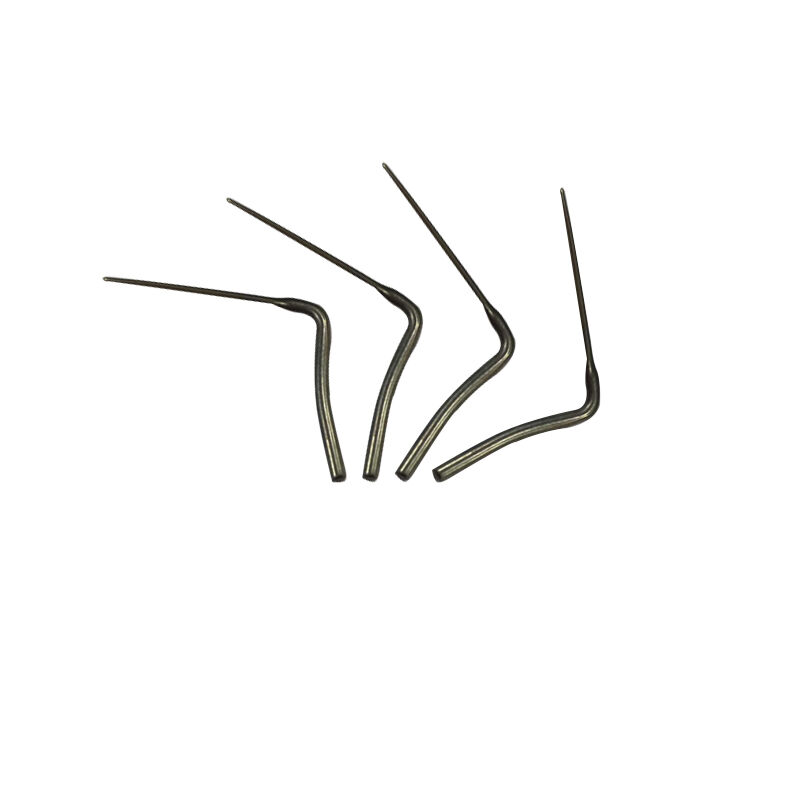
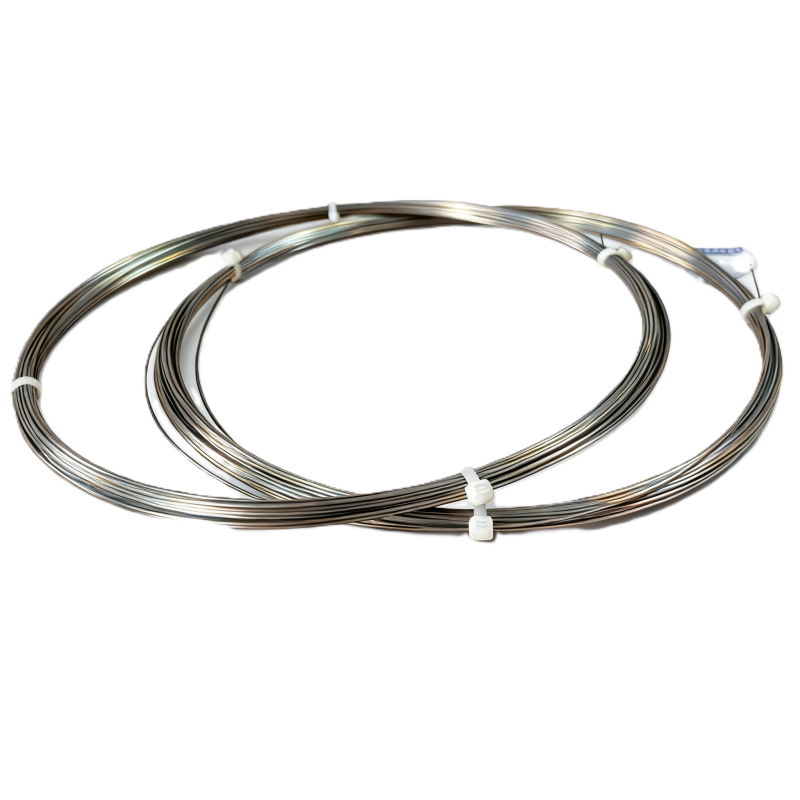
Nitinol archwire represents a revolutionary advancement in orthodontic treatment technology, combining superior material properties with exceptional clinical performance. This specialized wire is crafted from nitinol, a unique nickel-titanium alloy that exhibits remarkable shape memory and superelastic characteristics. The nitinol archwire has become an essential component in modern orthodontic practices, offering practitioners and patients alike a more efficient and comfortable treatment experience. The primary function of the nitinol archwire is to apply consistent, gentle forces to teeth over extended periods, facilitating gradual tooth movement toward their desired positions. Unlike traditional stainless steel wires, the nitinol archwire maintains its effectiveness throughout the treatment cycle, reducing the frequency of adjustments and office visits. The technological features of this innovative wire stem from its composition, which typically contains approximately fifty-five percent nickel and forty-five percent titanium. This precise ratio creates a material that can withstand significant deformation while returning to its original shape when stress is removed. The superelastic property allows the nitinol archwire to bend considerably without permanent deformation, making it ideal for correcting complex malocclusions and severe crowding. Applications of nitinol archwire extend across various orthodontic scenarios, from initial alignment phases to final detailing stages. Orthodontists commonly employ these wires during early treatment stages when maximum flexibility is required to accommodate misaligned teeth. The wire's ability to maintain constant force delivery ensures continuous tooth movement, even as teeth shift positions. Additionally, the nitinol archwire proves invaluable in treating patients with sensitive teeth or low pain thresholds, as its gentle force application minimizes discomfort. The biocompatibility of nitinol makes it suitable for long-term intraoral use, reducing risks of adverse reactions. Modern manufacturing techniques have enabled the production of nitinol archwires in various cross-sectional shapes and dimensions, allowing orthodontists to customize treatment approaches based on individual patient needs.

Popular Products

The nitinol archwire delivers numerous practical benefits that directly impact treatment outcomes and patient satisfaction. First and foremost, this advanced wire significantly reduces treatment time compared to conventional alternatives. Patients experience faster results because the nitinol archwire applies optimal forces consistently throughout the treatment period, eliminating the efficiency losses associated with traditional wires that require frequent replacements and adjustments. The economic advantage becomes evident when considering fewer office visits translate to reduced overall treatment costs and less time away from work or school for patients. Comfort stands as another major benefit that patients immediately notice. The nitinol archwire generates lighter, more biologically favorable forces that work with the body's natural tooth movement mechanisms rather than against them. This gentler approach means less soreness after adjustments and a more pleasant overall orthodontic experience. Many patients report they can return to normal eating habits more quickly after appointments when treated with nitinol archwire compared to traditional options. The wire's flexibility allows it to navigate around severely misaligned teeth without causing excessive pressure on any single tooth, distributing forces evenly across the dental arch. Durability represents a significant practical advantage for both patients and practitioners. The nitinol archwire resists permanent deformation even under substantial stress, maintaining its clinical effectiveness longer than stainless steel alternatives. This resilience means the wire continues working efficiently between appointments, maximizing the value of each treatment phase. The shape memory property ensures that even if the wire bends during eating or oral hygiene activities, it returns to its programmed configuration, maintaining treatment progress. Hygiene maintenance becomes easier with nitinol archwire because its smooth surface resists plaque accumulation and facilitates thorough cleaning. Patients find brushing and flossing more manageable, which contributes to better oral health throughout orthodontic treatment. The wire's corrosion resistance ensures it maintains its integrity in the oral environment, preventing degradation that could compromise treatment effectiveness or cause aesthetic concerns. Temperature sensitivity of the nitinol archwire actually provides therapeutic benefits, as the wire becomes more flexible when exposed to cold and more active at body temperature, creating a responsive treatment system that adapts to the oral environment. This characteristic allows patients to consume cold beverages or foods to temporarily reduce wire activity if they experience sensitivity. The predictability of treatment outcomes improves substantially with nitinol archwire because its consistent force delivery eliminates many variables that affect traditional wire performance, allowing orthodontists to plan treatment timelines more accurately and set realistic expectations for patients.

Tips And Tricks

Why do full-process manufacturers provide higher performance Nitinol SMA?

20

May

Why do full-process manufacturers provide higher performance Nitinol SMA?

When engineers and procurement specialists evaluate materials for high-precision medical devices, aerospace components, or advanced actuator systems, the source of the material matters as much as the material itself. Nitinol SMA — the nickel-titanium...
View More
How to utilize one-way and two-way memory in precision medical components?

21

May

How to utilize one-way and two-way memory in precision medical components?

In the development of precision medical components, material intelligence is no longer a concept reserved for science fiction. nitinol wire has fundamentally changed how engineers and medical device designers approach the challenge of building compon...
View More
How to identify high-quality Nitinol sources with a 21-year background?

01

Jun

How to identify high-quality Nitinol sources with a 21-year background?

Sourcing Nitinol for industrial, medical, or specialty applications is not a decision that should be made lightly. Nitinol, the nickel-titanium shape memory alloy renowned for its superelastic behavior and thermal responsiveness, demands a level of m...
View More
Why should you prioritize the manufacturer's R&D center when choosing partners?

02

Jun

Why should you prioritize the manufacturer's R&D center when choosing partners?

When evaluating potential manufacturing partners, most procurement teams focus on price, lead time, and production capacity. These are legitimate criteria, but they often overlook one of the most telling indicators of long-term value: the strength an...
View More

Get a Free Quote

Our representative will contact you soon.
Email
Name
Company Name
Message
0/1000

nitinol archwire

Superior Shape Memory and Superelasticity for Optimal Tooth Movement

Superior Shape Memory and Superelasticity for Optimal Tooth Movement

The most distinguishing characteristic of nitinol archwire lies in its exceptional shape memory effect and superelastic properties, which fundamentally transform how orthodontic forces are delivered to teeth. This unique combination allows the nitinol archwire to return to its predetermined shape after being deformed, creating a consistent force system that works continuously to guide teeth into proper alignment. When an orthodontist places a nitinol archwire into brackets on misaligned teeth, the wire bends and twists to accommodate the irregular positions. However, unlike conventional wires that would either break or permanently deform under such stress, the nitinol archwire maintains its memory of the ideal arch form and persistently works to resume that shape. This persistent gentle pressure translates into efficient tooth movement without the sharp force spikes that characterize traditional wire systems. The superelastic behavior means the nitinol archwire can undergo significant strain, up to eight percent deformation, while maintaining relatively constant stress levels. This plateau region in the stress-strain curve represents the ideal force range for biological tooth movement, typically between fifty and three hundred grams depending on the tooth type and movement required. The clinical significance cannot be overstated because this characteristic eliminates the problem of force decay that plagues conventional wires. With stainless steel wires, the initial force drops rapidly as teeth begin moving, requiring frequent reactivation through wire changes or adjustments. The nitinol archwire maintains its effectiveness throughout the entire movement range, ensuring continuous progress between appointments. This efficiency reduces total treatment duration and improves patient compliance since appointments become less frequent and less uncomfortable. The shape memory activates at oral temperature, meaning the nitinol archwire reaches its full working potential once placed in the mouth, providing immediate therapeutic benefit. Orthodontists can pre-program specific configurations into the nitinol archwire during manufacturing, creating customized arch forms that address individual patient anatomy and treatment objectives, representing a level of personalization previously unattainable with conventional materials.
Enhanced Patient Comfort Through Gentle and Consistent Force Application

Enhanced Patient Comfort Through Gentle and Consistent Force Application

Patient comfort during orthodontic treatment has historically been a significant concern, but the nitinol archwire addresses this challenge through its biomechanically superior force delivery system. The gentle nature of forces generated by nitinol archwire stems from its unique elastic properties, which allow the material to accommodate tooth irregularities without generating excessive pressure peaks. Traditional orthodontic wires create high force magnitudes initially, which then rapidly diminish as teeth move, creating a cycle of discomfort followed by reduced effectiveness. The nitinol archwire eliminates this problematic pattern by maintaining forces within the optimal biological range throughout the treatment interval. Research has demonstrated that forces between twenty and fifty grams prove most effective for tooth movement while minimizing patient discomfort and tissue damage. The nitinol archwire naturally operates within these parameters due to its superelastic plateau, creating an inherently comfortable treatment experience. Patients typically report significantly less soreness and tenderness following appointments when nitinol archwire is used compared to their experiences with conventional materials. This comfort advantage extends beyond mere convenience, as reduced pain correlates with improved treatment compliance and better oral hygiene maintenance. When patients experience less discomfort, they are more likely to wear elastics as prescribed, maintain regular appointment schedules, and properly clean around orthodontic appliances. The psychological benefit of comfortable treatment should not be underestimated, particularly for younger patients who may feel anxious about orthodontic procedures. The nitinol archwire helps create positive associations with dental care that can last a lifetime. Furthermore, the consistent force application prevents the root resorption risks associated with excessive pressure, protecting long-term dental health while achieving treatment objectives. The flexibility of nitinol archwire allows it to engage severely displaced teeth without creating painful pressure points, gradually incorporating these teeth into the arch as treatment progresses. This capability proves particularly valuable during initial alignment phases when tooth positions vary most dramatically. Parents and adult patients alike appreciate the reduced need for pain medication following adjustments, and many report being able to eat normally within hours rather than days after appointments, representing a substantial quality-of-life improvement throughout the treatment journey.
Exceptional Durability and Biocompatibility for Reliable Long-Term Performance

Exceptional Durability and Biocompatibility for Reliable Long-Term Performance

The robust construction and biological compatibility of nitinol archwire provide practitioners and patients with confidence in treatment reliability and safety. Durability stands as a critical factor in orthodontic materials because wires must withstand the demanding oral environment while maintaining their mechanical properties over extended periods. The nitinol archwire excels in this regard through its corrosion resistance and structural integrity, which remain stable despite constant exposure to saliva, varying pH levels, temperature fluctuations, and mechanical stresses from chewing and oral hygiene activities. Unlike stainless steel wires that can develop surface imperfections, discoloration, or even fracture under prolonged use, the nitinol archwire maintains its appearance and function throughout treatment phases. This reliability reduces the need for unplanned wire replacements due to material failure, streamlining treatment schedules and reducing costs associated with emergency appointments. The biocompatibility of nitinol archwire addresses important health considerations that conscientious patients and practitioners prioritize. Despite containing nickel, which some individuals are sensitive to, the titanium oxide layer that forms on the nitinol archwire surface effectively prevents nickel ion release in most cases. Clinical studies spanning decades have demonstrated excellent tissue tolerance with minimal allergic responses, making nitinol archwire suitable for the vast majority of patients. For individuals with known nickel sensitivities, alternative coating technologies and thorough medical history review ensure safe application. The inert nature of nitinol archwire means it does not promote bacterial colonization to the same degree as rougher materials, contributing to better periodontal health during treatment. Patients find the smooth surface easier to keep clean, reducing plaque accumulation and gingivitis risk. The mechanical durability translates into consistent clinical performance, as the nitinol archwire maintains its programmed forces without the degradation that affects other materials. This predictability allows orthodontists to develop accurate treatment timelines and set appropriate patient expectations. The wire resists permanent deformation from accidental impacts or excessive forces during eating, maintaining treatment integrity even if patients occasionally forget dietary restrictions. This forgiving nature reduces treatment complications and helps keep treatment on schedule. Manufacturing advances have further enhanced nitinol archwire quality through improved processing techniques that eliminate internal defects and optimize crystalline structure, resulting in materials that perform reliably across diverse clinical applications and patient populations, establishing nitinol archwire as the gold standard in modern orthodontic practice.
Nitinol Archwire: Advanced Orthodontic Solutions for Comfortable and Efficient Treatment

Get a Free Quote

Our representative will contact you soon.
Email
Name
Company Name
Message
0/1000
Newsletter
Please Leave A Message With Us