Broad Clinical Versatility Across Complex Cases and Multiple Treatment Systems
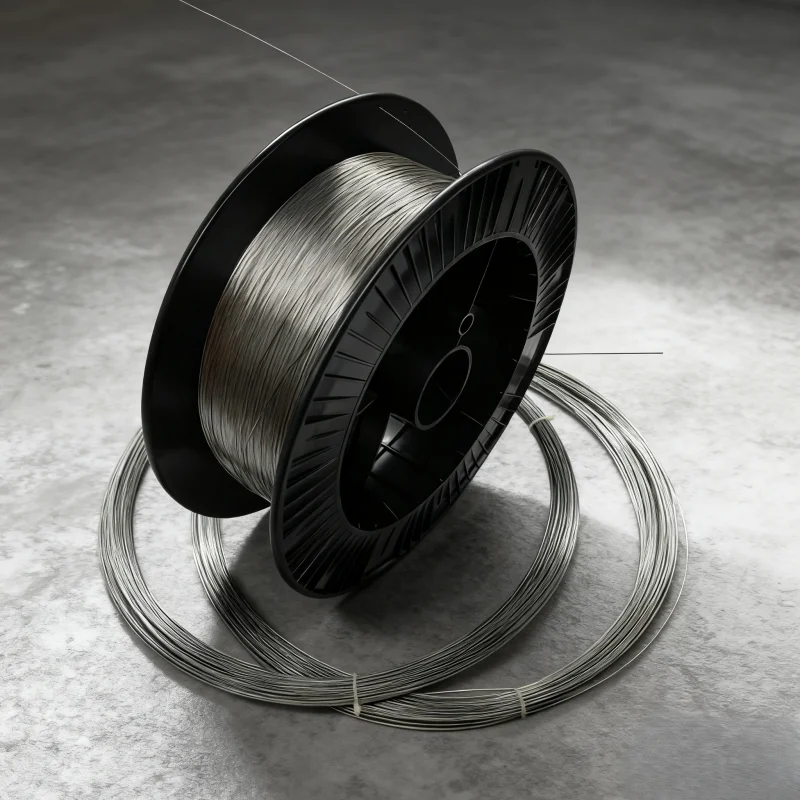
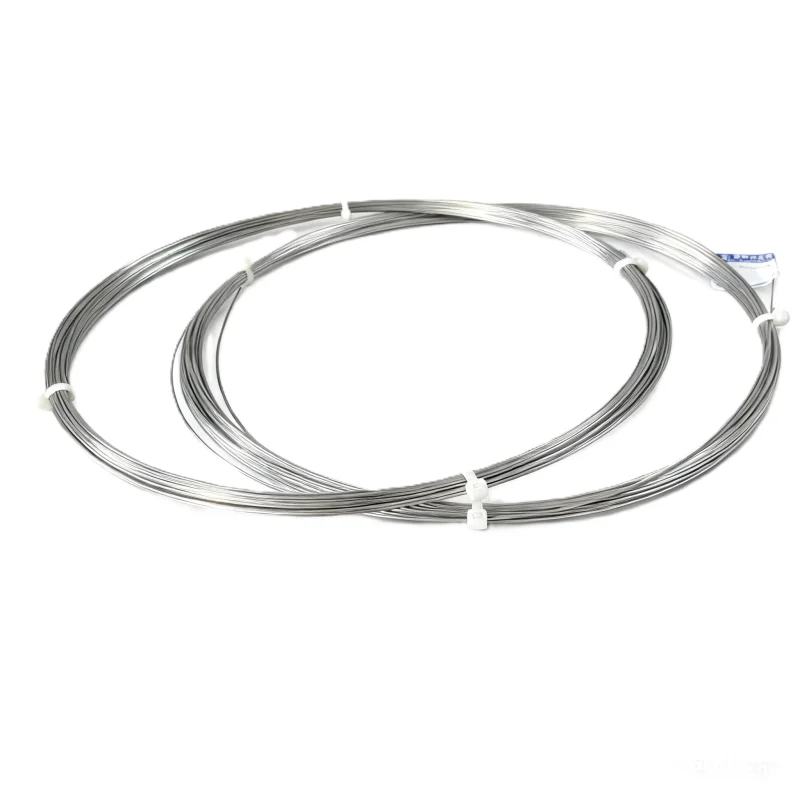
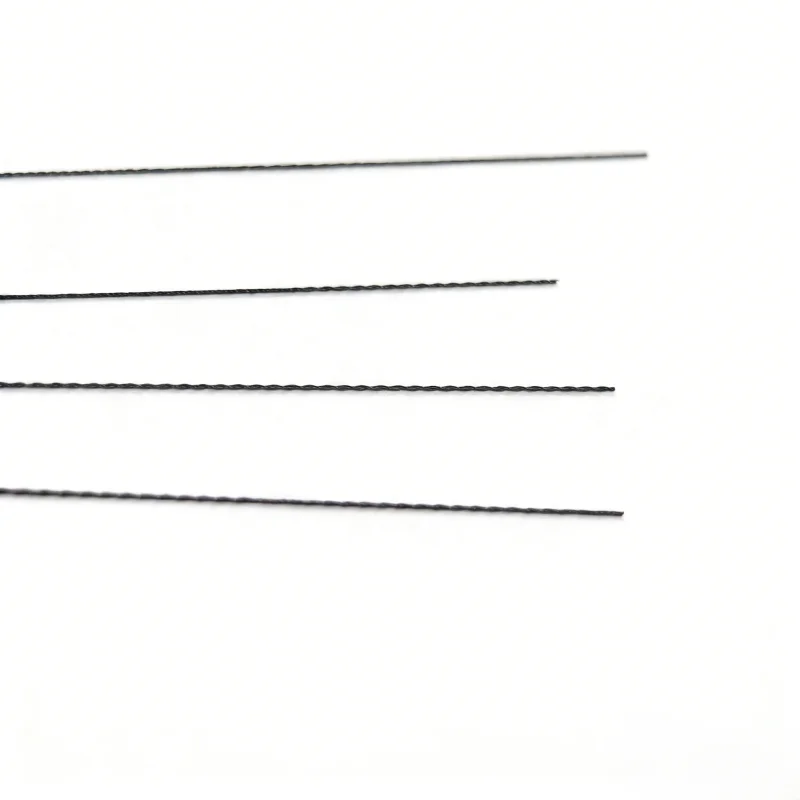
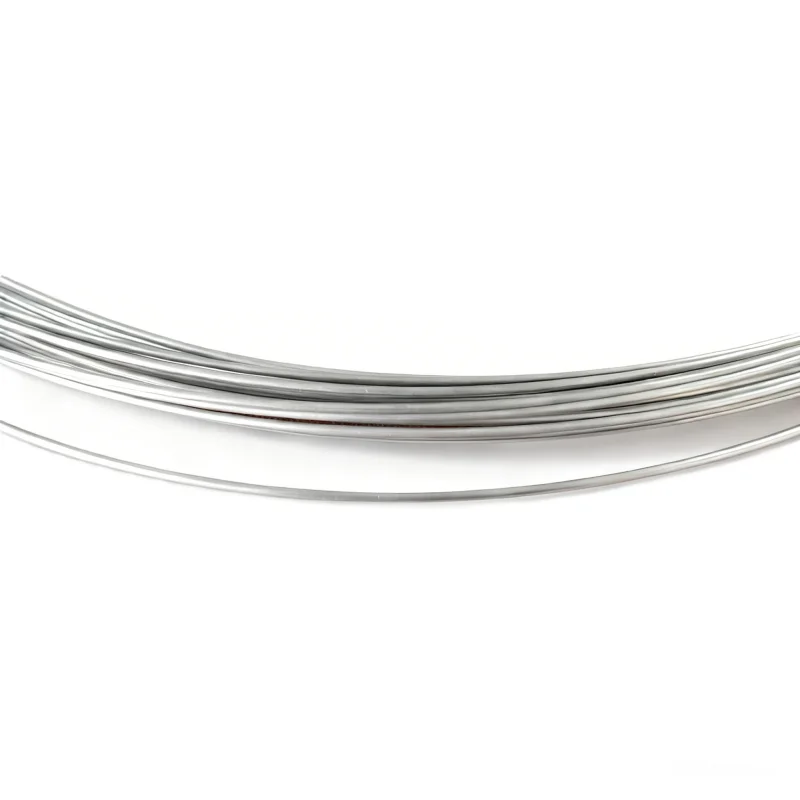
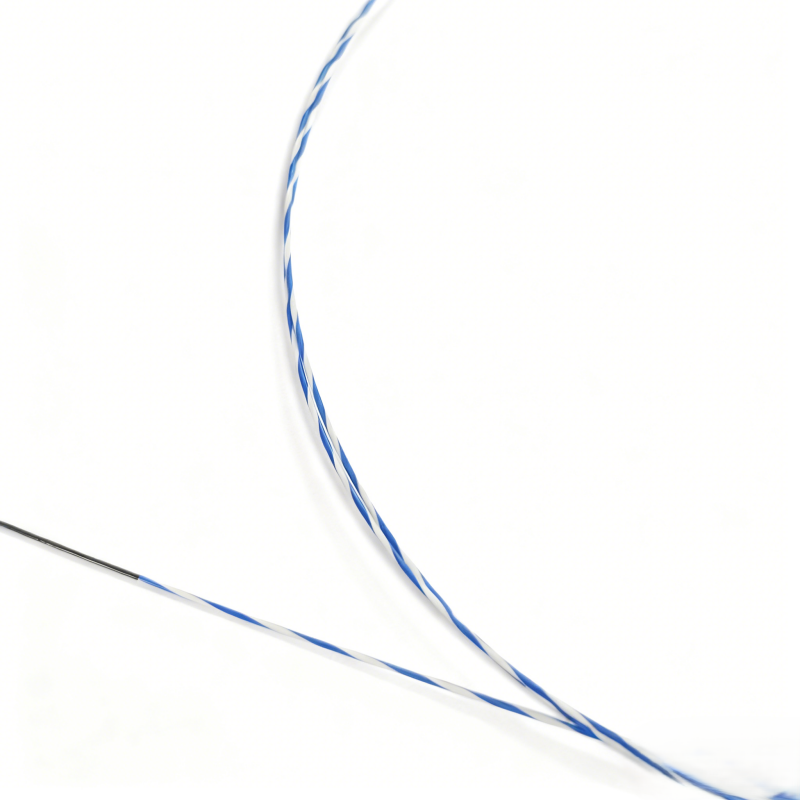
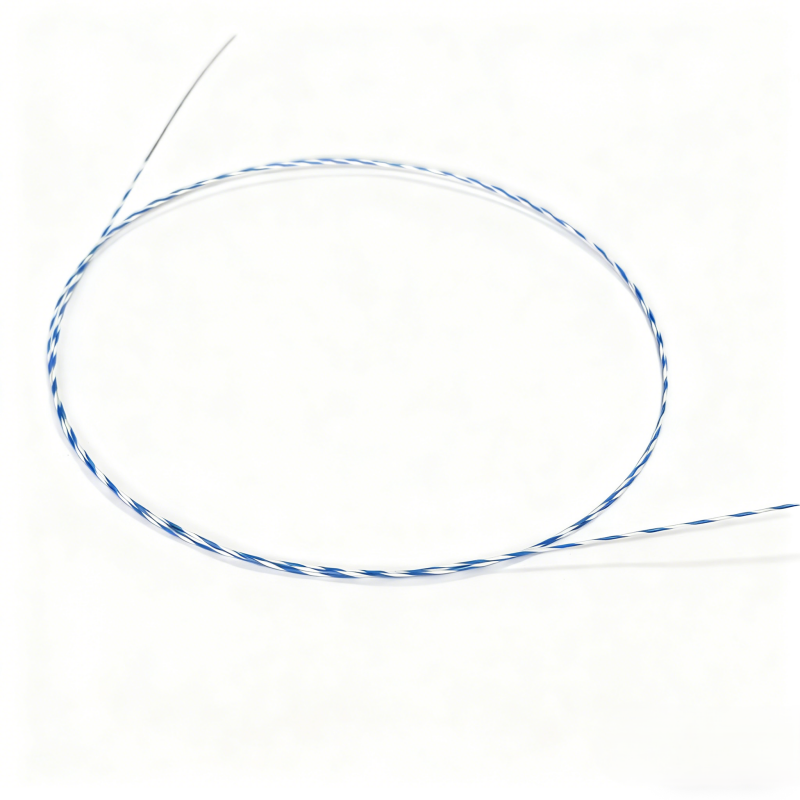
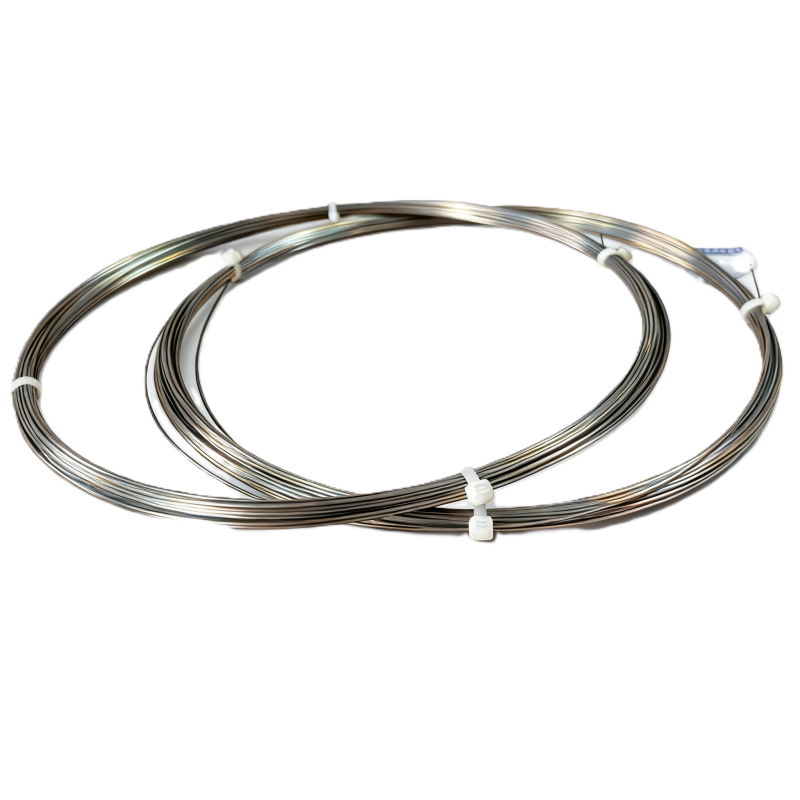
Heat activated niti wires are not a one-size-fits-all solution in a narrow sense. They are a versatile clinical tool that performs reliably across a wide range of case types, patient demographics, and bracket systems. This versatility is one of the strongest arguments for making them a standard part of any orthodontic practice's wire inventory. In the early stages of treatment, the primary challenge is engaging teeth that are significantly out of position. Crowded, rotated, or deeply displaced teeth present a real obstacle when using stiffer wires, because the wire must be forced into brackets that are not aligned with each other. This creates high initial forces that can be painful and potentially damaging to the periodontal structures. Heat activated niti wires sidestep this problem entirely. Because they are flexible at room temperature, they can be passively inserted into misaligned brackets without generating excessive force at placement. The corrective force only develops after the wire warms up, by which point it is already seated and the force is distributed evenly across all engaged teeth. This makes heat activated niti wires the ideal starting wire for complex alignment cases. Beyond initial alignment, these wires are also used effectively in cases requiring arch development, where the goal is to gradually expand a narrow arch form. The shape memory of the wire means it will persistently encourage the arch toward its programmed wider form, applying gentle lateral pressure over time. This is particularly useful in growing patients where arch development is a treatment priority. Heat activated niti wires are compatible with virtually all bracket systems currently in use, including traditional twin brackets, self-ligating brackets, ceramic brackets, and lingual bracket systems. Their flexibility at room temperature makes them especially practical for lingual orthodontics, where access is limited and wire placement is inherently more challenging. The ability to place a soft wire and allow it to stiffen in situ reduces the technical difficulty of lingual treatment significantly. Adult patients with more complex dental histories, including those with missing teeth, implants, or previous restorations, also benefit from the controlled force delivery of heat activated niti wires. The low force profile reduces the risk of root resorption and minimizes stress on restored teeth, making these wires a safer choice in medically complex cases. Pediatric patients benefit from the reduced discomfort and the lower frequency of required appointments, which makes the overall treatment experience more manageable for both the child and the family. The clinical versatility of heat activated niti wires means that a single wire type can address a broad spectrum of clinical challenges, reducing the need for multiple specialty wires and simplifying inventory management for the practice.

 EN
EN