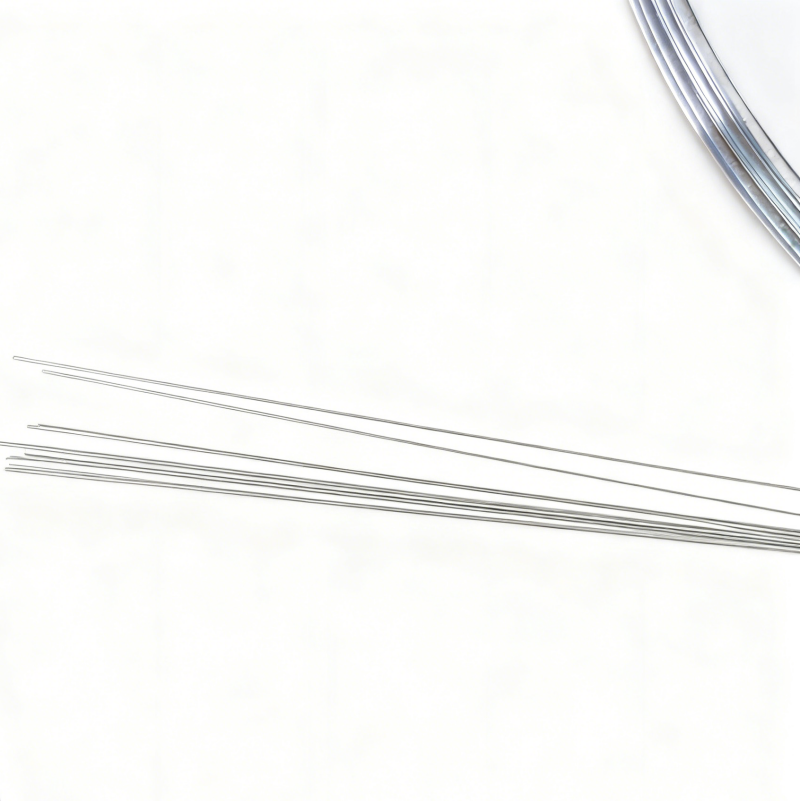
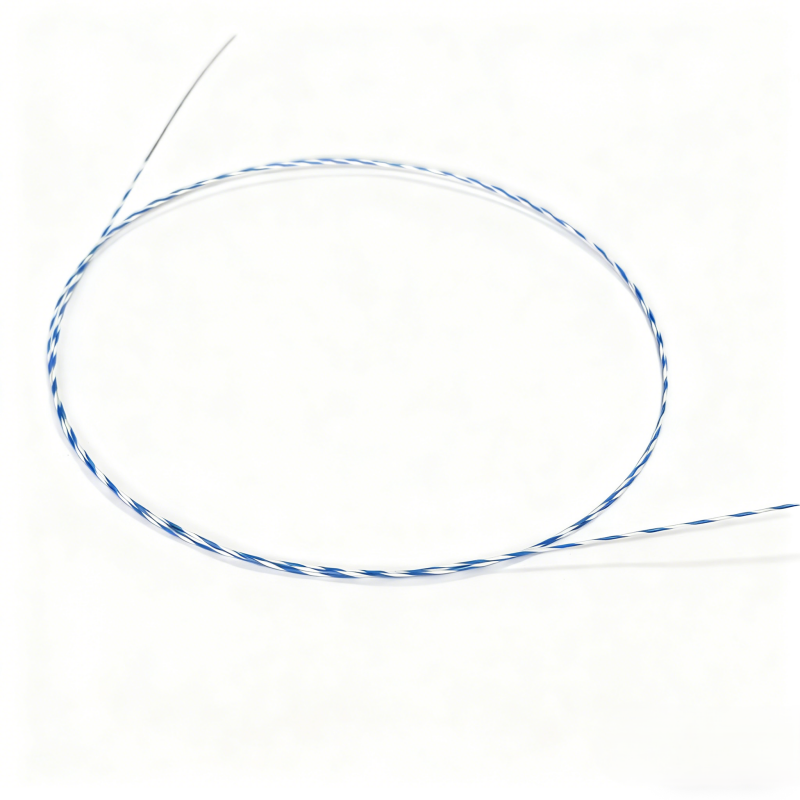
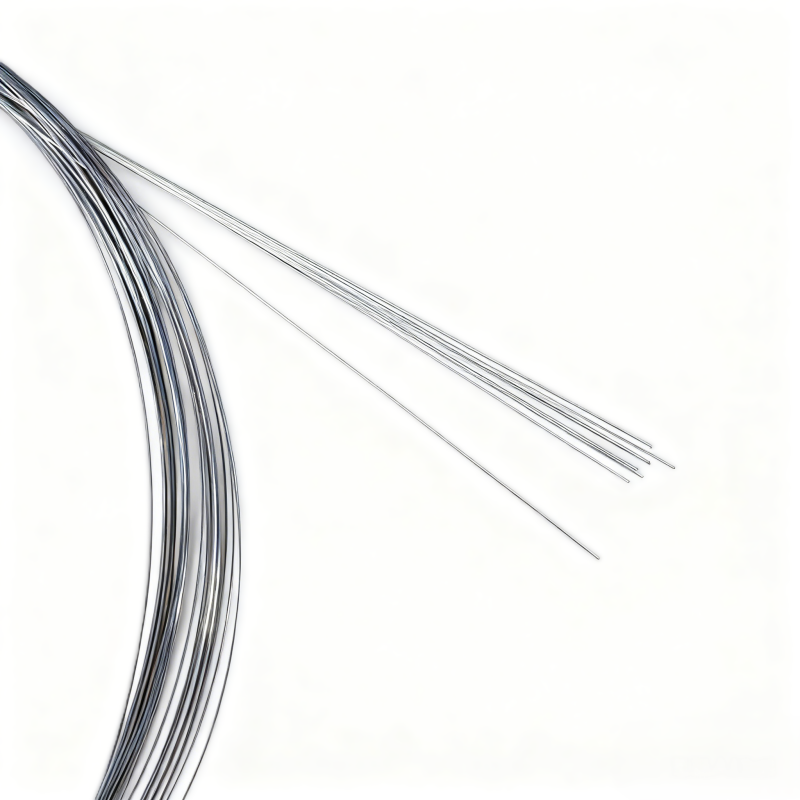
NiTi Arch Wire: Superelastic Orthodontic Wire for Precise, Comfortable Tooth Alignment

Get a Free Quote

Our representative will contact you soon.
Email
Name
Company Name
Message
0/1000

niti arch wire

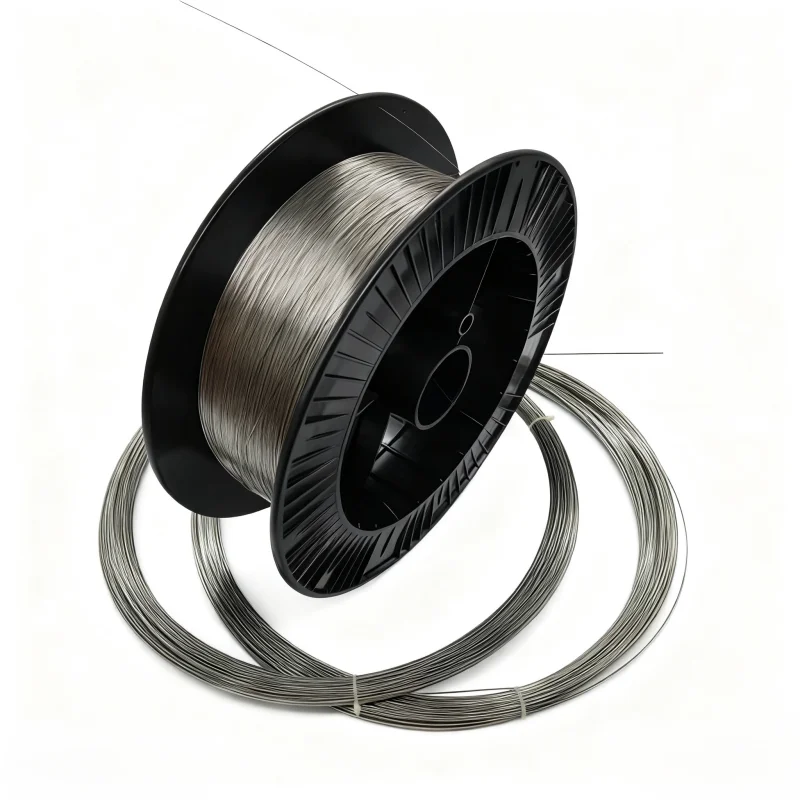
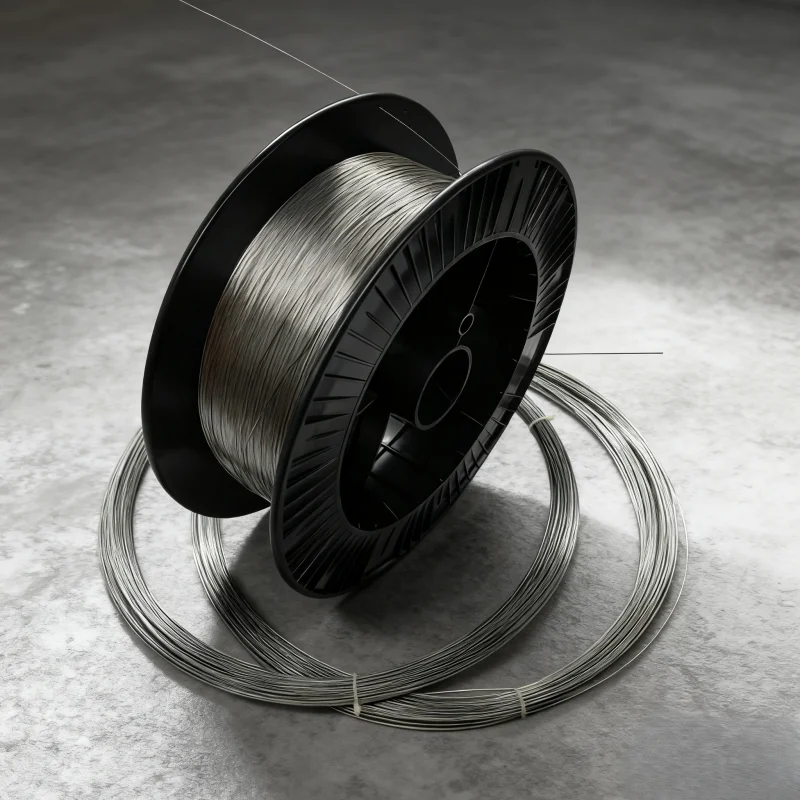
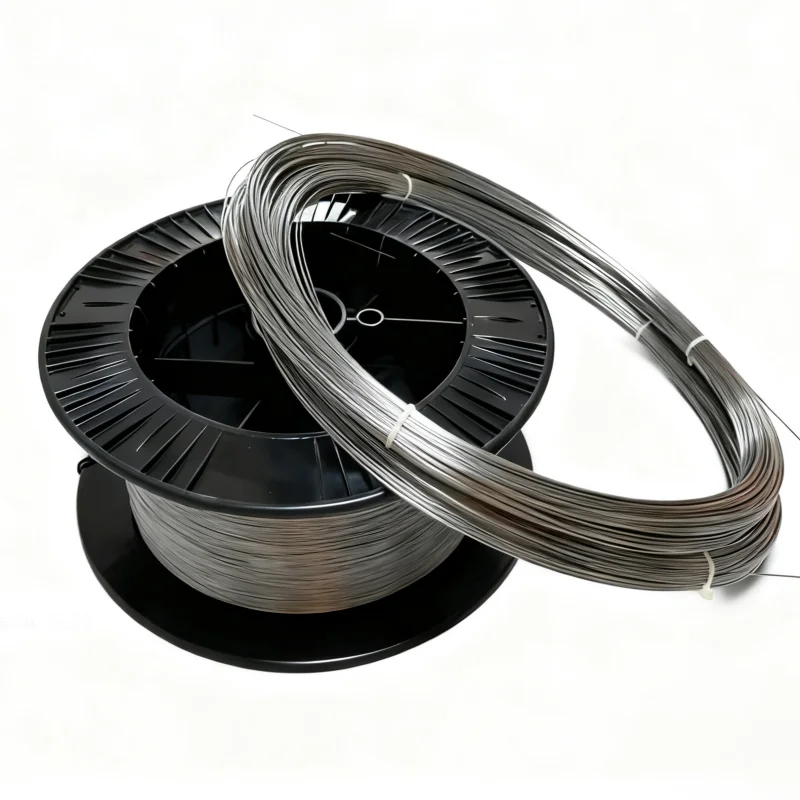
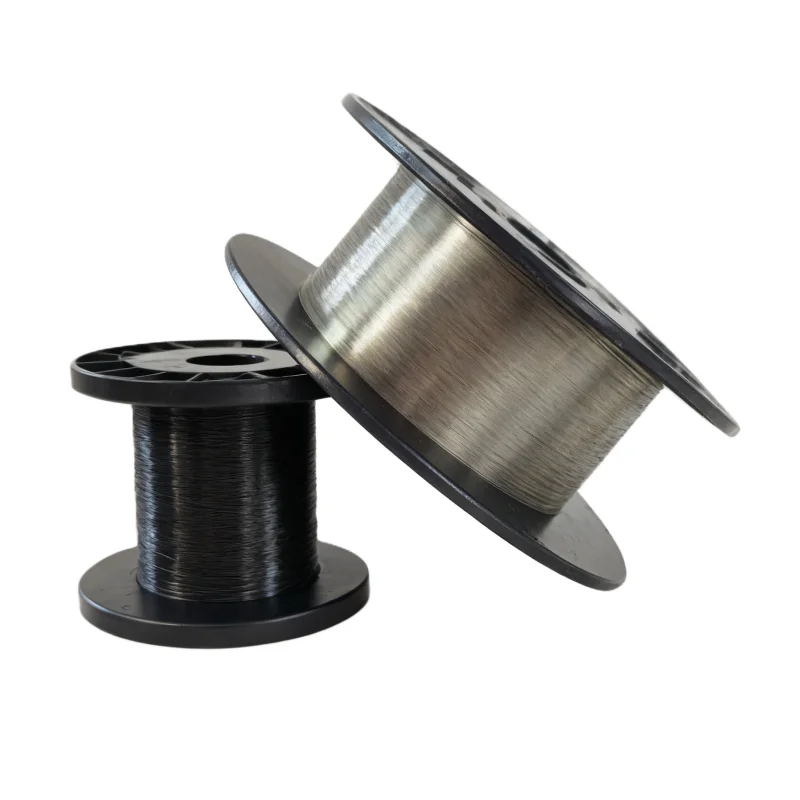
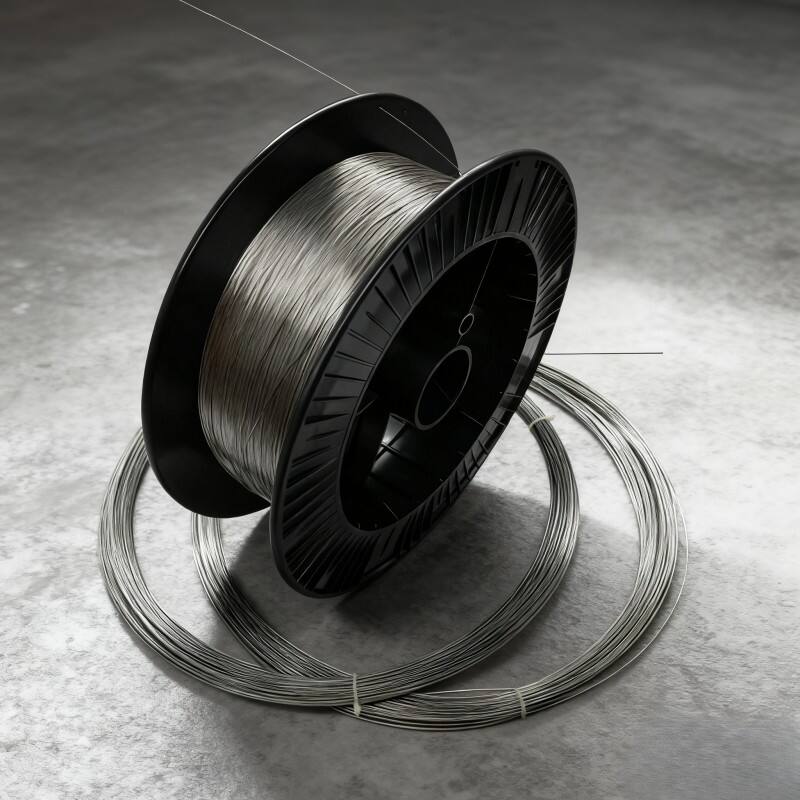
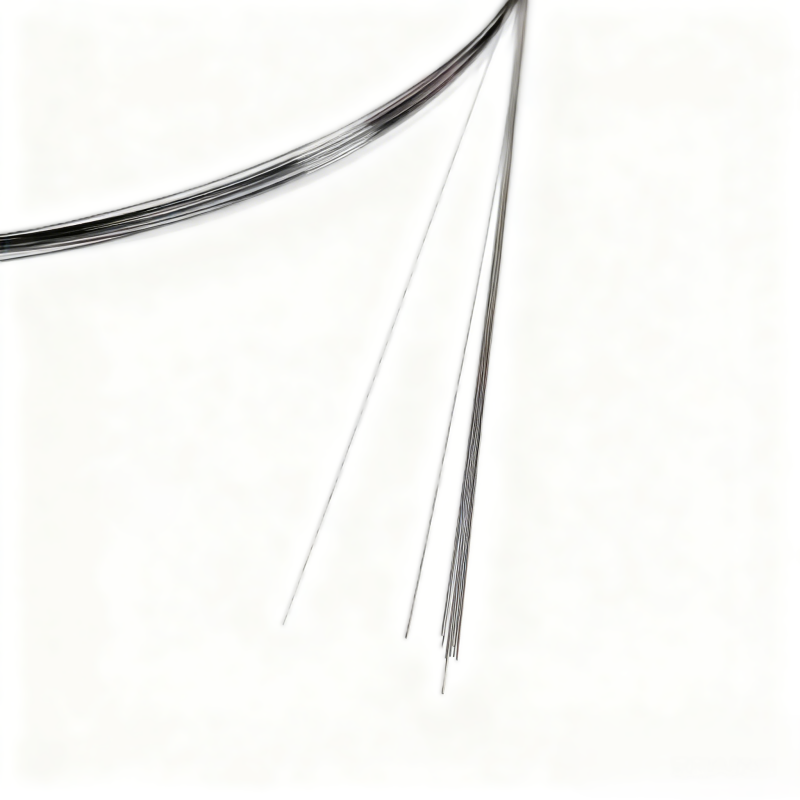
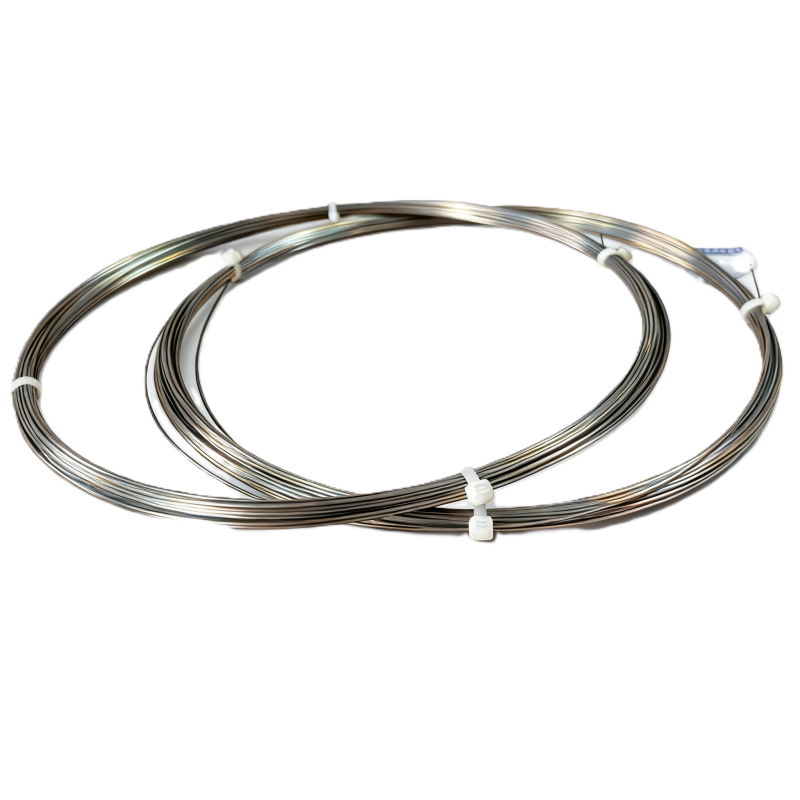
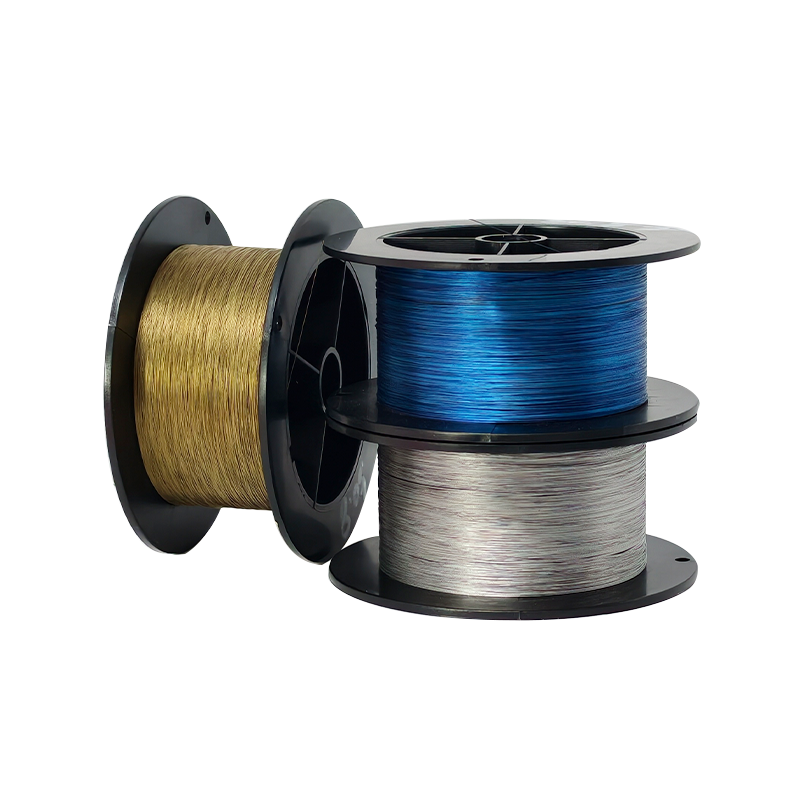
The niti arch wire is a cornerstone component in modern orthodontic treatment, engineered from a nickel-titanium alloy that delivers consistent, controlled force throughout the alignment process. Unlike traditional stainless steel wires, the niti arch wire harnesses the unique superelastic and shape-memory properties of its alloy composition, allowing it to return to its original programmed shape even after significant deformation. This behavior makes it exceptionally well-suited for the initial and intermediate stages of orthodontic therapy, where teeth require gentle yet continuous repositioning over extended periods. The niti arch wire is manufactured through a precise thermal and mechanical processing sequence that locks a specific arch form into the wire at the molecular level. When the wire is deflected to engage a misaligned bracket, it stores energy and releases it gradually, producing a light, continuous force that biological research has shown to be optimal for tooth movement and minimal patient discomfort. This controlled force delivery reduces the risk of root resorption and periodontal stress compared to heavier, stiffer wires. Technologically, the niti arch wire is available in a range of cross-sectional dimensions, including round and rectangular profiles, enabling clinicians to select the appropriate wire for each phase of treatment. Round niti arch wire profiles are typically used in early leveling and aligning stages, while rectangular profiles provide three-dimensional torque control as treatment progresses. Some advanced versions incorporate heat-activation, meaning the wire becomes active at body temperature, further refining force delivery. The niti arch wire finds application across a broad spectrum of orthodontic cases, from mild crowding corrections to complex malocclusion management. It is compatible with both traditional metal brackets and ceramic bracket systems, as well as self-ligating bracket designs. Its versatility, combined with its biomechanical efficiency, has made the niti arch wire a standard of care in contemporary orthodontic practices worldwide, trusted by clinicians to initiate and sustain effective tooth movement from the very first appointment.

New Product Recommendations

Choosing the right arch wire can make a significant difference in how smoothly and comfortably orthodontic treatment progresses. The niti arch wire stands out from other options because it works with the body rather than against it, and the practical benefits of that approach show up in real, measurable ways for both patients and clinicians. First, the niti arch wire delivers a gentle, steady force that keeps teeth moving in the right direction without causing the sharp discomfort that heavier wires often produce. Patients who wear a niti arch wire typically report less soreness after adjustments, which means fewer complaints, better compliance with wearing instructions, and a more positive overall treatment experience. When patients feel comfortable, they are more likely to keep their appointments and follow through with care, which directly supports better outcomes. Second, the niti arch wire does not need frequent replacement. Because it continuously works to return to its preset shape, it maintains its effectiveness over a longer period between visits. This reduces the number of wire changes a clinician needs to perform, saving chair time and lowering the overall cost of consumables across a patient caseload. For busy practices, that efficiency adds up quickly. Third, the niti arch wire is highly adaptable. It comes in multiple sizes and shapes, so clinicians can match the wire precisely to the stage of treatment and the specific needs of each patient. Whether the goal is initial leveling of severely crowded teeth or fine-tuning alignment in the later stages, there is a niti arch wire configuration that fits the task. This flexibility means clinicians do not need to stock a wide variety of different wire types to cover their patient population. Fourth, the niti arch wire is compatible with virtually every bracket system on the market today. Metal brackets, ceramic brackets, and self-ligating systems all work effectively with a niti arch wire, which simplifies inventory management and purchasing decisions for orthodontic offices. There is no need to maintain separate wire inventories for different bracket systems. Fifth, the superelastic nature of the niti arch wire means it can be engaged into brackets even when teeth are significantly out of alignment, without permanently deforming the wire. A stainless steel wire in the same situation would bend and lose its shape, requiring replacement. The niti arch wire springs back, continuing to apply corrective force without the clinician needing to intervene. Sixth, for patients who are concerned about the appearance of their orthodontic appliances, the niti arch wire pairs seamlessly with tooth-colored ceramic brackets, maintaining a more discreet look while still delivering the same clinical performance. This combination gives patients the aesthetic option they want without sacrificing the biomechanical benefits that the niti arch wire provides. In summary, the niti arch wire reduces patient discomfort, extends the working life of each wire segment, simplifies clinical workflows, and adapts to a wide range of treatment scenarios. These are not abstract technical advantages but practical, day-to-day benefits that improve the experience for everyone involved in the orthodontic process.

Tips And Tricks

Why do orthodontists prefer using orthodontic wire with shape memory?

15

May

Why do orthodontists prefer using orthodontic wire with shape memory?

In modern orthodontic practice, the materials used to move teeth are just as important as the clinical techniques applied. Among the many innovations that have transformed the field, orthodontic wire with shape memory stands out as one of the most cl...
View More
How to ensure dimensional tolerances for precision Nitinol metal parts?

18

May

How to ensure dimensional tolerances for precision Nitinol metal parts?

Achieving tight dimensional tolerances in Nitinol metal components is one of the most demanding challenges in precision manufacturing. Unlike conventional metals, Nitinol — a nickel-titanium shape memory alloy — exhibits superelastic recovery and pha...
View More
What breakthroughs can Nitinol material bring to future flexible robot joints?

25

May

What breakthroughs can Nitinol material bring to future flexible robot joints?

The evolution of robotics is deeply tied to the materials that power movement, flexibility, and responsiveness. Among the most promising advances in this space, Nitinol material stands out as a transformative force in the design of flexible robot joi...
View More
How to identify high-quality Nitinol sources with a 21-year background?

01

Jun

How to identify high-quality Nitinol sources with a 21-year background?

Sourcing Nitinol for industrial, medical, or specialty applications is not a decision that should be made lightly. Nitinol, the nickel-titanium shape memory alloy renowned for its superelastic behavior and thermal responsiveness, demands a level of m...
View More

Get a Free Quote

Our representative will contact you soon.
Email
Name
Company Name
Message
0/1000

niti arch wire

Superelastic Performance That Keeps Treatment on Track

Superelastic Performance That Keeps Treatment on Track

One of the most important qualities of the niti arch wire is its superelastic behavior, and understanding what that means in practice helps explain why this wire has become the preferred choice for the initial stages of orthodontic treatment. Superelasticity refers to the ability of the niti arch wire to undergo large elastic deformations and then return to its original shape once the deforming force is removed. This is not simply a matter of the wire being springy in the conventional sense. The nickel-titanium alloy used in the niti arch wire undergoes a reversible phase transformation at the crystalline level, shifting between austenite and martensite phases in response to mechanical stress. This transformation is what allows the wire to absorb significant deflection without taking a permanent set, and it is what allows the wire to continue exerting a consistent, low-level corrective force as it works to return to its programmed arch form. In clinical terms, this means that when a niti arch wire is placed into the brackets of a patient with crowded or rotated teeth, the wire bends to accommodate the irregular positions of those brackets. Rather than simply staying bent, the wire continuously tries to straighten back to its original shape, and in doing so, it applies a gentle but persistent force to each tooth. This force is transmitted through the bracket and into the periodontal ligament, stimulating the bone remodeling process that allows teeth to move. Because the force is light and continuous rather than heavy and intermittent, the biological response is more efficient and less traumatic. Research in orthodontic biomechanics consistently supports the use of light, continuous forces for tooth movement, and the niti arch wire is specifically engineered to deliver exactly that. For patients, the superelastic nature of the niti arch wire translates directly into a more comfortable experience. Heavy forces cause significant post-adjustment soreness and can lead to complications such as root resorption over time. The niti arch wire minimizes these risks by keeping force levels within the optimal biological range throughout the entire period between appointments. For clinicians, superelasticity means the wire remains effective even as teeth shift and the geometry of the arch changes, reducing the need for early wire replacements and allowing longer intervals between adjustments without sacrificing treatment progress. The niti arch wire truly earns its place as the starting point for effective, efficient orthodontic care.
Shape Memory Technology That Simplifies Every Stage of Treatment

Shape Memory Technology That Simplifies Every Stage of Treatment

The shape memory property of the niti arch wire is a technological feature that sets it apart from conventional orthodontic wires in a fundamental way. Shape memory means that the niti arch wire has been programmed during manufacturing to remember a specific arch form, and it will always attempt to return to that form regardless of how it has been deformed during placement or use. This is achieved through a carefully controlled heat treatment process during production, in which the wire is held in the desired arch shape at an elevated temperature, locking that configuration into the crystalline structure of the nickel-titanium alloy. Once this process is complete, the niti arch wire will seek to return to that shape whenever it is deflected, as long as the temperature remains within the appropriate range. For heat-activated versions of the niti arch wire, this range is calibrated to body temperature, meaning the wire becomes fully active once it is placed in the warm environment of the oral cavity. This is a particularly elegant feature because it allows the clinician to place the wire while it is cool and relatively flexible, making engagement with misaligned brackets much easier, and then rely on the patient's own body heat to activate the wire's corrective force once it is in position. The practical implications of shape memory for treatment outcomes are substantial. Because the niti arch wire always works toward a consistent, predetermined arch form, it provides a reliable and reproducible starting point for treatment. Clinicians can trust that the wire is guiding teeth toward the correct arch shape from the very first appointment, establishing a foundation that subsequent wires will build upon. This consistency reduces variability in treatment outcomes and makes it easier to plan and predict the progression of each case. Shape memory also contributes to the durability of the niti arch wire. Because the wire is always trying to return to its original form rather than simply holding a position, it does not fatigue or lose its effectiveness in the way that a stainless steel wire might after repeated bending. The niti arch wire maintains its clinical utility throughout its intended service period, giving clinicians confidence that the wire they placed at the start of a treatment phase will still be performing as intended at the end of it. For patients, this means fewer unexpected wire changes and a more predictable treatment timeline, both of which contribute to a better overall experience with orthodontic care.
Versatile Sizing and Compatibility That Fits Every Clinical Need

Versatile Sizing and Compatibility That Fits Every Clinical Need

The niti arch wire is not a one-size-fits-all solution, and that is precisely one of its greatest strengths. It is available in a comprehensive range of cross-sectional dimensions and profiles, giving clinicians the flexibility to select exactly the right wire for each specific stage of treatment and each individual patient's anatomy. Round niti arch wire profiles, typically ranging from 0.012 inches to 0.020 inches in diameter, are the standard choice for the early leveling and aligning phase of treatment. Their circular cross-section allows free rotation within the bracket slot, which means the wire can level and align teeth without introducing unwanted torque forces before the arch is ready for three-dimensional control. This makes round niti arch wire profiles ideal for managing the initial irregularities of crowded or spaced dentitions, where the primary goal is to bring teeth into a common plane and establish a smooth, continuous arch form. As treatment progresses and the arch becomes more organized, clinicians transition to rectangular niti arch wire profiles, which engage the full dimensions of the bracket slot and allow precise control of tooth angulation and torque. Rectangular niti arch wire options, such as 0.016 by 0.022 inches or 0.017 by 0.025 inches, provide the three-dimensional control needed to position teeth correctly in all planes of space, setting the stage for finishing and detailing. The availability of both round and rectangular niti arch wire profiles within a single product family means that clinicians can use the same trusted wire technology throughout the active treatment phase, simply stepping up in size as the case demands. Beyond sizing, the niti arch wire is designed for broad compatibility. It works effectively with standard edgewise brackets, Roth prescription brackets, MBT prescription brackets, and a wide variety of self-ligating bracket systems. It is equally at home in metal bracket setups and ceramic bracket configurations, making it a genuinely universal choice for orthodontic practices that treat a diverse patient population with varied aesthetic preferences. This compatibility eliminates the need to maintain multiple wire inventories for different bracket systems, streamlining purchasing, storage, and clinical workflow. The niti arch wire also accommodates both adult and pediatric patients, with arch form options available in narrow, medium, and wide configurations to match the natural variation in human dental arch morphology. This attention to anatomical diversity ensures that every patient receives a wire that fits their specific arch shape, supporting more natural and efficient tooth movement. The combination of size range, profile variety, and system compatibility makes the niti arch wire one of the most versatile tools available in the orthodontic armamentarium, capable of meeting the demands of virtually any clinical scenario a practitioner might encounter.
NiTi Arch Wire: Superelastic Orthodontic Wire for Precise, Comfortable Tooth Alignment

Get a Free Quote

Our representative will contact you soon.
Email
Name
Company Name
Message
0/1000
Newsletter
Please Leave A Message With Us