Clamp of Rubber Dam: Essential Dental Isolation Tool for Superior Treatment Outcomes

Get a Free Quote

Our representative will contact you soon.
Email
Name
Company Name
Message
0/1000

clamp of rubber dam

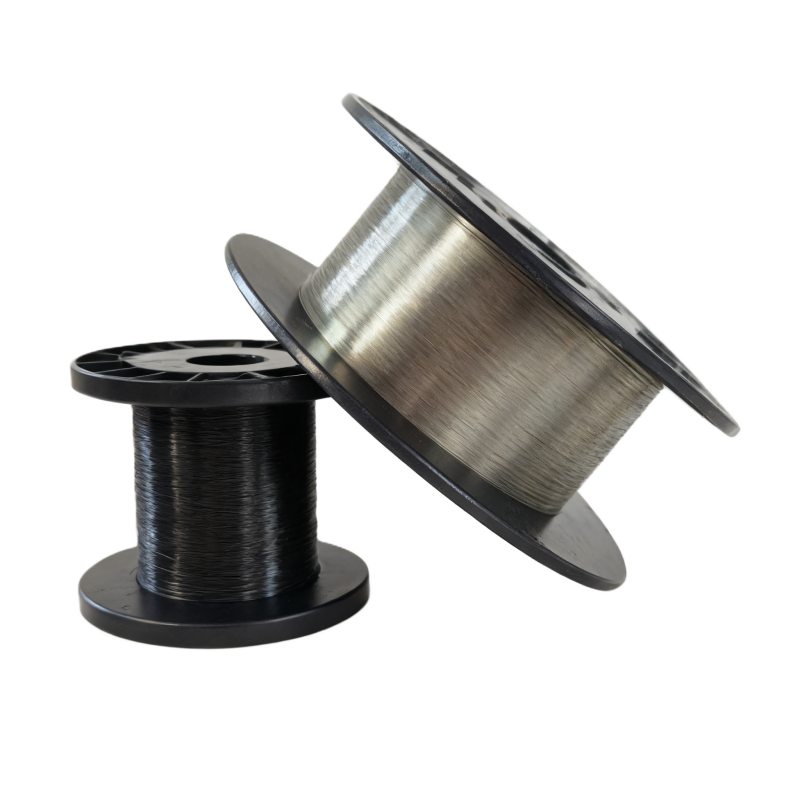
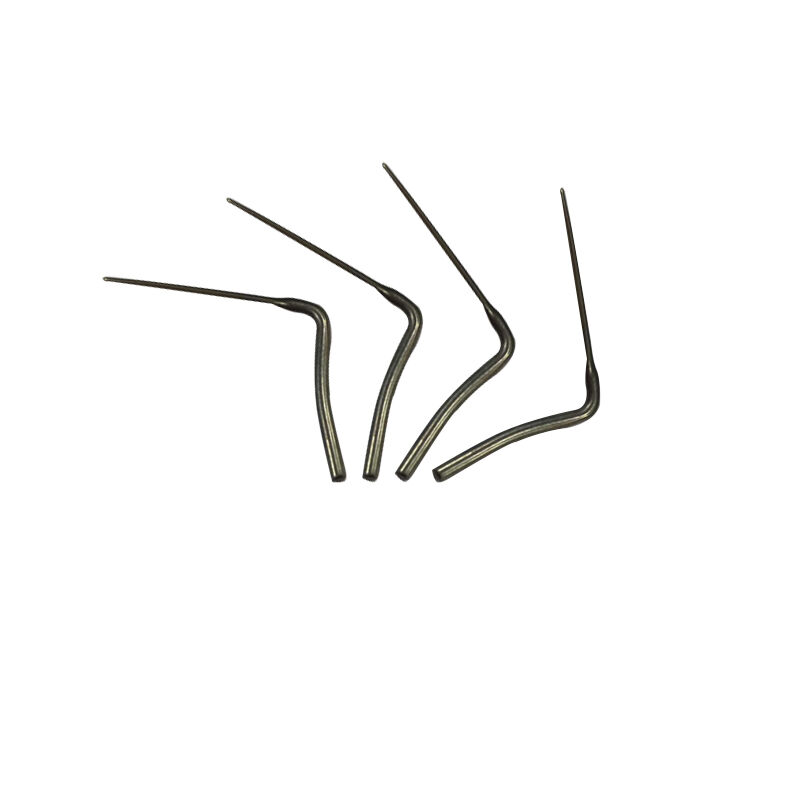
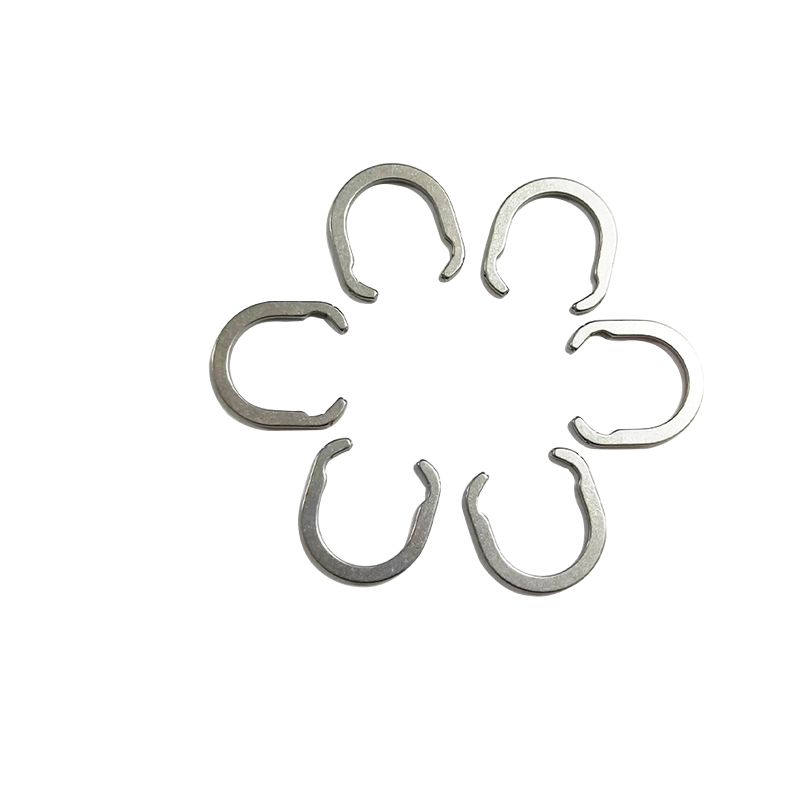
The clamp of rubber dam represents an essential instrument in modern dental procedures, serving as a critical component for effective tooth isolation during various treatments. This specialized dental device securely fastens the rubber dam sheet around individual teeth, creating a controlled working environment that enhances treatment precision and patient safety. The clamp of rubber dam comes in multiple designs and sizes to accommodate different tooth positions and anatomical variations, ensuring versatility across diverse clinical scenarios. Manufactured from high-grade stainless steel or specialized alloys, these clamps demonstrate exceptional durability and resistance to corrosion from saliva and dental materials. The fundamental design incorporates jaws that grip the tooth at or below the gum line, a bow that connects the jaws, and holes for forcep placement during application and removal. The clamp of rubber dam functions by maintaining consistent pressure around the tooth circumference, preventing the rubber dam material from slipping while ensuring patient comfort throughout the procedure. Modern iterations feature smooth, rounded edges that minimize tissue trauma and enhance patient acceptance. Different classifications exist based on tooth type requirements, including anterior clamps for front teeth, premolar clamps for middle teeth, and molar clamps for back teeth, each engineered with specific jaw configurations. Winged and wingless varieties offer flexibility in application techniques, with winged versions facilitating easier rubber dam placement by holding the material during positioning. The clamp of rubber dam has become indispensable in endodontic treatments, restorative procedures, and cosmetic dentistry, where moisture control and clear visibility prove paramount. Understanding the technological sophistication behind these seemingly simple instruments reveals their crucial role in elevating dental care standards and improving treatment outcomes for countless patients worldwide.

New Product Releases

The clamp of rubber dam delivers numerous practical benefits that directly improve both clinical outcomes and patient experiences during dental procedures. First and foremost, this device creates an optimal dry working field by completely isolating the treatment area from saliva, blood, and other oral fluids. This moisture control proves invaluable when working with materials that require dry conditions for proper bonding and setting, significantly increasing the longevity and success rate of dental restorations. Patients benefit from enhanced safety as the clamp of rubber dam prevents accidental swallowing or aspiration of small instruments, debris, or chemical solutions used during treatment. This protective barrier offers peace of mind to both practitioners and patients, particularly during lengthy procedures involving multiple small components. The clamp of rubber dam dramatically improves visibility and access to the treatment site by retracting soft tissues and keeping the tongue and cheeks away from the working area. This clear visual field allows for more precise work, reducing procedure time and minimizing the need for repeated interventions. Dentists can work more efficiently without constant interruptions to manage saliva or reposition the patient, leading to shorter appointment durations and reduced fatigue for everyone involved. From a hygiene perspective, the isolation provided by the clamp of rubber dam minimizes cross-contamination risks by creating a barrier between the operative site and the rest of the oral cavity. This separation reduces bacterial exposure to open tooth structures and decreases the likelihood of reinfection during procedures like root canal therapy. Patient comfort improves substantially as the rubber dam prevents unpleasant tastes from dental materials and reduces the gag reflex by keeping materials away from sensitive areas of the mouth. The device also protects delicate oral tissues from caustic chemicals and sharp instruments, preventing accidental injuries that could complicate recovery. Economic advantages emerge through reduced material waste, as the controlled environment prevents contamination of expensive dental materials and eliminates the need for frequent material replacement during procedures. The clamp of rubber dam contributes to higher quality documentation through improved photography and imaging, as the contrast between the isolated tooth and surrounding rubber material creates clear, professional images for patient records and case presentations. Overall, these combined advantages translate into better treatment outcomes, increased practice efficiency, enhanced patient satisfaction, and improved profitability for dental practices that consistently utilize this essential tool.

Practical Tips

Why is high-stability Nitinol the first choice for equipment in extreme conditions?

12

May

Why is high-stability Nitinol the first choice for equipment in extreme conditions?

When equipment must perform reliably under mechanical stress, thermal cycling, and repeated deformation, material selection becomes a critical engineering decision. Nitinol, the nickel-titanium shape memory alloy, has earned a dominant position in de...
View More
How to utilize one-way and two-way memory in precision medical components?

21

May

How to utilize one-way and two-way memory in precision medical components?

In the development of precision medical components, material intelligence is no longer a concept reserved for science fiction. nitinol wire has fundamentally changed how engineers and medical device designers approach the challenge of building compon...
View More
How to identify high-quality Nitinol sources with a 21-year background?

01

Jun

How to identify high-quality Nitinol sources with a 21-year background?

Sourcing Nitinol for industrial, medical, or specialty applications is not a decision that should be made lightly. Nitinol, the nickel-titanium shape memory alloy renowned for its superelastic behavior and thermal responsiveness, demands a level of m...
View More
Why should you prioritize the manufacturer's R&D center when choosing partners?

02

Jun

Why should you prioritize the manufacturer's R&D center when choosing partners?

When evaluating potential manufacturing partners, most procurement teams focus on price, lead time, and production capacity. These are legitimate criteria, but they often overlook one of the most telling indicators of long-term value: the strength an...
View More

Get a Free Quote

Our representative will contact you soon.
Email
Name
Company Name
Message
0/1000

clamp of rubber dam

Superior Moisture Control and Isolation Technology

Superior Moisture Control and Isolation Technology

The clamp of rubber dam stands as the cornerstone technology for achieving absolute moisture control during dental procedures, a capability that fundamentally transforms treatment quality and predictability. This sophisticated isolation system works by creating an impermeable barrier around the targeted tooth or teeth, effectively separating the operative field from the dynamic environment of the oral cavity. The engineering behind the clamp of rubber dam focuses on maintaining consistent, gentle pressure that secures the rubber dam material without causing patient discomfort or tissue damage. The jaws of the clamp feature precisely calculated curvature and spacing that conform to natural tooth anatomy, distributing pressure evenly around the tooth circumference to prevent slippage while avoiding excessive force that could traumatize periodontal tissues. This balanced approach ensures the rubber dam remains firmly in place throughout procedures that may last several hours, providing unwavering isolation regardless of patient movement or salivary flow. The moisture control achieved through the clamp of rubber dam proves particularly critical when working with adhesive dental materials, composite resins, and bonding agents that require completely dry surfaces for optimal performance. Even microscopic moisture contamination can compromise bond strength and material integrity, leading to premature failure of restorations and the need for costly replacements. By eliminating moisture variables, the clamp of rubber dam enables dental materials to perform according to manufacturer specifications, maximizing their longevity and functional effectiveness. Beyond simple moisture exclusion, this isolation technology prevents blood and gingival fluids from contaminating the working area during procedures involving soft tissue manipulation or subgingival preparation margins. The comprehensive barrier created by the clamp of rubber dam also protects against aerosol contamination in both directions, shielding the operative site from oral bacteria while simultaneously protecting the patient from inhaling fine particulates generated during tooth preparation. Modern clamp designs incorporate features like atraumatic tips and biocompatible surface treatments that enhance tissue compatibility and reduce the inflammatory response sometimes associated with prolonged clamp placement. The versatility of clamp configurations available today means practitioners can select the optimal design for each specific clinical situation, whether dealing with partially erupted teeth, severely broken down tooth structures, or teeth with unusual anatomical features.
Enhanced Procedural Efficiency and Clinical Precision

Enhanced Procedural Efficiency and Clinical Precision

The clamp of rubber dam revolutionizes workflow efficiency in dental practices by streamlining procedures and enabling practitioners to work with unprecedented precision and focus. When properly applied, this device eliminates numerous interruptions that typically disrupt dental procedures, such as the need to repeatedly suction saliva, reposition the patient's tongue, or pause for the patient to rinse and rest. These continuous workflow interruptions not only extend appointment times but also break the practitioner's concentration, potentially affecting the quality and consistency of clinical work. The clamp of rubber dam resolves these challenges by creating a stable, controlled environment that remains constant throughout the entire procedure. Practitioners can maintain an ergonomic working position without frequent adjustments, reducing physical strain and fatigue during lengthy appointments. The clear, unobstructed visibility provided by the rubber dam isolation allows for enhanced precision in tooth preparation, material placement, and finishing procedures. Practitioners can clearly see preparation margins, cavity floors, and anatomical details without interference from soft tissues, saliva, or the patient's natural defensive reflexes. This improved visualization directly translates to more accurate preparations with better-defined margins, which are essential for creating well-fitting restorations with optimal seal and longevity. The clamp of rubber dam also facilitates better ergonomics for dental assistants, who can focus on material preparation and instrument transfer rather than constant suctioning and retraction duties. This improved team efficiency allows practices to maintain consistent appointment scheduling and increase daily patient throughput without compromising care quality. Time savings accumulate significantly across multiple appointments, potentially allowing practices to serve more patients or allocate additional time for complex cases requiring extra attention. The controlled environment created by the clamp of rubber dam enables practitioners to work more methodically and thoughtfully, as they are not rushing to complete steps before moisture contamination occurs. This measured pace paradoxically results in faster overall procedure completion because steps are executed correctly the first time, eliminating the need to repeat failed procedures or address complications arising from contaminated restorations. Documentation quality improves substantially when using the clamp of rubber dam, as clinical photographs and radiographs capture cleaner, more professional images with excellent contrast and detail. These high-quality images prove invaluable for treatment planning, patient education, insurance documentation, and continuing education presentations.
Patient Safety and Comfort Optimization Features

Patient Safety and Comfort Optimization Features

The clamp of rubber dam incorporates numerous design elements specifically engineered to maximize patient safety and comfort, addressing concerns that often create anxiety around dental procedures. Safety features begin with the fundamental protective barrier that prevents accidental ingestion or aspiration of small dental instruments, tooth fragments, filling materials, irrigating solutions, and other substances used during treatment. This protection proves especially critical during procedures like crown preparation or endodontic therapy, where small files, burs, and sharp instruments could pose serious risks if accidentally dropped or released in an unprotected oral cavity. The clamp of rubber dam effectively eliminates these hazards by creating a physical barrier that catches any dropped items before they can travel to the throat area. Parents particularly appreciate this safety feature when their children require dental treatment, as it provides reassurance that their child is protected throughout the procedure. The comfort advantages of the clamp of rubber dam extend beyond physical safety to include protection from unpleasant sensory experiences that often cause dental anxiety. The rubber dam barrier prevents patients from tasting bitter or chemical-flavored dental materials, which can trigger nausea and discomfort in sensitive individuals. By covering the posterior tongue and limiting oral cavity access, the clamp of rubber dam significantly reduces gag reflex activation, making procedures more tolerable for patients with heightened sensitivity. Modern clamp designs feature rounded, polished contact points that interact gently with tooth surfaces and gingival tissues, minimizing the pressure sensation and discomfort that older clamp designs sometimes produced. Material advances have introduced clamps with specialized coatings that enhance biocompatibility and reduce the metallic taste some patients report with traditional stainless steel instruments. The psychological comfort provided by the clamp of rubber dam should not be underestimated, as many patients report feeling more relaxed when they know a protective barrier is in place. This sense of security allows patients to remain calmer and more cooperative throughout procedures, reducing stress for both the patient and dental team. The reduced procedure time enabled by efficient rubber dam isolation means patients spend less time in the dental chair overall, which particularly benefits individuals with mobility issues, chronic pain conditions, or difficulty maintaining mouth opening for extended periods. Temperature regulation represents another comfort consideration, as the clamp of rubber dam helps maintain a more consistent temperature in the isolated tooth area by reducing exposure to cool air and water spray.
Clamp of Rubber Dam: Essential Dental Isolation Tool for Superior Treatment Outcomes

Get a Free Quote

Our representative will contact you soon.
Email
Name
Company Name
Message
0/1000
Newsletter
Please Leave A Message With Us