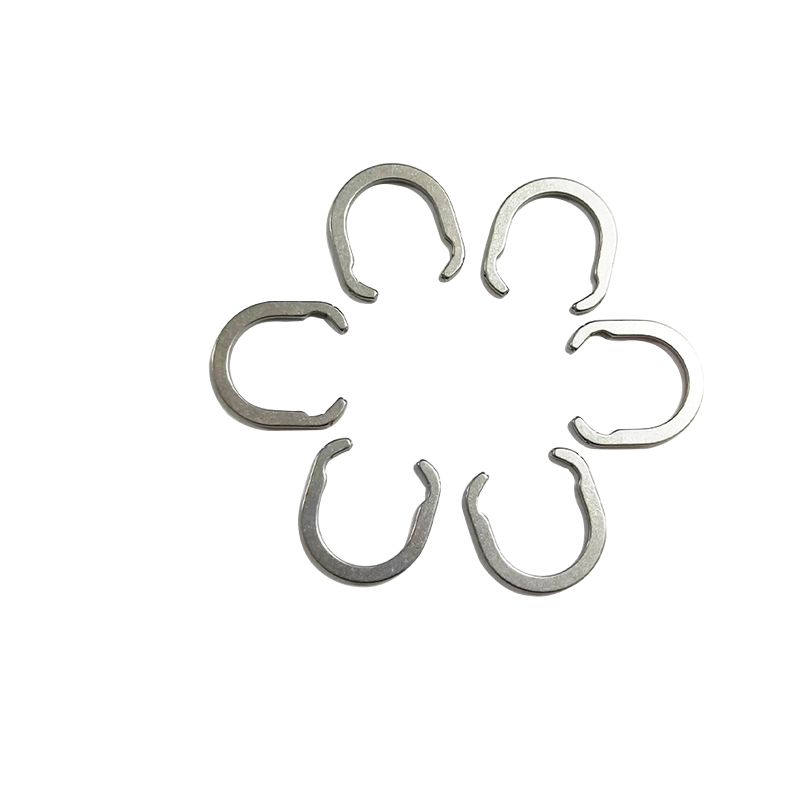
types of rubber dam clamps
Understanding the types of rubber dam clamps is essential for dental professionals seeking optimal isolation during various procedures. Rubber dam clamps serve as critical instruments that secure rubber dam material around teeth, creating a moisture-free operating field that enhances visibility and precision. These specialized dental tools come in numerous designs, each tailored to accommodate different tooth anatomies and clinical situations. The primary function of types of rubber dam clamps involves anchoring the rubber dam sheet firmly to specific teeth, preventing saliva contamination and ensuring patient safety during restorative work, endodontic treatments, and cosmetic procedures. Technological features vary significantly across different types of rubber dam clamps, with designs incorporating wingless or winged configurations, varying jaw widths, and different bow shapes to suit anterior or posterior teeth. Winged clamps facilitate easier placement as the rubber dam can be positioned before insertion, while wingless varieties offer better visibility once secured in place. Materials used in manufacturing these clamps typically include stainless steel or nickel-titanium alloys, providing durability, corrosion resistance, and the flexibility needed for safe application without damaging tooth structure. The jaws of various types of rubber dam clamps feature serrated or smooth surfaces, with four-point contact designs distributing pressure evenly across the tooth to prevent slippage while minimizing trauma to gingival tissues. Applications span across general dentistry, endodontics, pediatric dentistry, and specialized restorative procedures. Cervical clamps accommodate teeth with extensive caries or subgingival preparations, while butterfly clamps work exceptionally well for anterior applications. Pediatric-specific types of rubber dam clamps address the unique anatomical considerations of primary dentition. Universal clamps offer versatility for multiple tooth positions, reducing inventory requirements in busy practices. Understanding these distinctions empowers practitioners to select appropriate types of rubber dam clamps that optimize procedural outcomes, enhance patient comfort, and streamline clinical workflows across diverse treatment scenarios.

 EN
EN