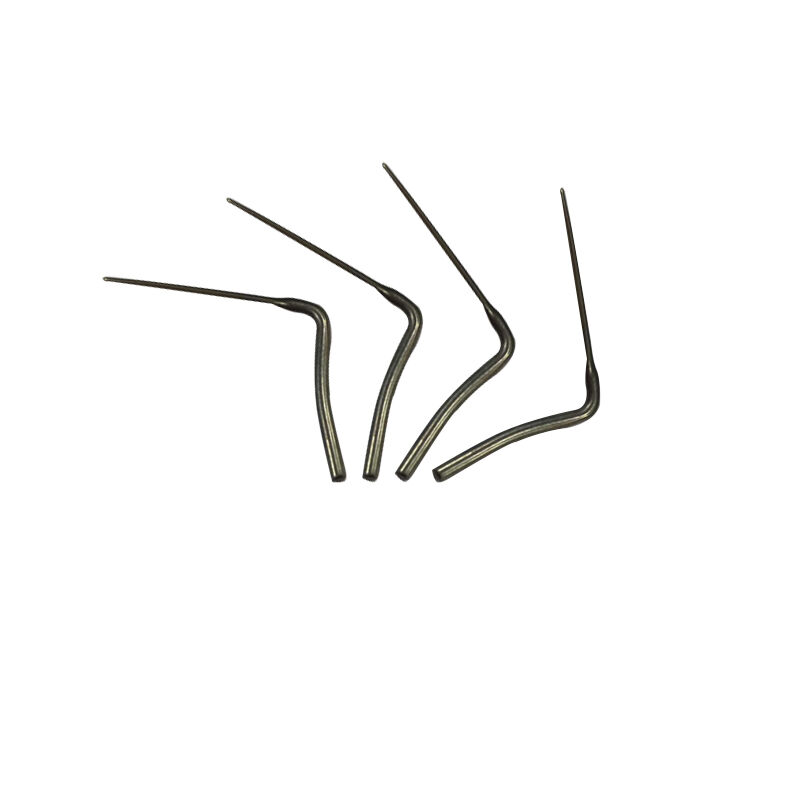
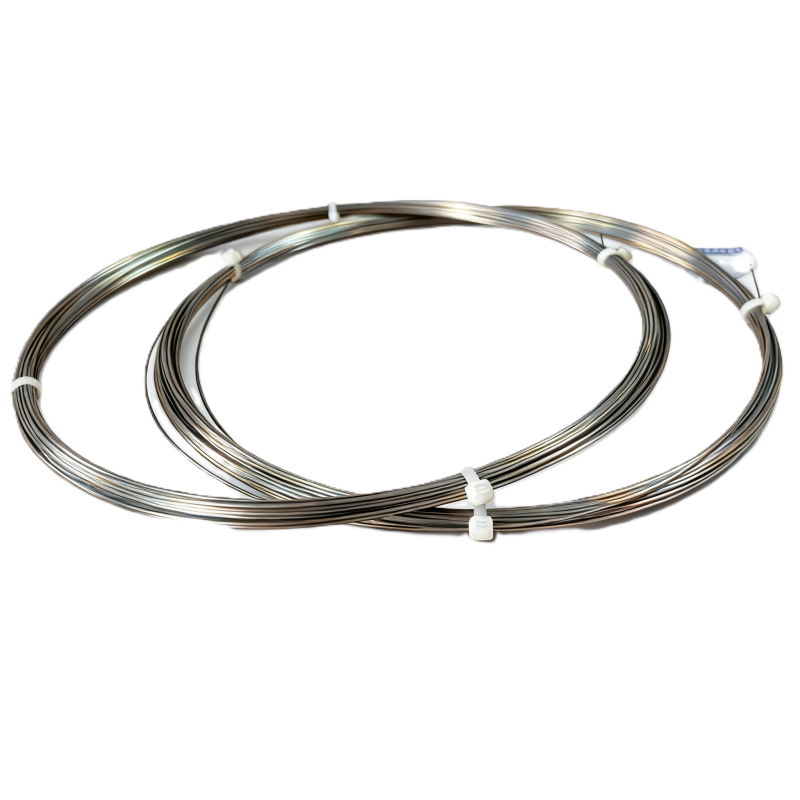
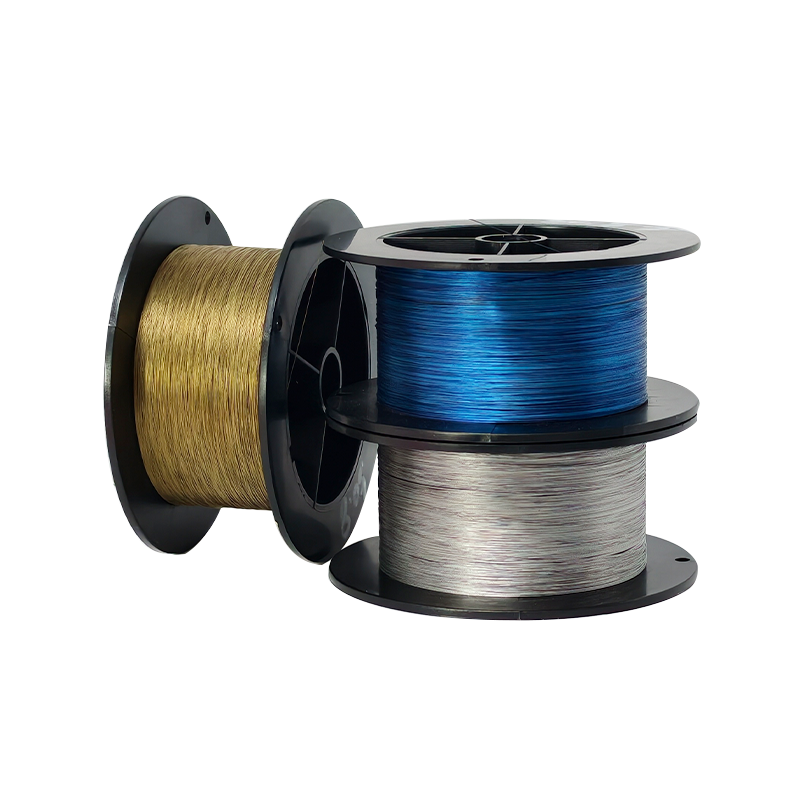
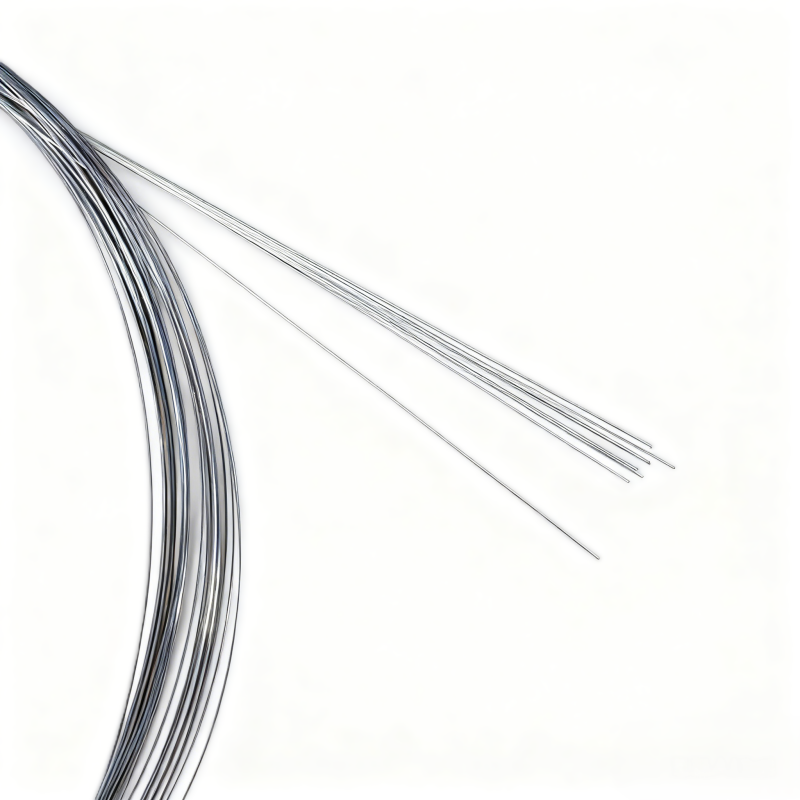
Exceptional Durability and Sterilization Compatibility
The longevity and reliability of professional-grade dental clamps derive from meticulous material selection and manufacturing processes that prioritize both immediate performance and extended service life under demanding clinical conditions. Quality dental clamps utilize medical-grade stainless steel alloys specifically formulated to resist corrosion, maintain structural integrity through countless sterilization cycles, and preserve the precise spring tension that ensures consistent clinical performance over years of regular use. The metallurgical properties of these specialized alloys prevent the degradation, pitting, and discoloration that compromise inferior instruments, ensuring that dental clamps retain their functional characteristics and aesthetic appearance throughout their operational lifespan. Heat treatment processes applied during manufacturing optimize the balance between hardness and flexibility, creating instruments that resist permanent deformation while retaining sufficient elasticity to open for placement and maintain gripping pressure during procedures. This careful engineering prevents the common problems of springs that weaken over time or jaws that bend out of proper alignment after repeated use. The compatibility of premium dental clamps with all standard sterilization methods, including autoclaving, chemical vapor sterilization, and dry heat protocols, ensures practices can integrate these instruments seamlessly into existing infection control workflows without special handling requirements or procedural modifications. Unlike instruments manufactured from inferior materials or with inadequate quality control, professional dental clamps maintain their precise dimensions and mechanical properties through hundreds of sterilization cycles without warping, loosening, or developing surface irregularities that could harbor biofilm or compromise clinical performance. This sterilization durability directly impacts practice economics, as the initial investment in quality dental clamps yields years of reliable service without the recurring costs associated with frequent instrument replacement. The surface finishes applied to superior dental clamps incorporate electropolishing or other advanced treatments that create microscopically smooth surfaces resistant to bacterial adhesion and easily cleaned during instrument processing procedures. These finish characteristics enhance both infection control efficacy and instrument longevity by preventing the accumulation of organic debris and chemical residues that accelerate corrosion and deterioration. Practices that invest in premium dental clamps benefit from predictable instrument performance, reduced replacement costs, and the confidence that their isolation systems will function reliably regardless of patient demographics, procedural complexity, or treatment duration. The environmental and economic advantages of durable, reusable dental clamps contrast sharply with disposable alternatives that generate ongoing costs and contribute to medical waste streams while offering inferior performance characteristics and less reliable moisture control capabilities.

 EN
EN