Pediatric Rubber Dam Clamps: Precision Tools for Safer, More Effective Children's Dentistry

Get a Free Quote

Our representative will contact you soon.
Email
Name
Company Name
Message
0/1000

pediatric rubber dam clamps

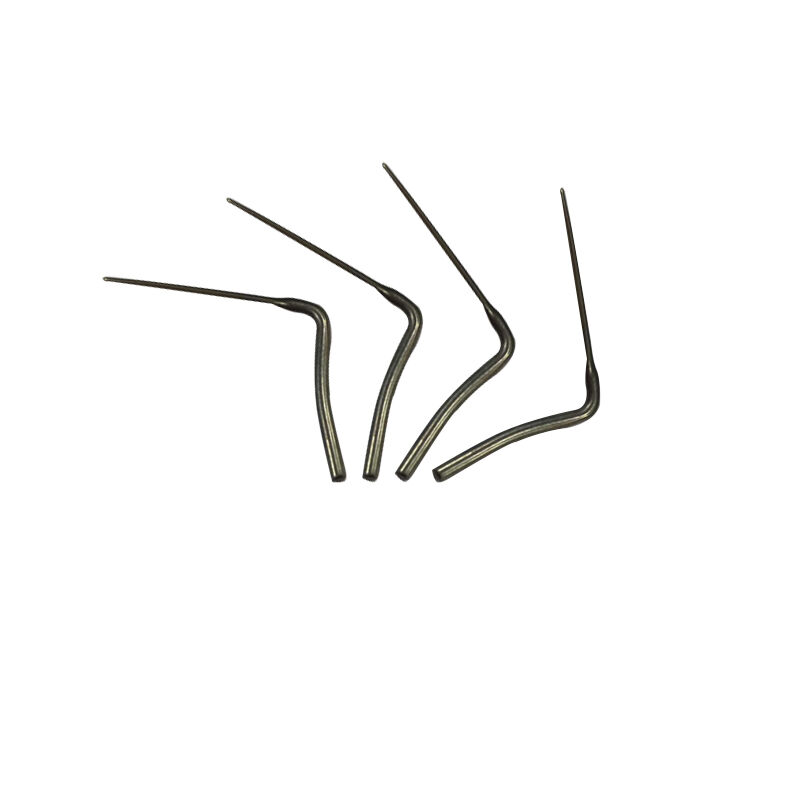
Pediatric rubber dam clamps are essential instruments in modern pediatric dentistry, designed specifically to meet the unique anatomical and procedural needs of young patients. These specialized clamps serve as the anchoring component of the rubber dam system, holding the latex or non-latex dam securely in place around a tooth during dental procedures. Unlike standard adult clamps, pediatric rubber dam clamps are engineered with smaller dimensions, refined jaw designs, and optimized tension to accommodate the deciduous and mixed dentition commonly found in children aged two to twelve years. The primary function of pediatric rubber dam clamps is to isolate the working field from saliva, blood, and other oral fluids, creating a clean, dry environment that is critical for the success of restorative and endodontic treatments. By maintaining this isolation, the clamps help prevent contamination of dental materials such as composites, glass ionomers, and sealants, directly improving the quality and longevity of restorations. From a technological standpoint, pediatric rubber dam clamps are typically manufactured from high-grade stainless steel or nickel-titanium alloys, offering excellent corrosion resistance, durability, and the ability to withstand repeated sterilization cycles in autoclave environments. Many designs incorporate winged or wingless configurations, allowing clinicians to choose the most suitable style based on the specific tooth being treated and the technique being employed. The bow of the clamp is carefully contoured to sit comfortably on small primary molars and premolars without impinging on delicate gingival tissues. Applications of pediatric rubber dam clamps span a wide range of clinical scenarios, including composite resin restorations, pulpotomy and pulpectomy procedures, stainless steel crown placements, and preventive sealant applications. Their use is strongly recommended by leading pediatric dental associations worldwide, as they significantly reduce the risk of aspiration of small instruments and materials, enhance patient safety, and improve overall procedural efficiency. In summary, pediatric rubber dam clamps represent a cornerstone tool in delivering high-quality, safe, and effective dental care to children.


Popular Products

Pediatric rubber dam clamps offer a wide range of practical benefits that make them an indispensable part of any pediatric dental practice. Understanding these advantages helps dental professionals and parents alike appreciate why these small but powerful tools play such a big role in delivering excellent care to young patients. First and foremost, pediatric rubber dam clamps keep the treatment area completely dry and free from saliva. When a dentist works on a child's tooth, moisture control is critical. Saliva can contaminate filling materials and weaken the bond between the tooth and the restoration. By holding the rubber dam firmly in place, these clamps create a clean, isolated workspace that allows dental materials to bond properly and last longer. This directly translates to fewer repeat visits and better long-term outcomes for the child. Second, pediatric rubber dam clamps significantly improve patient safety. Children are naturally curious and may move unexpectedly during a procedure. Small dental instruments, burs, and materials can accidentally fall into the mouth and pose a choking or aspiration hazard. The rubber dam system, anchored securely by the clamp, acts as a physical barrier that catches any dropped items before they reach the throat. This safety feature gives both the dentist and the parent greater peace of mind throughout the appointment. Third, these clamps make the dentist's job easier and faster. When the working field is dry and well-isolated, the dentist can focus entirely on the procedure without constantly stopping to dry the tooth or manage saliva. This efficiency shortens appointment times, which is especially important when treating young children who have limited patience and shorter attention spans. A quicker, smoother appointment is a better experience for everyone involved. Fourth, pediatric rubber dam clamps are built to fit small primary teeth accurately. Children's teeth are much smaller and shaped differently from adult teeth. Standard clamps simply do not fit properly on primary molars or deciduous canines. Pediatric-specific clamps are designed with the right jaw width, bow height, and tension to grip small teeth securely without slipping or causing discomfort. This precise fit reduces the risk of the clamp dislodging mid-procedure, which could startle the child and disrupt the workflow. Fifth, these clamps support better infection control. By isolating the tooth from the rest of the oral cavity, pediatric rubber dam clamps reduce cross-contamination between the treatment site and surrounding tissues. This is particularly important during pulp treatments and restorations where maintaining a sterile field is essential for clinical success. Sixth, using pediatric rubber dam clamps helps manage child behavior more effectively. When children cannot feel water spray or taste dental materials, they tend to be calmer and more cooperative. The rubber dam creates a psychological boundary that reduces sensory overload, making the overall experience less stressful for the child. In conclusion, pediatric rubber dam clamps deliver real, measurable benefits: better restorations, safer procedures, shorter appointments, accurate fit for small teeth, improved infection control, and a calmer child in the dental chair. These advantages make them a smart investment for any practice committed to providing top-tier pediatric dental care.

Latest News

Why is phase transition stability of nickel titanium wire key to actuator success?

13

May

Why is phase transition stability of nickel titanium wire key to actuator success?

In the world of precision actuators, the materials used to generate motion are not merely components — they are the foundation of reliability. nickel titanium wire has emerged as one of the most compelling active materials in modern actuator engineer...
View More
Why do full-process manufacturers provide higher performance Nitinol SMA?

20

May

Why do full-process manufacturers provide higher performance Nitinol SMA?

When engineers and procurement specialists evaluate materials for high-precision medical devices, aerospace components, or advanced actuator systems, the source of the material matters as much as the material itself. Nitinol SMA — the nickel-titanium...
View More
How to utilize one-way and two-way memory in precision medical components?

21

May

How to utilize one-way and two-way memory in precision medical components?

In the development of precision medical components, material intelligence is no longer a concept reserved for science fiction. nitinol wire has fundamentally changed how engineers and medical device designers approach the challenge of building compon...
View More
How to identify high-quality Nitinol sources with a 21-year background?

01

Jun

How to identify high-quality Nitinol sources with a 21-year background?

Sourcing Nitinol for industrial, medical, or specialty applications is not a decision that should be made lightly. Nitinol, the nickel-titanium shape memory alloy renowned for its superelastic behavior and thermal responsiveness, demands a level of m...
View More

Get a Free Quote

Our representative will contact you soon.
Email
Name
Company Name
Message
0/1000

pediatric rubber dam clamps

Precision Fit for Primary Dentition: Why Size Matters in Pediatric Dental Care

Precision Fit for Primary Dentition: Why Size Matters in Pediatric Dental Care

One of the most critical and often overlooked aspects of pediatric dental treatment is the importance of using instruments that are specifically sized and shaped for children's teeth. Pediatric rubber dam clamps are engineered with this exact principle in mind, and their precision fit for primary dentition sets them apart from any general-purpose alternative. Children's primary teeth, also known as baby teeth or deciduous teeth, have a distinctly different morphology compared to permanent adult teeth. They are smaller in overall size, have shorter crowns, more pronounced cervical constrictions, and thinner enamel walls. The roots of primary molars are also more divergent, which affects how a clamp must be positioned to achieve a stable grip without causing tissue trauma. Standard adult rubber dam clamps are simply not designed to accommodate these anatomical differences. When an ill-fitting clamp is forced onto a small primary molar, it can slip, rock, or impinge on the gingival tissue, causing pain and bleeding that immediately disrupts the procedure and distresses the child. Pediatric rubber dam clamps solve this problem by offering jaw widths, bow heights, and spring tensions that are calibrated specifically for the smaller dimensions of primary and mixed dentition. The jaws of a well-designed pediatric clamp contact the tooth at the correct cervical level, distributing clamping force evenly around the tooth without concentrating pressure on any single point. This even distribution prevents enamel fracture, reduces soft tissue injury, and ensures the clamp remains stable throughout the entire procedure. Many pediatric rubber dam clamps also feature serrated or textured jaw tips that grip the tooth surface more effectively, reducing the likelihood of the clamp spinning or dislodging when the child shifts position or when the dentist applies lateral force during cavity preparation. The stability provided by a properly fitting clamp is not just a matter of convenience. It is a direct contributor to procedural success. When the clamp holds firm, the rubber dam maintains its seal, the working field stays dry, and the dentist can work with confidence and precision. For parents, this means their child receives a restoration that is placed under optimal conditions, which translates to a longer-lasting result and fewer return visits for repairs or replacements. In a busy pediatric dental practice, the ability to rely on a clamp that fits correctly the first time also saves valuable chair time and reduces the stress associated with managing an anxious young patient. Investing in high-quality pediatric rubber dam clamps that are designed for the specific anatomy of children's teeth is one of the most practical decisions a pediatric dentist can make, delivering benefits that ripple through every aspect of the clinical experience.
Enhanced Safety and Infection Control: Protecting Young Patients at Every Step

Enhanced Safety and Infection Control: Protecting Young Patients at Every Step

Safety is the highest priority in pediatric dentistry, and pediatric rubber dam clamps play a central role in creating a treatment environment that protects young patients from multiple categories of risk. The safety benefits of these clamps extend well beyond simple moisture control, encompassing aspiration prevention, cross-contamination reduction, and the creation of a controlled clinical field that minimizes the chance of procedural complications. One of the most serious risks in pediatric dental procedures is the accidental aspiration or ingestion of small instruments, burs, or restorative materials. Children are less able than adults to control their swallowing reflex, and they may not understand instructions to keep still or avoid swallowing. The rubber dam, held securely in place by pediatric rubber dam clamps, acts as a physical barrier across the oral cavity, effectively catching any item that might fall from the dentist's hands or the handpiece. This barrier function is not theoretical. Dental literature documents numerous cases where rubber dam use has prevented the aspiration of endodontic files, composite fragments, and other small objects. By anchoring the dam reliably, the clamp ensures this protective barrier remains intact for the full duration of the procedure. From an infection control perspective, pediatric rubber dam clamps contribute to maintaining a sterile or near-sterile working environment around the tooth being treated. Saliva contains a complex mixture of bacteria, enzymes, and organic debris. When saliva contacts a freshly prepared cavity or an open pulp chamber, it introduces microbial contamination that can compromise the success of the restoration or pulp treatment. The rubber dam system, secured by the clamp, creates a physical seal that prevents saliva from reaching the treatment site. This is especially important during pulpotomy and pulpectomy procedures, where the goal is to eliminate infection from the root canal system. Contaminating a cleaned canal with fresh saliva can reintroduce bacteria and lead to treatment failure. Pediatric rubber dam clamps are manufactured from materials that withstand repeated autoclave sterilization without degrading, warping, or losing their spring tension. This durability ensures that the clamps maintain their clamping force and structural integrity across hundreds of sterilization cycles, supporting consistent infection control standards throughout the lifespan of the instrument. For dental practices that prioritize patient safety and clinical excellence, choosing pediatric rubber dam clamps that meet rigorous manufacturing standards is a straightforward way to reinforce their commitment to protecting every child who sits in the dental chair.
Improved Clinical Efficiency and Better Treatment Outcomes for Children

Improved Clinical Efficiency and Better Treatment Outcomes for Children

In pediatric dentistry, clinical efficiency is not simply about saving time. It is about delivering the best possible treatment within the limited window of cooperation that a young child can offer. Pediatric rubber dam clamps are a key enabler of this efficiency, transforming the working environment in ways that allow the dentist to perform at their highest level while keeping the child comfortable and calm throughout the appointment. When a pediatric rubber dam clamp is correctly placed and the rubber dam is properly stretched and secured, the dentist gains immediate access to a dry, well-lit, and unobstructed field. There is no need to pause repeatedly to dry the tooth with an air syringe, reposition a cotton roll, or ask the child to stop moving their tongue. The isolation is continuous and reliable, allowing the dentist to maintain a steady workflow from the moment the cavity is prepared to the final polish of the restoration. This uninterrupted workflow has a direct impact on the quality of the finished restoration. Dental adhesives, composite resins, and glass ionomer cements all require a moisture-free surface to bond effectively. Even a brief moment of salivary contamination during the bonding step can weaken the adhesive interface and lead to premature restoration failure, secondary caries, or marginal leakage. Pediatric rubber dam clamps eliminate this risk by maintaining consistent isolation throughout the entire bonding and curing sequence. The result is a restoration that bonds at full strength, seals the cavity margins effectively, and provides the child with a durable repair that can last for the full intended lifespan of the primary tooth. Beyond the technical benefits, the use of pediatric rubber dam clamps also contributes to a more positive behavioral experience for the child. Children who cannot taste dental materials, feel water spray on their tongue, or experience the discomfort of a wet working field tend to be more relaxed and cooperative. The rubber dam creates a sensory boundary that simplifies the child's experience of the procedure, reducing the number of stimuli they must process and respond to. This behavioral benefit is particularly valuable for children with dental anxiety or sensory sensitivities, where minimizing unexpected sensations can make the difference between a successful appointment and one that must be abandoned. For dental practices, the efficiency gains from using pediatric rubber dam clamps accumulate over time into significant improvements in patient throughput, restoration longevity, and overall practice reputation. Parents notice when their child's fillings last, when appointments run smoothly, and when their child leaves the office without distress. Pediatric rubber dam clamps are a foundational tool that supports all of these outcomes, making them an essential component of any practice that is serious about delivering exceptional pediatric dental care.
Pediatric Rubber Dam Clamps: Precision Tools for Safer, More Effective Children's Dentistry

Get a Free Quote

Our representative will contact you soon.
Email
Name
Company Name
Message
0/1000
Newsletter
Please Leave A Message With Us