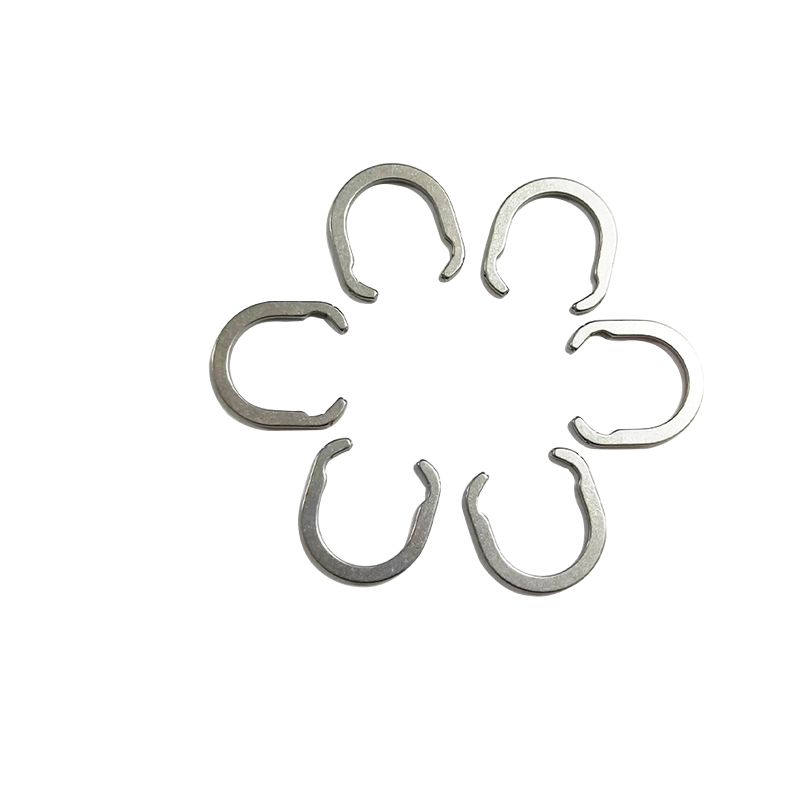
Nickel Titanium Wire: Shape Memory, Superelastic Performance for Medical and Industrial Use

Get a Free Quote

Our representative will contact you soon.
Email
Name
Company Name
Message
0/1000

nickel titanium wire

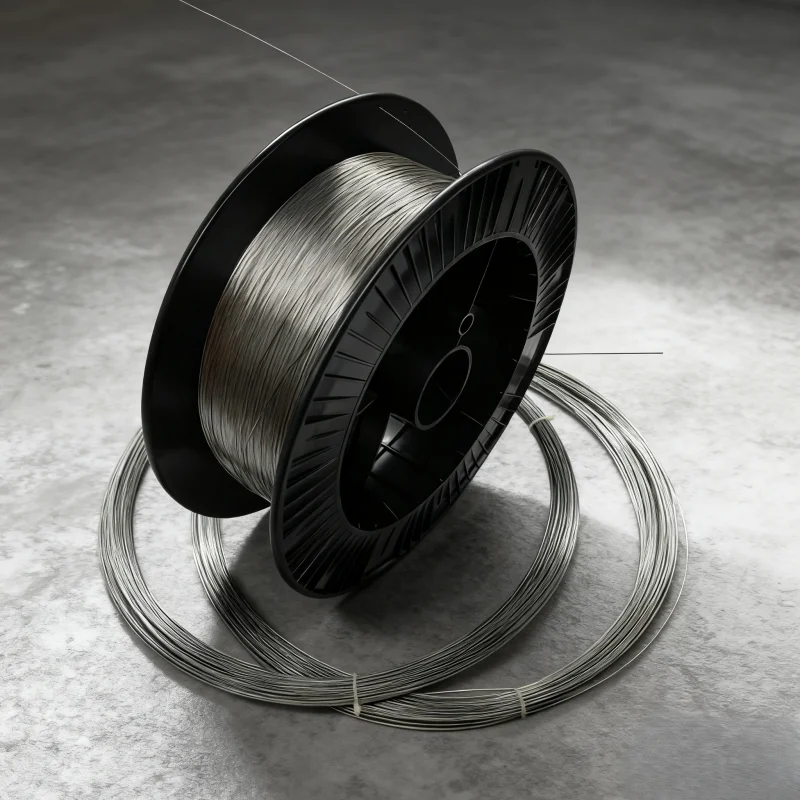
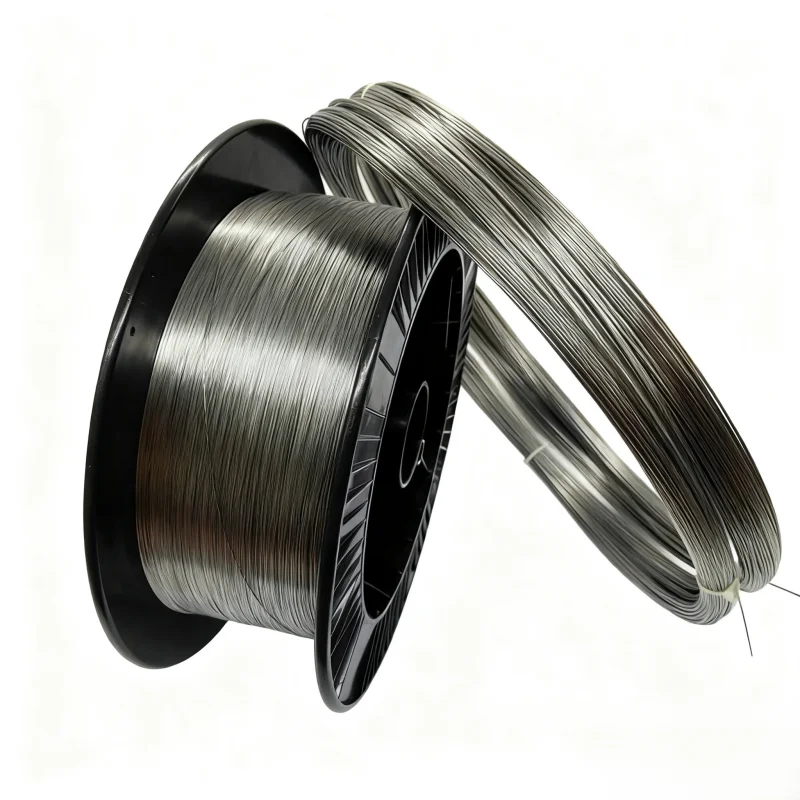
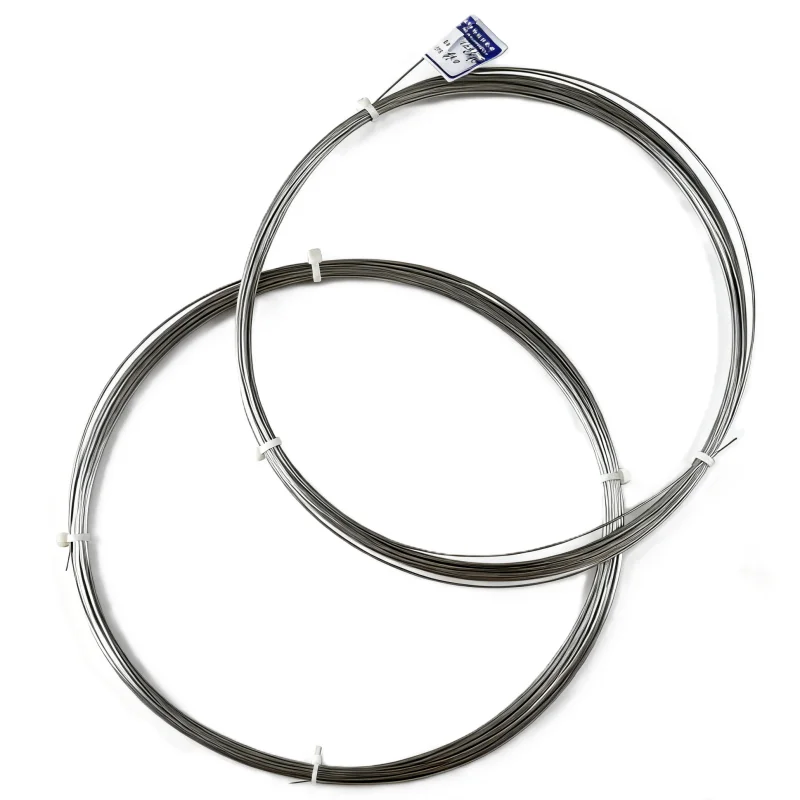
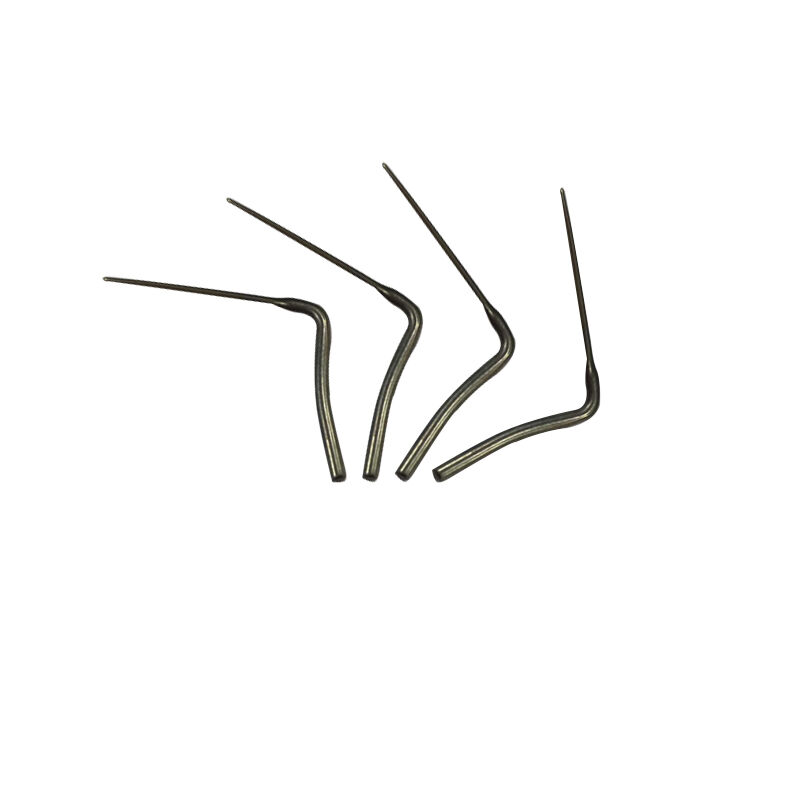
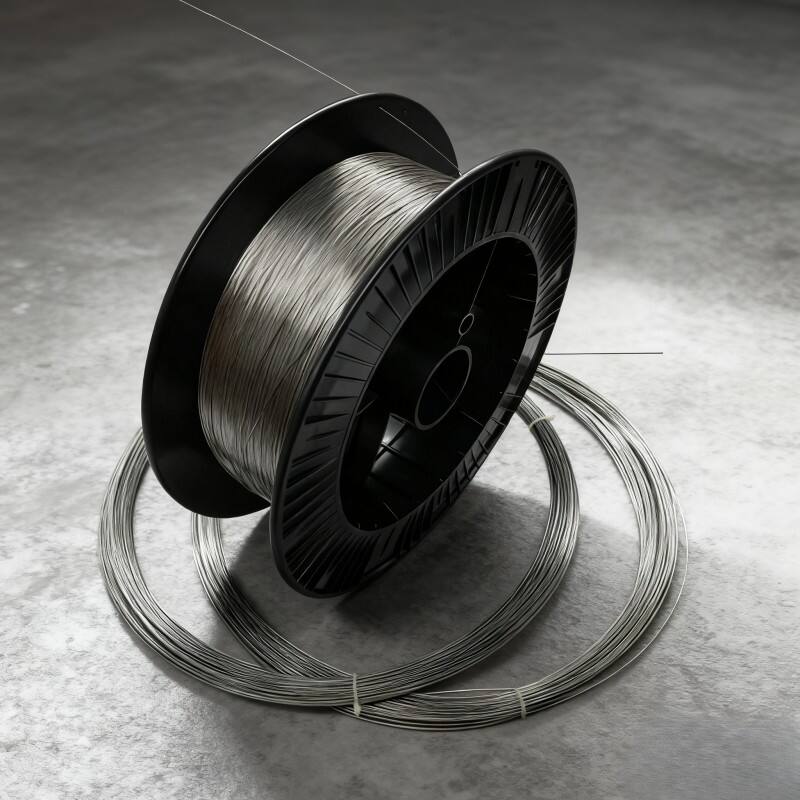
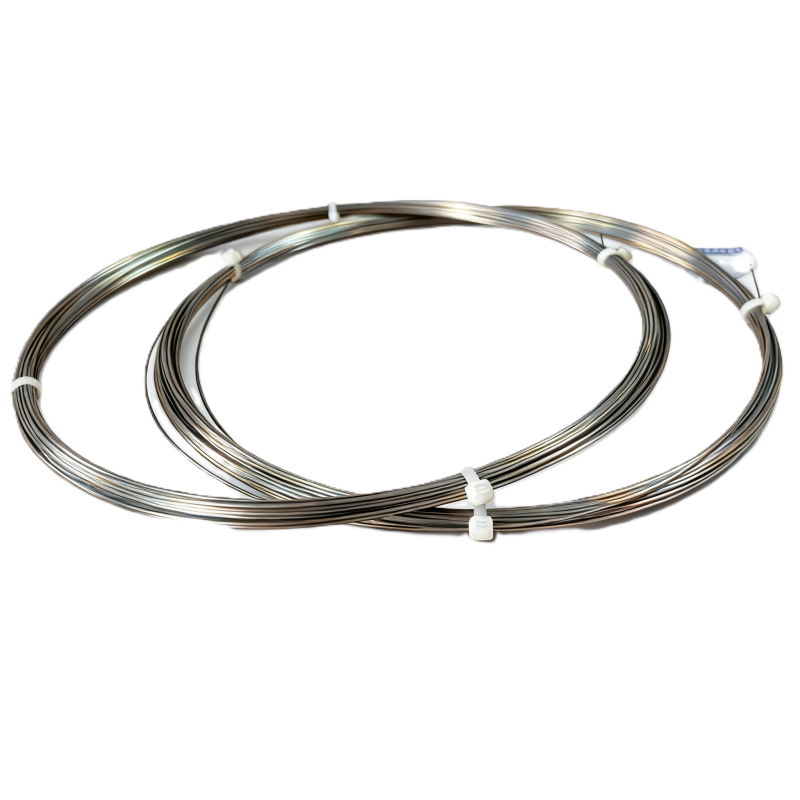
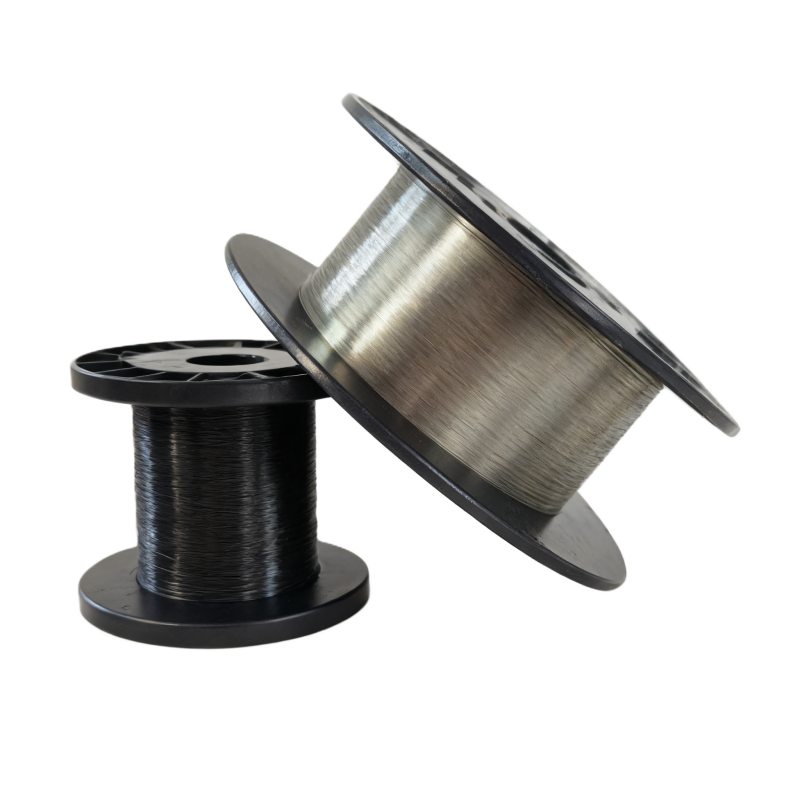
Nickel titanium wire, commonly known as Nitinol wire, is a remarkable engineering material that has transformed multiple industries through its extraordinary physical and mechanical properties. This specialized alloy, composed of roughly equal atomic percentages of nickel and titanium, exhibits two defining characteristics that set it apart from conventional metals: shape memory effect and superelasticity. These properties make nickel titanium wire one of the most versatile and sought-after materials in advanced manufacturing and medical technology today. The shape memory effect allows nickel titanium wire to return to a pre-programmed shape after being deformed, simply by applying heat. This behavior stems from a reversible phase transformation between two solid-state crystal structures, known as austenite and martensite. When the wire is cooled, it enters the martensitic phase and can be easily deformed. Upon reheating above its transformation temperature, it reverts to the austenitic phase and recovers its original shape with impressive precision. Superelasticity, the second key feature, enables nickel titanium wire to undergo significant elastic deformation, up to 8 percent strain, and return to its original form without any permanent change once the stress is removed. This behavior occurs at body temperature, which is why nickel titanium wire has become indispensable in medical device manufacturing. Beyond these two headline properties, nickel titanium wire also offers excellent corrosion resistance, good biocompatibility, and strong fatigue resistance under cyclic loading. These attributes make it suitable for demanding environments where conventional stainless steel or copper-based wires would fail prematurely. Applications of nickel titanium wire span a wide range of fields. In medicine, it is used in guidewires, stents, orthodontic archwires, and surgical instruments. In aerospace and robotics, it serves as actuators and sensors. In consumer electronics, it enables compact, reliable mechanisms. The combination of functional intelligence and mechanical durability makes nickel titanium wire a material that continues to drive innovation across industries worldwide.

New Product Recommendations

Nickel titanium wire delivers a set of practical benefits that make it a smart choice for engineers, designers, and manufacturers working across demanding applications. Unlike ordinary metal wires that simply conduct or support loads, nickel titanium wire actively responds to its environment, giving your products a level of performance that passive materials simply cannot match. Here is a clear look at what makes nickel titanium wire stand out in real-world use. First, nickel titanium wire remembers its shape. Once you program a specific geometry into the wire through a heat-setting process, it will return to that shape every time it is heated above its transition temperature. This means you can build components that self-actuate without motors, gears, or complex electronics. For product designers, this translates directly into simpler assemblies, fewer moving parts, and lower production costs over time. Second, nickel titanium wire bends without breaking. Its superelastic behavior allows it to stretch and flex far beyond what stainless steel or standard alloy wires can handle, and it springs back perfectly every single time. If your application involves repeated bending, twisting, or compression cycles, nickel titanium wire holds up where other materials fatigue and fail. This durability reduces replacement frequency and lowers maintenance costs for end users. Third, nickel titanium wire is safe inside the human body. Its biocompatibility means it does not trigger harmful reactions when used in medical devices. Orthodontists rely on it for braces because it applies gentle, consistent force over long periods without needing frequent adjustments. Surgeons use it in stents and guidewires because it navigates complex anatomy reliably. For medical device manufacturers, choosing nickel titanium wire means meeting strict regulatory standards more easily while delivering better patient outcomes. Fourth, nickel titanium wire resists corrosion exceptionally well. Exposure to moisture, body fluids, saline environments, and mild chemicals does not degrade its performance. This makes it a dependable long-term solution in marine, medical, and industrial settings where material degradation is a constant concern. You get consistent performance over the full service life of your product without costly protective coatings or frequent inspections. Fifth, nickel titanium wire is lightweight. Compared to steel-based alternatives that offer similar strength, nickel titanium wire contributes less mass to your assembly. In aerospace, robotics, and wearable technology, every gram matters. Using nickel titanium wire helps you hit weight targets without sacrificing mechanical performance or functional capability. Sixth, nickel titanium wire gives you design freedom. Because it can be drawn into very fine diameters while retaining its functional properties, it fits into compact spaces that bulkier actuator systems cannot reach. Whether you are designing a minimally invasive surgical tool or a micro-robotic actuator, nickel titanium wire scales down without losing what makes it valuable. Taken together, these advantages mean that nickel titanium wire is not just a material choice, it is a performance upgrade. It simplifies designs, extends product life, opens new application possibilities, and helps you deliver more value to your customers with every product you build.

Tips And Tricks

Why is phase transition stability of nickel titanium wire key to actuator success?

13

May

Why is phase transition stability of nickel titanium wire key to actuator success?

In the world of precision actuators, the materials used to generate motion are not merely components — they are the foundation of reliability. nickel titanium wire has emerged as one of the most compelling active materials in modern actuator engineer...
View More
Why do full-process manufacturers provide higher performance Nitinol SMA?

20

May

Why do full-process manufacturers provide higher performance Nitinol SMA?

When engineers and procurement specialists evaluate materials for high-precision medical devices, aerospace components, or advanced actuator systems, the source of the material matters as much as the material itself. Nitinol SMA — the nickel-titanium...
View More
Why is a brand with a 5,000m² factory more professional in Nitinol customization?

22

May

Why is a brand with a 5,000m² factory more professional in Nitinol customization?

When sourcing advanced shape memory alloys for medical devices, aerospace components, or industrial actuators, the manufacturing environment behind a supplier tells you far more than a product catalog ever could. Nitinol customization is a precision-...
View More
What breakthroughs can Nitinol material bring to future flexible robot joints?

25

May

What breakthroughs can Nitinol material bring to future flexible robot joints?

The evolution of robotics is deeply tied to the materials that power movement, flexibility, and responsiveness. Among the most promising advances in this space, Nitinol material stands out as a transformative force in the design of flexible robot joi...
View More

Get a Free Quote

Our representative will contact you soon.
Email
Name
Company Name
Message
0/1000

nickel titanium wire

Shape Memory Effect: Engineering Intelligence Built Into Every Wire

Shape Memory Effect: Engineering Intelligence Built Into Every Wire

The shape memory effect is the defining characteristic that separates nickel titanium wire from every other metal wire on the market. This is not a surface treatment or a coating. It is a fundamental property embedded in the atomic structure of the alloy itself, and it gives nickel titanium wire a level of functional intelligence that engineers have been leveraging for decades to solve problems that passive materials simply cannot address. Here is how it works in practical terms. During manufacturing, nickel titanium wire is heat-set into a specific shape at an elevated temperature. This programs the austenitic crystal structure of the wire to recognize that geometry as its default state. When the wire is cooled below its transformation temperature, it transitions into the martensitic phase, becoming soft and easy to deform. You can bend it, compress it, or reshape it with minimal force. The wire holds that deformed shape at low temperature without any springback. Then, when you heat it above the transformation temperature, the crystal structure switches back to austenite, and the wire physically moves back to its programmed shape with measurable force and precision. What makes this commercially powerful is the ability to tune the transformation temperature during alloy production. By adjusting the nickel-to-titanium ratio and applying specific heat treatments, manufacturers can set the transition point anywhere from well below zero degrees Celsius to above 100 degrees Celsius. This means nickel titanium wire can be engineered to activate at body temperature for medical implants, at ambient room temperature for consumer devices, or at elevated temperatures for industrial actuators. For product developers, this tunability means nickel titanium wire can be customized to fit the thermal environment of virtually any application without redesigning the surrounding system. The shape memory effect also enables repeated actuation cycles. Unlike a one-time mechanical trigger, nickel titanium wire can complete thousands of shape recovery cycles while maintaining consistent output force and displacement. This makes it ideal for applications that require reliable, repeatable motion, such as valve actuators, robotic grippers, and orthodontic appliances that must perform consistently over months or years of use. The practical result is a wire that does mechanical work on its own, replacing motors, solenoids, and pneumatic systems in applications where size, weight, and simplicity are critical constraints. Nickel titanium wire brings motion and intelligence to your design without adding complexity.
Superelasticity: Unmatched Flexibility That Always Bounces Back

Superelasticity: Unmatched Flexibility That Always Bounces Back

Superelasticity is the second transformative property of nickel titanium wire, and for many applications it is the more immediately useful of the two. While the shape memory effect requires a temperature change to trigger actuation, superelasticity operates passively and continuously at a fixed temperature, typically around body temperature, making it the property of choice for medical devices, sports equipment, eyeglass frames, and any application where the wire must flex repeatedly and recover completely without any external input. To understand why superelasticity matters, consider what happens when you bend a conventional metal wire. Beyond a certain strain threshold, the wire deforms plastically, meaning the atomic bonds shift permanently and the wire stays bent. Stainless steel, copper, and most engineering alloys behave this way. Once they are deformed past their elastic limit, they do not come back. Nickel titanium wire behaves differently. Under stress, it undergoes a reversible phase transformation from austenite to stress-induced martensite. This transformation absorbs the mechanical energy of deformation across a wide strain range, up to approximately 8 percent, which is roughly four times the elastic limit of stainless steel. When the stress is removed, the martensite reverts to austenite and the wire returns to its original shape completely, with no permanent set and no loss of mechanical integrity. In orthodontics, this property is what allows nickel titanium wire archwires to apply light, continuous force to teeth over extended periods. A conventional steel wire would need to be adjusted frequently as teeth move, because the wire loses its stored energy quickly. A nickel titanium wire archwire maintains a nearly constant force level across a wide range of deflection, which means fewer patient visits, more comfortable treatment, and more predictable tooth movement. In minimally invasive surgery, superelastic nickel titanium wire guidewires and catheters can navigate tight curves and tortuous anatomy without kinking or permanently deforming. The wire bends to follow the path of least resistance through the body and then recovers its straight profile when the load is released. This reliability is critical in procedures where a kinked guidewire could compromise patient safety. For industrial and consumer applications, superelastic nickel titanium wire provides fatigue resistance that extends product service life dramatically. Components that flex millions of times, such as flexible connectors, antenna elements, and vibration dampeners, maintain their performance far longer when made from nickel titanium wire than from conventional spring alloys. The result is lower warranty costs, higher customer satisfaction, and a stronger competitive position for manufacturers who choose nickel titanium wire as their material of choice.
Biocompatibility and Corrosion Resistance: Safe, Durable, and Built for Demanding Environments

Biocompatibility and Corrosion Resistance: Safe, Durable, and Built for Demanding Environments

Two of the most practically important but often underappreciated properties of nickel titanium wire are its biocompatibility and its resistance to corrosion. Together, these characteristics open doors to applications in the human body, in harsh chemical environments, and in long-service industrial systems where material degradation is a constant engineering challenge. Biocompatibility means that nickel titanium wire does not provoke harmful biological responses when it comes into contact with living tissue or body fluids. This is a non-trivial achievement for an alloy that contains nickel, a metal that is a known allergen in its free ionic form. The key is the stable titanium oxide layer that forms naturally on the surface of nickel titanium wire when it is exposed to oxygen. This passive oxide layer acts as a barrier that prevents nickel ions from leaching into surrounding tissue, effectively neutralizing the allergenic risk. The result is a wire that the human body tolerates well, which is why nickel titanium wire has received regulatory clearance for use in a wide range of implantable and body-contact medical devices across major global markets. In orthodontics, nickel titanium wire archwires sit in the oral environment for months at a time, exposed to saliva, food acids, and temperature fluctuations, without causing tissue irritation or losing mechanical performance. In cardiovascular medicine, nickel titanium wire stents expand inside blood vessels and remain there permanently, maintaining vessel patency without triggering chronic inflammation. In orthopedic surgery, nickel titanium wire components interact with bone and soft tissue over extended periods with a well-documented safety profile. For medical device manufacturers, the biocompatibility of nickel titanium wire simplifies the regulatory pathway and reduces the risk of post-market safety issues, which translates directly into faster time to market and lower liability exposure. Corrosion resistance extends the value of nickel titanium wire well beyond medical applications. The same titanium oxide surface layer that provides biocompatibility also protects the wire against oxidation, pitting, and chemical attack in saline solutions, mild acids, and humid industrial environments. Compared to carbon steel or even many grades of stainless steel, nickel titanium wire maintains its mechanical properties and surface integrity over much longer service periods without requiring protective coatings, plating, or frequent replacement. In marine applications, oceanographic instruments, and offshore equipment, nickel titanium wire components resist the corrosive effects of seawater far better than conventional alternatives. In industrial automation, nickel titanium wire actuators and sensors operate reliably in environments with cleaning chemicals, process fluids, and atmospheric moisture that would degrade other materials quickly. The combination of biocompatibility and corrosion resistance makes nickel titanium wire a material that you can deploy with confidence in the most demanding environments your products will ever face, knowing that performance will remain consistent from the first day of service to the last.
Nickel Titanium Wire: Shape Memory, Superelastic Performance for Medical and Industrial Use

Get a Free Quote

Our representative will contact you soon.
Email
Name
Company Name
Message
0/1000
Newsletter
Please Leave A Message With Us