niti superelastic
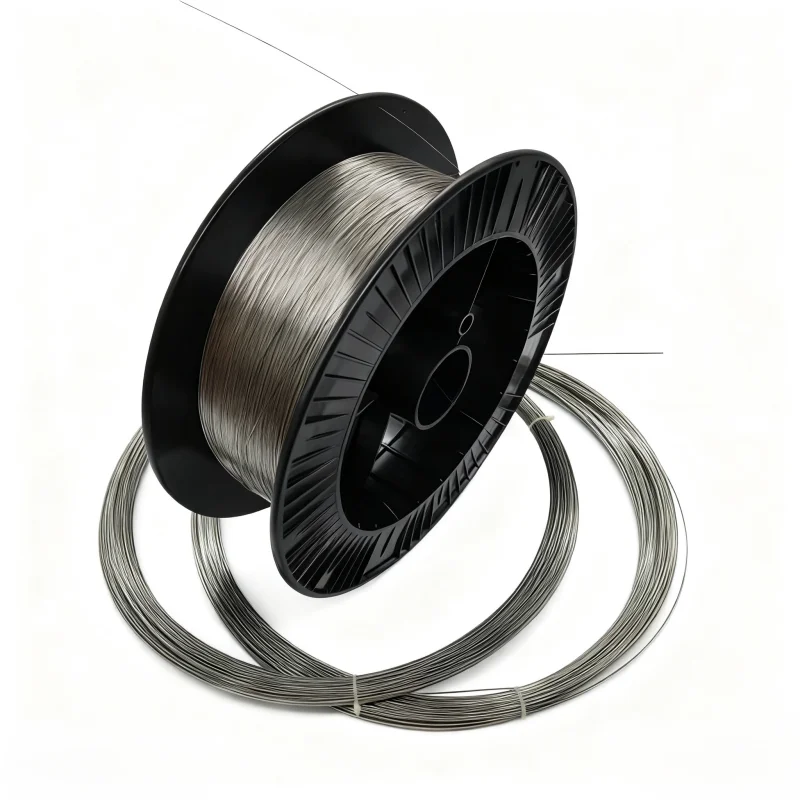
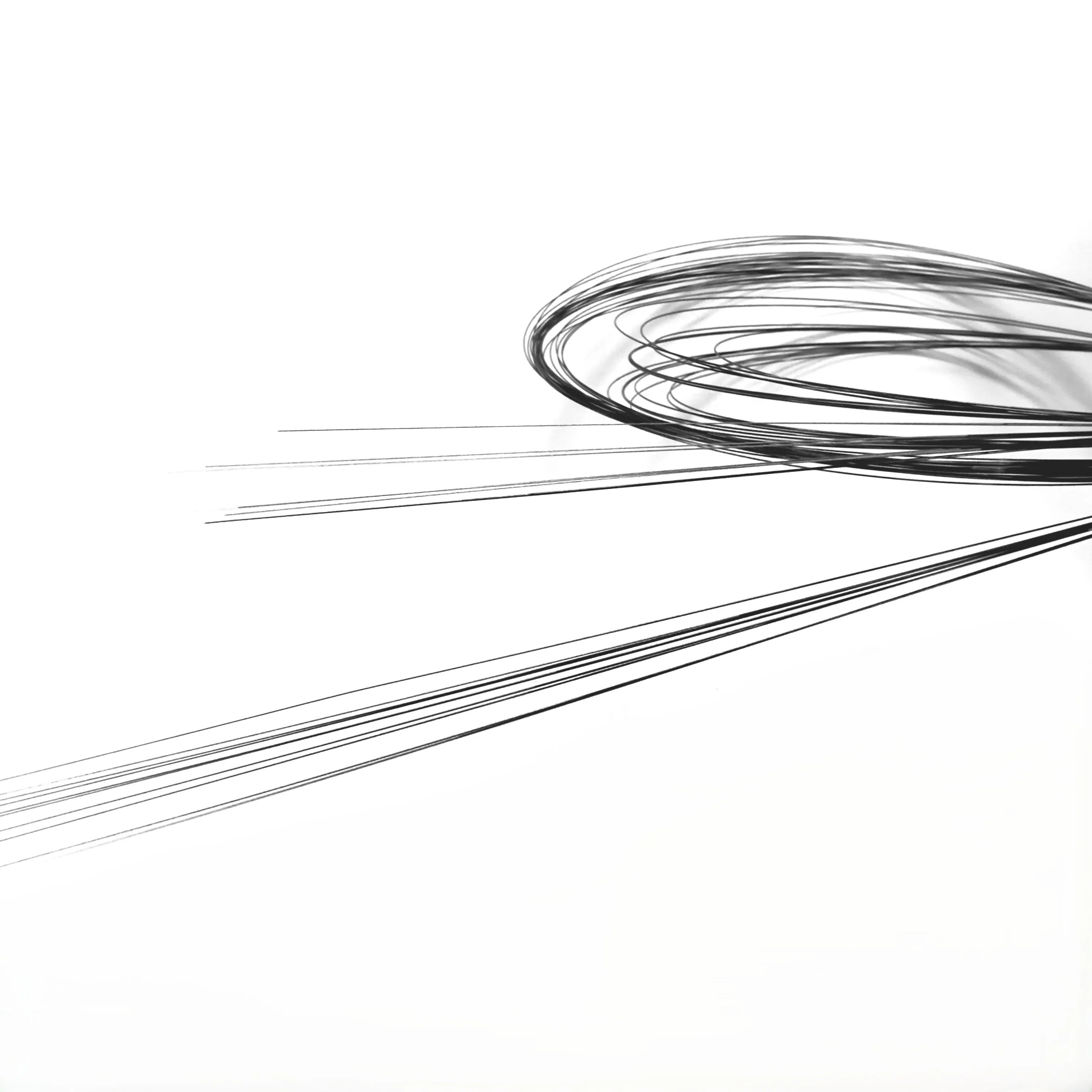
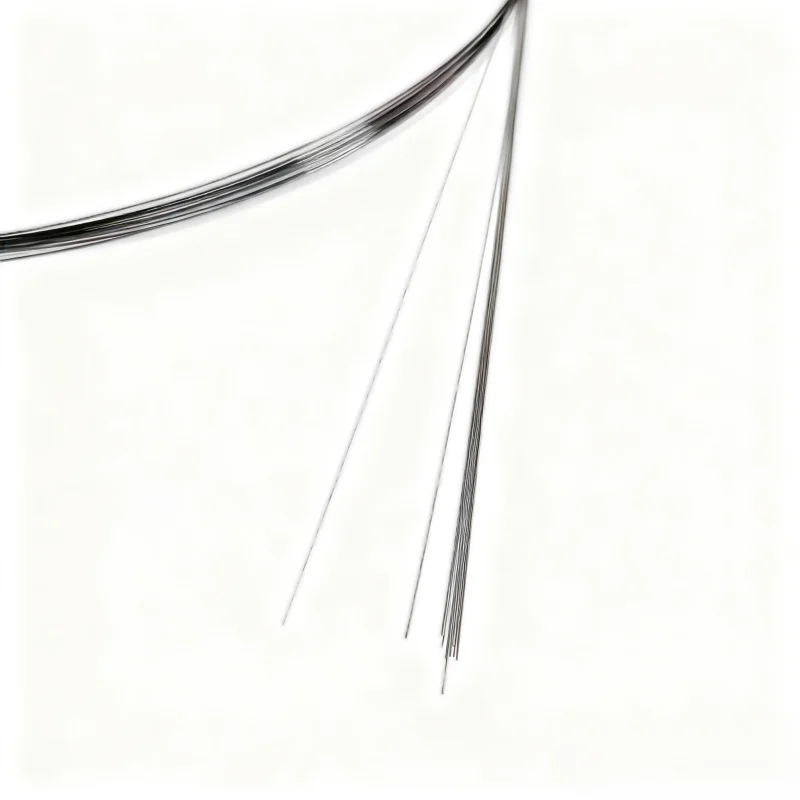
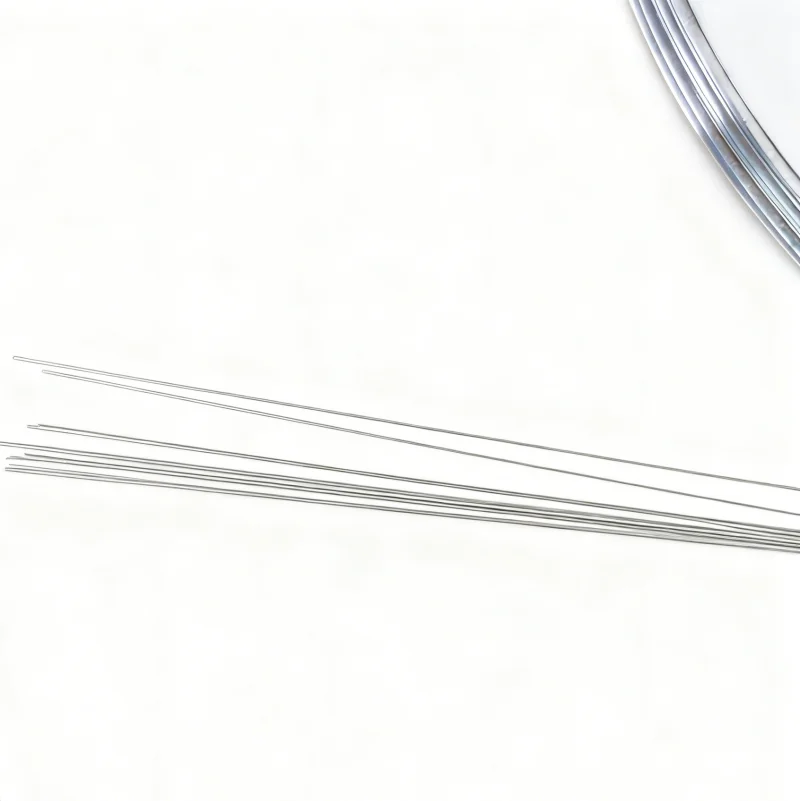
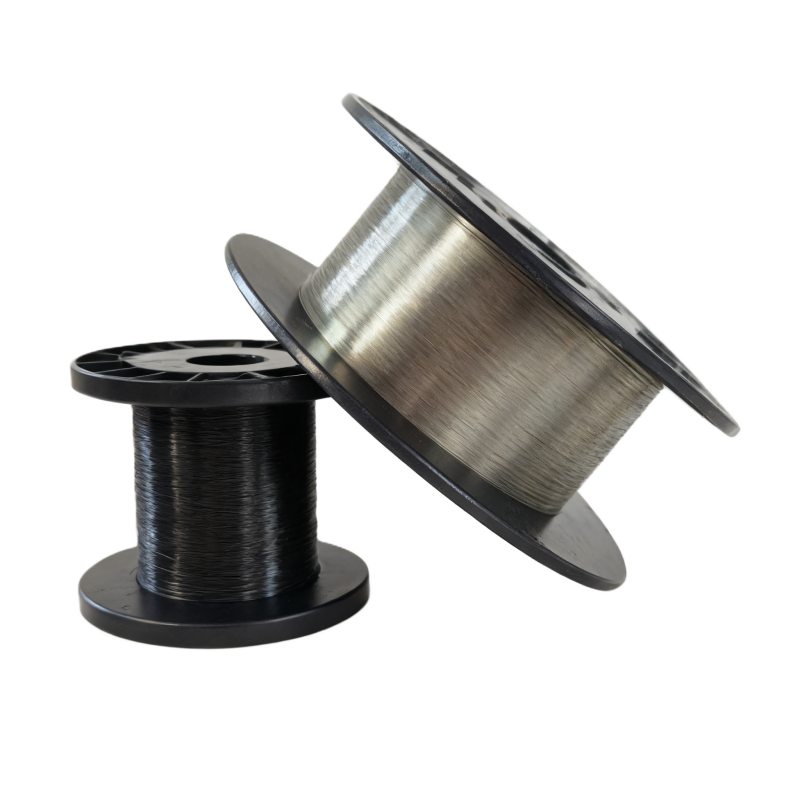
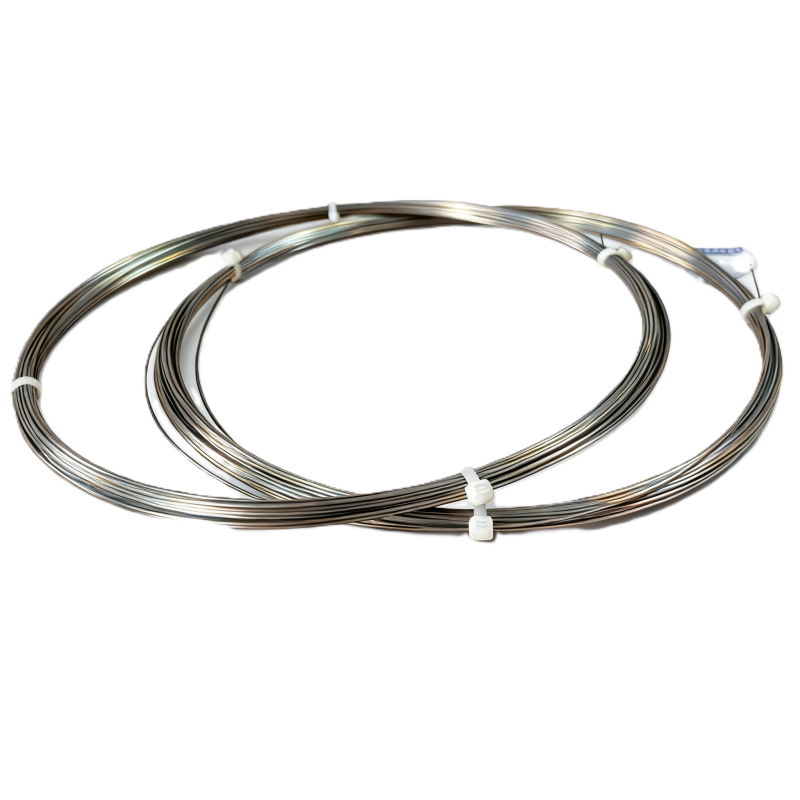
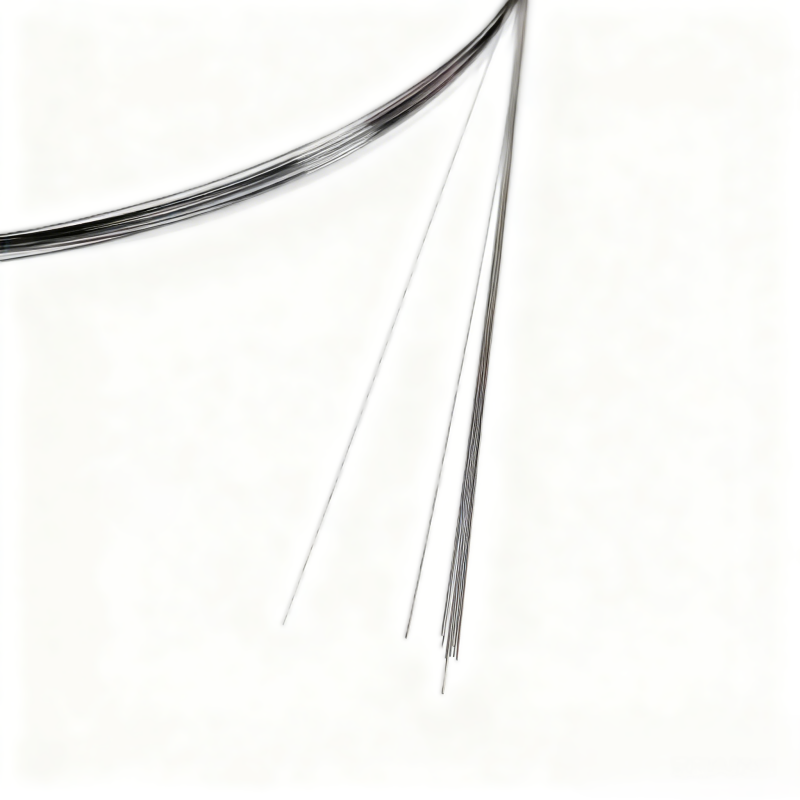
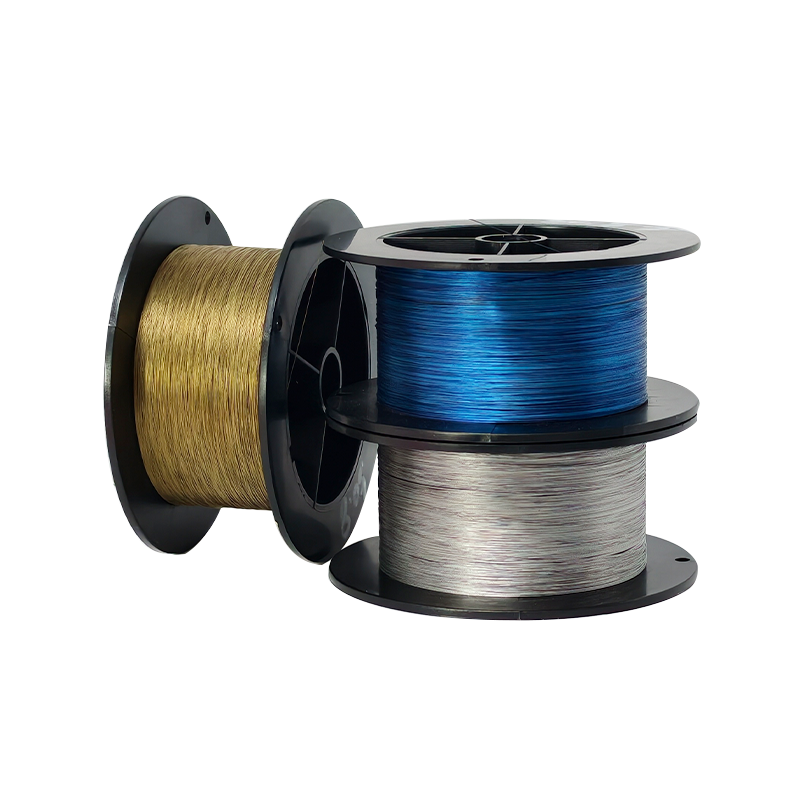
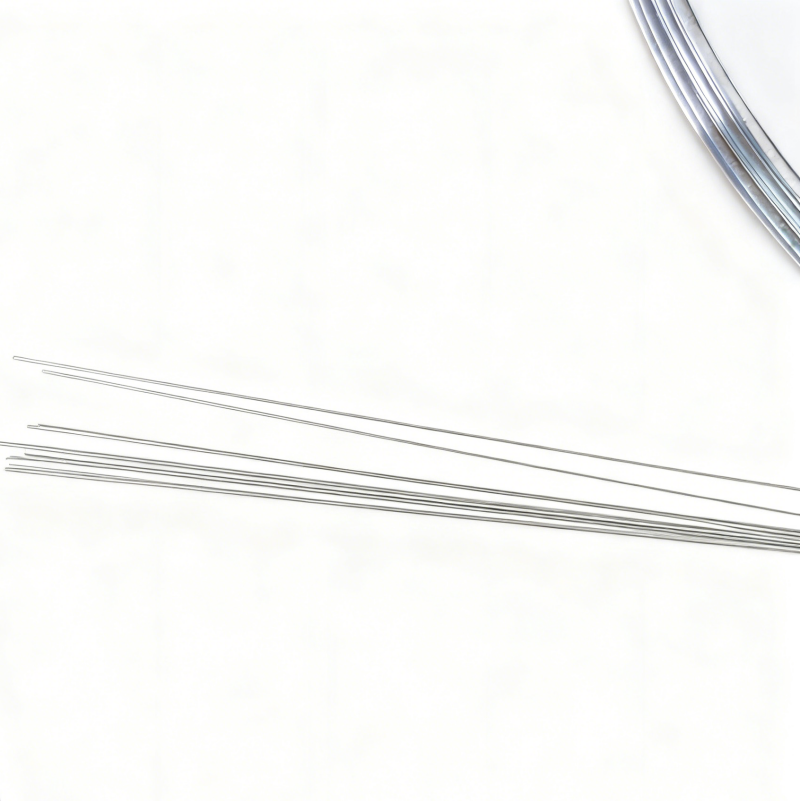
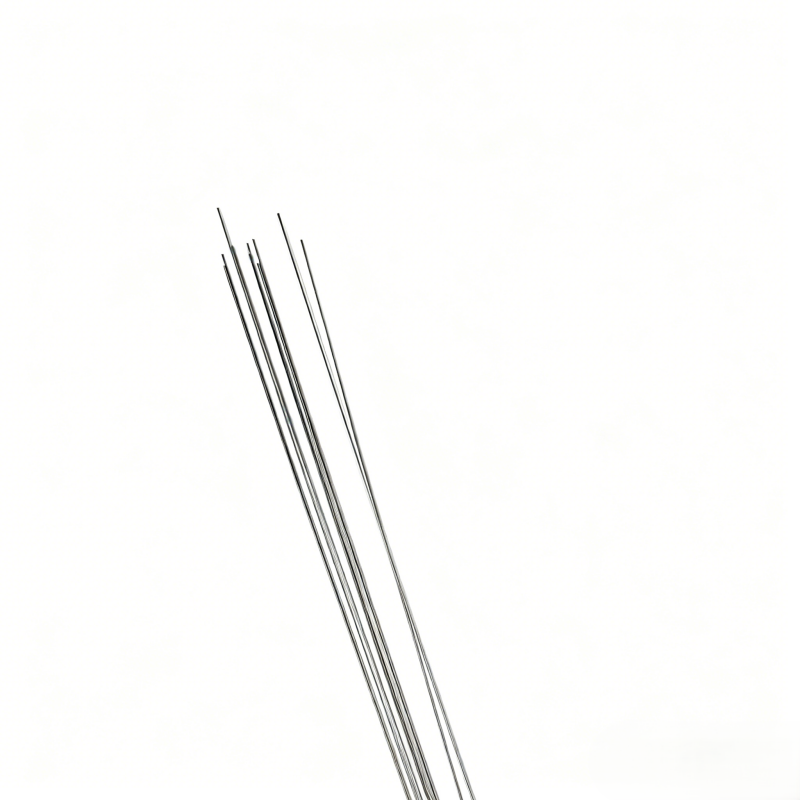
NiTi superelastic material, also known as nickel-titanium superelastic alloy, represents one of the most remarkable engineering breakthroughs in modern materials science. Derived from an equal atomic ratio of nickel and titanium, NiTi superelastic alloy exhibits a unique ability to undergo significant deformation and then return to its original shape once the applied stress is removed. This behavior, known as the superelastic effect, is driven by a stress-induced martensitic phase transformation that occurs at the atomic level within the alloy's crystalline structure. Unlike conventional metals that deform permanently under stress, NiTi superelastic material recovers strains of up to 8 percent, making it extraordinarily resilient in demanding environments. The core function of NiTi superelastic alloy is to provide reliable, repeatable mechanical performance in applications where conventional materials would fail or fatigue prematurely. Its technological features include exceptional corrosion resistance, outstanding biocompatibility, high fatigue strength, and a wide operational temperature range. These properties make NiTi superelastic components suitable for use in aggressive chemical environments, human body implantation, and high-cycle mechanical systems. In the medical field, NiTi superelastic wire and tubing are widely used in orthodontic archwires, guidewires, stents, and minimally invasive surgical instruments. The material's ability to flex and recover without permanent deformation allows medical devices to navigate complex anatomical pathways safely and effectively. In the aerospace and automotive industries, NiTi superelastic components serve as actuators, vibration dampers, and flexible connectors that must endure repeated mechanical loading without degradation. The consumer electronics sector also benefits from NiTi superelastic properties in eyeglass frames, phone components, and wearable devices that require both flexibility and durability. Additionally, NiTi superelastic alloy plays a growing role in civil engineering as seismic dampers and structural connectors that absorb and dissipate energy during earthquakes. With ongoing advances in processing technology, NiTi superelastic products are now available in a wide range of forms including wire, sheet, tube, and custom-machined components, enabling engineers and designers across industries to integrate this exceptional material into next-generation products with confidence and precision.

 EN
EN