nickel titanium wire contract manufacturing
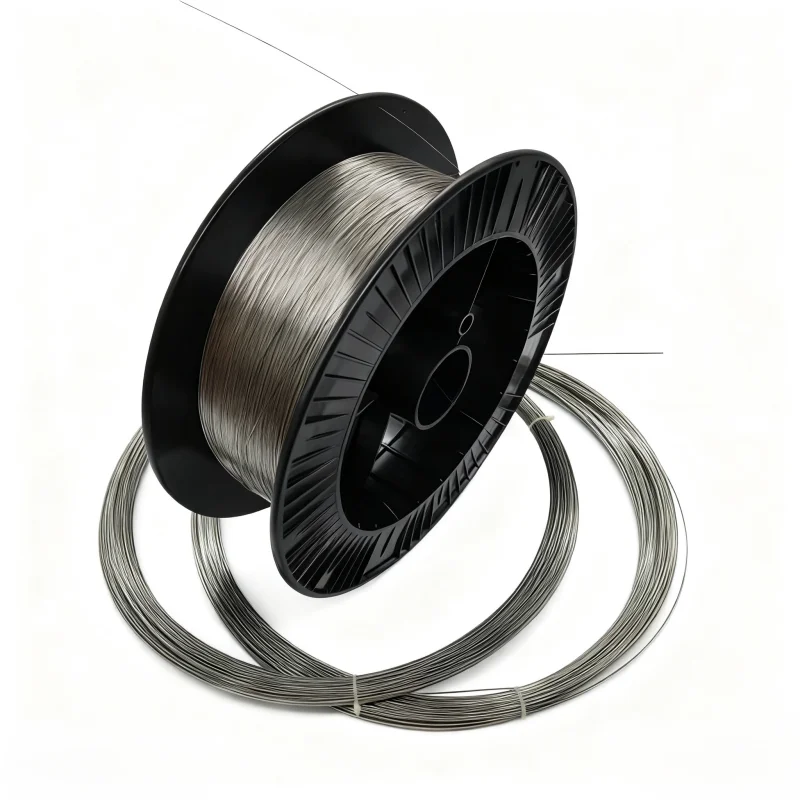
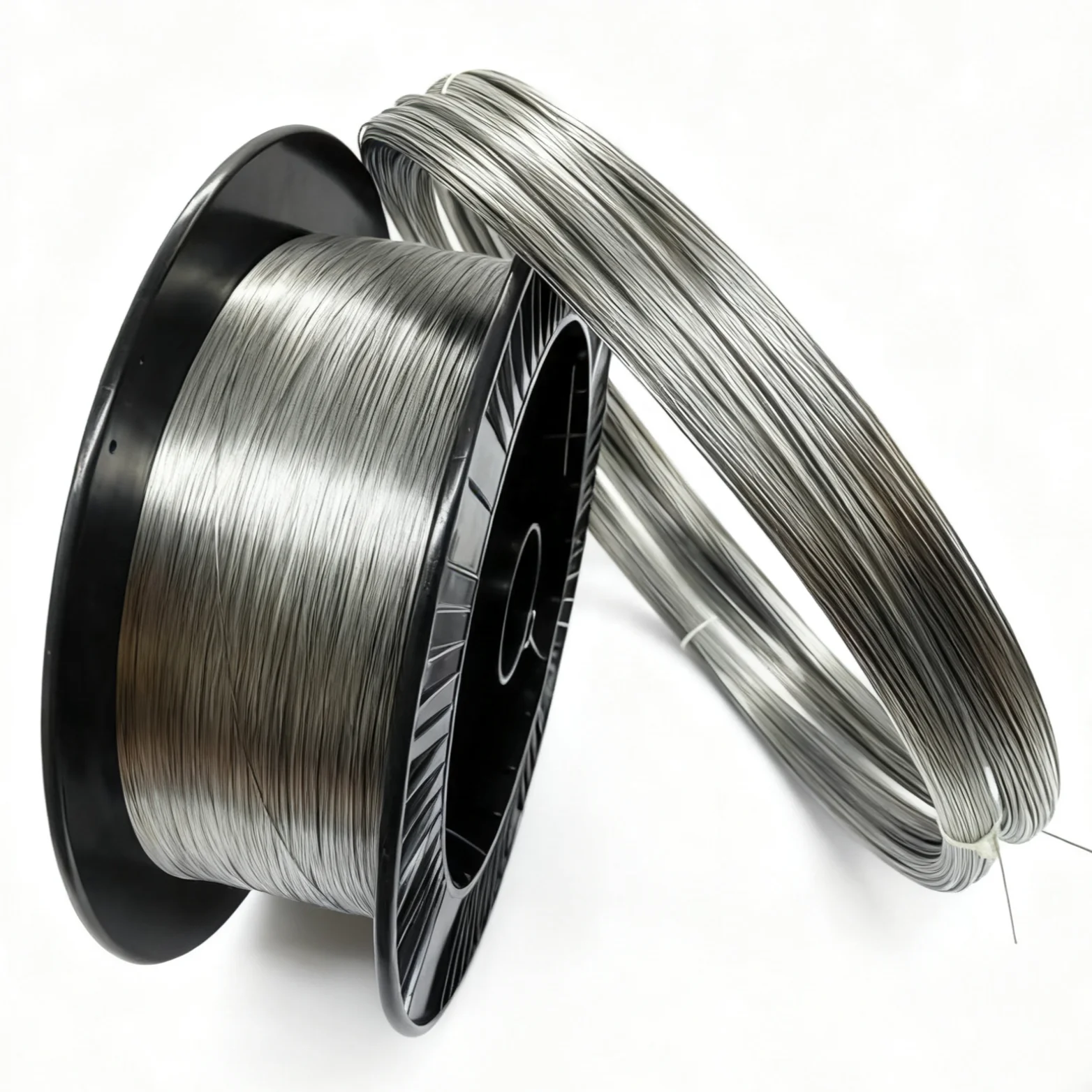
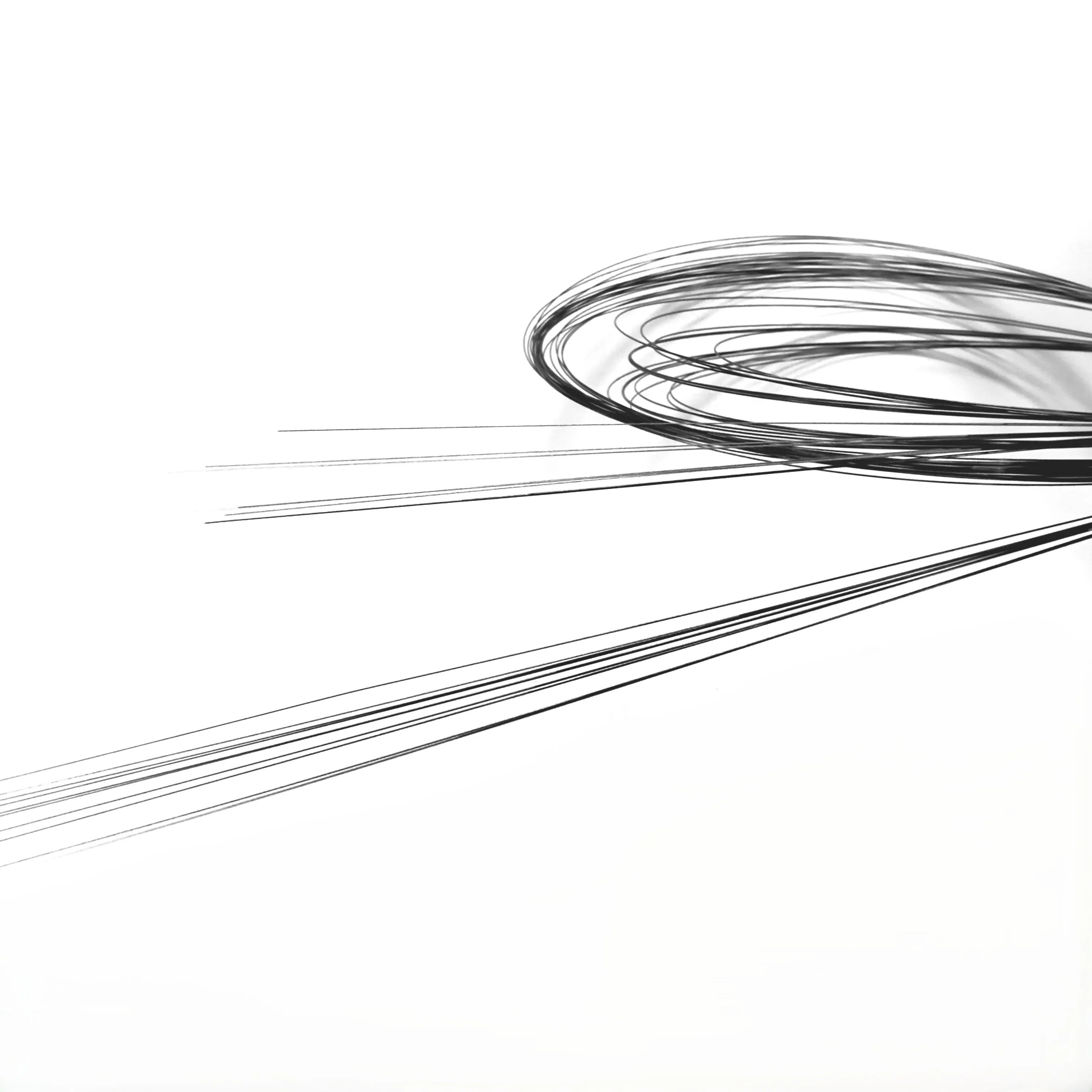
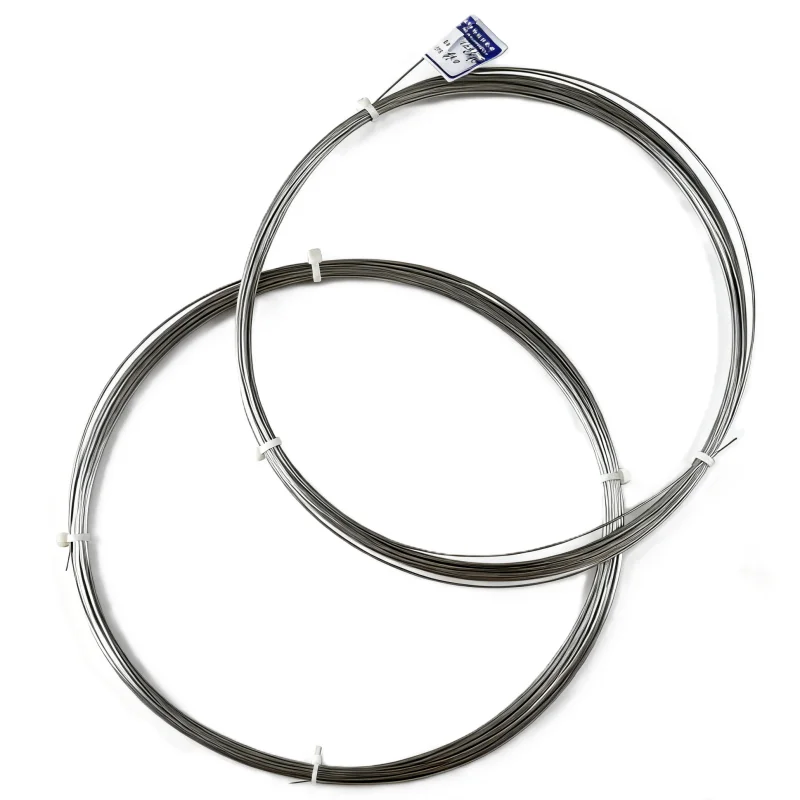
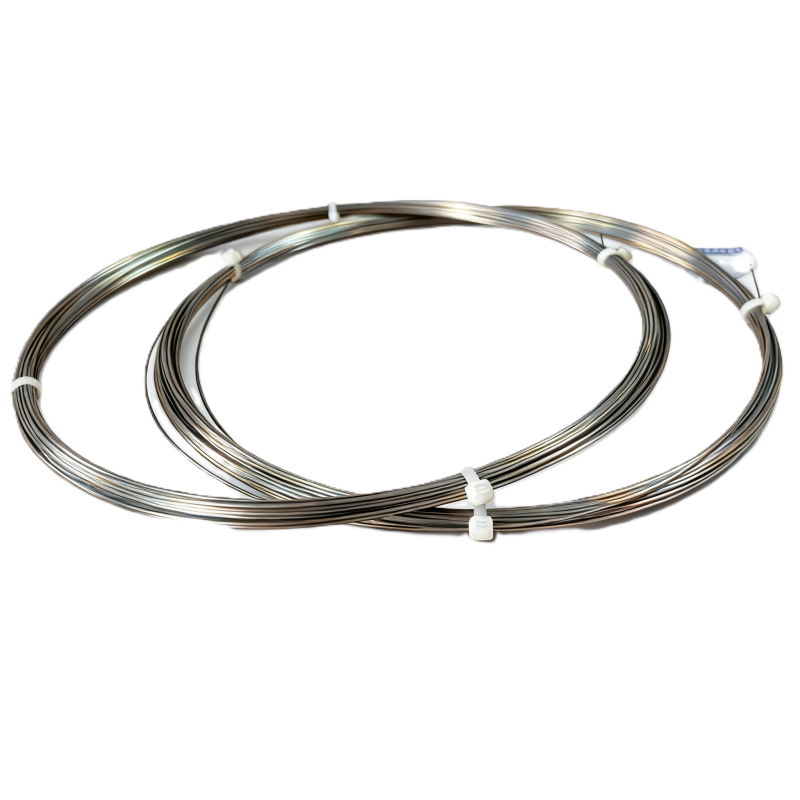
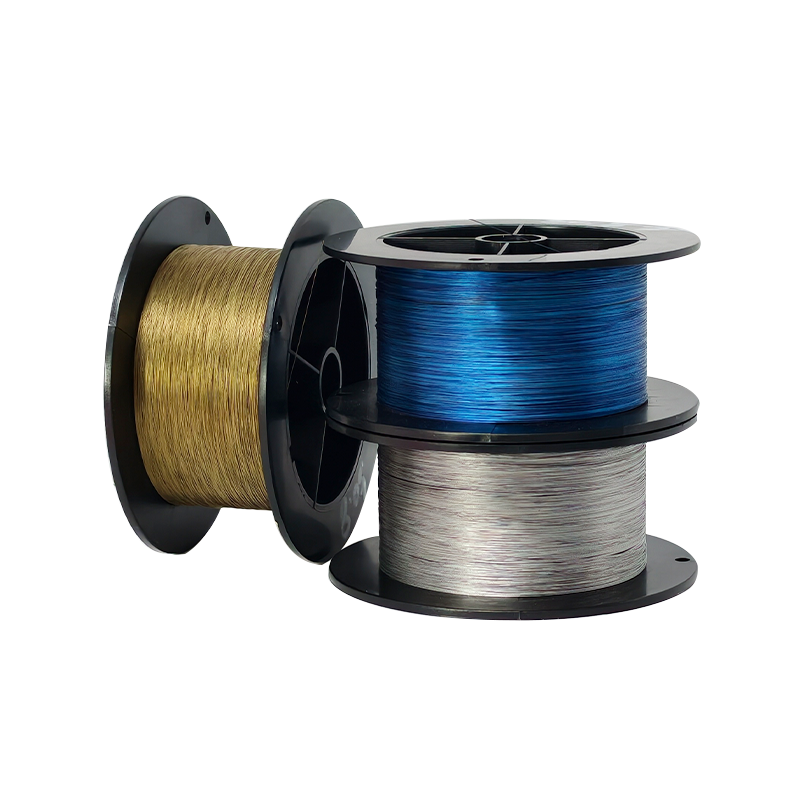
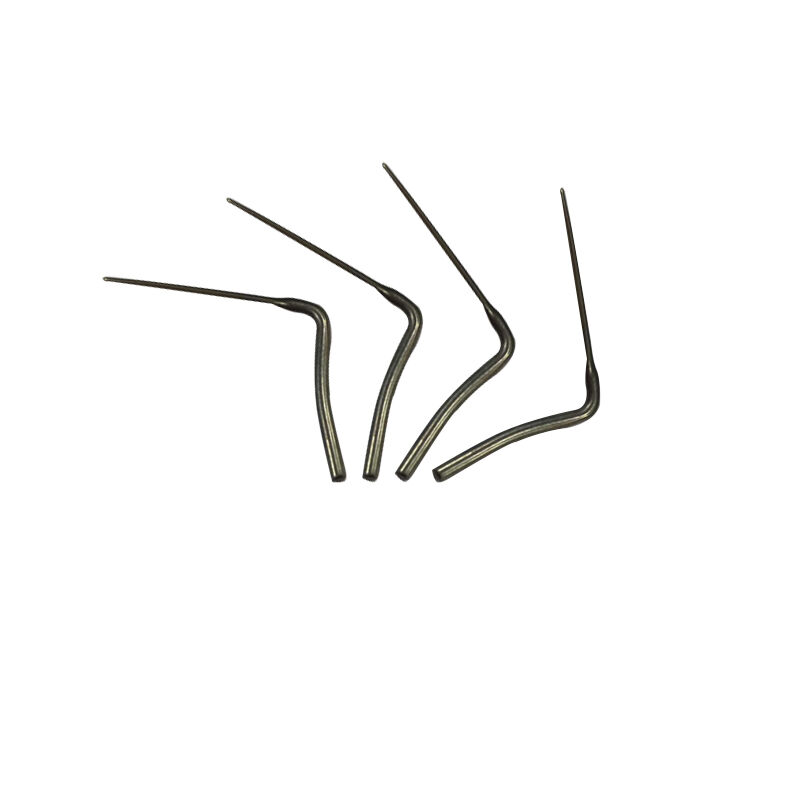
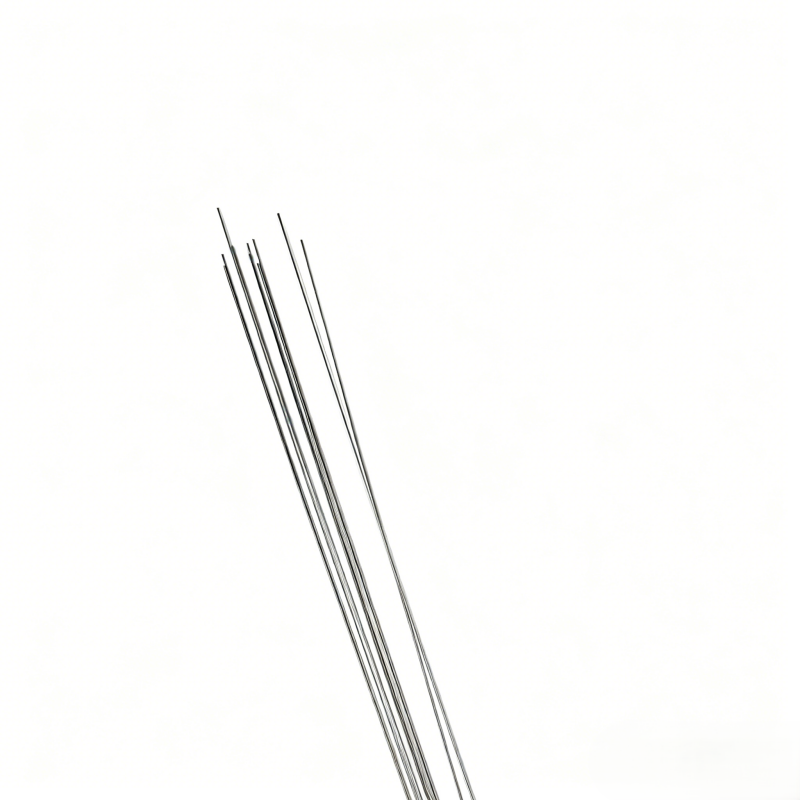
Nickel titanium wire contract manufacturing represents a specialized service that transforms raw nickel titanium alloy materials into precision-engineered wire products tailored to client specifications. This manufacturing process combines advanced metallurgical expertise with state-of-the-art production equipment to deliver superior quality shape memory alloy wires. The main functions of nickel titanium wire contract manufacturing encompass material processing, diameter reduction through drawing operations, heat treatment protocols, surface finishing, and comprehensive quality control testing. Manufacturers work closely with clients to understand their specific requirements, whether for medical device applications, aerospace components, robotics systems, or consumer products. The technological features distinguishing this manufacturing approach include controlled atmosphere processing to prevent oxidation, precision die selection for accurate dimensional tolerances, customized annealing cycles to achieve desired transformation temperatures, and rigorous inspection protocols using advanced metrology equipment. Contract manufacturers maintain sophisticated quality management systems that ensure consistency across production batches while accommodating both prototype quantities and high-volume orders. The applications for manufactured nickel titanium wire span diverse industries, with medical sectors utilizing these wires for orthodontic arches, guidewires, stents, and surgical instruments due to their biocompatibility and superelastic properties. Aerospace engineers specify these wires for actuators and vibration damping systems, capitalizing on their shape memory characteristics. Consumer electronics manufacturers incorporate nickel titanium wire into eyeglass frames and mobile device components where flexibility and durability prove essential. Industrial applications include temperature-sensitive actuators, robotic grippers, and automotive safety systems. The contract manufacturing model provides clients access to specialized equipment and technical knowledge without requiring substantial capital investment in production facilities, enabling faster market entry and reduced development costs while maintaining product quality and performance standards that meet demanding application requirements.

 EN
EN