Superelastic Nickel Titanium Wire: High-Performance Shape Memory Alloy for Medical, Industrial, and Aerospace Applications

Get a Free Quote

Our representative will contact you soon.
Email
Name
Company Name
Message
0/1000

superelastic nickel titanium wire

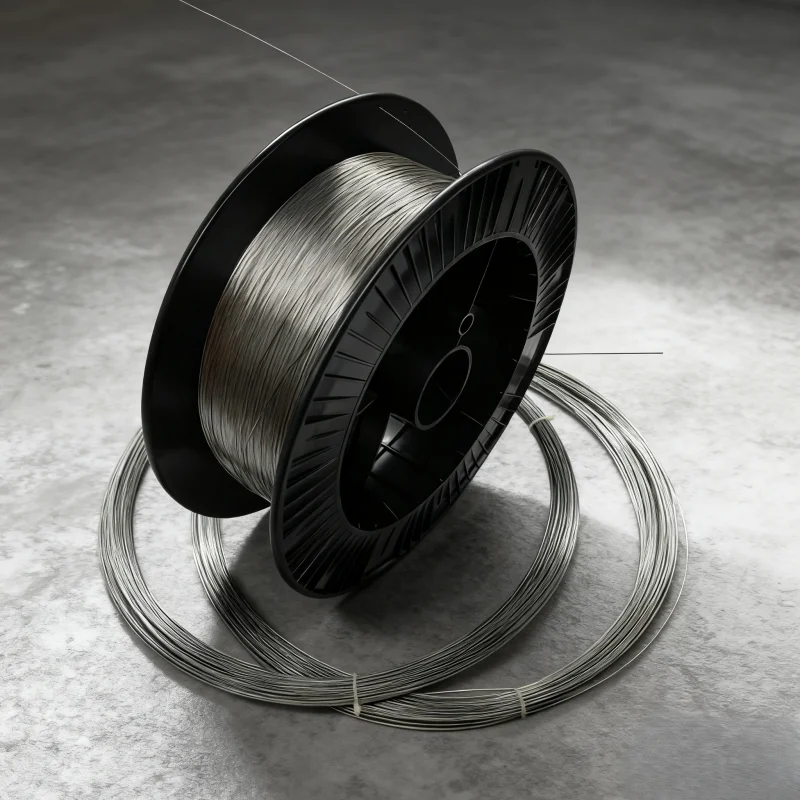
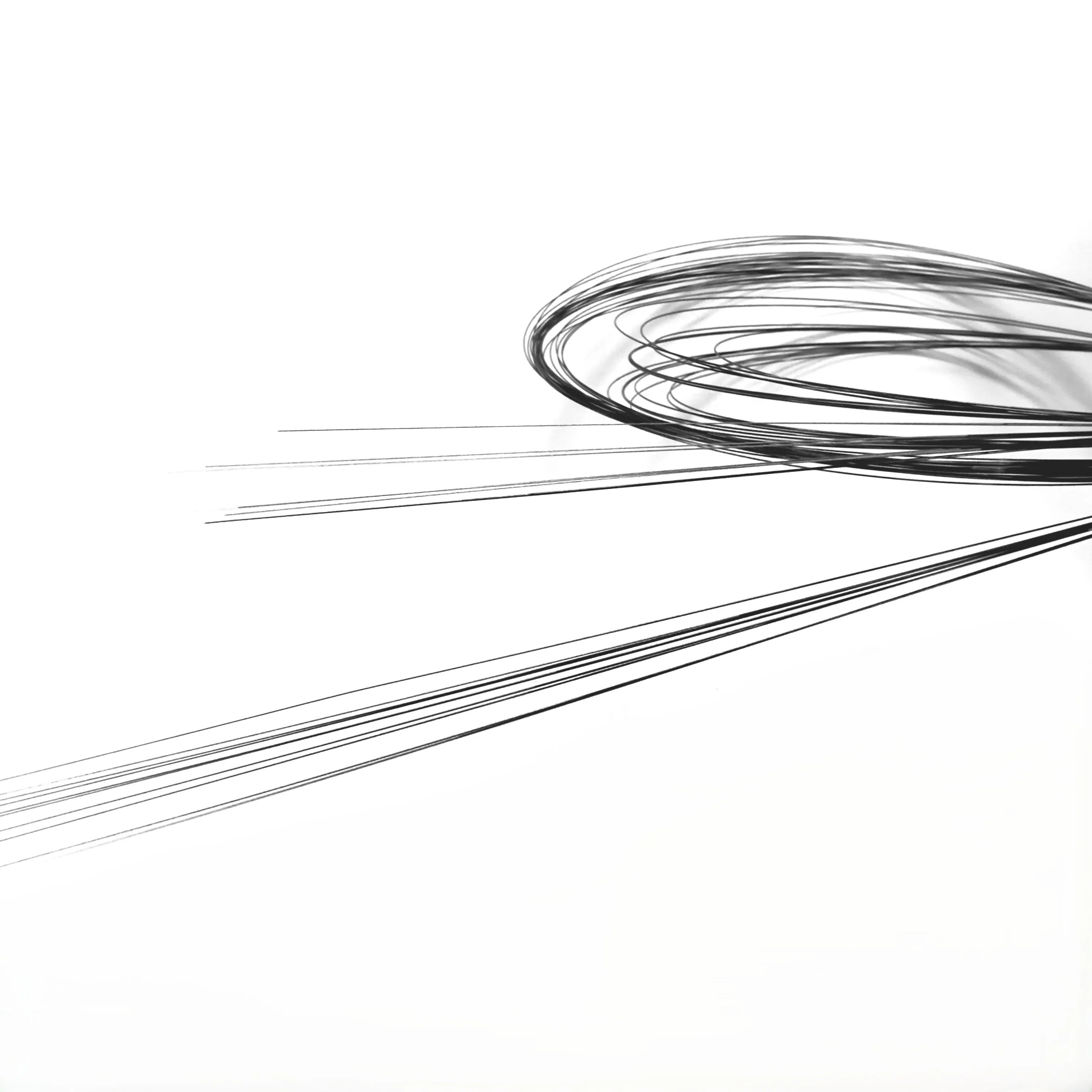
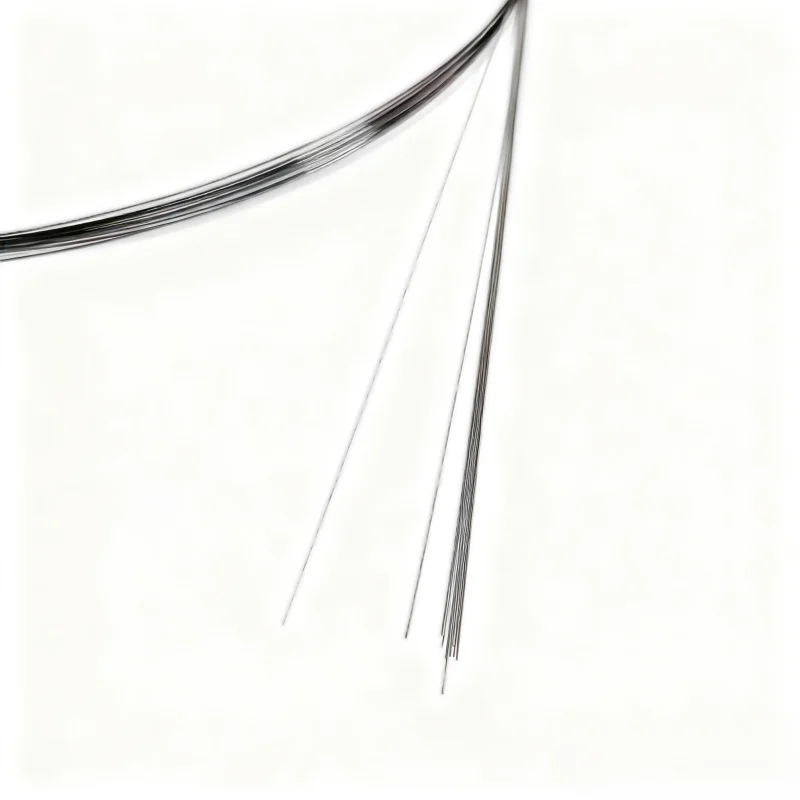
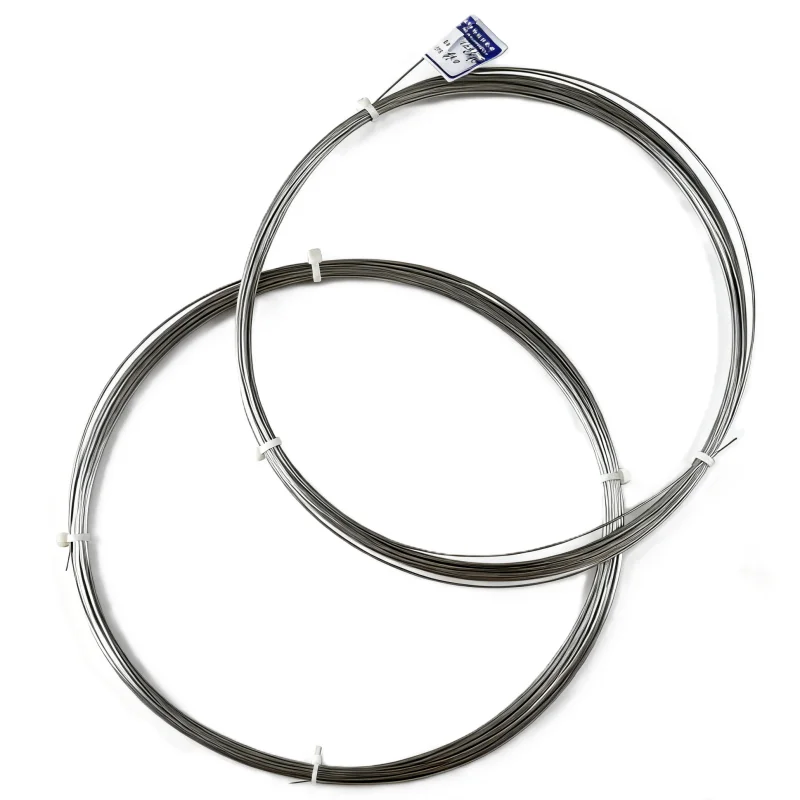
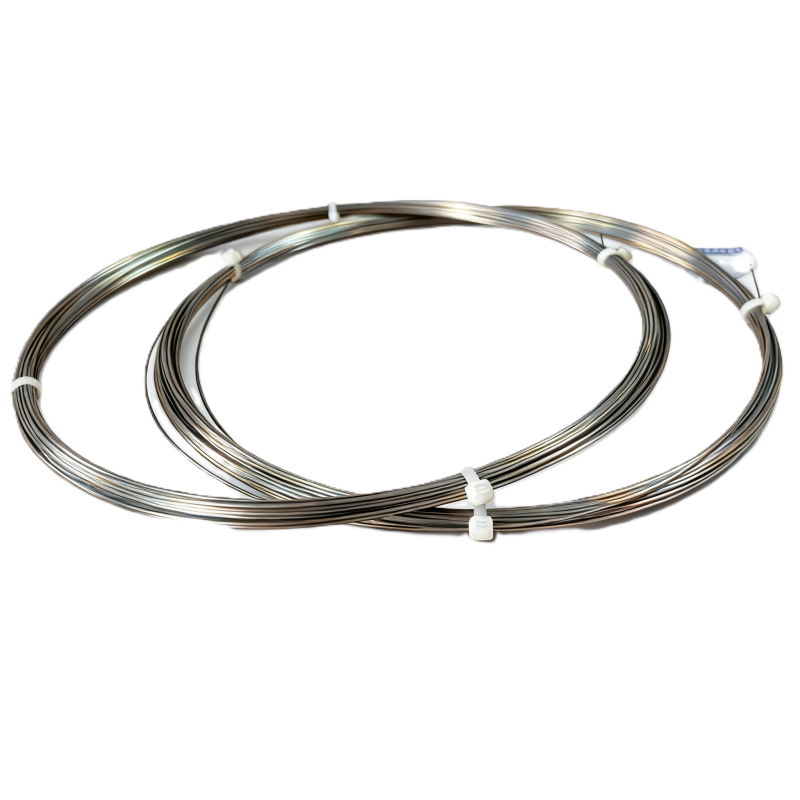
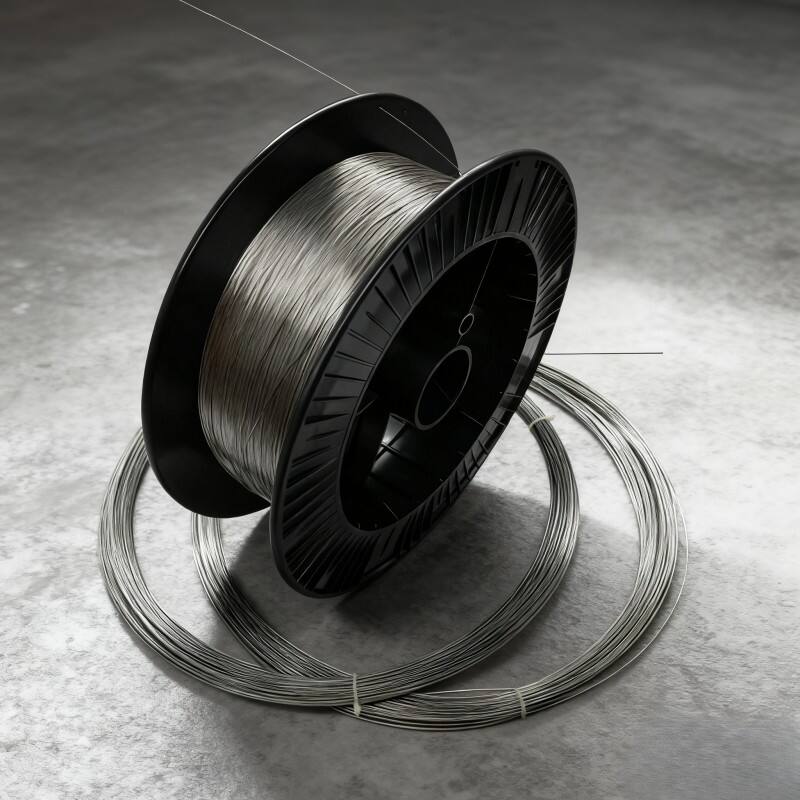
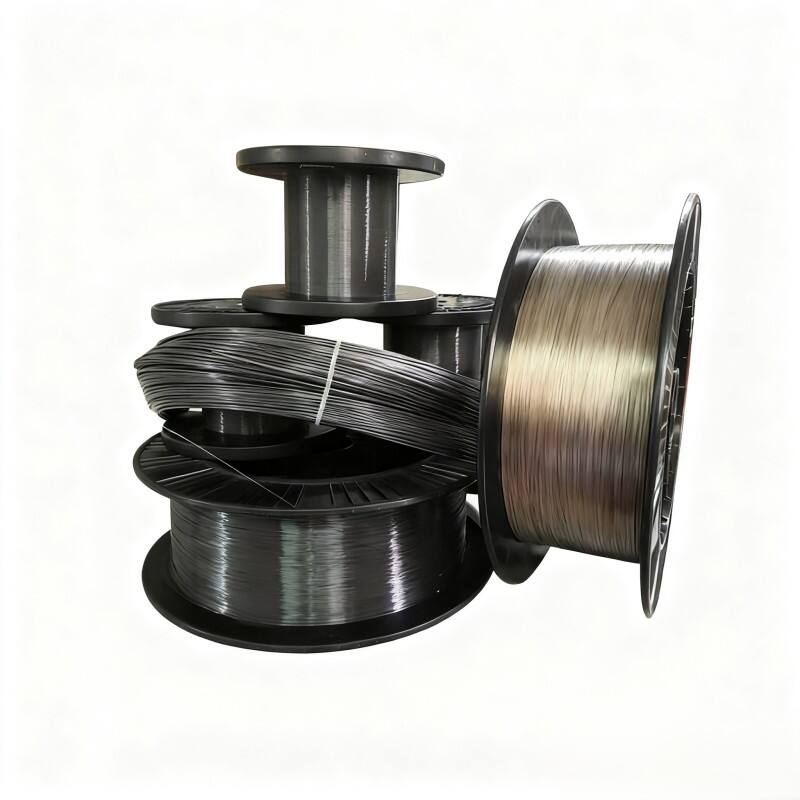
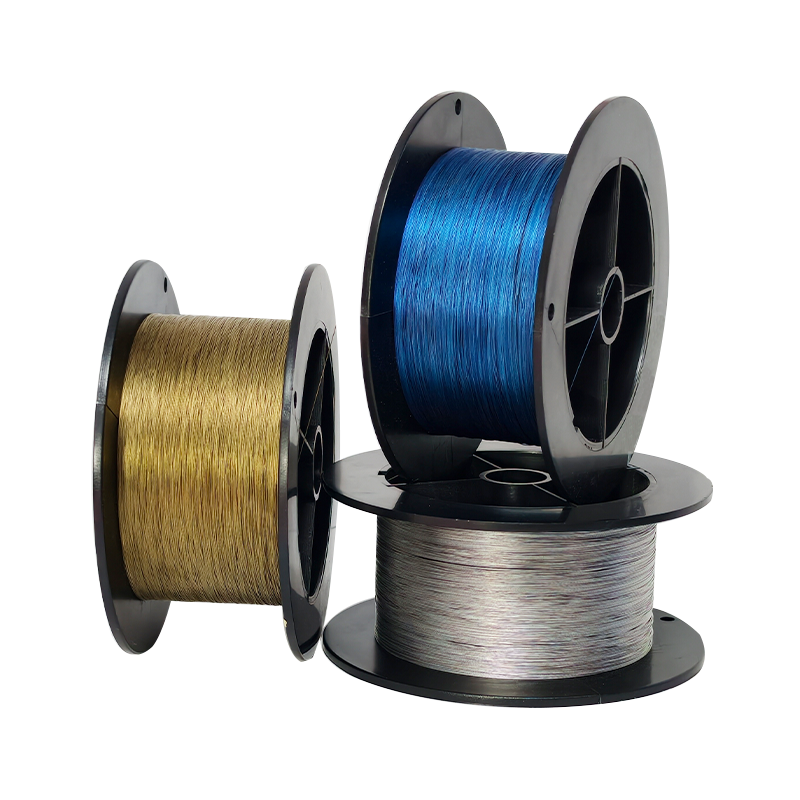
Superelastic nickel titanium wire is a high-performance shape memory alloy wire engineered from an approximately equal atomic ratio of nickel and titanium. This remarkable material exhibits a phenomenon known as superelasticity, which allows it to undergo significant deformation and then return to its original shape once the applied stress is removed. Unlike conventional metal wires that permanently deform under pressure, superelastic nickel titanium wire can tolerate strains of up to 8 percent without any lasting structural damage, making it one of the most resilient wire materials available in advanced manufacturing today. The core technology behind superelastic nickel titanium wire lies in its stress-induced martensitic transformation. When mechanical force is applied, the crystal structure of the alloy shifts from austenite to martensite, absorbing energy and allowing the wire to flex dramatically. Once the force is released, the structure reverts to its original austenitic phase, restoring the wire to its precise original geometry. This transformation is fully reversible and can be repeated millions of times without fatigue failure, giving the wire an exceptional service life. From a technological standpoint, superelastic nickel titanium wire offers outstanding corrosion resistance, excellent biocompatibility, and a low modulus of elasticity compared to stainless steel. These properties make it uniquely suited for environments that demand both mechanical flexibility and chemical stability. The wire is available in a wide range of diameters, surface finishes, and temper conditions to meet the precise requirements of different industries. Applications of superelastic nickel titanium wire span a broad spectrum of fields. In the medical sector, it is the material of choice for orthodontic archwires, guidewires, stents, and minimally invasive surgical instruments. In the aerospace and robotics industries, it serves as actuators and flexible linkages. The eyewear industry uses it for frames that resist bending and breakage. Consumer electronics, automotive sensors, and industrial automation systems also rely on superelastic nickel titanium wire for its unique combination of strength, flexibility, and durability. Its versatility and reliability continue to drive growing demand across global markets.

New Product Releases

Superelastic nickel titanium wire delivers a set of practical benefits that make it stand out from every other wire material on the market. If you are evaluating materials for a demanding application, here is exactly why superelastic nickel titanium wire deserves your attention. First, it bounces back every single time. When you bend, stretch, or compress superelastic nickel titanium wire, it returns to its original shape without any permanent distortion. This is not a one-time trick. The wire performs this recovery consistently across millions of cycles. For manufacturers building products that must maintain precise dimensions over a long service life, this means fewer replacements, lower maintenance costs, and a more reliable end product. Second, it handles stress without breaking. Conventional wires made from stainless steel or copper reach their elastic limit quickly and then either deform permanently or fracture. Superelastic nickel titanium wire tolerates strains up to eight times greater than stainless steel before showing any sign of permanent change. This gives engineers far more design freedom. You can route the wire through tight curves, subject it to repeated mechanical loading, and trust that it will hold its performance specifications throughout. Third, it resists corrosion in harsh environments. Superelastic nickel titanium wire performs reliably in saltwater, body fluids, acidic conditions, and high-humidity industrial settings. You do not need to apply protective coatings or worry about rust degrading the wire over time. This makes it a cost-effective long-term solution for applications where material degradation would be both expensive and dangerous. Fourth, it is safe for use inside the human body. The biocompatibility of superelastic nickel titanium wire is well established and recognized by regulatory bodies worldwide. Medical device manufacturers use it in orthodontic systems, cardiovascular guidewires, and surgical tools because it does not trigger adverse reactions in human tissue. This opens up a category of high-value medical applications that simply cannot be served by conventional wire materials. Fifth, it is lightweight yet strong. Superelastic nickel titanium wire delivers exceptional mechanical performance at a fraction of the weight of comparable steel components. In aerospace, robotics, and wearable technology, reducing weight without sacrificing strength is a critical design goal. This wire helps engineers hit that target consistently. Sixth, it offers a smooth, consistent force profile. Unlike steel springs that deliver a sharp, variable force, superelastic nickel titanium wire applies a gentle, plateau-like force across a wide range of deflection. In orthodontics, this means more comfortable treatment for patients. In industrial automation, it means smoother, more controlled actuation. Seventh, it is easy to customize. Superelastic nickel titanium wire is available in diameters ranging from a few micrometers to several millimeters, with various surface treatments and mechanical tempers. Whether you need a wire for a micro-scale medical device or a large industrial actuator, the material can be tailored to your exact specifications. All of these advantages combine to make superelastic nickel titanium wire a smart investment for any application where performance, longevity, and reliability are non-negotiable.

Latest News

Why do full-chain manufacturers provide a more stable supply of SMA wire?

14

May

Why do full-chain manufacturers provide a more stable supply of SMA wire?

In industrial and medical procurement, supply chain reliability is not a luxury — it is a fundamental requirement. When sourcing SMA wire, the type of manufacturer you partner with has a direct and measurable impact on delivery consistency, material ...
View More
Why is a brand with a 5,000m² factory more professional in Nitinol customization?

22

May

Why is a brand with a 5,000m² factory more professional in Nitinol customization?

When sourcing advanced shape memory alloys for medical devices, aerospace components, or industrial actuators, the manufacturing environment behind a supplier tells you far more than a product catalog ever could. Nitinol customization is a precision-...
View More
What breakthroughs can Nitinol material bring to future flexible robot joints?

25

May

What breakthroughs can Nitinol material bring to future flexible robot joints?

The evolution of robotics is deeply tied to the materials that power movement, flexibility, and responsiveness. Among the most promising advances in this space, Nitinol material stands out as a transformative force in the design of flexible robot joi...
View More
Why should you prioritize the manufacturer's R&D center when choosing partners?

02

Jun

Why should you prioritize the manufacturer's R&D center when choosing partners?

When evaluating potential manufacturing partners, most procurement teams focus on price, lead time, and production capacity. These are legitimate criteria, but they often overlook one of the most telling indicators of long-term value: the strength an...
View More

Get a Free Quote

Our representative will contact you soon.
Email
Name
Company Name
Message
0/1000

superelastic nickel titanium wire

Unmatched Shape Recovery for Long-Term Reliability

Unmatched Shape Recovery for Long-Term Reliability

One of the most compelling reasons engineers and product designers choose superelastic nickel titanium wire is its extraordinary ability to recover its original shape after being subjected to large mechanical deformations. This property, known as superelasticity, is not simply a material curiosity. It is a practical engineering advantage that directly translates into longer product lifespans, reduced maintenance requirements, and more consistent performance over time. To understand why this matters, consider what happens to a conventional metal wire when it is bent beyond its elastic limit. The wire deforms permanently. It does not spring back. In many applications, this means the component must be replaced, recalibrated, or repaired. Over the lifetime of a product, these interventions add up to significant costs in labor, downtime, and replacement parts. Superelastic nickel titanium wire eliminates this problem entirely. The wire can be deformed by strains of up to 8 percent and will return to its precise original geometry once the load is removed. This recovery is driven by a reversible phase transformation at the atomic level, where the crystal structure shifts under stress and then reverts when the stress is released. The process is thermodynamically stable and does not degrade with repeated cycling. Independent testing has demonstrated that superelastic nickel titanium wire can complete millions of deformation and recovery cycles without measurable fatigue or loss of performance. For customers in the medical device industry, this means orthodontic archwires that maintain their corrective force throughout the entire treatment period without needing frequent adjustments. For robotics engineers, it means flexible linkages and actuators that perform identically on the ten-millionth cycle as they did on the first. For eyewear manufacturers, it means frames that survive the daily abuse of being sat on, dropped, and twisted without losing their shape. The value of this reliability extends beyond the immediate product. When your components last longer and perform more consistently, your customers trust your brand more. Warranty claims decrease. Customer satisfaction increases. The initial investment in superelastic nickel titanium wire pays dividends across the entire product lifecycle, making it one of the most cost-effective material choices available for high-cycle, high-reliability applications.
Superior Biocompatibility for Medical and Wearable Applications

Superior Biocompatibility for Medical and Wearable Applications

Superelastic nickel titanium wire holds a unique position in the medical device and wearable technology markets because of its proven biocompatibility. This means the material can come into direct, prolonged contact with human tissue and body fluids without triggering inflammation, allergic reactions, or toxic responses. For any application that involves contact with the human body, this property is not optional. It is a fundamental requirement, and superelastic nickel titanium wire meets it with a level of confidence that few other materials can match. The biocompatibility of superelastic nickel titanium wire is the result of a stable, tightly adherent titanium oxide layer that forms naturally on the surface of the alloy. This passive oxide layer acts as a barrier between the nickel content of the alloy and the surrounding biological environment. It prevents nickel ion release at levels that would cause adverse reactions, and it remains intact under the mechanical stresses that the wire experiences during normal use. This surface stability has been validated through extensive in vitro and in vivo testing, and the material is approved for use in implantable and body-contact medical devices by regulatory agencies in major markets including the United States, Europe, and Asia. In orthodontics, superelastic nickel titanium wire has become the standard material for archwires because it delivers a continuous, gentle force that moves teeth efficiently while remaining comfortable for patients. The wire flexes to accommodate the irregular positions of teeth at the start of treatment and then applies a steady corrective force as it tries to return to its straight, original shape. This force profile is far more physiologically appropriate than the sharp, high forces delivered by stiffer steel wires, and it reduces patient discomfort significantly. In cardiovascular medicine, superelastic nickel titanium wire forms the backbone of guidewires and stents that navigate through the complex, curved geometry of blood vessels. The wire's flexibility allows it to track through tortuous anatomy without kinking, while its shape recovery ensures that stents expand reliably and maintain their open geometry once deployed. For wearable technology designers, the biocompatibility and flexibility of superelastic nickel titanium wire open up new possibilities for sensors, actuators, and structural components that sit directly against the skin or are integrated into clothing. The material does not irritate the skin, does not corrode in the presence of sweat, and maintains its mechanical properties through the repeated flexing that wearable devices experience during everyday use. Choosing superelastic nickel titanium wire for body-contact applications is not just a technical decision. It is a commitment to user safety and product quality that your customers will recognize and value.
Exceptional Corrosion Resistance for Demanding Environments

Exceptional Corrosion Resistance for Demanding Environments

Superelastic nickel titanium wire performs reliably in some of the most chemically aggressive environments that industrial and medical applications can present. Its corrosion resistance is not a secondary characteristic. It is a core material property that directly determines the wire's suitability for long-term deployment in conditions where conventional metals would degrade, weaken, and ultimately fail. The corrosion resistance of superelastic nickel titanium wire stems from the same titanium oxide passive layer that provides its biocompatibility. This oxide film forms spontaneously when the alloy is exposed to oxygen and is self-repairing. If the surface is scratched or abraded, the oxide layer reforms almost immediately, restoring the protective barrier without any intervention. This self-healing behavior is a significant advantage over coated metals, where a scratch or chip in the coating exposes the underlying material to corrosive attack. In marine and offshore environments, superelastic nickel titanium wire withstands continuous exposure to saltwater and salt spray without pitting, rusting, or losing mechanical integrity. This makes it a reliable choice for sensors, actuators, and structural components in underwater vehicles, offshore platforms, and coastal monitoring systems where stainless steel components often require frequent inspection and replacement. In medical and pharmaceutical manufacturing environments, the wire resists attack from cleaning agents, sterilization chemicals, and biological fluids. Autoclave sterilization, chemical disinfection, and gamma irradiation do not degrade the mechanical properties or surface integrity of superelastic nickel titanium wire, making it suitable for reusable surgical instruments and long-term implantable devices. In industrial automation and process control applications, the wire operates reliably in the presence of oils, hydraulic fluids, mild acids, and alkaline solutions. Manufacturers who switch from stainless steel or copper wire to superelastic nickel titanium wire in these environments consistently report longer component service lives and reduced maintenance intervals. The economic impact of this corrosion resistance is substantial. Every hour of unplanned downtime caused by a corroded component costs money in lost production, emergency maintenance labor, and expedited replacement parts. By specifying superelastic nickel titanium wire in corrosion-prone applications, engineers eliminate a common failure mode and build a more robust, cost-efficient system. The combination of superelasticity and corrosion resistance in a single material is rare and valuable. Superelastic nickel titanium wire delivers both, making it the definitive choice for applications where mechanical performance and chemical stability must coexist over a long service life.
Superelastic Nickel Titanium Wire: High-Performance Shape Memory Alloy for Medical, Industrial, and Aerospace Applications

Get a Free Quote

Our representative will contact you soon.
Email
Name
Company Name
Message
0/1000
Newsletter
Please Leave A Message With Us