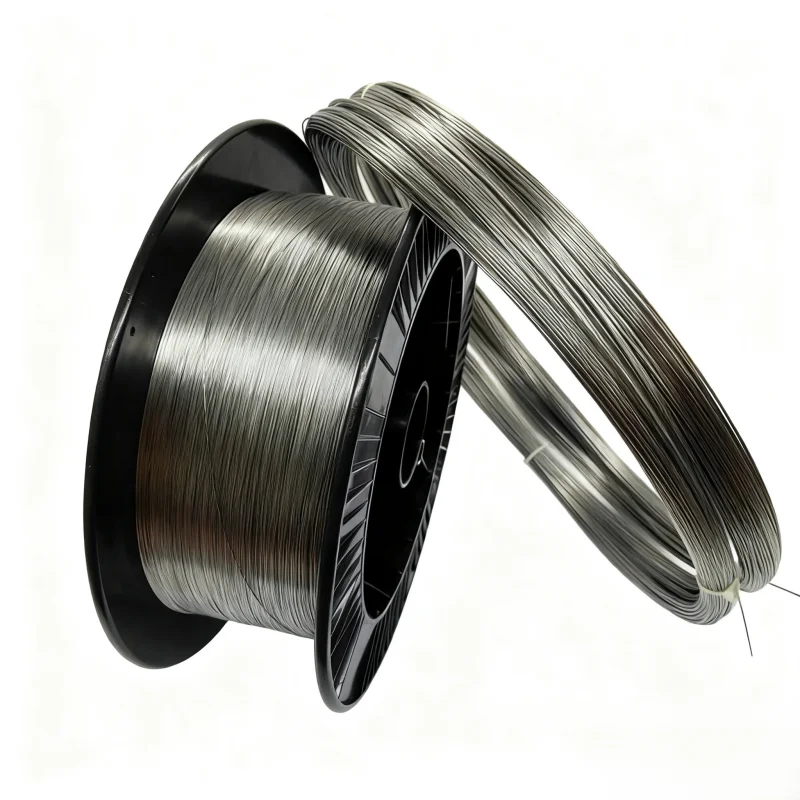
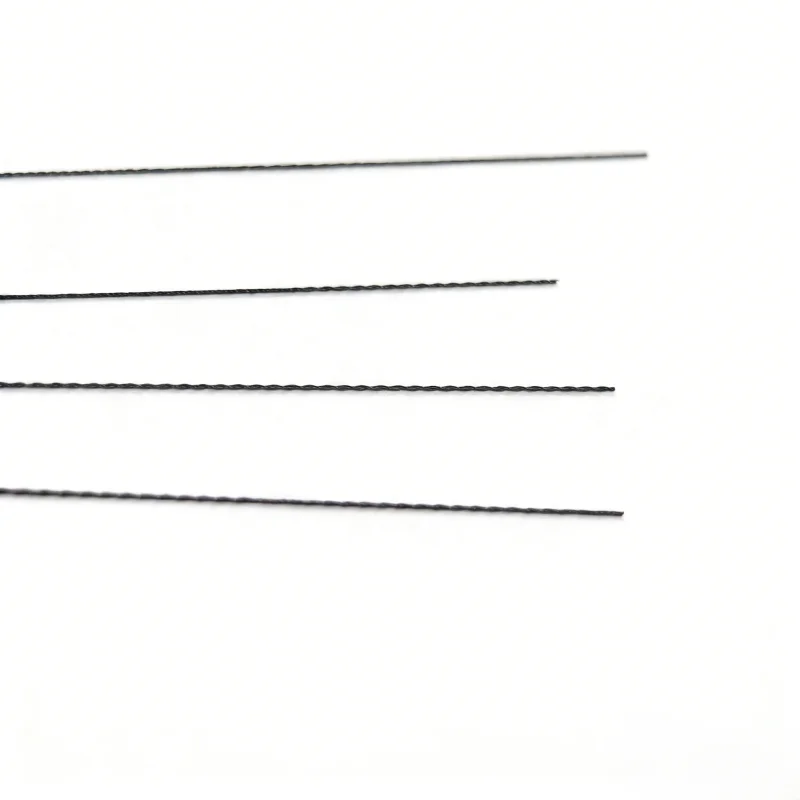
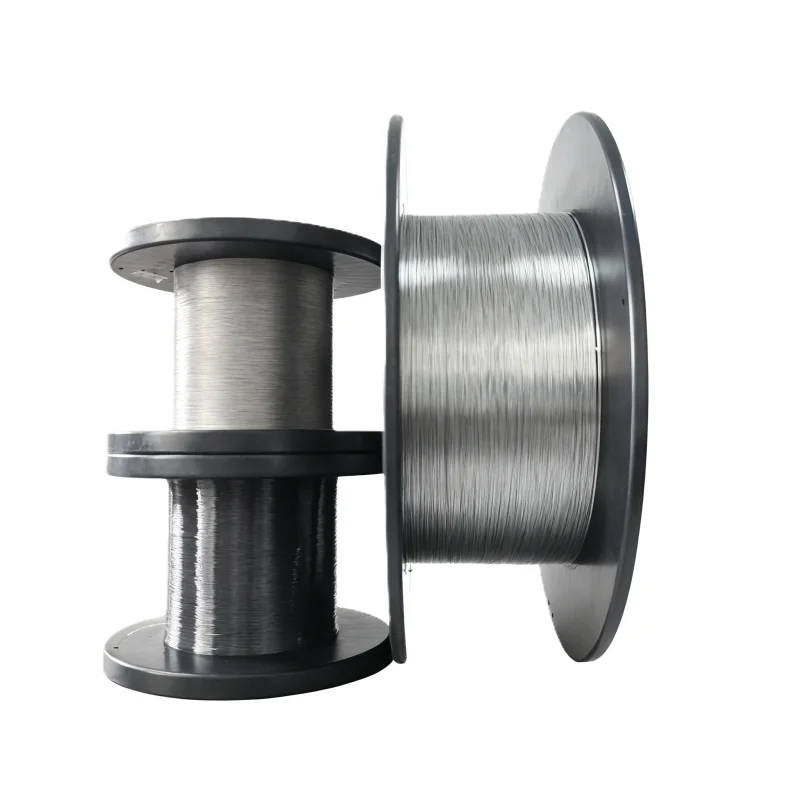
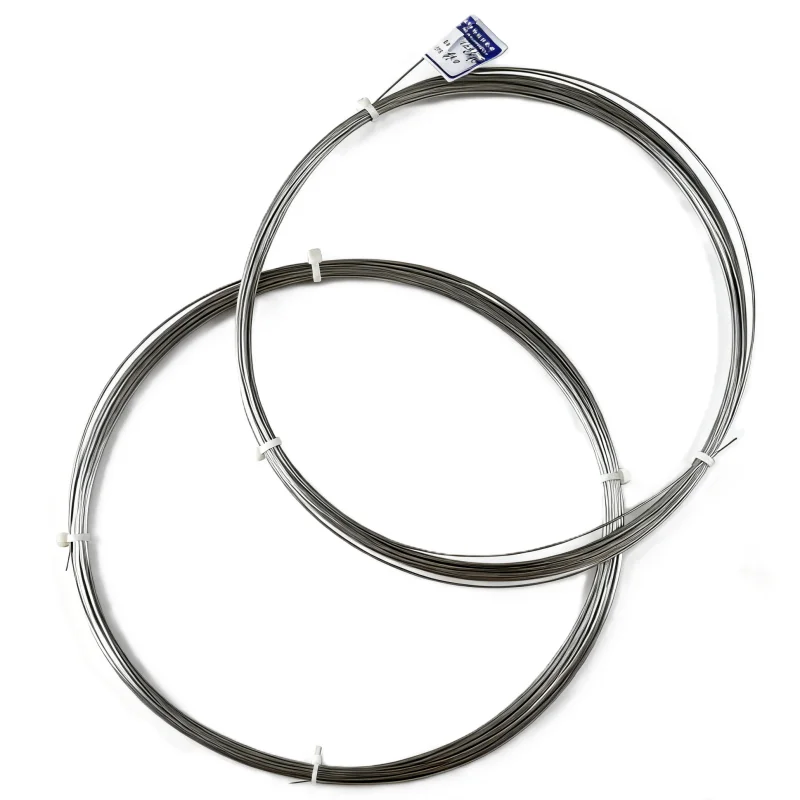
Temperature-Responsive Activation for Superior Patient Comfort
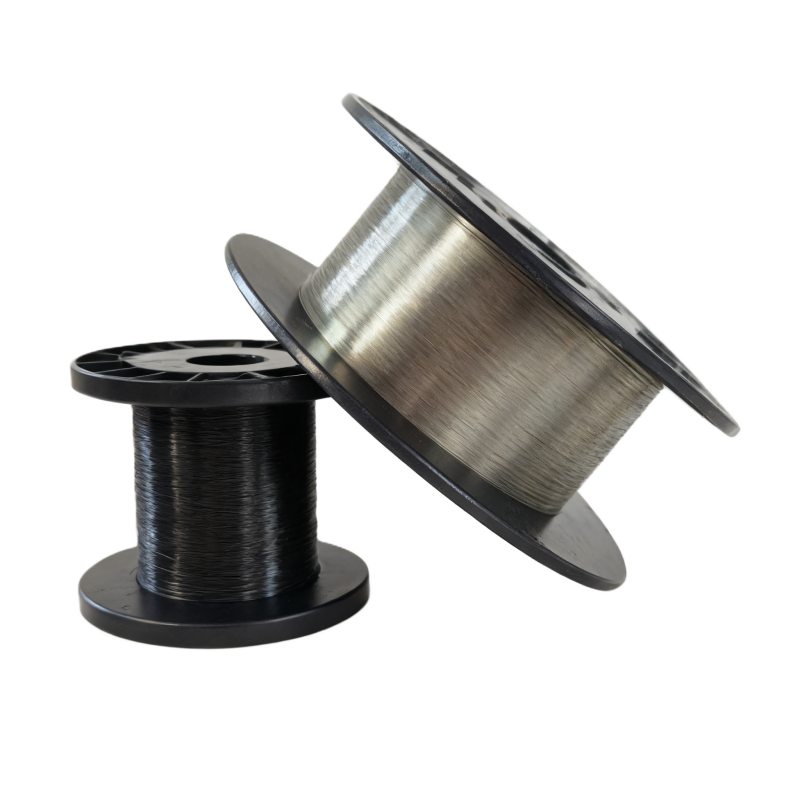
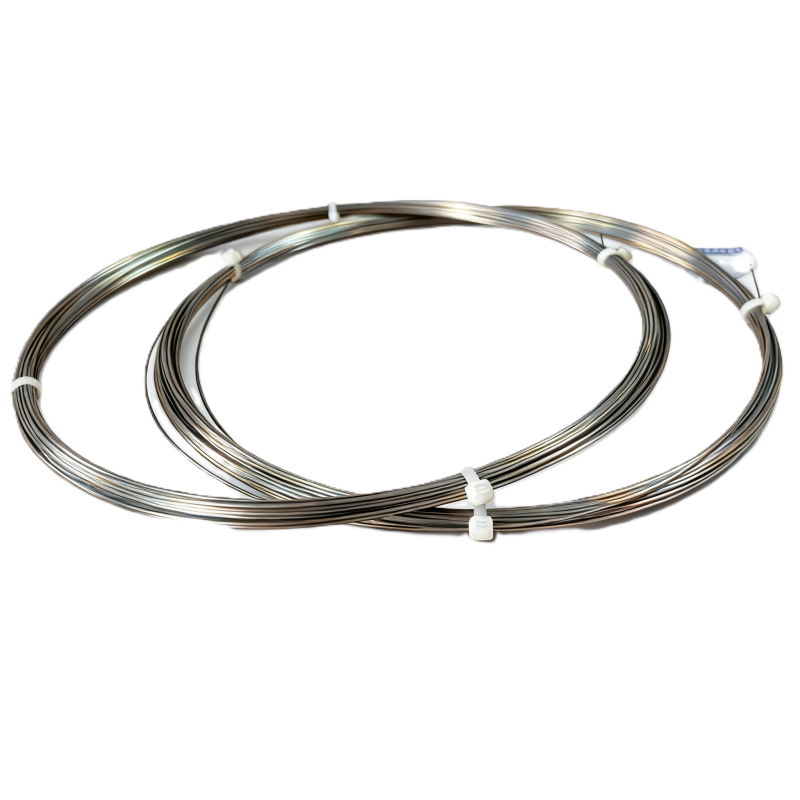
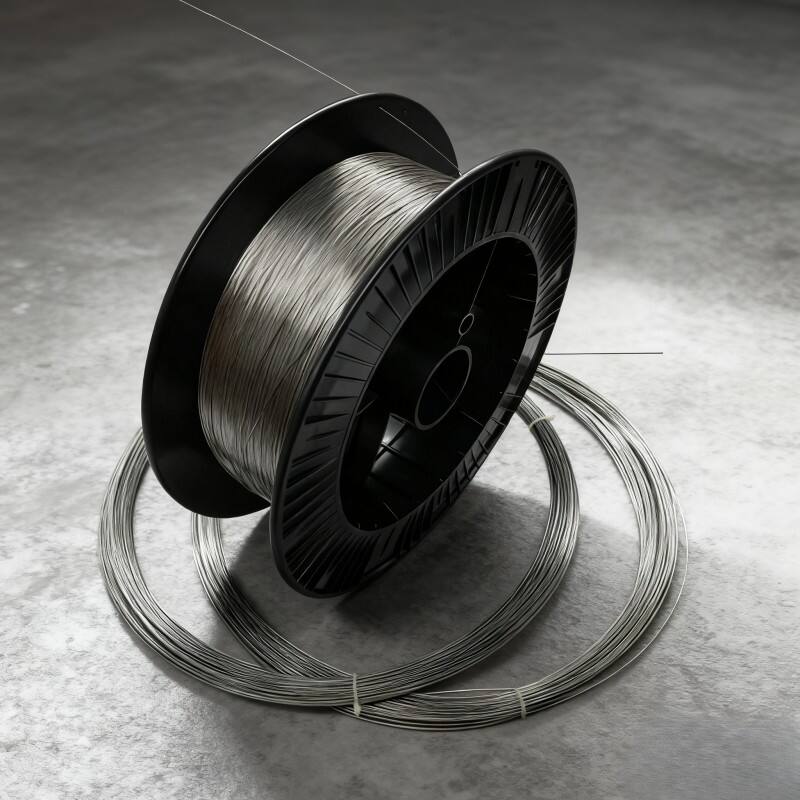
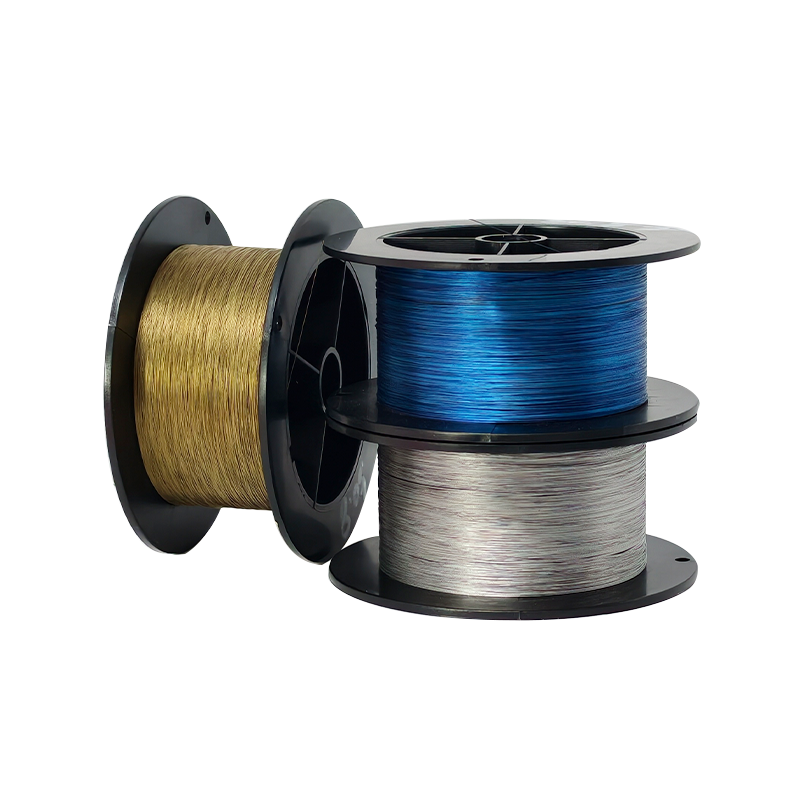
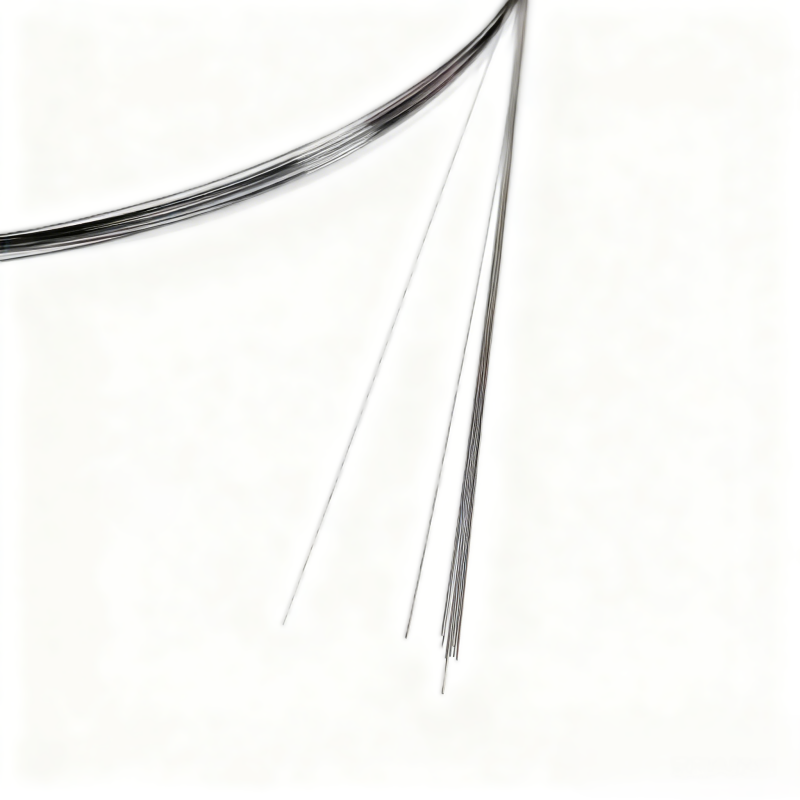
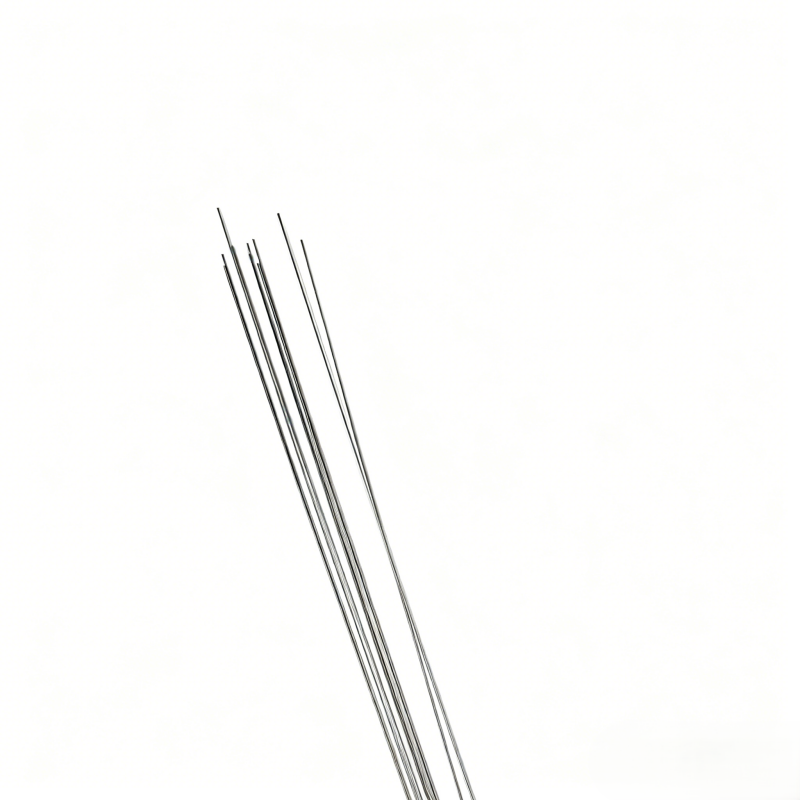
One of the most compelling features of heat activated nickel titanium wires is their ability to change mechanical behavior in direct response to temperature. This property, known as thermoelasticity, is not simply a technical curiosity. It has a direct and meaningful impact on the patient experience from the very first appointment. When heat activated nickel titanium wires are stored at room temperature or briefly cooled, they enter a martensitic phase in which the wire is soft, pliable, and easy to handle. A clinician can bend and guide the wire into bracket slots with minimal effort, even when the patient presents with severely crowded, rotated, or displaced teeth. There is no need to force the wire into position, which reduces chair time and minimizes discomfort during placement. Once the wire is seated and the patient closes their mouth, body heat raises the wire's temperature into its activation range. The wire transitions into its austenitic phase, becoming firmer and beginning to exert a consistent, light corrective force on the teeth. This transition happens gradually and naturally, so patients typically notice only mild pressure rather than sharp pain. For patients who have previously experienced discomfort with rigid wires, heat activated nickel titanium wires represent a genuinely more comfortable alternative. The clinical significance of this temperature-responsive behavior extends beyond comfort. Because the wire engages teeth gently and progressively, the biological response of the periodontal ligament and surrounding bone is more favorable. Orthodontic research consistently shows that lighter, continuous forces produce more efficient and biologically sound tooth movement compared to heavy, intermittent forces. Heat activated nickel titanium wires are specifically designed to stay within this optimal force range throughout the activation cycle. Furthermore, the temperature-responsive nature of heat activated nickel titanium wires gives clinicians a practical advantage during complex cases. In situations where multiple teeth need to be engaged simultaneously, the wire's initial flexibility allows full engagement without the risk of tipping or torquing teeth prematurely. As the wire activates, it works systematically to bring each tooth toward the ideal arch form. This controlled, staged activation is difficult to replicate with conventional wire types and represents one of the clearest reasons why heat activated nickel titanium wires have become a standard of care in modern orthodontic practice.

 EN
EN