Nitinol Self Expanding Stent: Advanced Flexibility, Precision Deployment and Multi-Specialty Performance

Get a Free Quote

Our representative will contact you soon.
Email
Name
Company Name
Message
0/1000

nitinol self expanding stent

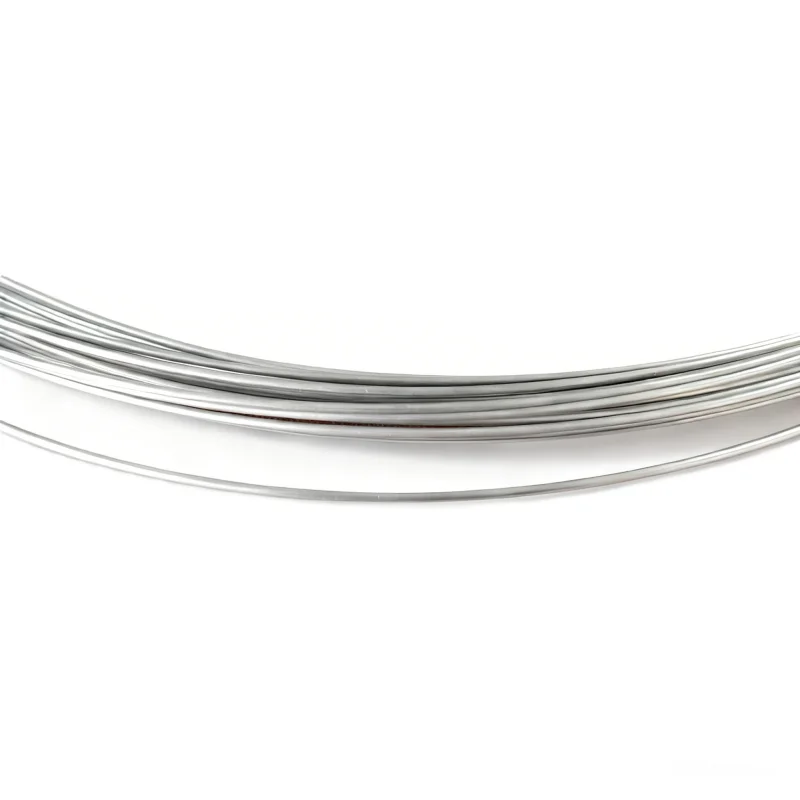
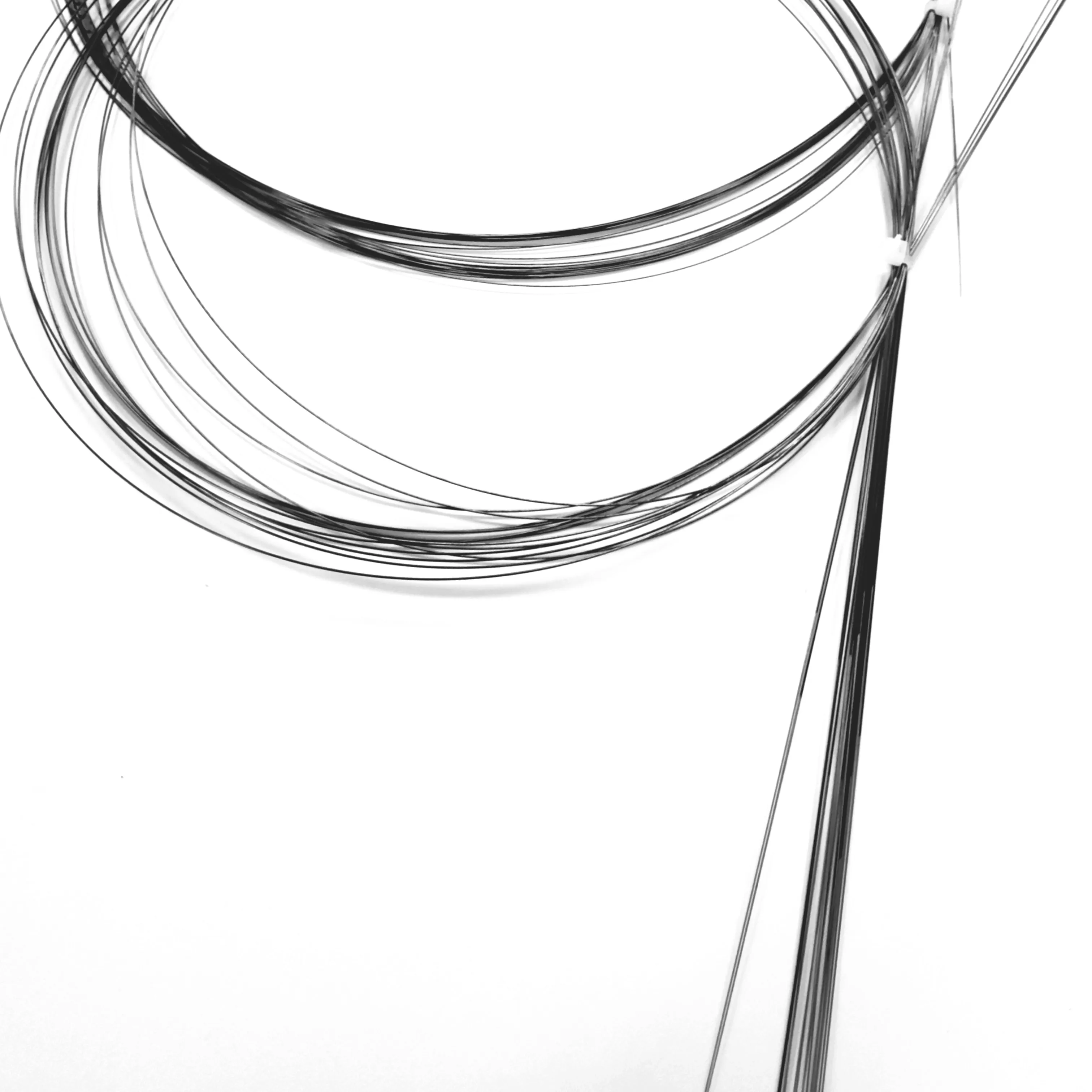
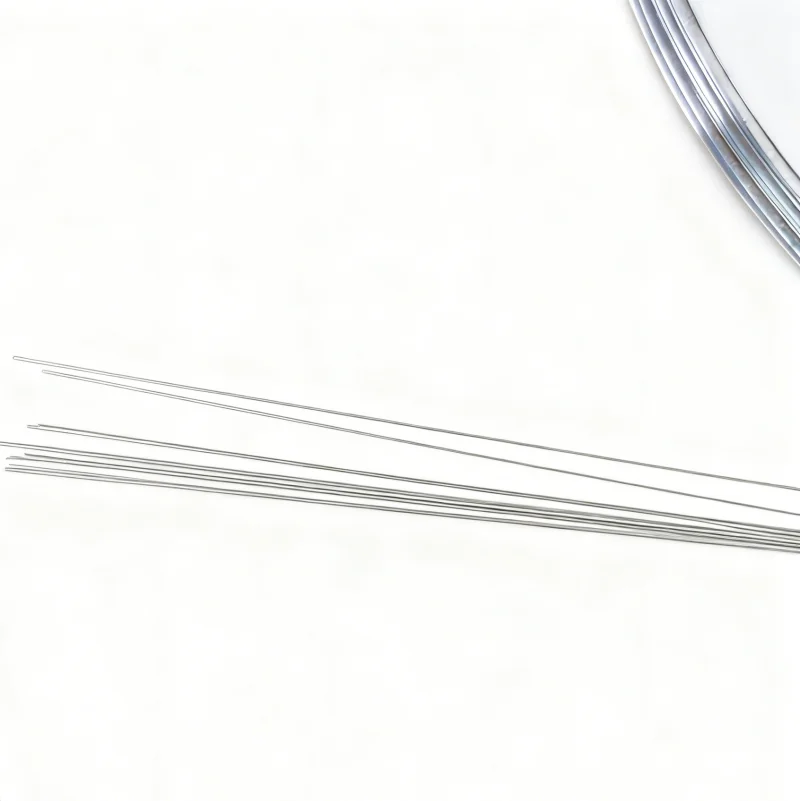
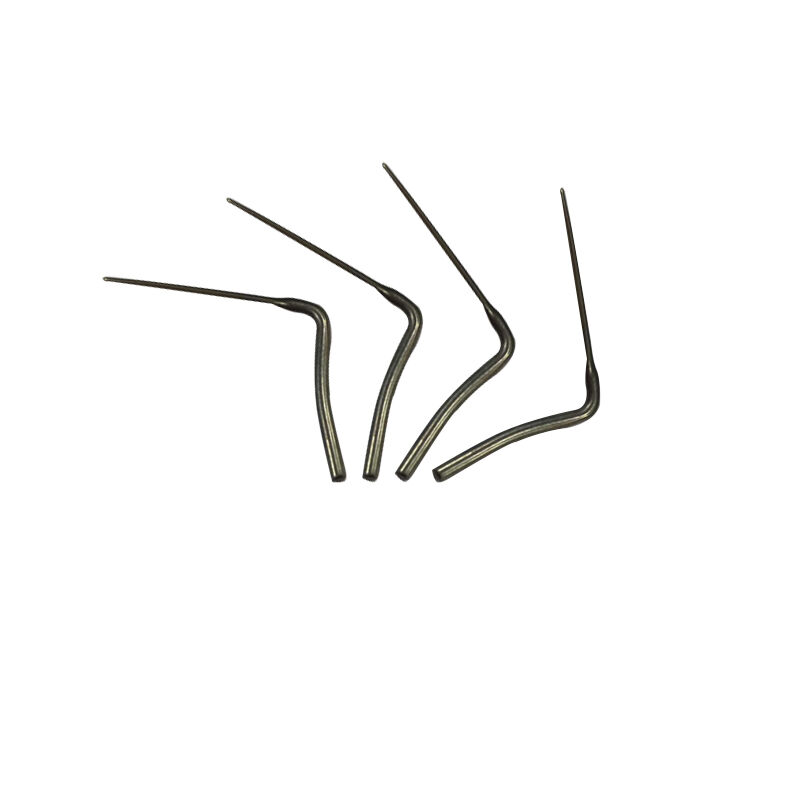
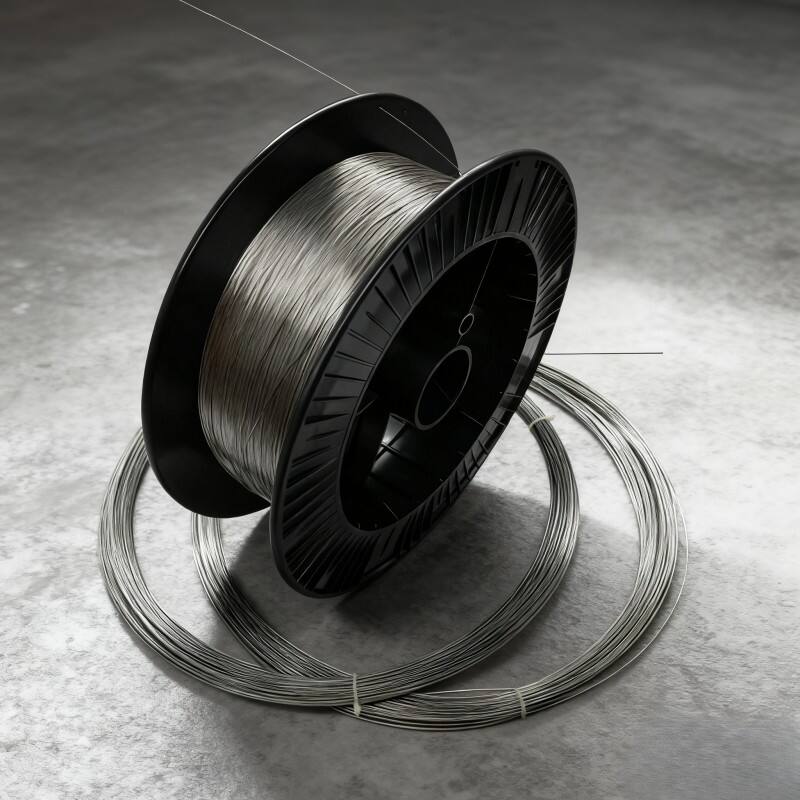
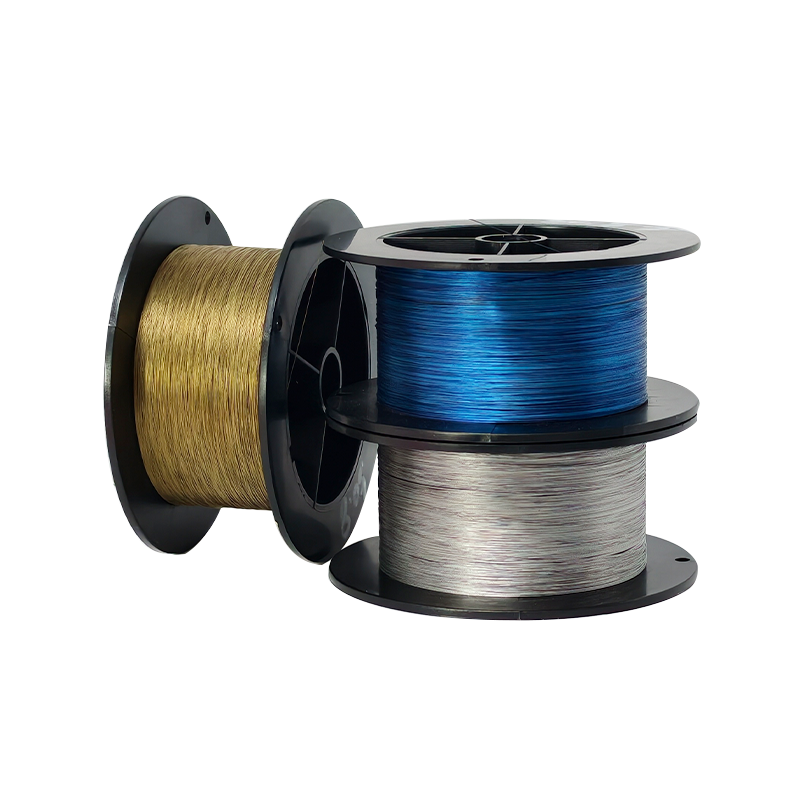
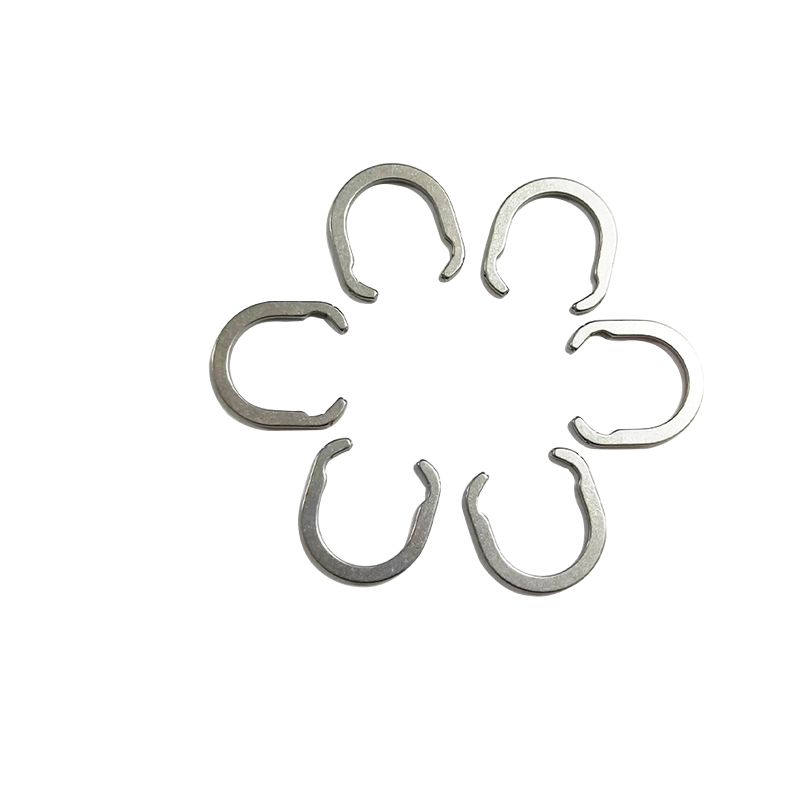
The nitinol self expanding stent represents a significant advancement in minimally invasive medical technology. Constructed from nitinol, an alloy composed of nickel and titanium, this stent leverages the material's unique superelastic and shape memory properties to deliver reliable, long-term support within narrowed or blocked vessels and ducts throughout the body. Unlike traditional balloon-expandable stents, the nitinol self expanding stent does not require external mechanical force to reach its deployed diameter. Instead, it responds to body temperature, automatically expanding to its pre-programmed shape once released from its delivery catheter. This thermal activation mechanism makes the deployment process smoother, more controlled, and far less traumatic to surrounding tissue. From a technological standpoint, the nitinol self expanding stent is engineered with precision laser-cut patterns that optimize radial force, flexibility, and foreshortening characteristics. The open-cell and closed-cell design variations allow clinicians to select configurations best suited to specific anatomical locations and clinical requirements. Surface treatments such as electropolishing enhance biocompatibility and reduce the risk of corrosion, while some variants incorporate drug-eluting coatings to further minimize restenosis rates. The stent's braided or laser-cut framework provides consistent scaffolding while conforming naturally to vessel curvature, reducing mechanical stress at the stent edges. Clinically, the nitinol self expanding stent finds application across a broad spectrum of medical specialties. In interventional cardiology and vascular surgery, it is deployed to treat peripheral artery disease, carotid artery stenosis, and iliac artery occlusions. In gastroenterology, it addresses esophageal, biliary, and colonic strictures. Pulmonologists use it to manage tracheobronchial obstructions, while urologists rely on it for ureteral and urethral strictures. Its versatility, combined with its proven safety profile and long-term patency rates, has made the nitinol self expanding stent a preferred choice among interventional specialists worldwide. Ongoing research continues to refine alloy compositions, surface coatings, and structural geometries, ensuring that this technology remains at the forefront of endovascular and endoluminal therapy.


New Products

When you are evaluating treatment options for vascular or luminal narrowing, the nitinol self expanding stent offers a set of practical benefits that directly affect patient outcomes and procedural efficiency. Here is a clear look at what makes this device stand out from the alternatives. First, the nitinol self expanding stent deploys itself without the need for a balloon or additional inflation equipment. Once the clinician releases it from the delivery system, body heat triggers the stent to expand to its intended size. This means fewer steps during the procedure, a shorter time on the table, and less complexity for the medical team. Patients benefit from reduced procedural time, which translates to lower anesthesia exposure and faster recovery. Second, nitinol is exceptionally flexible. Blood vessels and body ducts are not straight tubes. They curve, bend, and move with every heartbeat and breath. A rigid implant in such an environment creates stress points that can damage tissue or cause the stent to fracture over time. The nitinol self expanding stent bends and flexes alongside the vessel, maintaining its structural integrity without fighting the body's natural movement. This flexibility dramatically reduces the risk of stent fracture, a complication that has historically been a concern with stiffer metallic implants. Third, the self-expanding mechanism means the stent continuously exerts a gentle, consistent outward force against the vessel wall. This chronic outward force helps keep the vessel open even in locations where external compression is a concern, such as the superficial femoral artery or the esophagus. Patients treated in these challenging anatomical zones experience better long-term patency compared to those treated with balloon-expandable alternatives. Fourth, the nitinol self expanding stent is highly resistant to permanent deformation. If a patient accidentally compresses the treated area, for example by crossing their legs after a femoral artery procedure, the stent can recover its shape rather than remaining crushed. This resilience provides both the patient and the clinician with greater confidence in the durability of the treatment. Fifth, the biocompatibility of nitinol is well established. The material does not provoke significant inflammatory responses in most patients, and its smooth electropolished surface reduces platelet adhesion and the likelihood of thrombosis. For patients who are concerned about long-term implant safety, this is a meaningful reassurance. Sixth, the wide range of available sizes and configurations means that the nitinol self expanding stent can be matched precisely to the patient's anatomy. Whether the target lesion is in a small peripheral vessel or a large central airway, there is a stent design suited to the task. This customization reduces the chance of sizing errors and improves the overall fit, which directly supports better clinical outcomes. In summary, the nitinol self expanding stent gives patients a durable, flexible, and body-friendly solution that works with their anatomy rather than against it, while giving clinicians a reliable and straightforward tool that simplifies complex interventional procedures.

Tips And Tricks

Why is phase transition stability of nickel titanium wire key to actuator success?

13

May

Why is phase transition stability of nickel titanium wire key to actuator success?

In the world of precision actuators, the materials used to generate motion are not merely components — they are the foundation of reliability. nickel titanium wire has emerged as one of the most compelling active materials in modern actuator engineer...
View More
How to utilize one-way and two-way memory in precision medical components?

21

May

How to utilize one-way and two-way memory in precision medical components?

In the development of precision medical components, material intelligence is no longer a concept reserved for science fiction. nitinol wire has fundamentally changed how engineers and medical device designers approach the challenge of building compon...
View More
Why is a brand with a 5,000m² factory more professional in Nitinol customization?

22

May

Why is a brand with a 5,000m² factory more professional in Nitinol customization?

When sourcing advanced shape memory alloys for medical devices, aerospace components, or industrial actuators, the manufacturing environment behind a supplier tells you far more than a product catalog ever could. Nitinol customization is a precision-...
View More
How to identify high-quality Nitinol sources with a 21-year background?

01

Jun

How to identify high-quality Nitinol sources with a 21-year background?

Sourcing Nitinol for industrial, medical, or specialty applications is not a decision that should be made lightly. Nitinol, the nickel-titanium shape memory alloy renowned for its superelastic behavior and thermal responsiveness, demands a level of m...
View More

Get a Free Quote

Our representative will contact you soon.
Email
Name
Company Name
Message
0/1000

nitinol self expanding stent

Superelastic Flexibility That Moves With the Body

Superelastic Flexibility That Moves With the Body

One of the most clinically significant features of the nitinol self expanding stent is its superelastic behavior, a property that sets it apart from virtually every other metallic implant material available today. Superelasticity means that the stent can undergo substantial deformation and then return to its original shape without any permanent damage to its structure. This is not simply a matter of being springy. It is a fundamental material property rooted in the crystalline phase transformation of the nickel-titanium alloy, which allows the stent to absorb mechanical energy and release it without fatigue accumulating in the metal lattice at the same rate seen in conventional stainless steel or cobalt-chromium devices. For patients, this translates into a stent that genuinely accommodates the body rather than resisting it. Consider the superficial femoral artery, one of the most mechanically demanding locations in the human body. This vessel bends, twists, compresses, and elongates with every step a person takes. Studies have documented that this artery can experience axial compression of up to 15 percent and bending angles exceeding 30 degrees during normal walking. A stent that cannot tolerate these forces will fracture, and a fractured stent can cause acute vessel occlusion or chronic restenosis. The nitinol self expanding stent is specifically engineered to survive this environment. Its laser-cut or braided framework distributes mechanical stress evenly across the entire stent body, preventing the concentration of strain at any single point. Clinicians selecting a nitinol self expanding stent for peripheral vascular interventions can therefore approach challenging anatomical locations with greater confidence. The stent will not simply hold the vessel open on the day of the procedure. It will continue to perform reliably through years of daily physical activity. For active patients who want to return to walking, exercising, and living without restriction, this durability is not a technical footnote. It is the difference between a successful long-term outcome and a return to the catheterization laboratory for repeat intervention. The superelastic flexibility of the nitinol self expanding stent is, in practical terms, one of the most patient-centered engineering achievements in modern interventional medicine.
Precise Shape Memory Deployment for Controlled Placement

Precise Shape Memory Deployment for Controlled Placement

The shape memory effect of the nitinol self expanding stent gives interventional physicians a level of deployment control that is difficult to achieve with any other stent technology. Shape memory in nitinol means that the alloy can be cooled, compressed into a small-diameter delivery catheter, and then released at body temperature to expand back to its exact pre-programmed dimensions. This is not an approximation. The stent returns to the precise geometry defined during manufacturing, ensuring that the deployed diameter, length, and radial force characteristics are consistent and predictable every single time. During a procedure, this predictability is enormously valuable. The physician advances the delivery catheter to the target lesion under fluoroscopic or endoscopic guidance, positions the stent accurately, and then withdraws the outer sheath to allow deployment. Because the nitinol self expanding stent expands gradually and uniformly as it is unconstrained, the physician can monitor the process in real time and make minor positional adjustments before the stent is fully released. This controlled, sequential deployment is a significant advantage over balloon-expandable stents, which expand suddenly and completely when the balloon is inflated, leaving little room for repositioning. The clinical implications of controlled deployment extend beyond the procedure room. Accurate stent placement reduces the risk of geographic miss, a situation where the stent does not fully cover the target lesion, which can lead to edge restenosis or incomplete treatment. It also reduces the risk of stent migration, particularly important in locations such as the biliary tree or the esophagus where a displaced stent can cause serious complications. For complex lesions involving vessel bifurcations, tortuous anatomy, or calcified plaques, the ability to deploy the nitinol self expanding stent with precision and confidence is a decisive clinical advantage. Patients benefit directly from this precision through lower complication rates, reduced need for additional procedures, and better long-term vessel patency. The shape memory deployment mechanism of the nitinol self expanding stent is therefore not merely a technological curiosity. It is a practical tool that improves procedural safety and patient outcomes in a measurable and reproducible way.
Broad Clinical Versatility Across Multiple Specialties

Broad Clinical Versatility Across Multiple Specialties

The nitinol self expanding stent is one of the few implantable devices that has achieved widespread adoption across multiple distinct medical specialties, and this versatility is a direct reflection of its engineering excellence and clinical reliability. In vascular medicine, the nitinol self expanding stent is used to treat peripheral artery disease in the iliac, femoral, popliteal, and infrapopliteal arteries, as well as carotid artery stenosis where precise deployment near the brain demands the highest standards of accuracy and safety. In each of these applications, the stent's combination of flexibility, radial strength, and biocompatibility makes it the preferred choice over alternative technologies. In gastroenterology, the nitinol self expanding stent addresses a completely different set of clinical challenges. Patients with esophageal cancer, benign esophageal strictures, biliary obstructions caused by pancreatic cancer or cholangiocarcinoma, and colonic obstructions from malignant or benign causes all benefit from stent placement that restores luminal patency and allows normal or near-normal function. The ability of the nitinol self expanding stent to conform to the irregular geometry of these structures, while maintaining sufficient radial force to resist tumor ingrowth or external compression, makes it uniquely suited to these demanding gastrointestinal applications. Pulmonologists and thoracic surgeons use the nitinol self expanding stent to manage central airway obstructions caused by primary lung cancer, metastatic disease, or benign post-intubation strictures. Restoring airway patency in these patients can be immediately life-saving, and the stent's ability to be deployed bronchoscopically without general anesthesia in many cases makes it an accessible and efficient treatment option. Urologists rely on the nitinol self expanding stent for ureteral and urethral strictures, conditions that can cause significant pain, recurrent infections, and kidney damage if left untreated. The stent provides a durable scaffold that keeps the urinary tract open, reducing the need for repeated dilations or open surgical reconstruction. This breadth of application means that hospitals and health systems investing in nitinol self expanding stent technology are equipping multiple departments with a single, proven platform. The training, inventory management, and clinical experience built around this device create compounding value over time, making the nitinol self expanding stent not only a sound clinical choice but also a strategically intelligent procurement decision for healthcare institutions committed to delivering high-quality minimally invasive care across a wide range of patient populations.
Nitinol Self Expanding Stent: Advanced Flexibility, Precision Deployment and Multi-Specialty Performance

Get a Free Quote

Our representative will contact you soon.
Email
Name
Company Name
Message
0/1000
Newsletter
Please Leave A Message With Us